APA-Economics presents an interview with Eric Trachtenberg, Executive Director of the International Cotton Advisory Committee (ICAC).
- Mr. Eric, what does participation in COP29 promise for ICAC and how does ICAC contribute to the fight against climate change?
- ICAC is a union of member countries that produce, consume and trade cotton. The Committee was established in 1939 and the Secretariat in 1946. The annual budget is 1.8 million US dollars, of which about 85% comes from member assessments and 15% from subscriptions and participation fees at meetings and seminars.
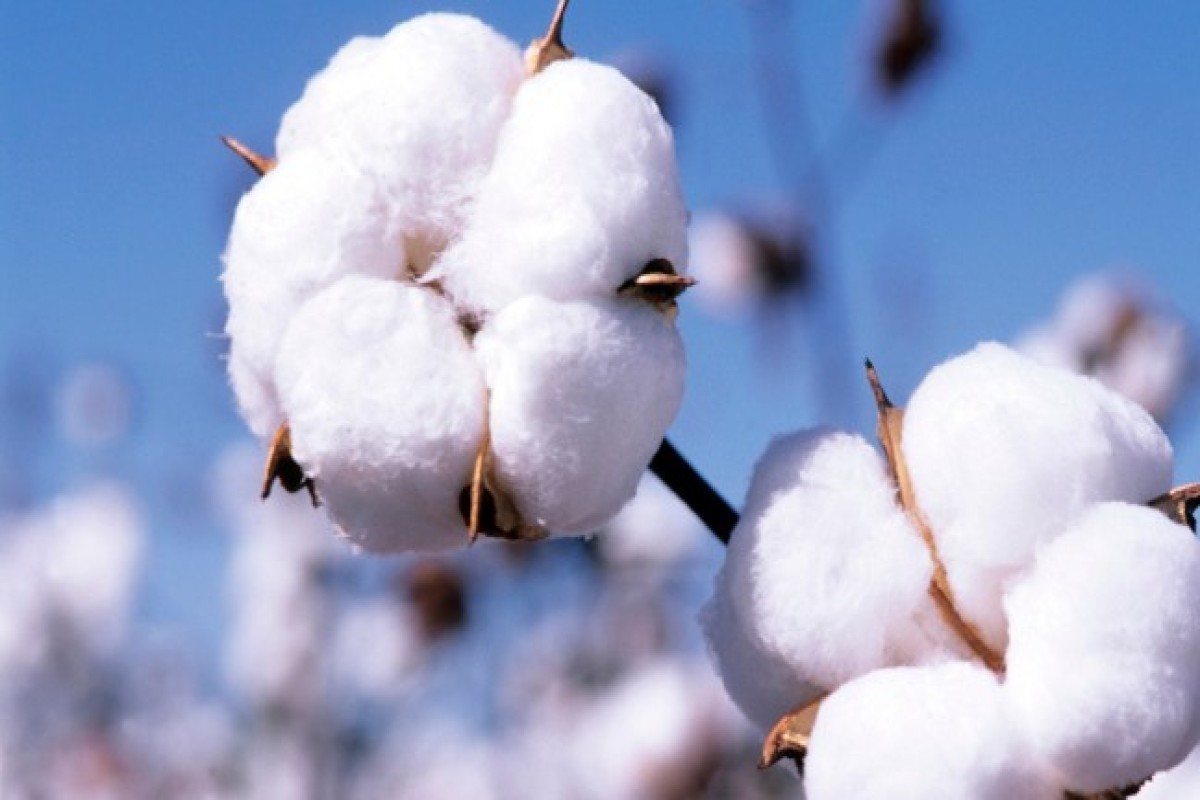
As for participating in COP29, I think ICAC is mainly interested in dealing with environmental issues. Because we believe that we have a very positive story to tell about cotton. You know, cotton can create jobs for millions of farmers. It can also capture carbon, remove carbon from the atmosphere. And these things are very important because we are here at COP29 discussing carbon emissions reduction.
- Why should Azerbaijan and other cotton-producing countries join ICAC? What does it promise to producing countries?
- We are like a small United Nations of cotton producers. Being a member of ICAC gives us the advantage of having more access to data on cotton. We also do a lot of work to improve production using agricultural techniques. This also applies to regulatory issues related to cotton.
We have a network of over 2,000 scientists working with us. So basically when a country joins ICAC, they have access to all our resources, they have access to everything we can do to help their local cotton economy move forward.
- The fight against climate change is being discussed within the framework of COP29. And we know that cotton growing is an area that requires more water, given the increasing drought. What innovative approaches does ICAC propose in this regard?
- I think what we're doing in regenerative agriculture, we found it can have a huge effect on fields, but more importantly it's sustainable. So we just finished a program in Zambia and Southern Africa where we double deals and we use three things. We use biochar, we use something called Bokashi, which is a very rapid type of composting, and we use something called Jeebamurit, which basically are microorganisms.
And so when you focus on soil health, you reduce water use, you decrease use of fertilizer and most importantly you increase fields and you have a system that really is sustainable for the long run. Nowadays water is very problematic things for agriculture and we know climate changing.
- Is ICAC considering cooperation with the Azerbaijani government or local companies?
- I can say that we have met with the local producer, GP Cotton. We may also have a meeting with the Ministry of Agriculture of Azerbaijan. There are great opportunities for cooperation. We hope that Azerbaijan can join ICAC. Then we can work together and bring the equipment here and make a difference.


 Follow us on Telegram
 t.me/apanewsaz
 Follow us on Instagram
 Follow us on TikTok
 Follow us on Facebook
 Follow us on X