













Baku-APA. Egypt’s ultraconservative Islamist party said Friday it plans to push for a stricter religious code in Egypt after claiming surprisingly strong gains in this week’s initial round of voting for parliament, the first elections since Hosni Mubarak’s ouster, APA reports quoting Associated Press.
Egypt’s election commission announced only a trickle of results Friday and said 62 percent of eligible voters cast ballots in the highest turnout in Egypt’s modern history. Abdel-Mooaez Ibrahim, the head of High Election Commission, jokingly described it as "the highest since the time of pharaohs."
Preliminary counts leaked by judges and individual political groups indicated that the Muslim Brotherhood’s political arm took the largest share of votes. Following closely behind, was the ultraconservative Islamist Nour Party and a coalition of liberal parties called the Egyptian bloc, according to those unofficial counts.
That trend — if confirmed and if extended over more rounds of voting — would give the religious parties a popular mandate in the struggle to win control from the ruling military that took over from Mubarak and ultimately reshape a key U.S. ally.
The Islamist Nour Party expects to get 30 percent of the vote, party spokesman Yousseri Hamad told The Associated Press in a telephone interview.
A strong showing would put them in a position to influence policy, although it’s unclear how much power the new parliament will have with the ruling generals still in overall control. For example, the military, which is not keen to see Egypt delivered to radical Islamists, maintains that it — not the largest bloc in parliament — will choose the next Cabinet. It is also poised to closely oversee the drafting of a new constitution.
The Nour Party’s purist pursuit of strict Shariah, or Islamic law, would also face tough opposition from a diverse array of youth activists in the streets, Egypt’s Coptic Christian minority, as well as liberal and secular political parties pushing for more social and political freedoms — perhaps forcing it to veer less toward the large role that religion plays in Saudi Arabia.
The Nour Party is the main political arm of the hard-line Salafi movement, which was inspired by the Saudi-style Wahhabi school of thought.
Salafists are newcomers on Egypt’s political scene. They long shunned the concept of democracy, saying it allows man’s law to override God’s. But they formed parties and entered politics after Mubarak’s ouster to position themselves to try to make sure Shariah law is an integral part of Egypt’s new constitution.
The more moderate and pragmatic Muslim Brotherhood, on the other hand, has been around since 1928 and has for decades been the largest and best organized opposition movement in Egypt, despite being officially outlawed until Mubarak’s ouster.
Seeking to broaden its political appeal, the Brotherhood’s Freedom and Justice Party has described its election platform as civil but with an Islamic background, setting them up to be more rival than ally to the harder-line Islamists.
Hamad said his party is willing to cooperate with the Muslim Brotherhood as well as with secular and liberal forces "if it will serve the interest of the nation."
Still, Salafi groups speak confidently about their ambition to turn Egypt into a state where personal freedoms, including freedom of speech, women’s dress and art are constrained by Islamic Shariah codes.
"In the land of Islam, I can’t let people decide what is permissible or what is prohibited. It’s God who gives the answers as to what is right and what is wrong," Hamad said. "If God tells me you can drink whatever you want except for alcohol, you don’t leave the million things permitted and ask about the prohibited."
Their surprisingly strong showing worries many liberals and Coptic Christians, who make up about 10 percent of Egypt’s population.
"We want democracy and what they want is anything but democratic," said Amir Fouad, a Coptic Christian who trained as an engineer but drives a taxi because he can’t find another job. "They want Egypt to be like Saudi Arabia, all Islamic."
Fouad, 40, said he worries the Salafists will force Christian women to wear Islamic veils.
"I feel like it will be very hard for me to live in Egypt if they rule," he said. "They will take Egypt backward."
Even some religious Egyptians see the Salafists as too extreme.
"I am religious and don’t want laws that go against my beliefs, but there shouldn’t be religious law," said Ahmed Abdel-Rahman, a geography teacher. "I don’t want anyone imposing his religious views on me."
The voting for Egypt’s lower house of parliament is staggered over three stages. This week’s vote, held in nine provinces, will determine about 30 percent of the 498 seats in the People’s Assembly. Two more rounds, ending in January, will cover Egypt’s other 18 provinces. Three more rounds before March will elect the less powerful upper house.
The ballots are a confusing mix of party lists that will gain seats according to proportions of votes and individual candidates.
Results announced Friday by the election commission showed only three of the individual candidates winning from the first round, while the rest must enter runoffs.
No other official results were announced Friday.
Ibrahim, of the election commission, described difficult conditions during the vote and the count, saying judges who oversaw the process labored in a cramped, dimly lit room where "it was impossible for anyone to do his job."
Calling the news conference to a close, Ibrahim said, "I’m out of gas," and told reporters pressing for more information that they should get the results themselves from material distributed by the election commission.
Hamad said the Nour Party appeared to lead the polls in the Nile Delta province of Kafr el-Sheik, in the rural area of Fayoum, which is known for high rates of illiteracy and poverty, and in parts of their longtime stronghold of Alexandria.
Hamad also said the party faced its toughest challenge in Cairo because of the small presence of Salafi supporters there.
Islamist victory in Egypt — long considered a linchpin of regional stability — would be the clearest signal yet that parties and candidates connected to political Islam will emerge as the main beneficiaries of this year’s Arab Spring uprisings.
Tunisia and Morocco have both elected Islamist majorities to parliament, and while Libya has yet to announce dates for its first elections, Islamist groups have emerged as a strong force there since rebels overthrew Moammar Gadhafi in August. They also play a strong opposition role in Yemen.
Egypt’s new parliament, in theory, is tasked with selecting a 100-member panel to draft Egypt’s new constitution. The Supreme Council of the Armed Forces, which took control of the country after Mubarak’s fall in February, has suggested that it will choose 80 of those members.
Also Friday, more than 5,000 protesters demonstrated in Cairo’s Tahrir Square to call for a speedier transition to civilian rule and trials for security officers accused of killing protesters.
Large crowds marched into the square carrying dozens of coffins wrapped in Egyptian flags to represent those killed in clashes with the police near the square in the week before the elections.
"People haven’t given up on the square just because there were elections," said Ibrahim Hussein, who voted this week for the Muslim Brotherhood’s Freedom and Justice Party. "They all have the same demands and they haven’t been met yet."


 Follow us on Telegram
 t.me/apanewsaz
 Follow us on Instagram
 Follow us on TikTok
 Follow us on Facebook
 Follow us on X
Africa
Two killed, five injured in shooting in S. Africa
 16:09
16:09
 14 October 2026
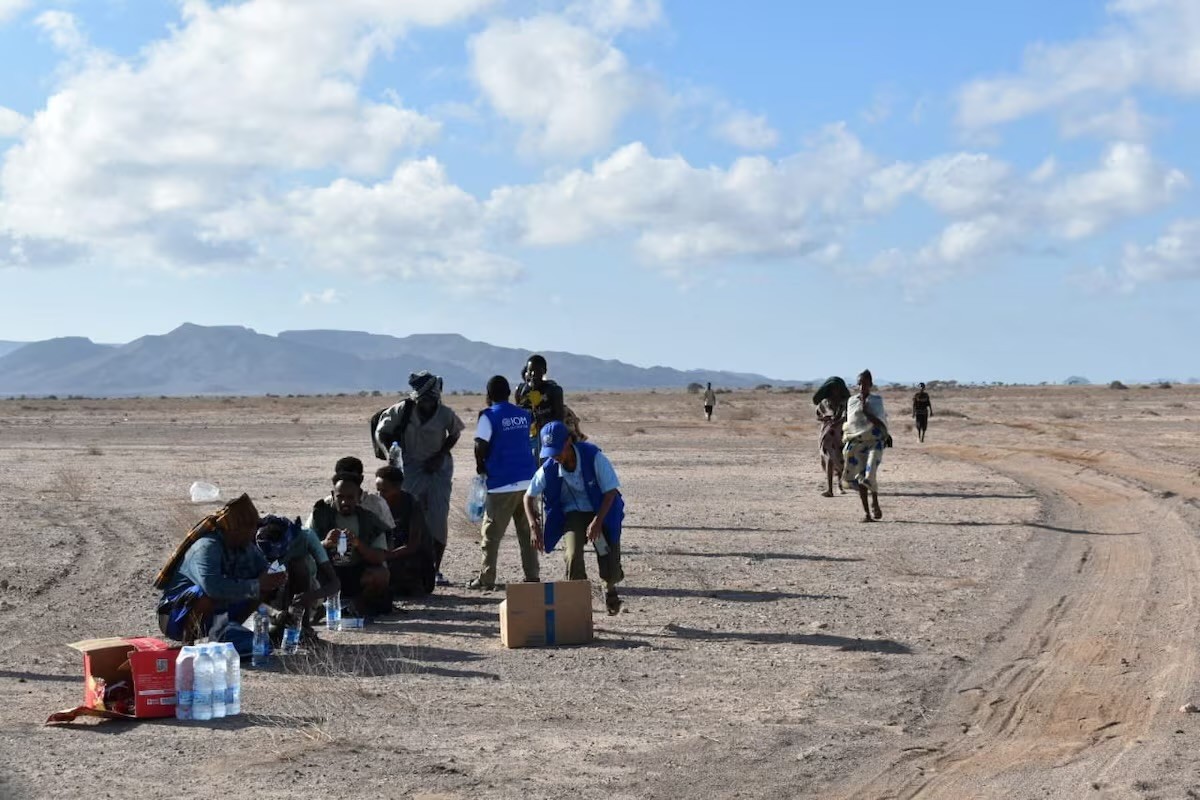
At least 139 migrants dead, including some children, after boat from Djibouti to Yemen capsizes, UN agency says
21:17
11 October 2026
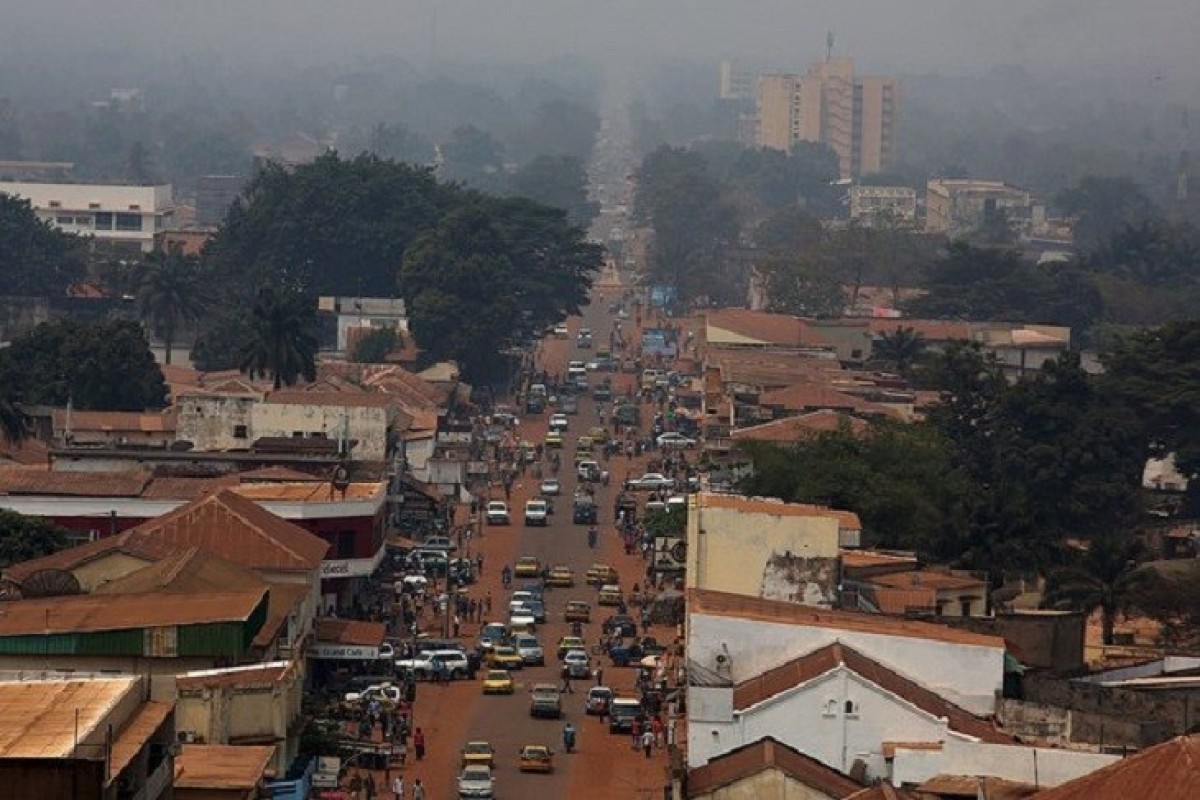
Central African Republic foils planned large-scale militant attack
07:04
11 October 2026
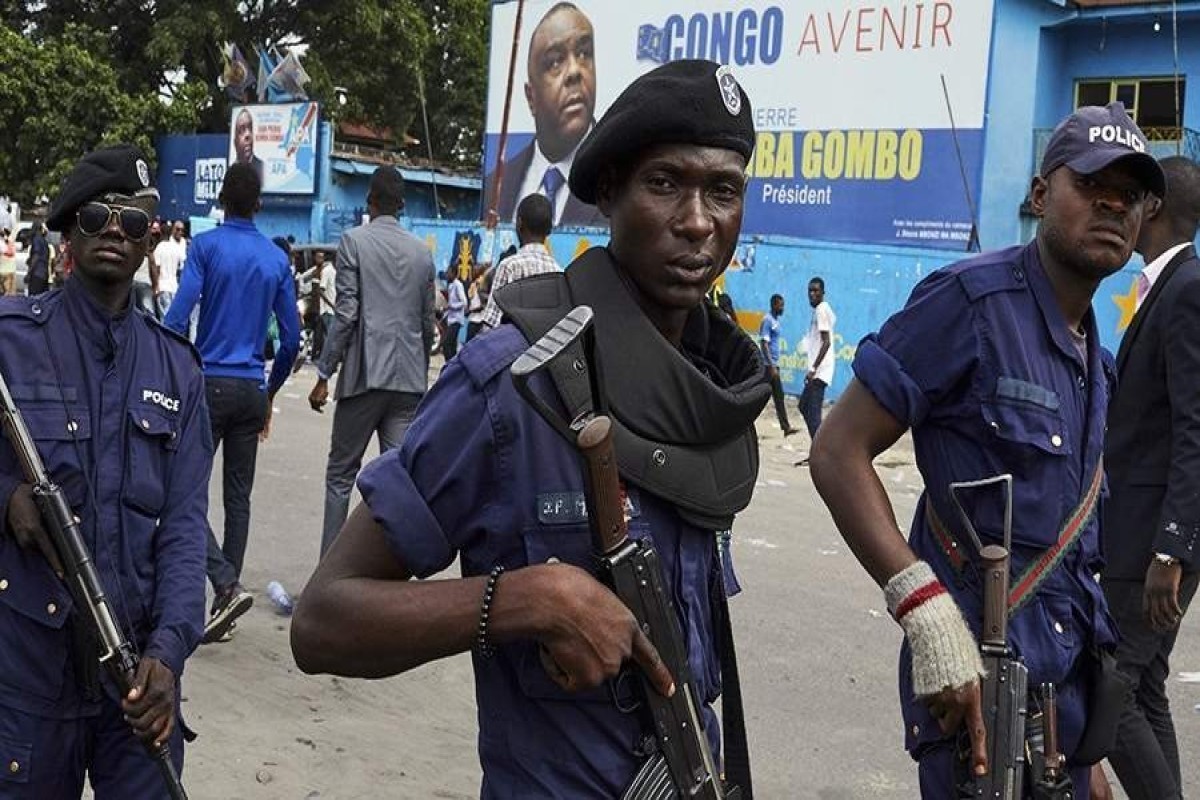
Rebel attack kills 11 civilians in DR Congo
05:16
11 October 2026

NEWS FEED
Heydar Aliyev International Airport to switch to autumn-winter flight schedule
14:39
16 October 2026
Foreign Minister Jeyhun Bayramov meets with CICA Secretary General Kairat Sarybay
14:11
16 October 2026
Azerbaijan prevents smuggling of 35 kg of drugs from Iran
14:10
16 October 2026
FM Mirzoyan: Armenia-Türkiye border could open at any moment
14:05
16 October 2026
Media representatives familiarize themselves with demining operation carried out by MES in Aghdam - PHOTO
14:01
16 October 2026
Peskov accuses Zelenskyy of refusing to assume responsibility
14:00
16 October 2026
Lukashenko orders expansion of volunteer defense units in Belarus
13:50
16 October 2026
Death toll from Istanbul floods reaches 4, three people missing
13:39
16 October 2026
Araghchi: Iran concerned about US presence in region, but trusts Armenia
13:37
16 October 2026
Prospects for LNG supplies to Vietnam discussed in Baku
13:16
16 October 2026
9th Congress of Azerbaijani journalists held - PHOTO - UPDATED - 1
13:02
16 October 2026
SOCAR announces intention to purchase gas from Gazprom
12:59
16 October 2026
ADY chairman attends New Silk Way Business Forum in Kazakhstan
12:57
16 October 2026
President Ilham Aliyev awards group of individuals for contributions to development of Paralympic movement
12:55
16 October 2026
President Ilham Aliyev received newly appointed Georgian ambassador to Azerbaijan
12:54
16 October 2026
President Ilham Aliyev received newly appointed Indian ambassador to Azerbaijan
12:50
16 October 2026
Press Council will continue its activities to develop journalism - Chairman
12:37
16 October 2026
Azerbaijan detains six foreigners over attempted illegal border crossings
12:33
16 October 2026
Chemical production indicators in Azerbaijan announced - TABLE
12:30
16 October 2026
High demand could help Azerbaijan increase export potential of halal products - Deputy Chairman
12:25
16 October 2026
New board of Directors of Azerbaijan’s Press Council formed
12:15
16 October 2026
Fuel oil production sharply increases in Azerbaijan - TABLE
12:09
16 October 2026
Azerbaijan Press Council elects new Chairman
12:03
16 October 2026
Parliament committee chairman: Artificial intelligence cannot replace civil servants
12:02
16 October 2026
Nearly 30 bcm of gas transported through Azerbaijan’s main pipelines this year
11:57
16 October 2026
28 state standards reviewed in Azerbaijan
11:57
16 October 2026
State standards to become more accessible to businesses - Deputy Chairman
11:53
16 October 2026
AZSTAND: Nearly 4,000 new regulatory documents to be developed in Azerbaijan
11:50
16 October 2026
Russia’s Ryazan Oil Refinery hit by drone attack again
11:48
16 October 2026
Key indicators of Azerbaijan's oil and gas sector - TABLE
11:48
16 October 2026
Number of state standards adopted in Azerbaijan nearly triples
11:44
16 October 2026
Volume of oil transported via BTC this year announced
11:44
16 October 2026
Speaker: Ilham Aliyev’s election as President in 2003 holds special place in country’s history
11:42
16 October 2026
Azerbaijan drafts new Civil Service Code, plans to repeal 6 laws
11:41
16 October 2026
Nasar Hayat: FAO remains committed to continuing cooperation with Azerbaijani government
11:39
16 October 2026
Natiq Mammadli: Media and Broadcasting Council works intensively to counter disinformation against Azerbaijan
11:38
16 October 2026
Israeli President traveled to Baku on commercial flight – uproar in Türkiye has no basis
11:35
16 October 2026
Azerbaijan to set retirement age based on maximum service age for each rank
11:30
16 October 2026
Azerbaijan changes calculation of insurance part of labor pensions, social insurance reserve to increase
11:30
16 October 2026
Azerbaijan to increase salaries of military personnel
11:26
16 October 2026
Person accused of fraud extradited from Russia to Azerbaijan
11:26
16 October 2026
Azerbaijan to adopt new standards in artificial intelligence and digitalization
11:24
16 October 2026
Azerbaijan to bar clergy and persons with foreign citizenship from civil service positions
11:23
16 October 2026
Azerbaijan's population reaches 10.28 million
11:18
16 October 2026
FAO: Innovation can help address challenges faced by farmers in Azerbaijan
11:16
16 October 2026
Azerbaijani Parliament sends congratulatory letter to President and First Vice-President on Independence Restoration Day
11:10
16 October 2026
Azerbaijan and Uzbekistan hold 2nd Rectors' Forum in Khankendi
11:07
16 October 2026
Azerbaijani Parliament begins its next session
11:05
16 October 2026
Azerbaijani journalists adopt new ethical principle on artificial intelligence
11:03
16 October 2026
Mirzoyan: Iran's concerns over TRIPP have been resolved
10:55
16 October 2026


