













Baku – APA. He survived assassination attempts and wave after wave of Mideast crises, a solid ally of the West whose stable image reassured many Egyptians, APA reports quoting “Associated Pressâ€.
Hosni Mubarak ended his presidency Friday as a symbol of what was wrong with Egypt: the repression, the corruption, the lost hopes of a swelling, impoverished class.
Mubarak, in power for nearly three decades, was such a fixture that his exit from power was hard to conceive for most Egyptians just a short time ago. Year after year, as the president aged and ailed, people watched his scripted appearances on television — the suit and tie, the wagging finger, the "father of the nation" aura.
After protests and upheaval swept Egypt, Mubarak sought to portray himself as the only obstacle to chaos, as he had done successfully so many times in the past. Yet attacks by his supporters, who roamed downtown Cairo with impunity, suggested that violence lay at the core of his system.
As he clung to power, the status quo he personified became increasingly loathed. And as it turns out, beneath the stern facade of authority, the 82-year-old was a figure in steep decline, unable to check boiling currents of popular fury, or harness the history unfolding in his nation of 80 million — the largest in the Arab world.
A former pilot and air force general with a combative, stubborn streak, he took tentative steps toward democratic reform early in his presidency but pulled back toward the dictatorial style that eventually propelled the protests that began on Jan. 25.
Assessments described Mubarak as a man deeply suspicious of reform. A 2009 cable from the U.S. Embassy in Cairo, released by the secret-sharing WikiLeaks website, called him "a tried and true realist, innately cautious and conservative," and with "little time for idealistic goals."
It noted that Mubarak disapproved of the 2003 U.S. invasion that toppled Saddam Hussein of Iraq, which he believed was in need of a "’tough, strong military officer who is fair’" as leader.
"This telling observation, we believe, describes Mubarak’s own view of himself as someone who is tough but fair, who ensures the basic needs of his people," the cable said. "In Mubarak’s mind, it is far better to let a few individuals suffer than risk chaos for society as a whole."
Mubarak was long credited by his Western allies with keeping the peace with Israel and keeping Egypt free of the grip of Islamic extremism. In a searing experience that defined his outlook, he was sitting on a military viewing stand next to his predecessor, Anwar Sadat, when Islamic militants assassinated Sadat in 1981. A week later, with Egypt in trauma, Mubarak was president.
He lacked the charisma of his two predecessors, the peacemaker Sadat and the Arab nationalist, Gamal Abdel Nasser, and served in their shadows. He struggled with the problems that have bedeviled the Arab world: choking corruption, the Palestinian-Israeli conflict and fighting militancy. Economic reforms spurred growth, but the fruits trickled only to a few.
He carved out a niche as a key negotiator on the Palestinian crisis, bolstered by billions in U.S. aid. He engineered Egypt’s return to the Arab fold after nearly a decade out in the cold over its 1979 peace treaty with Israel.
Early on, Mubarak put down an insurgency by Muslim extremists, whose ranks had produced Sadat’s assassins and some of the future al-Qaida leaders. In the 1990s, he fought hard against another resurgence of Muslim militants whose attacks included the slaughter of dozens of foreign tourists at the temple city of Luxor.
Eli Shaked, who served as Israel’s ambassador to Egypt from 2003-2005, described Mubarak as "a strong presence, not charismatic but with a heavy body like a fighter bomber, and very levelheaded."
Shaked said Mubarak met visiting Israeli officials with at least three top advisers by his side, often consulting with them and demonstrating a detailed knowledge of Israeli politics. The Israeli said Mubarak liked "political jokes and witticisms," but was short on creativity: "The man is completely status quo."
Mohammed Hosni Mubarak was born on May 4, 1928, in the village of Kafr el-Moseilha in the Nile delta province of Menoufia. His family, like Sadat’s and Nasser’s, was lower middle class.
After joining the air force in 1950, Mubarak moved up the ranks as a bomber pilot and instructor and rose to leadership positions. He earned nationwide fame as commander of the air force during the 1973 Middle East war, and was vice president when Sadat was assassinated — an attack Mubarak escaped with only a minor hand injury.
In his early days, Mubarak made popular moves that held up promise of a more open society, including freeing 1,500 politicians, journalists and clerics jailed during Sadat’s last months in office.
But hopes for broader reform dimmed. Mubarak was re-elected in staged, one-man referendums in which he routinely won more than 90 percent approval. He became more aloof, carefully choreographing his public appearances, and his authoritarian governance, buttressed by harsh emergency laws, fueled resentment.
Age took its toll on the president, who was once an avid squash player with a consistent style that matched his personality. He became hard of hearing, and was so devastated by the death of a 12-year-old grandson in 2009 that he canceled a trip to the United States. Last year, he had gallbladder surgery in Germany.
Egypt’s influence in the Middle East, meanwhile, waned as the militant groups Hamas and Hezbollah and their patron, Iran, gained momentum and followers. The growing profile of Turkey, a democracy led by an Islam-inspired government, also chipped away at Egypt’s heavyweight stature in the region.
In 2005, Mubarak held the country’s first contested presidential election, an event marred by charges of voter fraud and intimidation. He retrenched when opponents made gains in ensuing parliamentary elections, launching a harsh campaign of arrests against the Muslim Brotherhood, Egypt’s biggest and best organized opposition group.
Before the protests began, Mubarak had been silent on whether he intended to seek re-election in September. But the quick rise of his son, Gamal, through the ruling party caused immense anxiety.
The fear that Mubarak was grooming Gamal, a wealthy businessman, to succeed him left many Egyptians feeling trapped in the past, deprived of change and renewal. Then, the uprising in Tunisia delivered an electrifying message: an old order can be ousted.
Mubarak initially responded to protests by saying he would not seek another term, and his government said Gamal Mubarak would not run, either. But the president rejected demands that he step down immediately, telling ABC News that he’d like to leave but feared the country would sink deeper into chaos without him.
It was a persuasive argument for 29 years, but in 2011 it was overwhelmed by the cries of huge crowds in Cairo’s Tahrir Square: "Leave! Leave!"


 Follow us on Telegram
 t.me/apanewsaz
 Follow us on Instagram
 Follow us on TikTok
 Follow us on Facebook
 Follow us on X
Africa
Two killed, five injured in shooting in S. Africa
 16:09
16:09
 14 October 2026
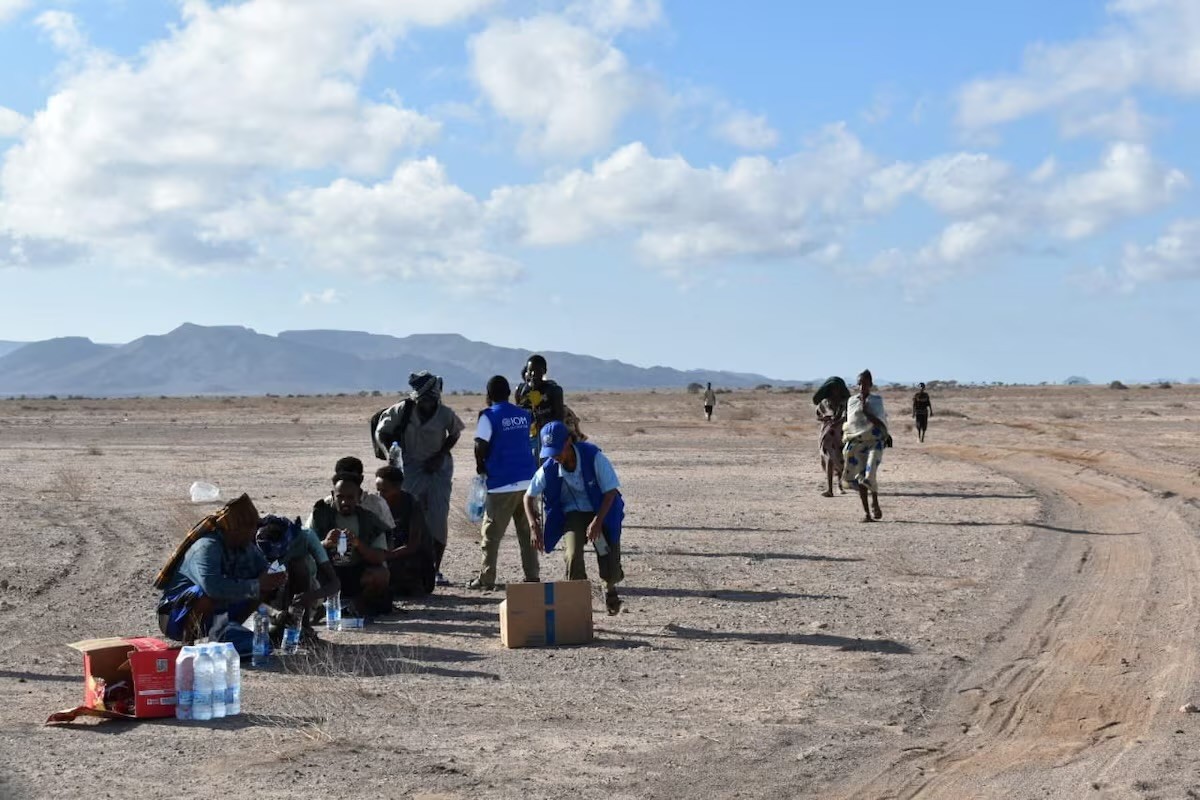
At least 139 migrants dead, including some children, after boat from Djibouti to Yemen capsizes, UN agency says
21:17
11 October 2026
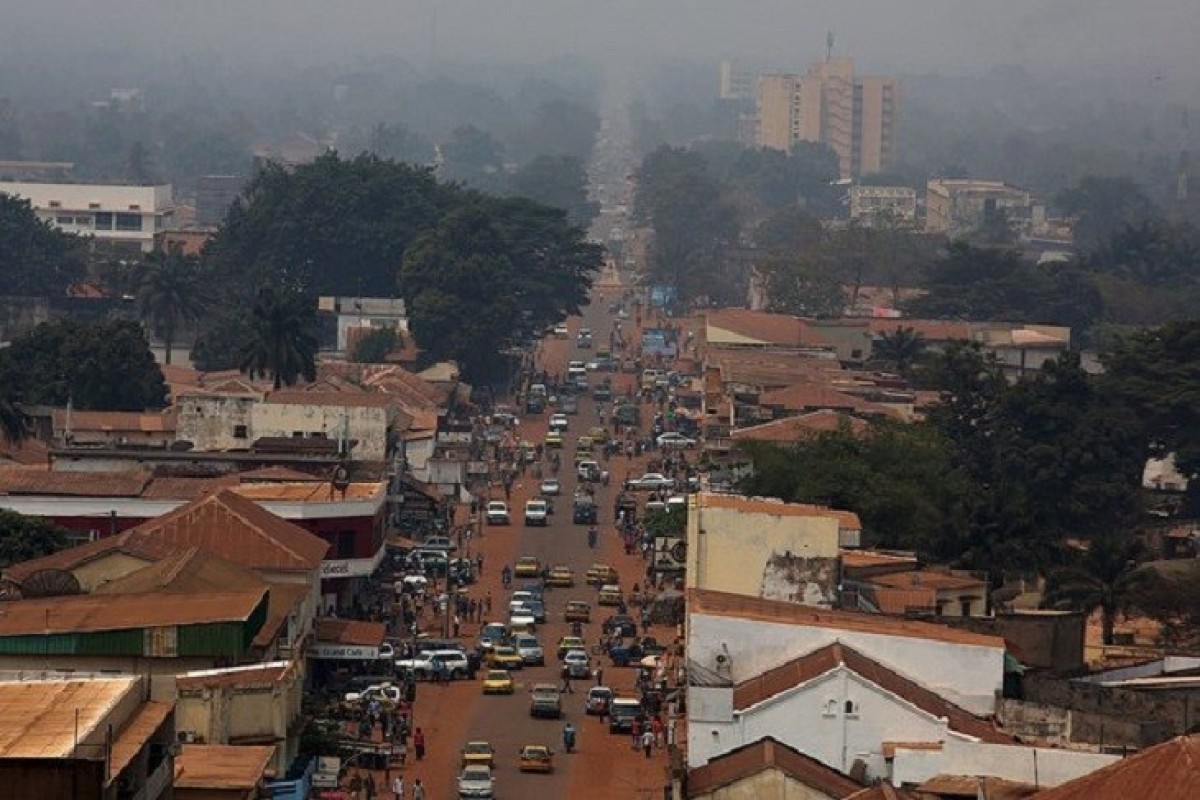
Central African Republic foils planned large-scale militant attack
07:04
11 October 2026
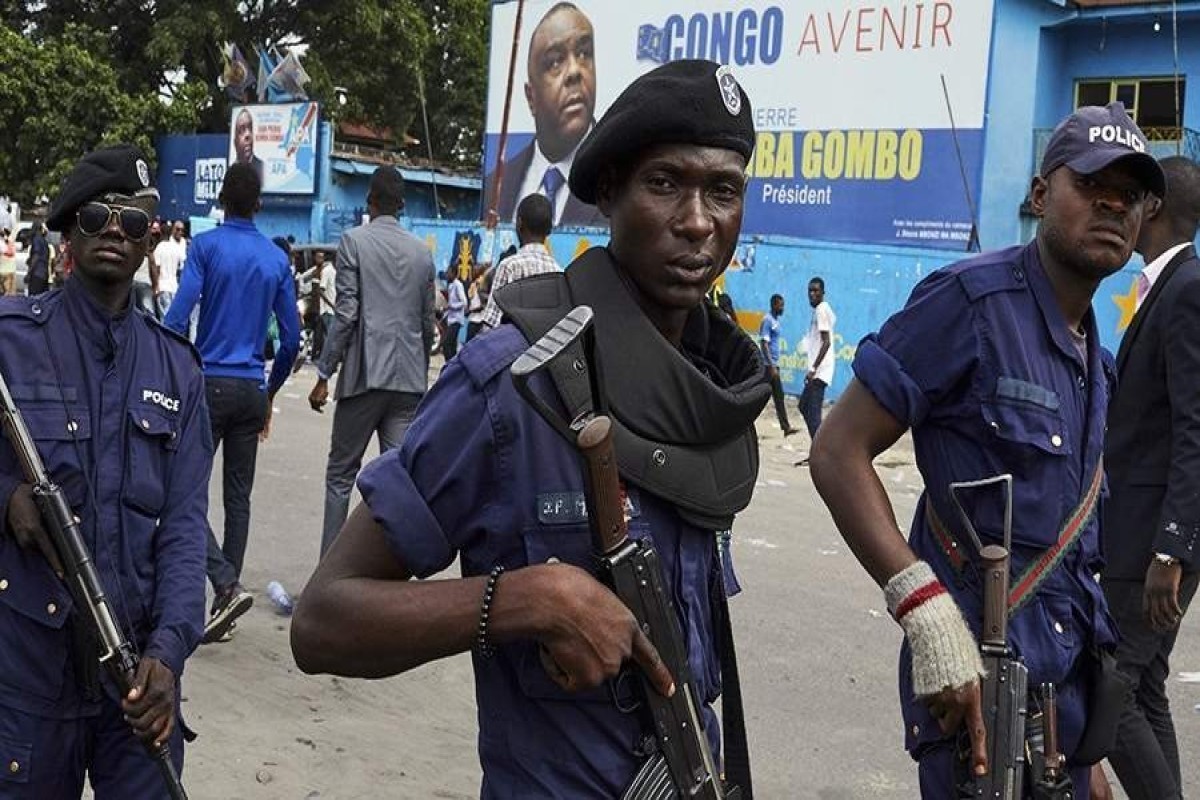
Rebel attack kills 11 civilians in DR Congo
05:16
11 October 2026

NEWS FEED
Iran's navy says "violating" oil tanker caught fire east of Hormuz Strait
19:43
15 October 2026
White House official: Trump considering all options to keep Iran from nuclear weapon
19:37
15 October 2026
Houthis fire missiles at presidential palace in Yemen's Aden, officials say
19:00
15 October 2026
President Ilham Aliyev’s social media accounts shared video on 7th CICA Summit
18:28
15 October 2026
President Ilham Aliyev met with Amir of Qatar - UPDATED
18:12
15 October 2026
Armenian and Turkish businesspeople discuss joint cooperation
17:56
15 October 2026
Journalist Alexander Nevzorov added to Russia’s list of terrorists and extremists
17:53
15 October 2026
New head of Republic of Dagestan elected
17:46
15 October 2026
Kobakhidze visits Armenia
17:17
15 October 2026
Georgian opposition announces protest rallies
17:05
15 October 2026
Pashinyan establishes working group to resolve railway issues with Russia
17:02
15 October 2026
Pope Leo recovering as planned after lung cancer surgery, doctors say
16:58
15 October 2026
Papuashvili: EU takes disruptive stance in relations with Georgia
16:40
15 October 2026
Baku hosted 7th CICA Summit, President Ilham Aliyev addressed the event - UPDATED - 4
16:34
15 October 2026
Azerbaijan to chair CICA in 2026–2028
16:27
15 October 2026
UN considers CICA's role more important now than ever
16:26
15 October 2026
Meeting held with delegation of international and foreign national Paralympic committees
16:23
15 October 2026
President Ilham Aliyev received Türkiye’s Minister of Foreign Affairs
16:16
15 October 2026
7th CICA Summit concludes
16:12
15 October 2026
CICA Secretary General replaced
16:11
15 October 2026
Lavrov considers it appropriate to hold next "3+3" meeting in Azerbaijan
16:08
15 October 2026
Baku Declaration adopted following 7th CICA Summit
16:05
15 October 2026
Large amount of drugs prevented from being smuggled from Iran into Azerbaijan - PHOTO
16:02
15 October 2026
Signed documents exchanged between Azerbaijan and Kazakhstan
16:00
15 October 2026
Lavrov: Russia ready to participate in TRIPP, but has not yet received invitation
15:50
15 October 2026
Lavrov: Zelenskyy is challenging Trump, not interested in elections
15:47
15 October 2026
Presidents of Azerbaijan and Kazakhstan met in Baku and inaugurated Trans-Caspian Fiber-Optic Cable Line
15:44
15 October 2026
9th Congress of Azerbaijani Journalists to be held tomorrow, candidates for Press Council Board announced
15:43
15 October 2026
Gharibabadi: Current difficulties in Strait of Hormuz caused by military aggression and naval blockade against Iran
15:42
15 October 2026
ING: $10 rise in oil prices could increase Azerbaijan’s exports by 2–4% of GDP
15:39
15 October 2026
UAE Minister: Priorities set during Azerbaijan’s CICA chairmanship align with UAE’s vision
15:33
15 October 2026
Palestinian issue raised at CICA Summit
15:31
15 October 2026
Indian FM: Changing geopolitical landscape necessitates more active participation of Global South countries
15:15
15 October 2026
Azerbaijan takes over chairmanship of CIS Advisory Council on Labor, Employment and Social Protection
15:14
15 October 2026
Death toll from Istanbul floods reaches 3, four people missing
15:12
15 October 2026
Azerbaijani Special Forces conduct training sessions for reservists
15:07
15 October 2026
Home of Novaya Gazeta editor-in-chief searched
15:04
15 October 2026
Lavrov: Russia has always supported CICA's development through practical cooperation
14:58
15 October 2026
Foreign ministers of Azerbaijan, Uzbekistan and Turkmenistan hold trilateral meeting
14:55
15 October 2026
Turkish and Russian FMs meet in Baku
14:53
15 October 2026
Türkiye committed to strengthening CICA as Asia's most comprehensive security platform - Turkish FM
14:51
15 October 2026
Bahrain calls for ensuring safety of maritime and air navigation
14:44
15 October 2026
Pashinyan: Armenia has never had strained relations with Russia
14:40
15 October 2026
Pezeshkian to visit Armenia for biodiversity summit
14:40
15 October 2026
FM Hakan Fidan: We want COP31 to become an opportunity to strengthen climate justice
14:38
15 October 2026
Turkish FM: We support CICA's transformation into a full-fledged international organization
14:33
15 October 2026
Peskov: Moscow unaware of US proposals to Europe on unfreezing Russian assets
14:31
15 October 2026
Azerbaijani Parliament Speaker meets with Chairman of House of Representatives of Belarusian National Assembly
14:29
15 October 2026
Kremlin: Russian diesel has begun entering global markets
14:22
15 October 2026
FM: China highly appreciates Azerbaijan's efforts to strengthen CICA
14:18
15 October 2026


