

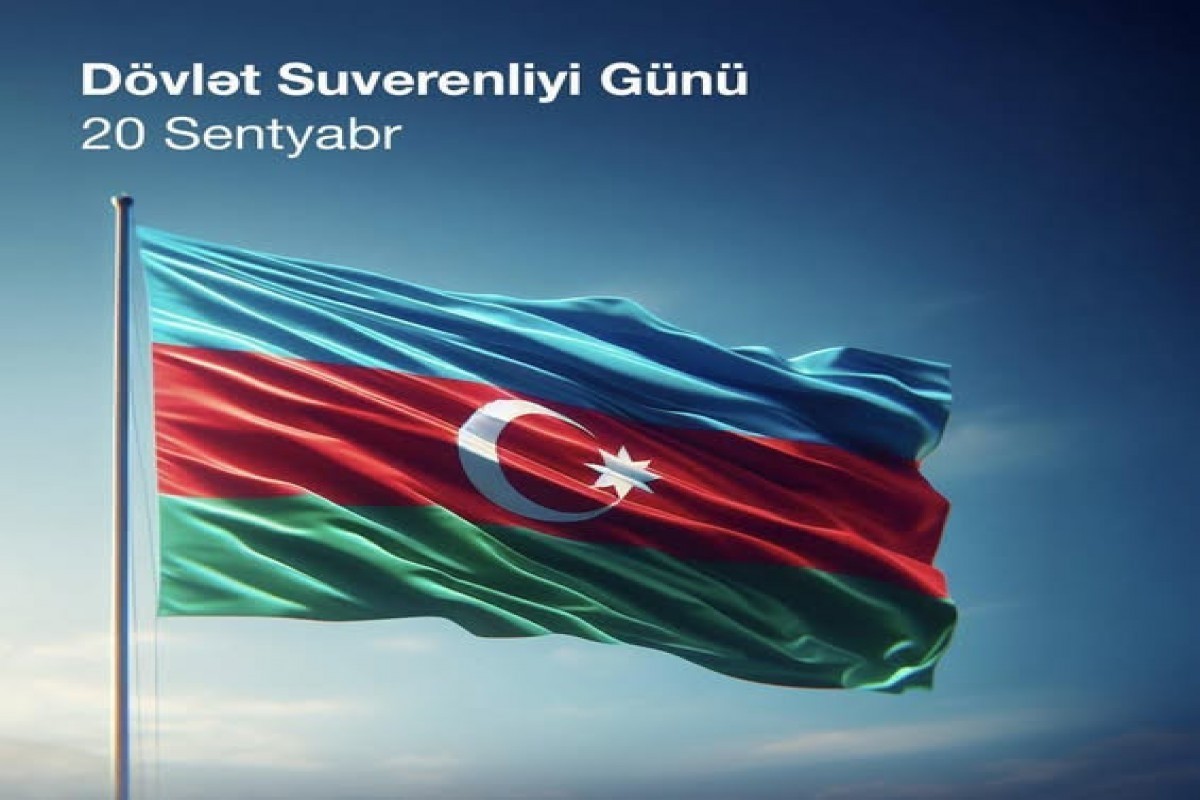


Azerbaijan will celebrate State Sovereignty Day on September 20. Although this date was added to the country's official calendar only two years ago, it represents the culmination of political, military, and legal processes spanning more than three decades.
It would be incorrect to limit the significance of September 20 to the events that took place in September 2023. In fact, this date provides an answer to a more complex question: When was the process of aligning the state's internationally recognized borders with its actual authority within those borders completed?
Azerbaijan has existed as a subject of international law and a sovereign state since 1991. The country's territorial integrity was internationally recognized. Documents adopted by the UN Security Council in 1993 also reaffirmed respect for the sovereignty and territorial integrity of states in the region and the inviolability of borders. For example, Resolution 822 demanded the withdrawal of forces from Kalbajar and other occupied territories.
However, sovereignty is not merely the recognition of borders on an international map. Its practical dimension involves a state's ability to control its borders, enforce its laws throughout its territory, and exercise security, governance, and law enforcement functions. This was precisely the main contradiction Azerbaijan faced for many years: although its territories were considered part of Azerbaijan under international law, the state was unable to exercise its authority over some of them in practice.
From this perspective, although the 2020 war and the events of September 2023 had the same political and legal outcomes, their functions were different.
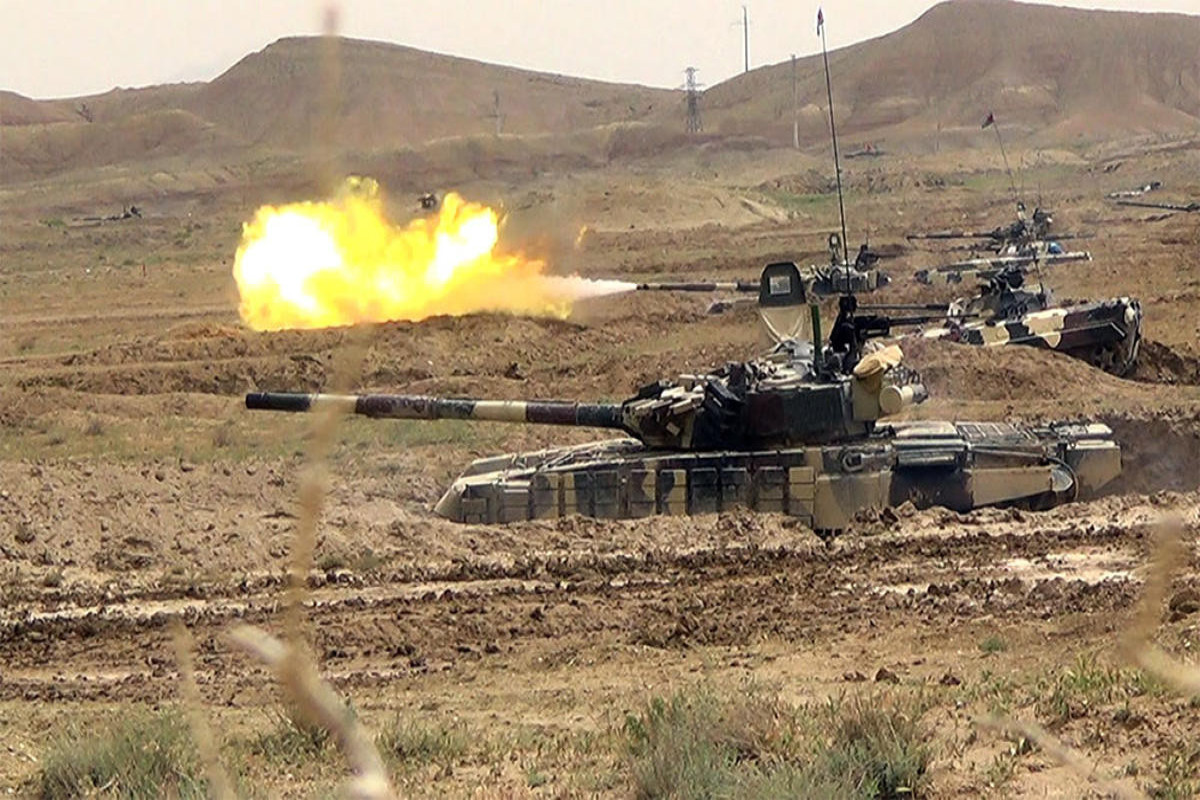
2020: A decisive stage in restoring territorial integrity
The 44-day war in 2020 fundamentally changed the previous status quo. The Azerbaijani Armed Forces restored control over a number of cities, districts, and settlements. Following the trilateral statement signed by the leaders of Azerbaijan, Armenia, and Russia on November 10, the return of the Aghdam, Kalbajar, and Lachin districts to Azerbaijan was also envisaged, and this process was implemented.
Thus, a decisive stage in restoring territorial integrity, which had been the main political agenda for many years, was completed. However, the situation that emerged after November 10, 2020, left one important issue unresolved.
A Russian peacekeeping contingent was stationed in part of Azerbaijan's Karabakh region, a connection existed between Armenia and that territory through the Lachin road, and the Azerbaijani state had not yet ensured the same level of actual administrative control throughout its entire territory.
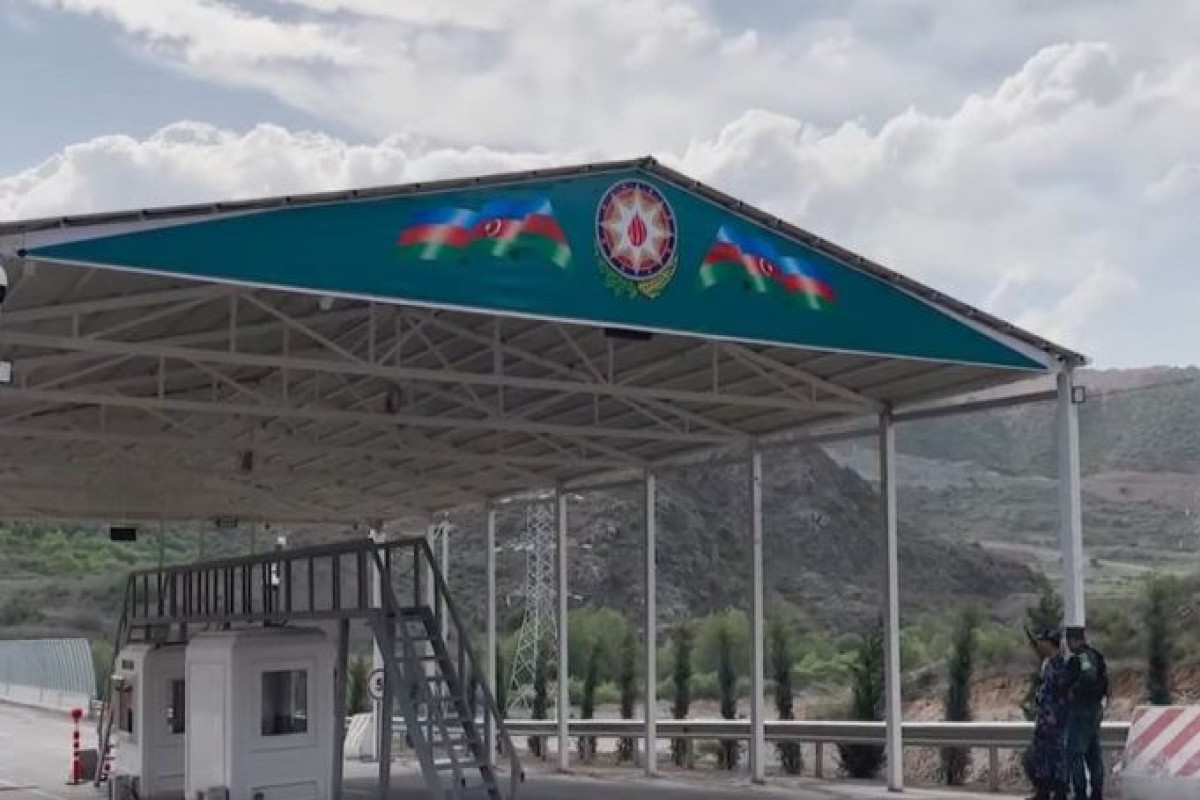
Lachin border checkpoint: An important stage in establishing state control
The establishment of a checkpoint on April 23, 2023, at the Armenia-Azerbaijan border, at the beginning of the Lachin-Khankendi road, was of particular importance.
This is because border control is one of the clearest indicators of sovereignty in the modern concept of statehood. If a state cannot determine who enters its territory, which vehicles enter, and what cargo is brought in, a significant gap emerges in its actual sovereignty. With the establishment of the Lachin border checkpoint, Azerbaijan created a mechanism of direct state control over that section of its border with Armenia as well. Subsequent developments demonstrated that this step was a transitional stage between the new situation that emerged after 2020 and the situation that would arise in September 2023.
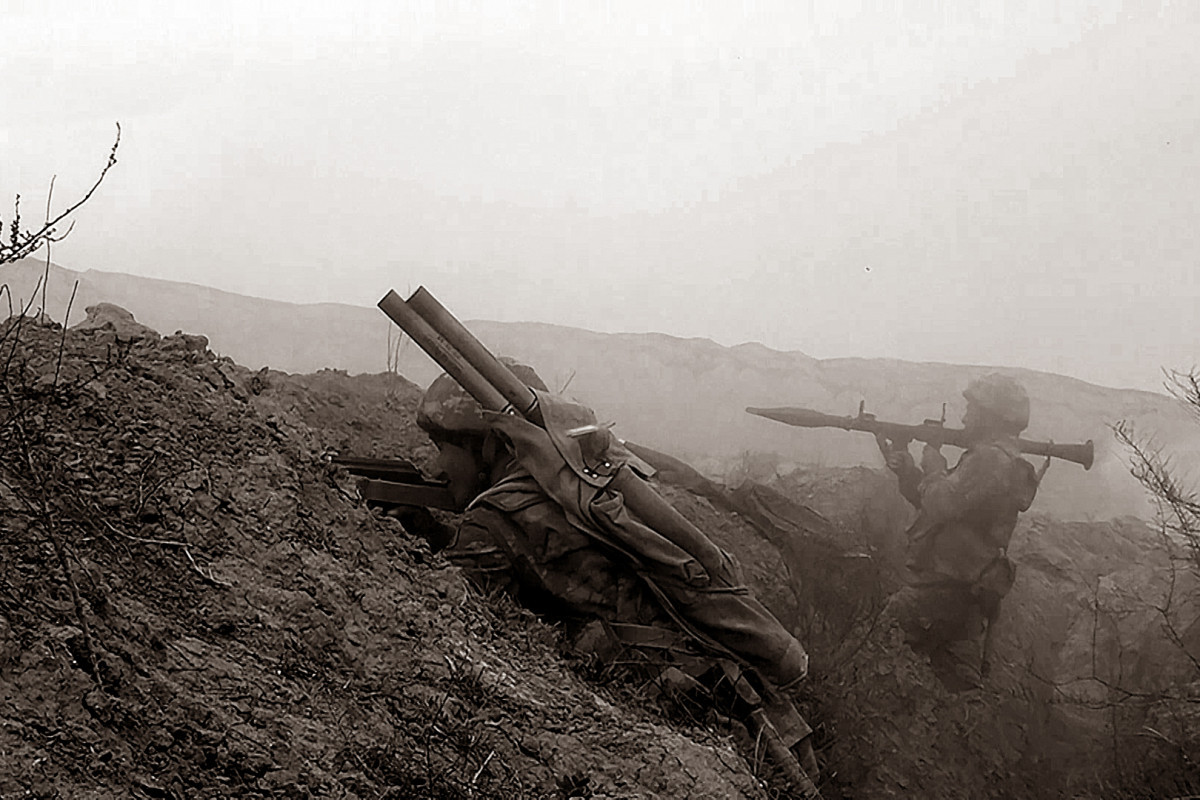
2023: Full restoration of actual sovereignty
On September 19, 2023, Azerbaijan launched local anti-terror measures in the Karabakh region. The operation lasted less than 24 hours and ended on September 20. The decree signed by the President of Azerbaijan in 2024 on the establishment of State Sovereignty Day specifically notes that the country's sovereignty was fully restored as a result of that operation.
The political and legal meaning of the expression "full sovereignty" is particularly important here. This is because the issue was not limited to the outcome of a military operation. Following September 2023, the existence of separate armed and political administrative structures on Azerbaijani territory was brought to an end, and the actual obstacles to the application of the Azerbaijani state's constitutional order in those territories were removed.
In other words, Azerbaijan's internationally recognized territory and the geographical area in which state authority was actually exercised came into alignment.
This is precisely what distinguishes September 20 from other military and political dates. That day was officially designated as the date marking the completion of the establishment of unified authority, a unified legal system, and a unified constitutional space throughout the state's entire territory. During his speech at Karabakh University on September 20, 2024, President Ilham Aliyev also stated that state sovereignty had been fully restored a year earlier.

Independence, territorial integrity, and sovereignty
Azerbaijan's calendar already includes Independence Day and Victory Day. Therefore, at first glance, the establishment of a separate State Sovereignty Day may appear to be a repetition of similar concepts. In fact, however, the political and legal meanings of these dates are different.
Independence means that a state is not subordinate to the authority of another state.
Territorial integrity means the indivisibility of a state's internationally recognized territory.
Sovereignty, meanwhile, refers to the state's ability to exercise supreme authority within its own territory.
Over the past 35 years of Azerbaijan's history, the full realization of these three concepts simultaneously has passed through different stages.
In 1991, independence was restored.
In 2020, a decisive result was achieved toward the restoration of territorial integrity.
On September 20, 2023, the last remaining practical obstacles to the exercise of state authority throughout the country's entire territory were removed.
However, a more important point begins here. While achieving or restoring sovereignty is one stage, transforming it into everyday state governance is another.
Following September 2023, the main issue has been establishing the functioning of state institutions in those territories, ensuring the return of people, restoring settlements, creating economic activity, and ensuring that education, healthcare, law enforcement, judicial, and other public services operate within a unified system across the entire country.
This is because the most sustainable indicator of sovereignty is not merely the presence of a flag or a military post at the border. Sovereignty also means that citizens encounter the same legal system, public services, and governance institutions regardless of which region of the country they live in.
From this perspective, the declaration of 2025 as the "Year of Constitution and Sovereignty" was not a coincidental sequence of events. The relevant presidential decree emphasized that, as a result of the 2020 war and the events of September 2023, the legal force of the Constitution had been established throughout all territories of Azerbaijan. The Action Plan approved for 2025 also identified the celebration of State Sovereignty Day and the 30th anniversary of the adoption of the Constitution as one of its main directions.
The fact that the Constitution and sovereignty are mentioned together carries significant meaning: the ultimate purpose of control over territory is to ensure the functioning of the state's legal system in that territory.

The main question has changed since September 20
For many years, one question dominated Azerbaijan's political agenda: When would the state restore its territorial integrity and control over all its territories?
Following September 2023, this question became a matter of history. Now, another question has come to the forefront: How will the state develop these territories and the country as a whole under conditions of full sovereignty? This change demonstrates the true political significance of September 20.
The historical significance of September 20 is completed precisely here: this date represents the stage at which the boundaries of the territories belonging to Azerbaijan under international law came into alignment with the boundaries of its actual state authority. In the period ahead, sovereignty will no longer be measured solely by maps and borders, but also by the quality of life established in those territories, the institutions that function there, and sustainable state governance.
Tahir Mirkishili, Member of the Milli Majlis


 Follow us on Telegram
 t.me/apanewsaz
 Follow us on Instagram
 Follow us on TikTok
 Follow us on Facebook
 Follow us on X