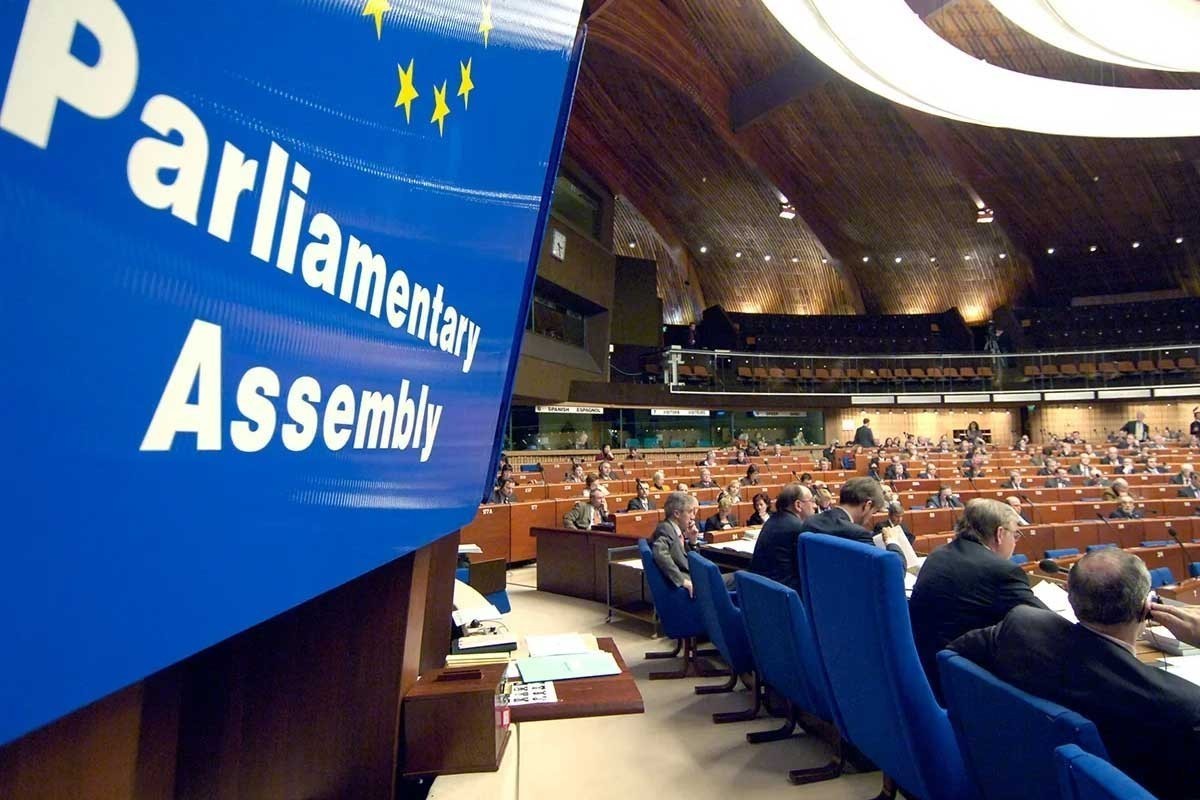


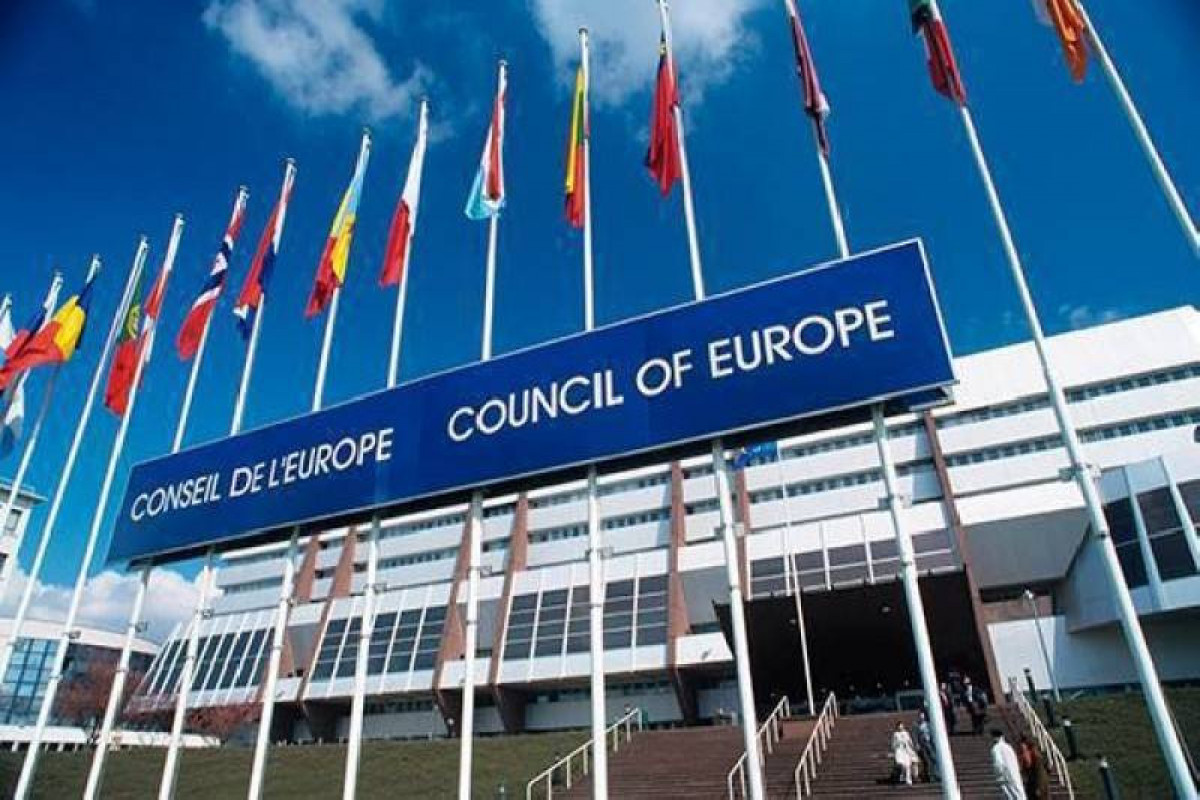
Although the years and realities have changed, the Parliamentary Assembly of the Council of Europe (PACE) has not. Instead of directing its efforts toward resolving the problems that are overwhelming the institution itself, it spends its time preparing documents that have no connection to reality, based on the views of individuals who hold a biased stance against Azerbaijan.
The latest resolution on Azerbaijan, adopted by the organization on June 24, is another manifestation of the course it has pursued for many years. Officially dedicated to human rights, freedom of expression, and the state of civil society, the document, in reality, gives the impression of being a continuation of the political approach formed against Azerbaijan. The content of the resolution, the course of the discussions, and similar decisions adopted in recent years demonstrate that a biased political position prevails over any objective legal assessment.
The resolution contains allegations that journalists, representatives of civil society, and individuals critical of the government in Azerbaijan are allegedly subjected to pressure, that freedom of expression is being restricted, and that political prisoners exist in the country. However, the document approaches these issues solely from one side's perspective, relying on the claims of certain non-governmental organizations, individual political groups, and MPs known for their hardline stance against Azerbaijan, while disregarding the position of official Baku, the legal arguments of the Azerbaijani government, and the country's legislative framework. This further reinforces the conclusion that the document was prepared in a one-sided rather than balanced manner.
A pre-established political stance
In this document, PACE has given greater priority to a political approach than to legal objectivity, resulting in a resolution that has emerged as a political statement reflecting the views of certain political circles that have demonstrated a critical stance toward Azerbaijan for many years.
This raises an important question: if an international organization seeks to conduct an objective legal assessment, why are the arguments of all parties on the same issue not examined on an equal basis? The legitimacy of any resolution is measured not only by its conclusions, but also by how impartial and inclusive its drafting process is.
For this very reason, PACE's latest document is more the product of a political position than of legal expertise. Human rights issues should not become a geopolitical tool for international organizations; the same legal standards and criteria should be applied equally to all member states. Otherwise, the perception is reinforced that international institutions are moving away from their role as objective arbiters and becoming platforms that legitimize the positions of certain political groups.
One of the factors reinforcing this conclusion is the pattern that has emerged in recent years regarding the authors and initiators of documents prepared on Azerbaijan. The repeated involvement of the same political circles, the same MPs, and the same rapporteurs in drafting resolutions of similar content concerning Azerbaijan suggests that this is not coincidental, but rather a consistent political course.
From this perspective, there is no doubt that within PACE, a pre-established political approach toward Azerbaijan now prevails over objective legal assessment.
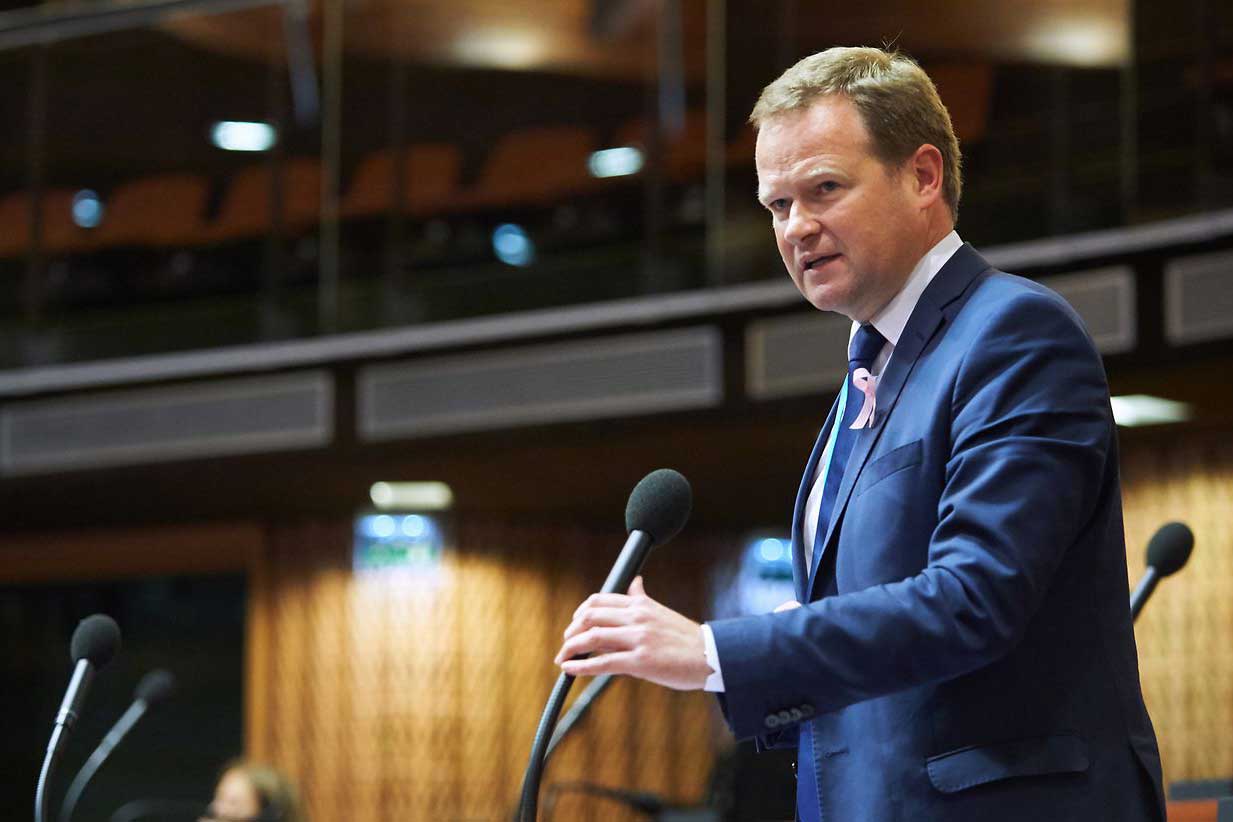
The debates clearly demonstrated a biased atmosphere
What took place during the discussions on the resolution also demonstrated the environment in which the document was adopted.
During his speech, Frank Schwabe, who is known for his biased stance against Azerbaijan, did not limit himself to criticizing Azerbaijan; he also did not refrain from using aggressive and harsh rhetoric against an MP who defended Azerbaijan's position.
This behavior is an important example of how differing views are treated within PACE. The essence of parliamentary diplomacy is to ensure diversity of opinion. If an MP expressing a different position is met with emotional attacks, this indicates that the discussions have moved away from being an objective platform.
Such incidents demonstrate that the position of certain political circles is dominant within the Assembly and that insufficient room is given to alternative views.

A selective approach is taken to the issue of journalists and activists
The main part of the resolution is devoted to criminal cases involving journalists, bloggers, and representatives of civil society. However, an important legal aspect is overlooked.
These individuals have been brought under investigation not because they are journalists or because they criticized the government, but on the basis of specific allegations related to violations of the law.
From the perspective of the rule of law, no profession grants immunity. Being a journalist does not mean exemption from criminal liability. If there are specific allegations of legal violations, the case should be examined through legal procedures.
PACE, however, disregards this distinction and approaches the issue mainly from the perspective that suits its own interests, thereby blurring the line between legal assessment and political assessment.
Double standards deepen the trust problem
One of the main shortcomings in PACE's activities, particularly in its approach toward Azerbaijan, has been the double standards it has maintained for many years.
In recent years, there have been numerous serious cases across various European countries involving the detention of journalists, legal measures against media outlets, the dispersal of protest rallies, and restrictions on political rights. Nevertheless, PACE's response toward those countries has never been as harsh as its response toward Azerbaijan.
This difference in approach inevitably raises a legitimate question: if the same legal principles exist, why are they applied differently to different states?
It is precisely because of this disparity that PACE's political selectivity in adopting its decisions is evident.
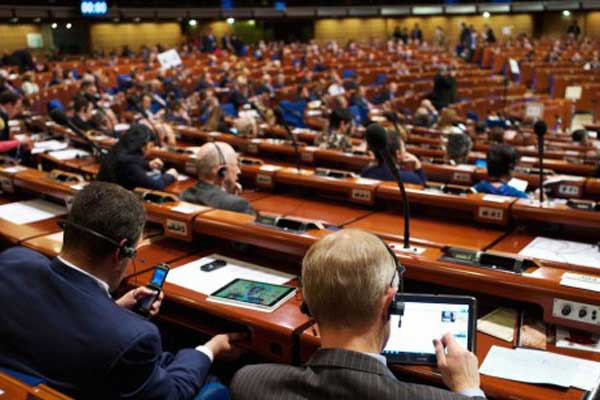
The resolution is a continuation of a consistent policy against Azerbaijan
The latest resolution should not be viewed as an isolated incident. This step is a continuation of the broader political course that has been observed toward Azerbaijan for many years.
The refusal to ratify the credentials of the Azerbaijani delegation, the repeated adoption of critical resolutions concerning the country, and the continued biased activities of the same individuals and political groups against Azerbaijan demonstrate that this policy has a systematic character.
This consistency leads to the conclusion that, within PACE, the issue of Azerbaijan has become less a subject of legal discussion and more an element of the political agenda.
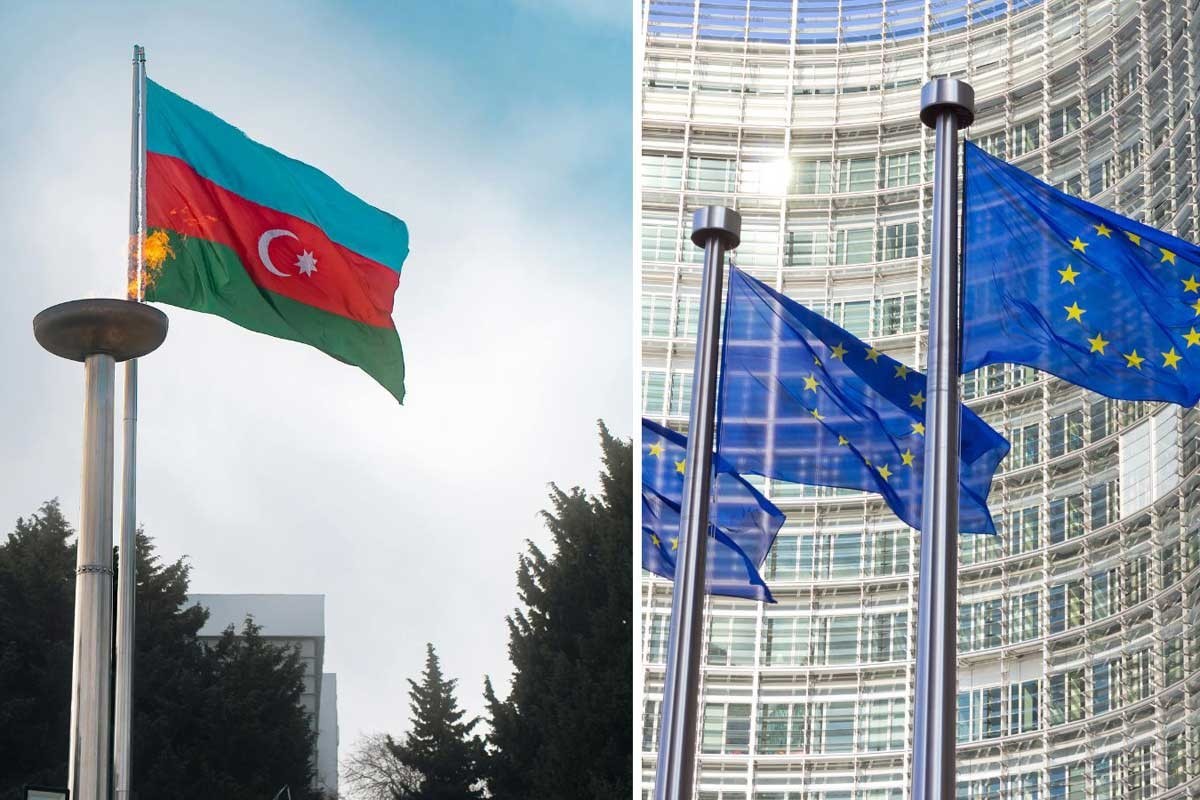
A similar tendency is also observed in the European Parliament
PACE's approach is also in line with the position of the European Parliament.
Over the past five years, numerous resolutions adopted by this European institution concerning Azerbaijan have largely been critical and biased in nature. Even though one of the European Parliament's resolutions was titled "Support for Armenia," the document contained numerous provisions directed against Azerbaijan. The inclusion of numerous anti-Azerbaijani provisions even in documents dedicated to supporting Armenia demonstrates that this tendency is not coincidental.
This picture indicates that a one-sided, biased, and openly hostile attitude toward Azerbaijan has taken shape within certain European institutions.
Dialogue would be more effective than accusations
The primary purpose of the establishment of the Council of Europe was to promote dialogue, legal cooperation, and the development of common standards among its member states.
However, in recent years, the decisions adopted by PACE have increasingly taken on an accusatory character. This contributes not to strengthening mutual trust, but rather to increasing tensions between the parties.
If the real objective is to protect human rights and promote legal reforms, the way to achieve this lies not through one-sided resolutions, but through dialogue on an equal footing. Dialogue requires listening to the other side's position, taking legal arguments into account, and applying the same standards to all member states.
PACE's latest resolution once again demonstrates that political factors outweigh legal objectivity in the organization's approach toward Azerbaijan. The one-sided preparation of the document, the approach demonstrated during the debates, the failure to take alternative views into account, the double standards, and the similar decisions adopted in recent years all reinforce this conclusion.
The credibility of international organizations can only be preserved through the application of the same legal standards to all member states and by giving priority to dialogue over political confrontation. Otherwise, the resolutions they adopt will be perceived not as objective legal assessments, but as biased political documents.


 Follow us on Telegram
 t.me/apanewsaz
 Follow us on Instagram
 Follow us on TikTok
 Follow us on Facebook
 Follow us on X