


Against the backdrop of new geopolitical realities taking shape in the South Caucasus, dialogue and cooperation between NATO and its partner countries are of particular importance. In this context, APA discussed current issues related to regional security, the peace agenda, and strategic connectivity with Alexander Vinnikov, Head of the NATO Liaison Office in Georgia.
NATO Liaison Office aims to deepen political dialogue and practical cooperation with Azerbaijan
- You have recently visited Azerbaijan. What was the purpose of your visit?
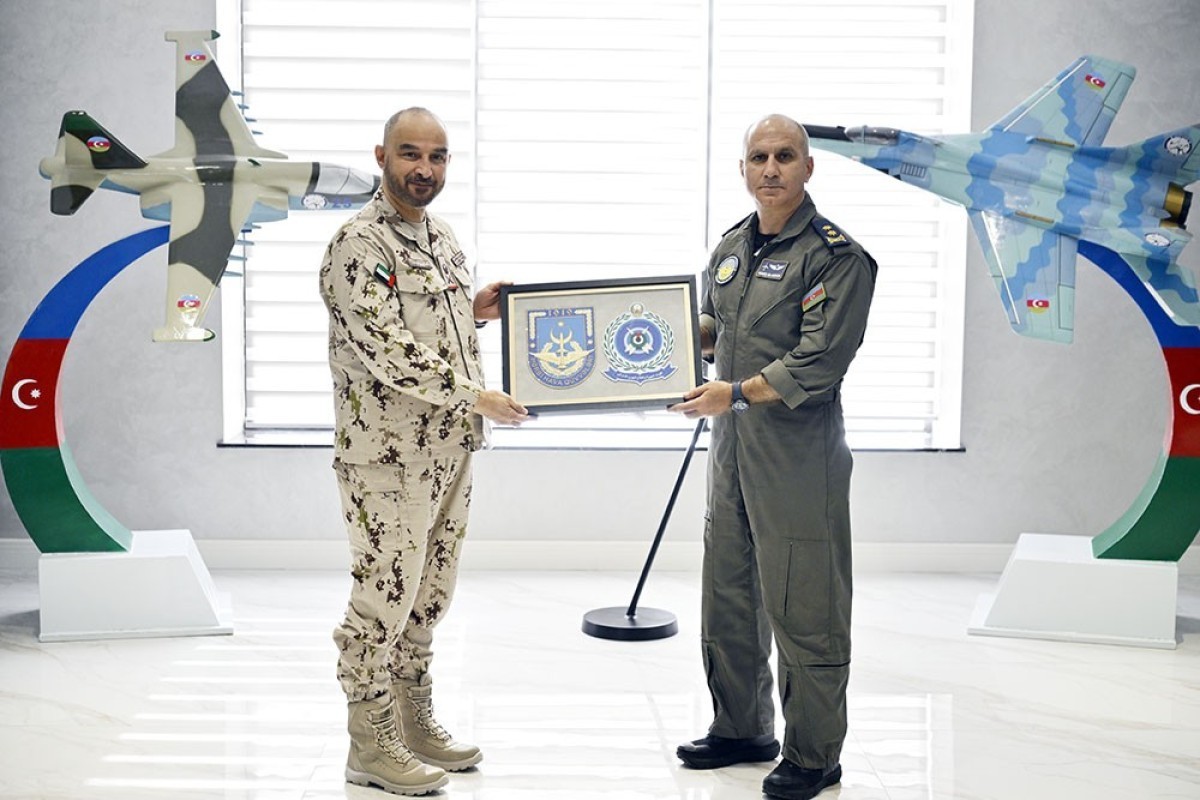
- The mission of the NATO Liaison Office in Georgia is to maintain and strengthen political dialogue and practical cooperation with partners across the South Caucasus region, including Azerbaijan. In support of this mandate, together with other members of our team, we regularly undertake visits to the region in order to sustain engagement, exchange views on current developments of shared interest, and advance cooperation with our partners. My recent visit was conducted in line with these objectives.
During my most recent visit to Baku, I also delivered a keynote speech at an international conference focused on the use of NATO’s Defence Education Enhancement Programme (DEEP) as a capacity-building instrument to support the modernisation of defence and security structures. The conference was jointly organised by the National Defence University of the Ministry of Defence of the Republic of Azerbaijan and NATO’s DEEP, and brought together representatives and experts to discuss best practices and lessons learned, and share views on opportunities for further strengthening defence education and institutional capacity.
We view the initialing of the peace agreement in Washington on August 8 as an important milestone on the path toward lasting peace
- Does NATO see a potential role for itself in supporting long-term normalization between Azerbaijan and Armenia, including through confidence-building and institutional cooperation?
- NATO has welcomed the latest developments in the normalization process and supports all constructive efforts by Azerbaijan and Armenia to normalise their relations and reach a lasting peace settlement. This is key to stability across the Black Sea region. We are not part of this process, but we have always appreciated and supported the efforts of our Allies to facilitate conflict resolution. We view the initialling a peace treaty on 8 August in Washington, as an important milestone on the way to achieving lasting peace, and unlocking connectivity across the region. This, in turn, will strengthen regional stability and security, and further strengthen the partnerships between individual countries in the region and NATO.
Azerbaijan is a committed partner of NATO.
- How does NATO assess the modernization of the Azerbaijani Armed Forces, and what additional steps could be taken to achieve a higher level of interoperability with Alliance standards?
- Azerbaijan is a committed partner and cooperates with NATO Allies and other partner countries in many areas, including security and defence reform, cyber defence, and counterterrorism.
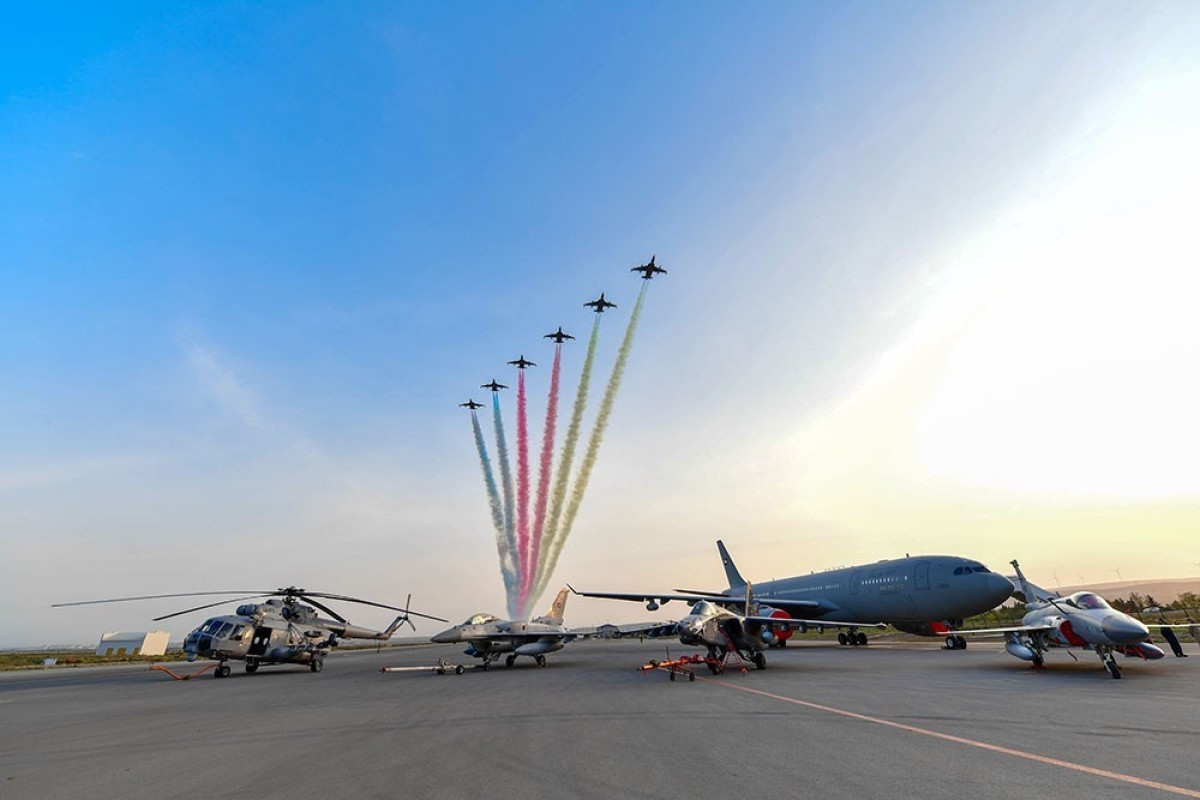
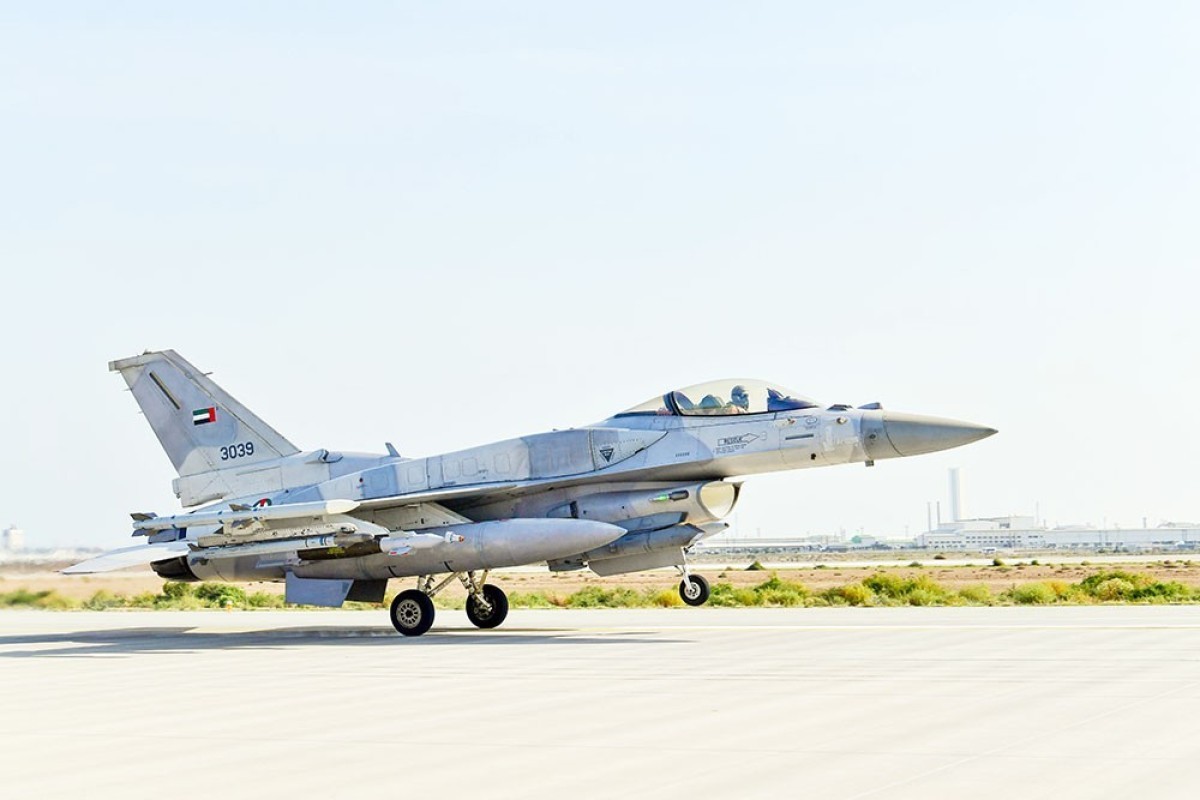
Building the capabilities and interoperability of Azerbaijan’s Armed Forces with the Alliance is a key focus area for NATO’s partnership with Azerbaijan. Azerbaijan’s participation in the NATO Partnership for Peace Programme since 1994 has allowed NATO and individual Allies to assist Azerbaijan in developing selected units to improve interoperability with Alliance. Within the programme, Azerbaijan develops units in accordance with NATO standards, organises force contributions for NATO-led peace-support operations, and prepares a range of other capabilities for potential future missions in which Azerbaijan may decide to participate.
Azerbaijan has already contributed significantly to NATO-led missions and operations in Kosovo and Afghanistan, and maintains a notable presence in NATO military structures through the Partnership Staff Posts initiative. Azerbaijan also has a long-standing interest in cooperating on de-mining as well as the protection of critical energy infrastructure, including against terrorist attacks.

The creation of a network of regional connectivity linking Azerbaijan, Armenia, and Türkiye—and more broadly connecting Central Asia with Europe—clearly demonstrates such opportunities.
- From NATO’s perspective, what is the strategic significance of the “Middle Corridor,” the so-called “Trump route,” and other regional transport projects?
- The South Caucasus undoubtedly has the potential to become a major transportation hub for the movement of people, goods, and services. Realising this potential, however, requires the development of modern infrastructure and true intermodality, enabling efficient transshipment across multiple stages, countries, and diverse geographic conditions.
The 8 August agreement in Washington and its subsequent developments, including the creation of a regional network of connections primarily linking Azerbaijan, Armenia, and Türkiye, and more broadly connecting Central Asia with Europe, clearly open up such opportunities. Nevertheless, it is essential that these initiatives, regardless of their designation, genuinely serve the interests of the countries of the region. They should enable all regional actors to fully realise their economic and transit potential, while simultaneously contributing to peace-building and long-term stability.
These principles lie at the core of TRIPP, which has the potential to unlock significant economic opportunities for the benefit of the entire South Caucasus region.
We firmly believe that cooperation with our partners in the South Caucasus makes a meaningful contribution to security and stability in our shared neighborhood and, more broadly, across the transatlantic area
- Given that both Russia and Iran consider the South Caucasus part of their strategic sphere of influence, how does NATO balance its cooperation with Azerbaijan amid these regional tensions?
- Every state has the sovereign right to determine its domestic and foreign policies freely and without outside interference.
NATO’s cooperation with all three countries of the region is based on a demand-driven principle: we engage only to the extent requested by our partners (and as decided by our Allies). We do not impose an agenda, nor do we compel cooperation by any means. Instead, we listen carefully to our partners’ requests for support and seek to respond as effectively as possible, in the spirit of partnership and cooperative security, in domains that serve the needs of our partners and in which NATO can provide added value.
We firmly believe that cooperation with our partners in the South Caucasus makes a meaningful contribution to security and stability in our shared neighbourhood and, more broadly, across the transatlantic area.
Azerbaijan among NATO’s most active partners
- Following the transition to a new phase in Azerbaijan–Armenia relations, how does NATO assess the emerging security architecture in the region, and what role does it see for Azerbaijan in maintaining regional stability?
- Azerbaijan is among NATO’s most active partners, making extensive use of the Alliance’s partnership tools and demonstrating a sustained interest in further deepening cooperation. In this context, Azerbaijan already plays an important role in the regional security environment.
Looking ahead, the full realisation of this potential would be supported by sustained efforts towards a comprehensive, durable, and mutually acceptable peace. This is why we encourage Azerbaijan and Armenia to proceed with the signature, ratification and full implementation of the peace treaty. This would enable Azerbaijan, together with other countries in the region, to focus fully on strengthening stability, connectivity, and cooperation across the South Caucasus, in line with the principles of cooperative security.
- Does NATO recognize that the decline of Russian influence creates both opportunities and risks for Azerbaijan? What could be the optimal strategic course for Azerbaijan under these circumstances?
Russia’s actions, including its use of armed aggression to pursue political objectives, pose a serious challenge to the international rules-based order. In this context, it is important for all states to assess their security environment comprehensively and to continue strengthening their resilience in response to potential risks and challenges.
NATO stands ready to support such efforts by partners, including through tailored cooperation aimed at enhancing their resilience and capacity, where requested. As with all our partnerships, such engagement is conducted on a demand-driven basis and in close consultation with our Azerbaijani partners, reflecting their priorities and sovereign decisions, as well as Allies’ interests
Any conflict in our immediate neighbourhood raises our concerns
- Is NATO concerned that escalating tensions between the West and Iran may spill over into the South Caucasus?
- Any conflict in our immediate neighbourhood raises our concerns. NATO is, and will remain, a defensive alliance. Its members are committed to safeguarding the freedom and security of all Allies, against all threats, from all directions. The very essence of NATO's existence is to prevent conflicts and mitigate the threats they pose. Therefore, we are aware that escalating tensions in our southern neighbourhood pose risks both to us and to our partners. These must be effectively addressed, by both striving to de-escalate tensions and strengthening our own resilience.


 Follow us on Telegram
 t.me/apanewsaz
 Follow us on Instagram
 Follow us on TikTok
 Follow us on Facebook
 Follow us on X