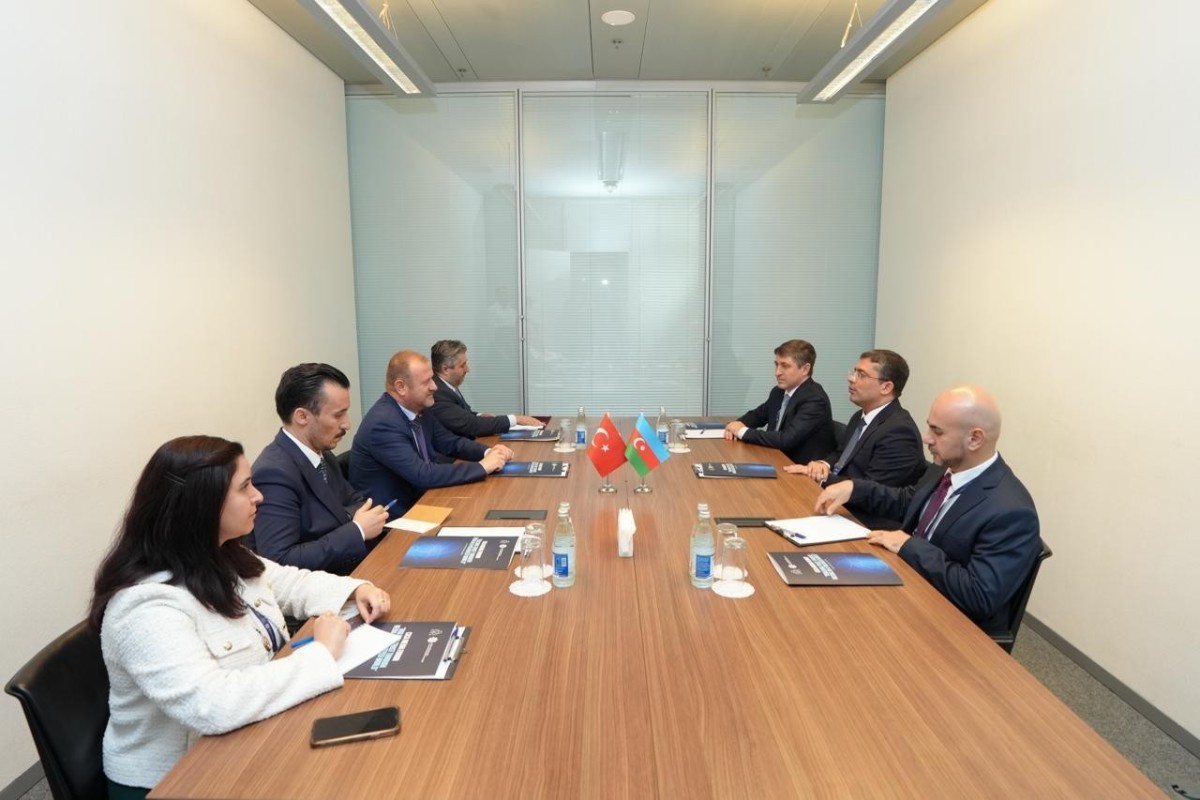
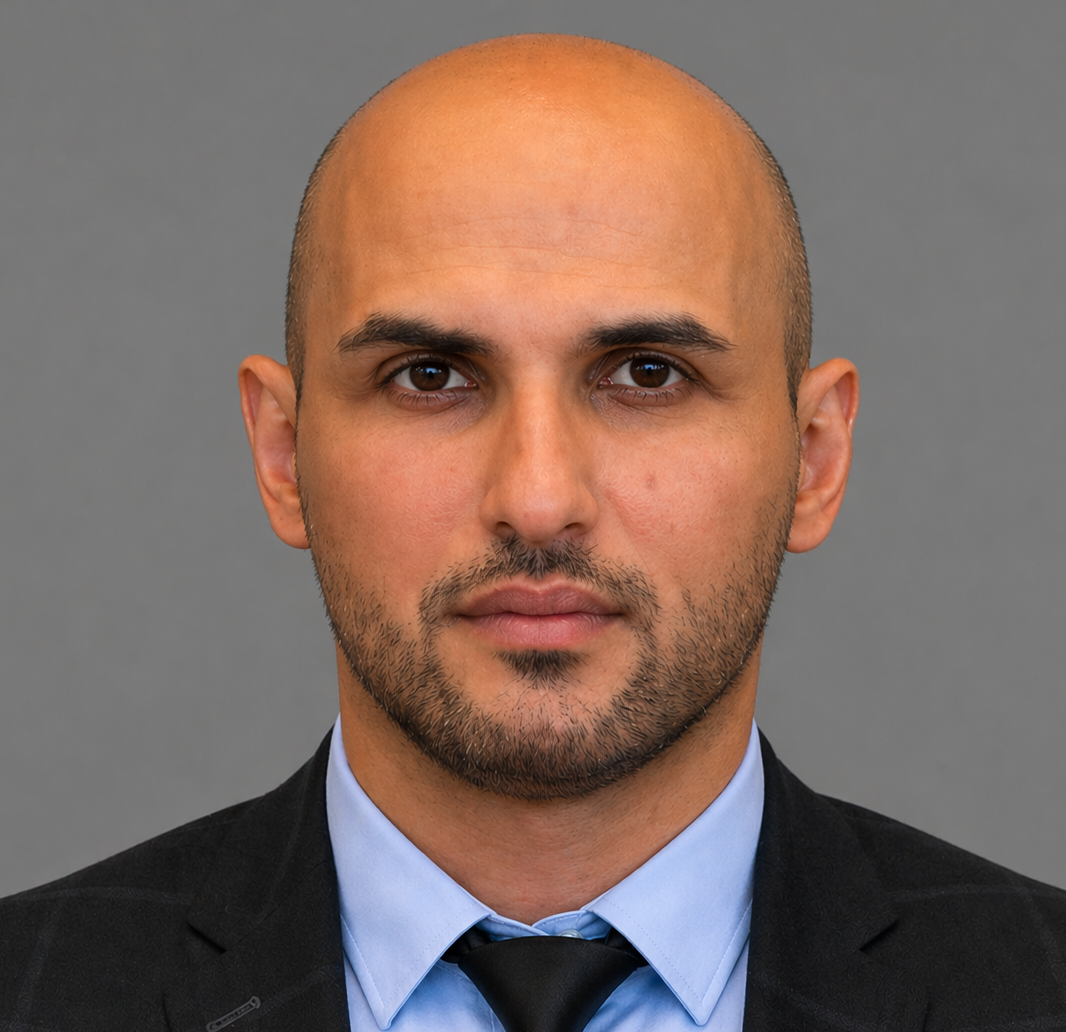
Today, the issue of information security has already become an integral part of national security, and this reality was clearly demonstrated during the Karabakh war, Javid Musayev, Head of the Communication Policy Sector of the Department for Work with Non-Governmental Organisations and Communication of the Presidential Administration of the Republic of Azerbaijan, said during his speech at the Turkic States Forum on Combating Disinformation held in Ankara under the organization of the Communications Directorate of the Presidential Administration of the Republic of Türkiye, APA's correspondent dispatched to Ankara reports.
According to him, the Azerbaijani state has clearly seen through its own experience the importance of information security and the necessity of combating disinformation. Five years ago, during the liberation of the territories that had been under occupation, Azerbaijan was subjected to major disinformation attacks.
The Presidential Administration official noted that Azerbaijan opened its doors to foreign media representatives. According to him, although some media outlets took a biased position, their representatives came to Azerbaijan and saw the reality on the ground. The Azerbaijani government, however, provided chronological and fact-biased information to foreign media representatives through daily press conferences.
Touching upon the role of the state leadership in his speech, the head of the sector stated that President of the Republic of Azerbaijan Ilham Aliyev personally gave interviews to more than 30 leading international media organizations during the 44-day Patriotic War. These interviews have covered BBC, CNN, "France 24", "Al Jazeera", "Al Arabia", TRT, ARD, "La Figaro", and other influential media platforms.
He emphasized that as a result, Azerbaijan formed an extremely effective mechanism in the information war, and in this process, the support of the Turkish media, as well as the media of the Turkic world as a whole, was of particular importance. He also noted the dedicated work of local media resources and journalists.
Stating that the main purpose of recalling these examples is to demonstrate the threats that may arise against information security during times of crisis and the ways to combat them, the sector head placed special emphasis on the importance of the Joint Media Platform established between Azerbaijan and Türkiye in 2020.
According to him, for more than five years now, significant work has been carried out within the framework of this platform, and cooperation has been steadily expanding. Javid Musayev noted that efforts are ongoing to further develop the platform and enhance its effectiveness in combating disinformation and ensuring information security.
He also stated that there are strong foundations for cooperation within the framework of the Organization of Turkic States, noting that shared history, culture, and identity give this cooperation a strategic advantage. He added that in recent years, important steps have been taken within the organization in the fields of media and information. It was noted that Azerbaijan has, for the first time in this direction, hosted the Media Forum of the Organization of Turkic States, followed by meetings of officials responsible for information and media. These events demonstrate the importance of increasing efforts to combat disinformation and strengthen information security.
The Presidential Administration official emphasized that enhancing media literacy is a key component of this process. According to him, media literacy is not limited to simply consuming information, but also includes the ability to examine sources, verify the accuracy of information, and identify attempts at manipulation.
Highlighting the importance of increasing media literacy, especially among young people, the sector head stated that the Azerbaijani state is taking consistent steps in this area through legislative initiatives, institutional reforms, and international cooperation.
In conclusion, it was noted that today Azerbaijan has become one of the important centers for international media and information events, and the Global Media Forums held in Shusha are a clear example of this process.


 Follow us on Telegram
 t.me/apanewsaz
 Follow us on Instagram
 Follow us on TikTok
 Follow us on Facebook
 Follow us on X