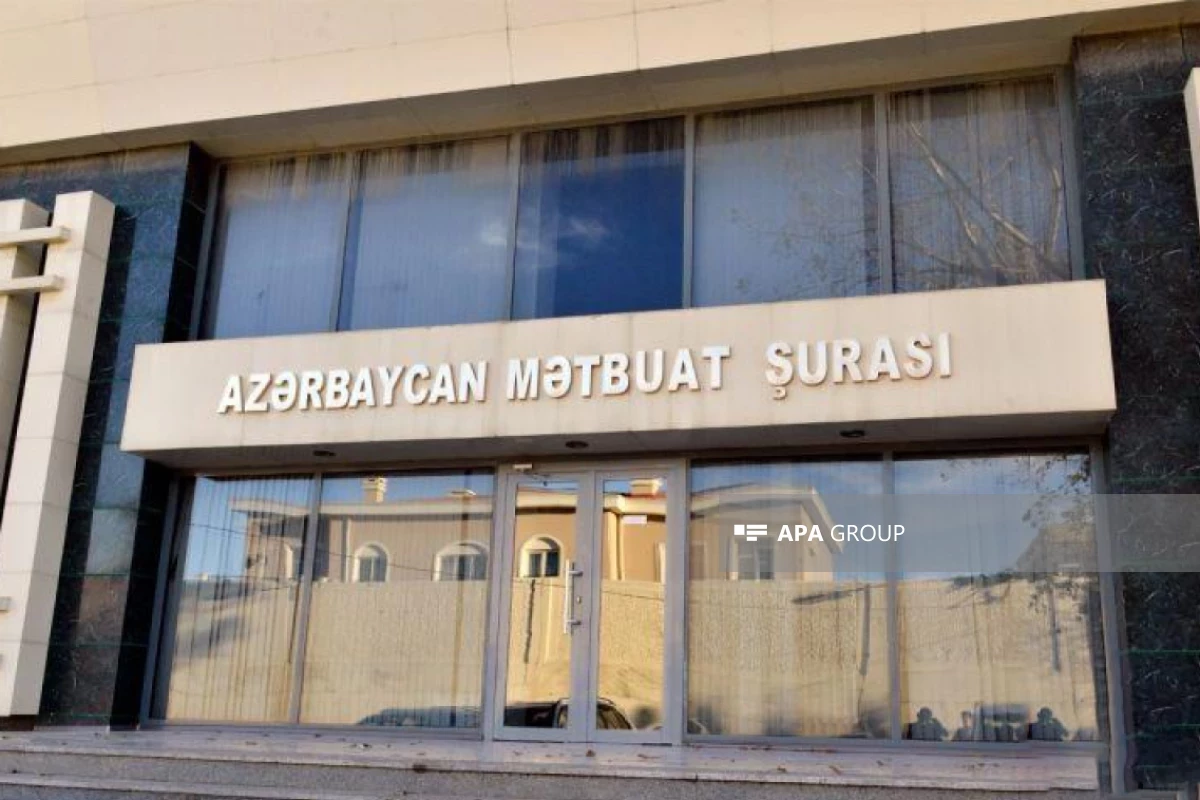
APA Media Group Director General Vusala Mahirgizi wrote an article for Türkiye's Anadolu Agency on the 150th anniversary of the Azerbaijani press.
APA presents the article.
In the early 19th century, wealthy and influential Azerbaijanis began to provide their children with a Western education. By the middle of the century, a number of Azerbaijani intellectuals educated in Europe had already emerged. These intellectuals wanted to work for the enlightenment of the people. However, the circumstances were difficult. It was not easy to spread the ideas of enlightenment among the local population under the repressive regime of Tsarist Russia.
Towards the end of the 19th century, the small steps taken by Tsarist Russia to create an image of reform were turned into an opportunity by Azerbaijani intellectuals. They opened local schools, founded societies, wrote new works, laid the foundation for a theater, and launched a cultural and educational movement.
During this period, one of Azerbaijan’s greatest intellectuals, Hasan bey Zardabi, published the first newspaper. The newspaper Akinchi (“The Cultivator”), whose first issue was released on July 22, 1875, laid the foundation of the press in Azerbaijan. Hasan bey’s work was not limited to publishing a newspaper. It marked the beginning of a new era in Azerbaijan’s social, political, and cultural life.
Akinchi was the first step toward the mass enlightenment of the people. Although Hasan bey indicated the purpose of publishing the newspaper as teaching new agricultural methods to the peasants, Akinchi became one of the foundational pillars of intellectual thought in Azerbaijan. Teachers, intellectuals, and everyone who had the opportunity to read benefited from this newspaper. Akinchi enlightened, illuminated, changed, guided, and pioneered. After a while, publications such as "Ziya", "Ziyayi-Qafqaziyya", "Kashkul", and "Füyuzat" followed in its footsteps.
Then the "Molla Nasreddin" period began for the Azerbaijani press. The light spread by intellectuals on this path led Azerbaijan to a very short but meaningful history - the idea of the Republic, and this idea was realized.
The atmosphere of freedom during the Republic created conditions for various political poles to create their own newspapers. The official publication of the Azerbaijan Democratic Republic, the "Azerbaijan" newspaper, was published. The great intellectual Jeyhun Hajibeyli was the first editor-in-chief of this newspaper.
In the conditions of freedom created by the first republic of the East, publications reflecting various political views began to be published, such as the newspapers "Istiglal", "Yeni Hayat", "Gurtulush", and the magazines "Molla Nasreddin", "Shalala", "Zanbur", and "Mektab ve Hayat" (School and Life).
However, the life of the first Republic was short-lived.
The arrival of the Soviets and the return of the censorship era
The establishment of the Soviet regime and the beginning of a new censorship era almost paralyzed the social, political life and the press of Azerbaijan. Many people who could think, speak, and do something for the people were either killed, arrested, or sent into exile.
Nevertheless, the press continued to exist in Azerbaijani Turkish under severe censorship. The "Azerbaijan" newspaper, which is the heritage of the republic, became the "Communist" newspaper. During this period, newspapers such as "Sovet Kendi" (Soviet Village), "Azerbaijan Gencleri" (Azerbaijani Youth), "Baku", "Edabiyyat" (Literature), magazines such as "Ulduz" (Star), "Elm ve Hayat" (Science and Life), "Azerbaijan", "Pioner" were published.
Of course, all of these publications were ideological propaganda tools of the Soviets. Very strict censorship was applied. Also, in order to spread the Russian language in Azerbaijan, Russian-language newspapers such as "Bakinski Rabochiy", "Vyshka", "Izvestia Azerbaijan" were published.
However, despite all these difficulties, the press and literature published in Azerbaijani Turkish maintained their existence. Thanks to this, the literary language was preserved, the generation of journalists continued, and traditions were kept alive.
One of the interesting phenomena caused by censorship was that blank white spaces were left in newspapers where words or sentences had been removed by the censor. Those white gaps became a symbol of Azerbaijani press during the Soviet era.
Freedom again: censorship is over
The political processes that began in Azerbaijan with the collapse of the Soviet Union led to the elimination of state control over the press. The newspaper "Azerbaijan" was given its historical name back. Publications such as "Meydan" (Square), "Cumhuriyet" (Republic), "Sahar" (Morning), "Yeni Musavat", "525-ci qazet" (525th newspaper), "Sharq" (East), and "Ayna-Zerkalo" began operating.
In addition to the state information agency, private agencies and television channels were created. In 1998, the National Leader of Azerbaijan, Heydar Aliyev, signed a historic decree that gave life to the press. With this decree, the Azerbaijani press was freed from censorship. This created conditions for further freedom of the press, the development of critical journalism, and the formation of an advertising market for the media. The Ministry of Press and Information was abolished in Azerbaijan, and journalists held a congress and established the Press Council, a self-governing body.
Last 5 years: New stage
In the past five years, Azerbaijani media has entered a new stage of development. Our media is now progressing in a more conceptual and strategic direction. The victory in Karabakh brought us to a broader media arena. While weapons fell silent on the battlefield and the war ended with victory, the struggle on the information front still continues.
During this period, the number of media organizations attacking Azerbaijan and presenting events one-sidedly has not decreased at all. Despite the fact that we have given all sides the right to speak in the world, especially in the wars around us, many refused to acknowledge our reality for years. News related to Azerbaijan often cited media centers in third countries. However, over the past five years, we have changed this reality.
Now, those who want to prepare news about Azerbaijan first follow Azerbaijani media. These channels take our media as their primary reference point. The greatest good news we can give to our people and friends in the 150-year journey of Azerbaijani media is this: We have never handed over the information space of our country to global media companies or foreign media representations. In this regard, our people have always received and continue to receive news from local sources.
Azerbaijani media is digitizing and successfully carrying out the transformation process. For example, 80 media organizations representing 52 countries and representatives of 7 international organizations participated in the recently held III Shusha Global Media Forum. This event has already become a globally recognized media discussion platform. Azerbaijani media is celebrating its 150th anniversary in Shusha and Khankendi as a media that has achieved victory and shares the news of its desired victory. World leaders are quoting President Ilham Aliyev’s speeches by referencing Azerbaijani media.
President Aliyev assessed the activities of Azerbaijani media at the III Shusha Global Media Forum, which was also followed with interest by the world media, as follows: "The Azerbaijani media today are capable of protecting state interests.They have also achieved great success in exposing unfounded accusations against Azerbaijan with arguments, serious analysis and facts.Our media not only defend state interests but also go on the offensive when necessary. And this is also necessary. In sports, they sometimes say that offense is the best defense.
The fact is that today, Azerbaijani media are read at various levels in many countries, the articles and writings published in the media are analyzed. Assumptions are also made about the extent to which those articles correspond to the official position of Azerbaijan. This gives grounds to say that our media have truly come a long way. I can say that our media are now capable of responding to any unpleasant and slanderous campaigns, and this is a very important new reality."
Türkiye–Azerbaijan Media Brotherhood
The Patriotic War further strengthened the ties between the media organizations of Türkiye and Azerbaijan. Just like the state and people of brotherly Türkiye stood by us, their media did not leave us alone either. Turkish journalists were with us at the front lines during the war days.
I clearly remember: Azerbaijani journalists in Tartar were under attack, and the live broadcast vehicle of Azerbaijan State Television was hit. Staff from Azertac, APA, and “Report” were also there. Alongside us were correspondents from Anadolu Agency and TRT.
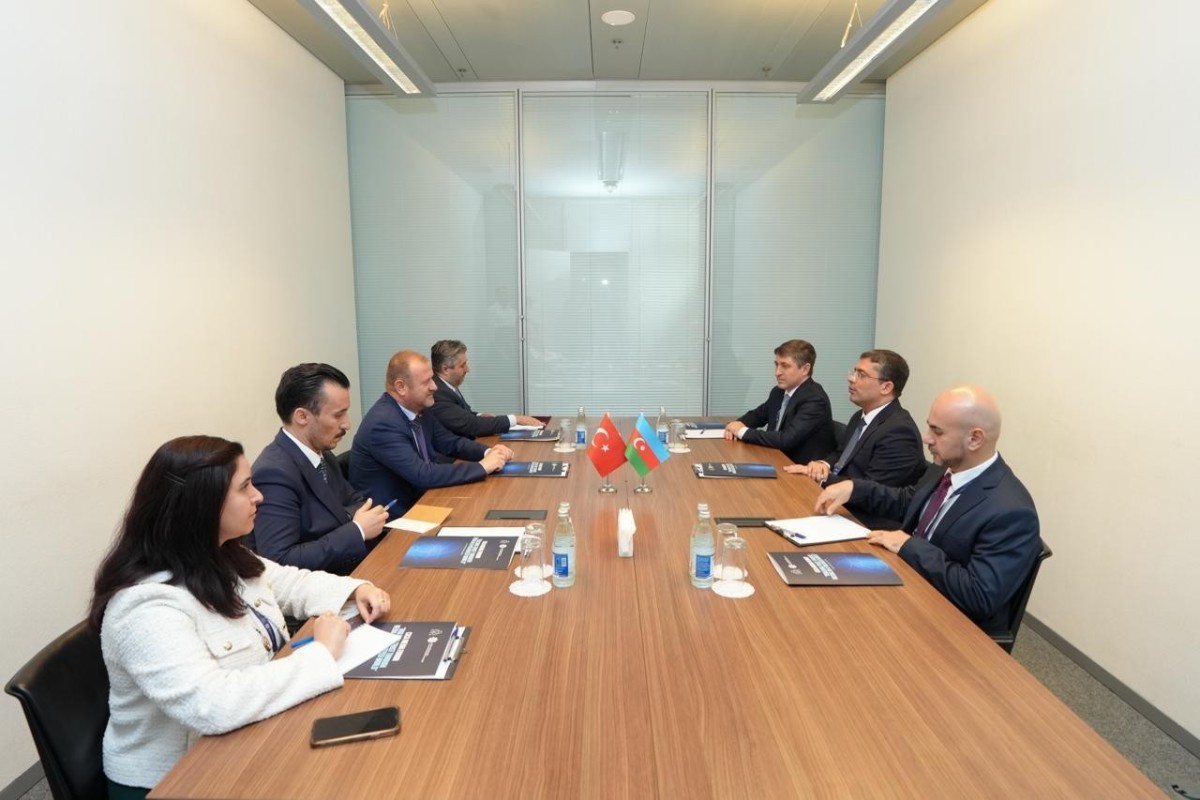
After our Victory, the Shusha Declaration signed by Ilham Aliyev and Recep Tayyip Erdoğan became a new political symbol of our brotherhood. In 2022, based on this foundation, the Türkiye–Azerbaijan Joint Media Platform was established. This laid the groundwork for our joint work.
During the major earthquake in Türkiye, Azerbaijan sent aid planes and rescue teams without even asking any Turkish official. Azerbaijani journalists were also on those planes. We were together again, preparing news together, sharing both our grief and the joy of every life saved.
Later, at an event I attended in Ankara, an intellectual described those days as follows:
“During the century’s disaster, aid and rescue teams came to Türkiye from all over the world. Everyone supported. But poems, writings, and works about this disaster were created only in Turkic states.”
These words were meaningful. We can feel each other’s spirit. When this emotional and meaningful bond combines with professionalism, great power emerges. Thanks to this power, we prevent foreign interference in our information space, build networks, and protect our news field from external influences and bad intentions.
When the influence of the Turkish media in the world, especially in Turkic-speaking countries, the Arab region, and Africa, combines with Azerbaijan’s media influence in the former Soviet space and Eastern Europe, a huge geographical information advantage can be created. This is important not only from a professional media perspective but also from the standpoint of the information security of our states.
For this reason, expanding the news network of the countries belonging to the Organization of Turkic States (OTS), especially creating a network of news agencies and a joint news database, should be one of the main future goals.
The article on Anadolu Agency:


 Follow us on Telegram
 t.me/apanewsaz
 Follow us on Instagram
 Follow us on TikTok
 Follow us on Facebook
 Follow us on X