










Washington. Isabel Levine – APA. APA Washington DC correspondent’s interview with Alex Jackson, an independent analyst on security, political and economic issues in the Caspian region
- How would you characterize the US-Azerbaijan relations after Ambassador Matthew Bryza had to return to Washington DC?
- Matthew Bryza’s return to Washington will undoubtedly have a negative effect on the relationship between Azerbaijan and the US. The lack of an ambassador in Baku was already a point of tensions. Azerbaijan felt offended by the lack of attention being paid to it. Although official Baku understands that Bryza’s recall was an issue of domestic politics and not a strategic decision by the White House, another period without an ambassador will not be positive for the strategic partnership.
- Because of the Armenian Diaspora’s criticism, Pres. Obama’s nominee to US Ambassador post in Azerbaijan faces with a hold in the Congress. How do you see the influence of the Armenian Diaspora factor in this election year? Can the Administration overcome controversial topics such as "Armenian genocide", Ambassadors’ appointments to Baku and Yerevan, etc?
- In an election year, neither Congress nor the White House has much appetite for foreign-policy moves which may cost them political capital without gaining anything in return. Electoral politics becomes more important than foreign policy. So although the Administration may wish to send Bryza to Baku, or to block votes on the Armenian genocide issue in Congress, electoral politics are an important factor.
The Democrats do not wish to alienate the Armenian-American lobby, which is influential in key electoral battlegrounds like California. So we can expect the US government to be very cautious on these sensitive issues in 2012, not making any bold moves or initiatives.
- Can we say that the year 2011 was unsuccessful in terms of Nagorno-Karabakh negotiations? How do you see the US position regarding that in 2012?
- 2011 was very unsuccessful in Karabakh negotiations; it marked the end of a relatively positive period which began immediately after the Russia-Georgia war of 2008. The last meeting, in Kazan in June, produced no results whatsoever, and the OSCE Minsk Group became extremely frustrated with the lack of progress.
The US position in 2012 will remain limited. Partly this is for domestic political reasons, as stated above, and partly this is because the US is content for Russia to take the lead on Karabakh negotiations.
- What are the main differences between the Russian and Western approaches towards Azerbaijan and South Caucasus security problems? On which part of the dividing line does Azerbaijan need to stay to ensure its security and development?
- Russia has been more balanced in its approach to South Caucasus security issues recently: it seems to have a real interest in developing a peaceful settlement. However with Vladimir Putin returning to power soon, this may change, as he takes a more aggressive and calculating approach. Ultimately, Russia’s policy is about realpolitik; Western policy is about negotiation and compromise.
In particular, Western policy is shaped by Azerbaijan’s energy potential. This is important for Russia but it sees Azerbaijan more as a post-Soviet state and part of the key regional security architecture, not just a source of oil and gas.
Azerbaijan should – and does – balance between Russia and the West quite successfully. Russia is more important in security terms, whilst the West is a more attractive partner for economic development.
- What about the EU? How does the current economical crisis in Europe reflect on European integration process? May the crises cause a delay of the process?
- The financial crisis in Europe will almost certainly delay or stop the European integration processes. There is no political appetite in Europe for inviting in new and potentially difficult members. In addition, the states themselves have less interest in a Eurozone which is full of debt and political problems. Turkey is already less enthusiastic about joining, for instance, so why should countries of the Caucasus have much interest?
- Do you believe in prospective of energy cooperation between Azerbaijan and EU despite of Russia and Iran’s protests against some projects in the Caspian basin?
- The only project to which Russia and Iran truly object is the Trans-Caspian Pipeline. Azerbaijan has been cautious on this and there are no indications yet whether or not it will ever be built. Aside from this, Russia and Iran have accepted the EU’s role in energy cooperation with Azerbaijan and are unlikely to object.
- How serious is the threat against Iran at the moment? What consequences and threats may Azerbaijan expect as one of Iran’s northern neighbors from further developments?
- The threat against Iran is more serious than it has been for some time. Azerbaijan is very concerned about this; it has been pressured by the West to allow its territory to be used as a base against Iran and has denied this. Azerbaijan does not want a nuclear-armed Iran, but its immediate concern is to avoid an increase in hostilities with Tehran.
The actual effects on Azerbaijan of an Israeli/US attack would be limited, but if Baku was seen as cooperating with the US and Israel, Iran (and Russia) would become much more hostile towards Baku.
US analyst: “Azerbaijan does not want a nuclear-armed Iran, but its immediate concern is to avoid an increase in hostilities with Tehranâ€

 23 January 2012 11:49 (UTC +04:00)


 İDMAN XƏBƏR
 Follow us on Telegram
 t.me/apanewsaz
 Follow us on Instagram
 Follow us on TikTok
 Follow us on Facebook
 Follow us on X
Foreign
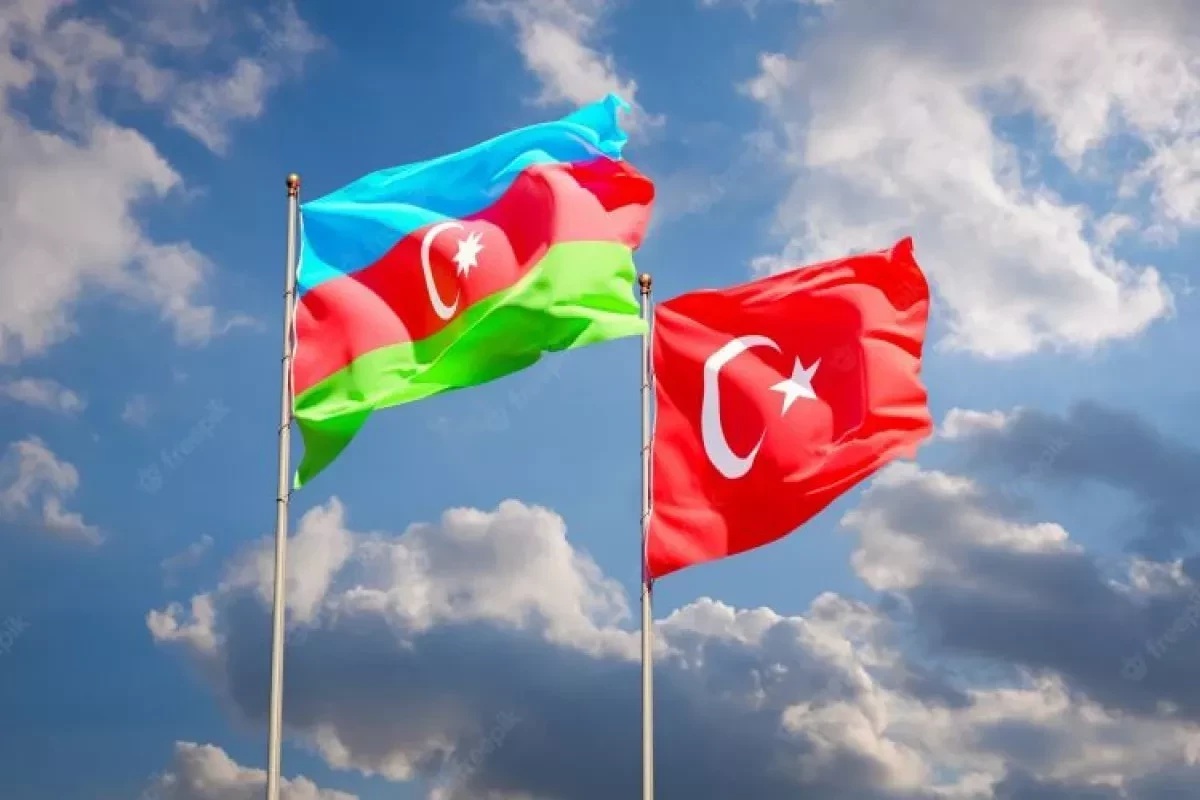
Azerbaijan's Foreign Ministry congratulates Türkiye on July 15 Democracy and National Unity Day
09:21
 15 July 2026
MFA: 11 of crew members of Turkish merchant ship attacked by drones in Odessa are Azerbaijani citizens, the captain is missing
00:03
15 July 2026
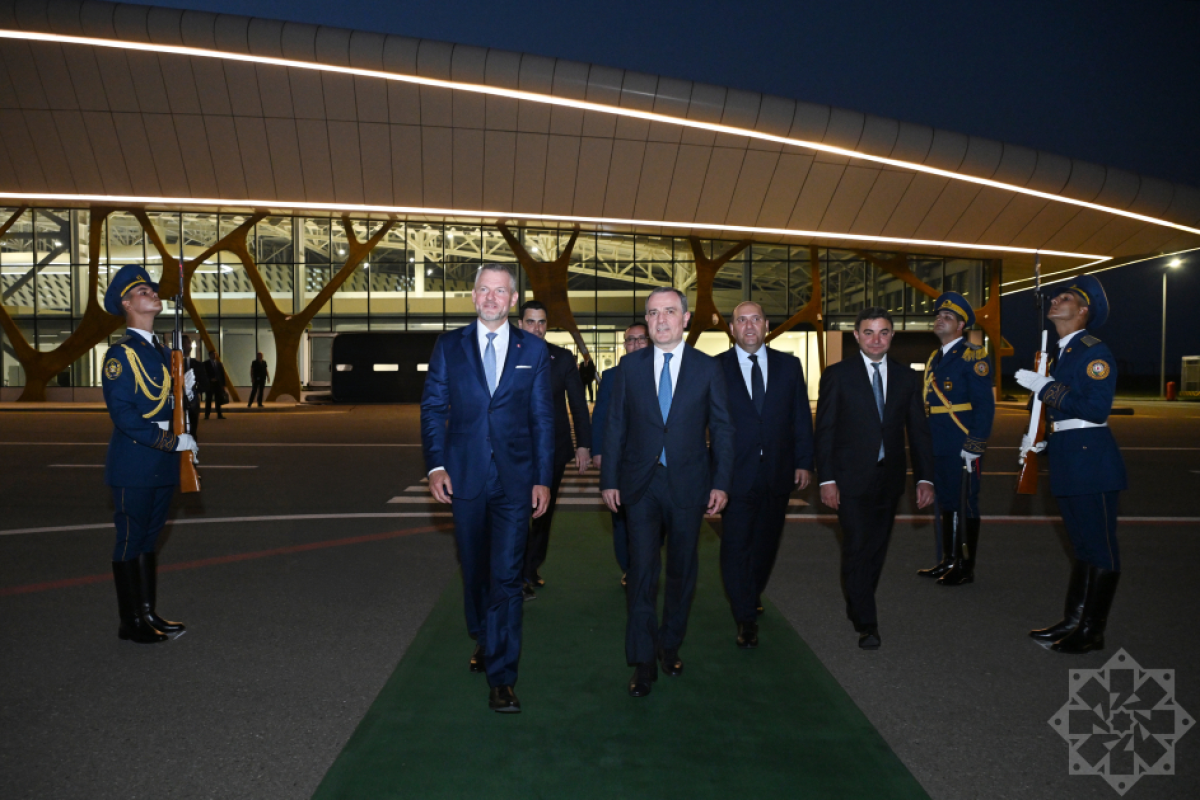
Slovak President departs Fuzuli Airport for Baku-PHOTO
21:56
14 July 2026
 UPDATED'>
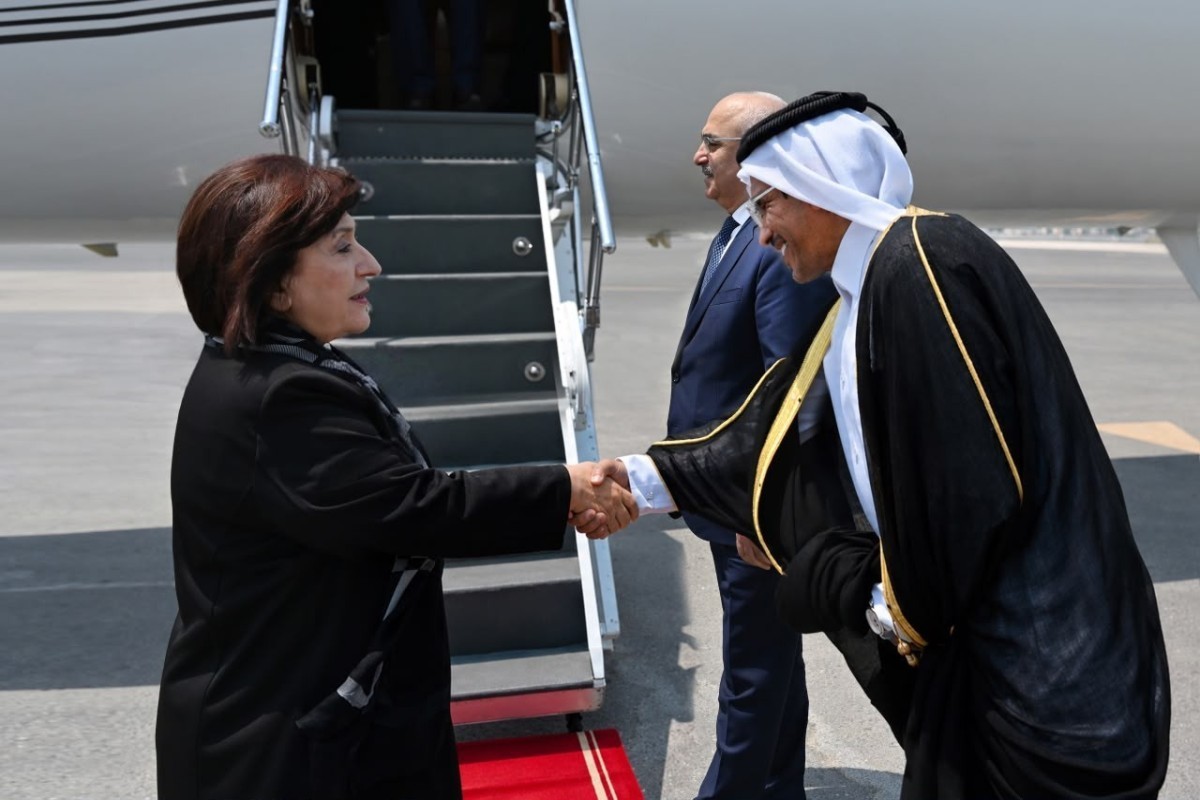
Speaker Sahiba Gafarova visits Qatar to offer condolences over former Emir's passing - UPDATED
16:55
14 July 2026

NEWS FEED
World Cup 2026: Spain’s opponent in the final to be determined
10:31
15 July 2026
Baku is now recognized as one of the leading centers of global energy dialogue, says minister
10:28
15 July 2026
UK agrees to extradite internationally wanted suspect to Azerbaijan
10:20
15 July 2026
Three killed in Russian missile strike on Ukraine's Odesa
10:06
15 July 2026
Baku hosts first meeting of OPEC+ Charter of Cooperation Technical Committee
10:04
15 July 2026
Azeri Light crude price climbs to $86.51 per barrel
09:46
15 July 2026
Brent crude rises above $85 per barrel, WTI also gains
09:30
15 July 2026
Azerbaijan's Foreign Ministry congratulates Türkiye on July 15 Democracy and National Unity Day
09:21
15 July 2026
Two earthquakes measuring 6.0 and 5.7 strike near Russia's Kamchatka Peninsula
09:12
15 July 2026
IRGC announces strikes on US bases in Bahrain, Kuwait and Jordan
08:59
15 July 2026
CENTCOM: New wave of US strikes on Iran has ended
08:41
15 July 2026
Iran reports US strikes on sites in Hormozgan province
02:10
15 July 2026
Trump: Iraq should decide for itself whether to leave OPEC
01:52
15 July 2026
US Senate rejected the $1.15 trillion military spending bill
01:40
15 July 2026
Trump speaks contradictorily about chances of passing bill on sanctions against Russia
01:21
15 July 2026
Mason Greenwood joins Fenerbahce in club-record €39m deal from Marseille
01:05
15 July 2026
Spain defeats France 2-0, moves into 2026 FIFA World Cup Final
01:00
15 July 2026
US naval blockade of Iranian ports goes into effect
00:45
15 July 2026
US military launches additional strikes ahead of commencing blockade
00:18
15 July 2026
MFA: 11 of crew members of Turkish merchant ship attacked by drones in Odessa are Azerbaijani citizens, the captain is missing
00:03
15 July 2026
Trump asks Netanyahu to exit Syria, Lebanon
23:55
14 July 2026
Slovak President departs Fuzuli Airport for Baku-PHOTO
21:56
14 July 2026
Gulf states oppose Hormuz shipping tax - Trump
21:40
14 July 2026
Trump: US troop presence in Iraq no longer needed
21:19
14 July 2026
US President: Hormuz fee to be replaced with trade deals
20:56
14 July 2026
Official luncheon hosted in Khankendi on behalf of President Ilham Aliyev in honor of Slovak President
20:43
14 July 2026
President Ilham Aliyev’s social media accounts shared post about Peter Pellegrini's visit to Azerbaijan
20:29
14 July 2026
Kuwaiti army: Enemy aerial targets are being neutralized
19:45
14 July 2026
Trump: US to impose full blockade on Iran-linked ships
19:21
14 July 2026
Trump abandons plan to charge 20% fee on ships passing through Strait of Hormuz
19:14
14 July 2026
180 Iranian lawmakers call for end to MoU with the US: state media
18:51
14 July 2026
Interpol-wanted Azerbaijani citizen detained in Montenegro, to be extradited
18:43
14 July 2026
Appeal hearing on complaints filed by Armenian citizens continues
18:33
14 July 2026
Netanyahu to Iran’s leaders: We will respond to any attacks on Israel with ‘far more power’
18:04
14 July 2026
Istanbul court issues int’l warrant for Netanyahu over Gaza flotilla
17:53
14 July 2026
Azerbaijan extradites internationally wanted Turkmen citizen
17:46
14 July 2026
Russia says it struck two Ukrainian bulk carriers and a tanker near Odesa
17:46
14 July 2026
'Revenge is inevitable' — Ukraine sinks Russian border guard ship involved in 2018 Kerch Strait attack
17:34
14 July 2026
Slovakia seeks long-term gas supply agreement with Azerbaijan
17:23
14 July 2026
Several dead in fire at Brussels construction site, authorities say
17:09
14 July 2026
Speaker Sahiba Gafarova visits Qatar to offer condolences over former Emir's passing - UPDATED
16:55
14 July 2026
Ukraine's parliament dismisses prime minister, paving way for government reshuffle
16:26
14 July 2026
Presidents of Azerbaijan and Slovakia delivered press statements - PHOTO - VIDEO - UPDATED-1
15:49
14 July 2026
Georgia plans to deport at least 4,000 illegal migrants this year
15:44
14 July 2026
Kyrgyzstan temporarily bans exports of petroleum products
15:25
14 July 2026
Explosions rock Iran, fatalities reported - UPDATED - 1
15:14
14 July 2026
Lavrov: Russia expects Türkiye to send strong signal to Ukraine over attacks on Turkish vessels
15:12
14 July 2026
European Commission President to visit Kyiv on Tuesday
14:48
14 July 2026
Shusha Global Media Forum in PHOTOS
14:47
14 July 2026
Peskov: Security guarantees for Ukraine cannot be formulated without Russia
14:40
14 July 2026


