










Washington. Isabel Levine – APA. The US analysts on European energy issues discuss the recently signed memorandum of understanding between Turkey and Azerbaijan that will facilitate the transit of Azerbaijani natural gas to Europe, changing the calculations over the EU-backed Southern Corridor concept, APA US correspondent reports.
Vladimir Socor, Senior Fellow at the Jamestown Foundation, considers that if implemented, the trans-Anatolia pipeline which would mainly carry Azerbaijani gas starting with the second phase of production at the Shah Deniz field, would replace the Nabucco project on Turkey’s territory; but it would still require the continuation line along Nabucco’s original route to central Europe.
“Beyond the trans-Anatolia pipeline, Azerbaijan expects to add significant gas volumes from other fields for export to Europeâ€, he notes. “However, Baku and Ankara consider a reconfigured and drastically shortened Nabucco, from Bulgaria via Romania and Hungary to Austria, as an option for carrying Azerbaijani gas into Europeâ€.
The analyst underlines that from Azerbaijan’s perspective, the advantages of the trans-Anatolian pipeline project are self-evident. “It would enable Azerbaijan, for the first time, to sell its own gas through its own pipeline, at Turkey’s western border with the EU, directly to European customersâ€.
“Baku describes this project as a “direct road from Azerbaijan to Europe†and “Azerbaijan’s road into the future.†Indeed it would expand and prolong the country’s international significance as a hydrocarbon exporter, hitherto based on oil. Azerbaijan considers President Aliyev’s decision on gas exports to Europe as no less important than his father’s, the late President Heydar Aliyev’s, decision on oil exports, in terms of Azerbaijan’s strategic orientation and national developmentâ€, he mentioned.
Sabah Kardas, another Jamestown analyst, believes that latest developments regarding the trans-Anatolian raise many interrelated issues about the future of bilateral relations, as well as the EU’s Southern Corridor project seeking to diversify European natural gas supplies tapping into Caspian basin reserves.
“With this decision, Turkey and Azerbaijan took another step to cement their evolving strategic partnership, while Ankara also reconfirmed its Baku-centered South Caucasus policyâ€, he notes.
Mr. Kardas points out that, while Azerbaijan is eager to capitalize on its developing hydrocarbon reserves to emerge as a major regional actor in the South Caucasus, Turkey has sought to use its geographic location as an asset to establish itself as a major transportation corridor for oil and gas from the Caspian basin and Central Asia as well as the Middle East.
Dr. Robert Cutler, Senior Research Fellow at the Institute of European, Russian and Eurasian Studies of Carleton University, also believes that Anatolia gas pipeline races towards reality.
“Competition in the Southern Gas Corridor from the Caspian Sea basin to Europe continues to heat up, with more details about the Trans-Anatolian gas pipeline emerging and Russia’s PM Vladimir Putin bringing forward construction of the South Stream pipeline under the Black Seaâ€, he noted in his latest research, citing Russia’s order construction of the Russian-Turkey-Europe South Stream pipeline to start by the end of 2012 instead of in 2013 as previously planned, despite having no identified sources for gas and no commitments for purchases.
Analyst: “Trans-Anatolian pipeline project would enable Azerbaijan, for the first time, to sell its own gas through its own pipeline, directly to European customersâ€

 05 January 2012 09:32 (UTC +04:00)


 İDMAN XƏBƏR
 Follow us on Telegram
 t.me/apanewsaz
 Follow us on Instagram
 Follow us on TikTok
 Follow us on Facebook
 Follow us on X
Foreign
MFA: 11 of crew members of Turkish merchant ship attacked by drones in Odessa are Azerbaijani citizens, the captain is missing
00:03
 15 July 2026
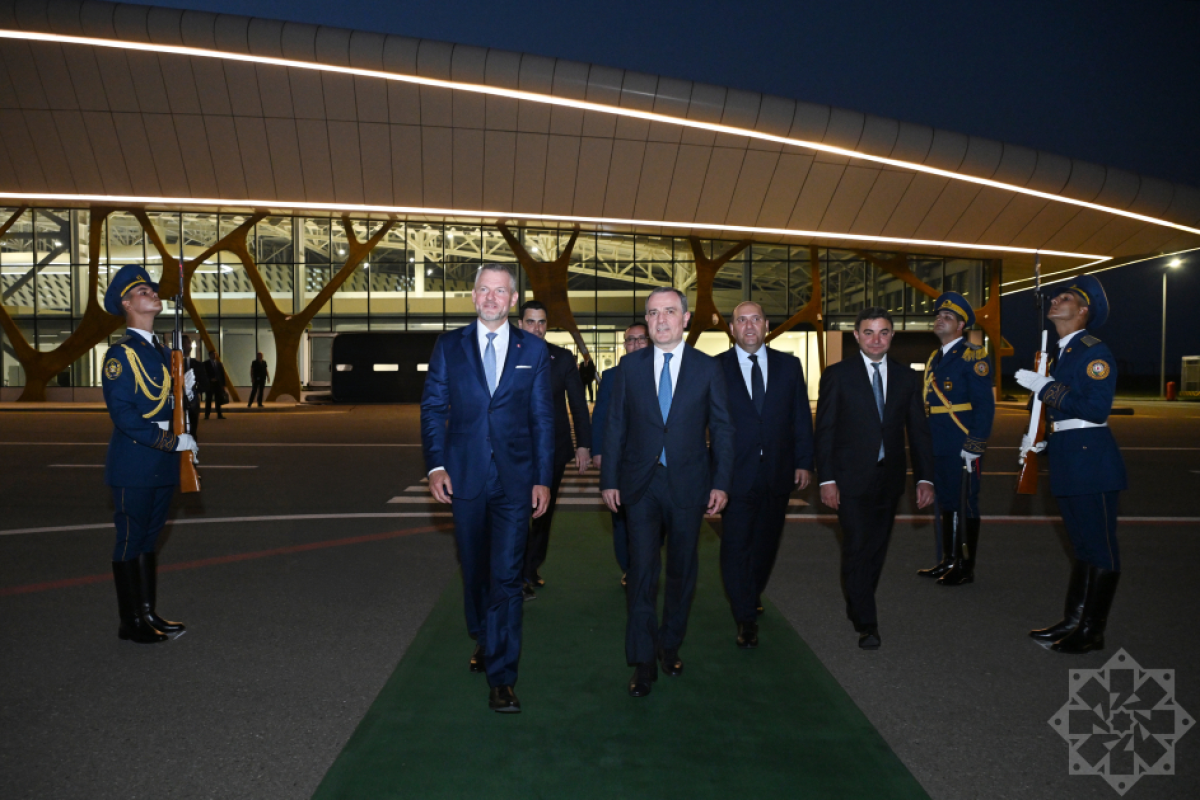
Slovak President departs Fuzuli Airport for Baku-PHOTO
21:56
14 July 2026
 UPDATED'>
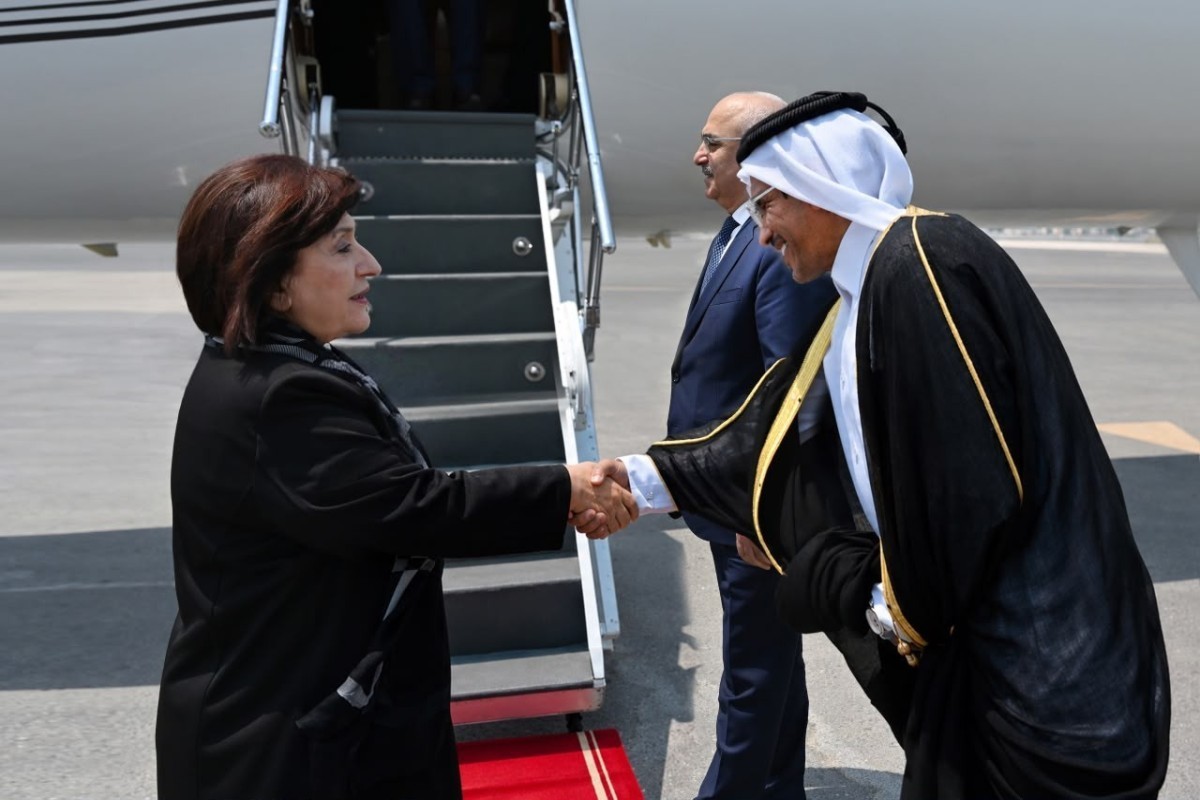
Speaker Sahiba Gafarova visits Qatar to offer condolences over former Emir's passing - UPDATED
16:55
14 July 2026

CICA deputy secretary general: October summit in Baku will mark a new stage in the organization's development
12:07
14 July 2026

NEWS FEED
IRGC announces strikes on US bases in Bahrain, Kuwait and Jordan
08:59
15 July 2026
CENTCOM: New wave of US strikes on Iran has ended
08:41
15 July 2026
Iran reports US strikes on sites in Hormozgan province
02:10
15 July 2026
Trump: Iraq should decide for itself whether to leave OPEC
01:52
15 July 2026
US Senate rejected the $1.15 trillion military spending bill
01:40
15 July 2026
Trump speaks contradictorily about chances of passing bill on sanctions against Russia
01:21
15 July 2026
Mason Greenwood joins Fenerbahce in club-record €39m deal from Marseille
01:05
15 July 2026
Spain defeats France 2-0, moves into 2026 FIFA World Cup Final
01:00
15 July 2026
US naval blockade of Iranian ports goes into effect
00:45
15 July 2026
US military launches additional strikes ahead of commencing blockade
00:18
15 July 2026
MFA: 11 of crew members of Turkish merchant ship attacked by drones in Odessa are Azerbaijani citizens, the captain is missing
00:03
15 July 2026
Trump asks Netanyahu to exit Syria, Lebanon
23:55
14 July 2026
Slovak President departs Fuzuli Airport for Baku-PHOTO
21:56
14 July 2026
Gulf states oppose Hormuz shipping tax - Trump
21:40
14 July 2026
Trump: US troop presence in Iraq no longer needed
21:19
14 July 2026
US President: Hormuz fee to be replaced with trade deals
20:56
14 July 2026
Official luncheon hosted in Khankendi on behalf of President Ilham Aliyev in honor of Slovak President
20:43
14 July 2026
President Ilham Aliyev’s social media accounts shared post about Peter Pellegrini's visit to Azerbaijan
20:29
14 July 2026
Kuwaiti army: Enemy aerial targets are being neutralized
19:45
14 July 2026
Trump: US to impose full blockade on Iran-linked ships
19:21
14 July 2026
Trump abandons plan to charge 20% fee on ships passing through Strait of Hormuz
19:14
14 July 2026
180 Iranian lawmakers call for end to MoU with the US: state media
18:51
14 July 2026
Interpol-wanted Azerbaijani citizen detained in Montenegro, to be extradited
18:43
14 July 2026
Appeal hearing on complaints filed by Armenian citizens continues
18:33
14 July 2026
Netanyahu to Iran’s leaders: We will respond to any attacks on Israel with ‘far more power’
18:04
14 July 2026
Istanbul court issues int’l warrant for Netanyahu over Gaza flotilla
17:53
14 July 2026
Russia says it struck two Ukrainian bulk carriers and a tanker near Odesa
17:46
14 July 2026
Azerbaijan extradites internationally wanted Turkmen citizen
17:46
14 July 2026
'Revenge is inevitable' — Ukraine sinks Russian border guard ship involved in 2018 Kerch Strait attack
17:34
14 July 2026
Slovakia seeks long-term gas supply agreement with Azerbaijan
17:23
14 July 2026
Several dead in fire at Brussels construction site, authorities say
17:09
14 July 2026
Speaker Sahiba Gafarova visits Qatar to offer condolences over former Emir's passing - UPDATED
16:55
14 July 2026
Ukraine's parliament dismisses prime minister, paving way for government reshuffle
16:26
14 July 2026
Presidents of Azerbaijan and Slovakia delivered press statements - PHOTO - VIDEO - UPDATED-1
15:49
14 July 2026
Georgia plans to deport at least 4,000 illegal migrants this year
15:44
14 July 2026
Kyrgyzstan temporarily bans exports of petroleum products
15:25
14 July 2026
Explosions rock Iran, fatalities reported - UPDATED - 1
15:14
14 July 2026
Lavrov: Russia expects Türkiye to send strong signal to Ukraine over attacks on Turkish vessels
15:12
14 July 2026
European Commission President to visit Kyiv on Tuesday
14:48
14 July 2026
Shusha Global Media Forum in PHOTOS
14:47
14 July 2026
Peskov: Security guarantees for Ukraine cannot be formulated without Russia
14:40
14 July 2026
Ukraine extends martial law and general mobilization until October 31
14:15
14 July 2026
Kremlin: Security guarantees for Ukraine cannot be shaped without Russia's participation
14:14
14 July 2026
Azerbaijani and Slovak Presidents review reconstruction work in Aghdam's Bash Garvand village - PHOTO
14:13
14 July 2026
Kremlin rejects UK and EU allegations over cyberattacks
14:12
14 July 2026
Russian ambassador summoned to Moldovan Foreign Ministry after drone crash
14:10
14 July 2026
Ukrainian drones reach last major Russian refinery untouched in 2026
13:56
14 July 2026
Presidential Assistant Hikmet Hajiyev meets with delegation of D-8 Economic Cooperation Organization in Shusha
13:40
14 July 2026
Video of Slovak President's visit to Shusha shared on President Ilham Aliyev's social media account
13:11
14 July 2026
Sixth round of Israel-Lebanon talks set to begin in Rome
13:10
14 July 2026


