










Ariel Cohen, Senior Research Fellow for Russian and Eurasian Studies and International Energy Policy, at the Heritage Foundation, believes, control of energy corridors in the region was an objective of the Russian military operation against Georgia.
“Even today, Russia is still willing to use force to achieve its geo-economic goals as wellâ€, Mr. Cohen stated at the Congress testimony. “This year, Gazprom opens the Nord Stream pipeline from Russia to Germany, with spurs to other European countries, increasing their dependence on Russian energy. This has been clearly confirmed by incidents over the last two decades involving delays in energy supplies to Azerbaijan, as well as the Baltic States, Belarus, Bulgaria, Croatia, Georgia, Serbia, Slovakia, and Ukraine and other countriesâ€, he says, adding, from the American perspective, Russia’s energy nationalism and continued collusion with anti-American regimes in Iran, Syria and Venezuela are troubling long-term geopolitical trends and should be sources of frustration in Washington.
According to the analyst, Russia’s strategic goals include preventing countries around its borders from becoming pro-American as well as increasing control over the transportation of Russia hydrocarbons through the territory of its neighbors.
“Furthermore, the Kremlin aims to control the export of oil and gas from neighboring countries by directing their flow via the Russian pipeline system. By locating pipelines and gas storage facilities in Austria, Hungary, Bulgaria, Greece and Turkey, Russia connects them to Moscow with ties that bind. Sometimes, these ties also include lucrative personal economic deals, as demonstrated by the employment of Gerhardt Schroeder as Chairman of the North Stream gas pipeline consortium, and similar arrangements for other prominent European politiciansâ€.
Mr. Cohen also mentioned that, despite the fall in energy demand across Europe, Russia raced to secure its natural gas market share and bypass Ukraine, the principal transit country. It is building Nord Stream and South Stream pipeline systems.
“Europe may diminish its dependence on Russian gas by boosting an alternative pipeline, Nabucco, but in order to do so, it requires US political support for Turkey, Azerbaijan, Turkmenistan, and Kazakhstan to cooperate on this mega-project. However, unlike the Clinton and the George W. Bush Administrations, the Obama Administration has downgraded Eurasian energy on its priority list. Very little political support materialized, which jeopardizes the future of Nabucco. However, it is primarily the European Union members’ responsibility to diversify its sources of natural gas. Unfortunately, so far, no necessary leadership from Europe has materialized in this caseâ€.
Speaking about the US-Russian relations, Mr. Cohen mentioned that, in the last two and a half years of “resetâ€, despite the rhetoric about needed improvements in the rule of law, Russian whistleblowers died in jail or were severely beaten, Russian courts continued to sentence political opponents to lengthy prison terms for crimes they had not committed, peaceful demonstrators were beaten and incarcerated; and the state refused registration to democratic political parties. And things are likely to get worse.
“Based on the “reset†record, top White House and State Department officials now privately recognize that they bet on the wrong horse, as it is unlikely that Medvedev will wield any real power beyond the spring of 2012 even if he nominally remains in office.
However, the Administration cannot publicly admit its mistake, as this would undermine the very notion of this over-personalized “reset†policyâ€, he stressed.
The analyst also believes that, the Obama Administration’s “reset†policy has primarily been a series of concessions to a regime in Moscow that is seeking Soviet-like superpower prestige and status through forced nuclear equality with Washington. “This approach has far-reaching negative implications for US security and foreign policy as well as for the security of US alliesâ€.
“Whoever occupies the Oval office is facing a complex system of US–Russian relations. These include nuclear nonproliferation and arms control, the supply of US and NATO troops in Afghanistan via Russian territory, human rights and Islamist extremism in Russia, the energy and sovereignty concerns of U.S. friends and allies, and the Iranian quest for weapons of mass destruction, to name just a few. The Obama Administration cannot address these issues by pretending that Medvedev and his narrow circle of supporters wield the real power. In fact, it is the Putin group—which includes the key energy, military and security services officials, businessmen, and the leadership of the United Russia ruling party—that exercises the ultimate powerâ€, he says, adding, now Putin, no great friend of America, is likely to move back from the Prime Minister’s office to the Kremlin in the spring of 2012, raising tough questions about Obama’s Russian policy.
“Putin has publicly disagreed with Medvedev, his handpicked successor, on a number of key policy issues, many of them vital to U.S. interests. While Medvedev has generally articulated positions which are considered liberal in Russia, Putin has consistently criticized the US and stuck to the statist lineâ€.
The analyst believes that, the US Administration needs to stop its policy of .pleasing Moscow and instead add pressure on Russia to start a “reset†of its own policies. “In particular, Congress should ensure that missile defenses are developed for the benefit of American troops and allies and prevent the Administration from granting far-reaching concessions to Russia in negotiating short-range nuclear weapons dealsâ€.
“Congress has an important role to play in changing the relations with Russia in the energy field for the better, for the benefit of the Russian and American peoples and our European allies. It is time to make the Russian oil and gas sector more transparent and open to foreign investment while curbing the use of energy as a geopolitical tool, which endangers Russia’s neighborsâ€, he said.
Another analyst, Jim Nichol, Specialist on Russian and Eurasian Affairs, noted in his US Congressional Research Service’s last update report on “Russian Political, Economic, and Security Issues and US Interests†issue, which was prepared for Members and Committees of the Congress, that Russia has attempted to buy up gas supplies in Azerbaijan and Turkmenistan, is an attempt to undermine Nabucco.
“Some US officials, members of Congress have claimed that European dependence on Russian energy and Russia’s growing influence in large segments of Europe’s energy infrastructure poses a long-term threat to transatlantic relationsâ€, he reminds, adding, that those concerned about the possible consequences of overdependence on Russia for energy have called for the building of pipelines circumventing Russian territory that would transport non- Russian gas supplies to Europe.
US analyst: It is time to make the Russian oil and gas sector more transparent and open to foreign investment while curbing the use of energy as a geopolitical tool, which endangers Russia’s neighbors

 09 July 2011 11:35 (UTC +04:00)


 İDMAN XƏBƏR
 Follow us on Telegram
 t.me/apanewsaz
 Follow us on Instagram
 Follow us on TikTok
 Follow us on Facebook
 Follow us on X
Foreign
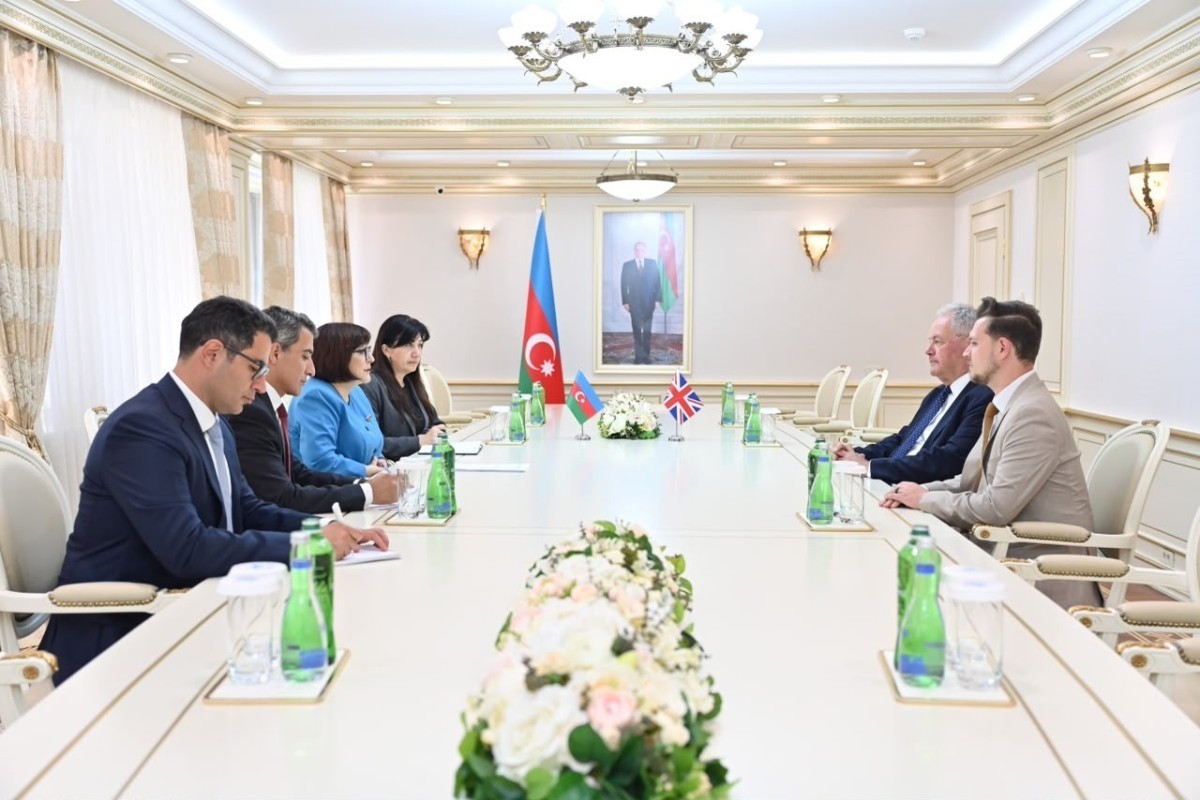
Speaker of Azerbaijani Parliament meets head of UK-Azerbaijan parliamentary friendship group
18:12
 13 July 2026
Romanian Senate delegation visits Khankendi
18:00
13 July 2026
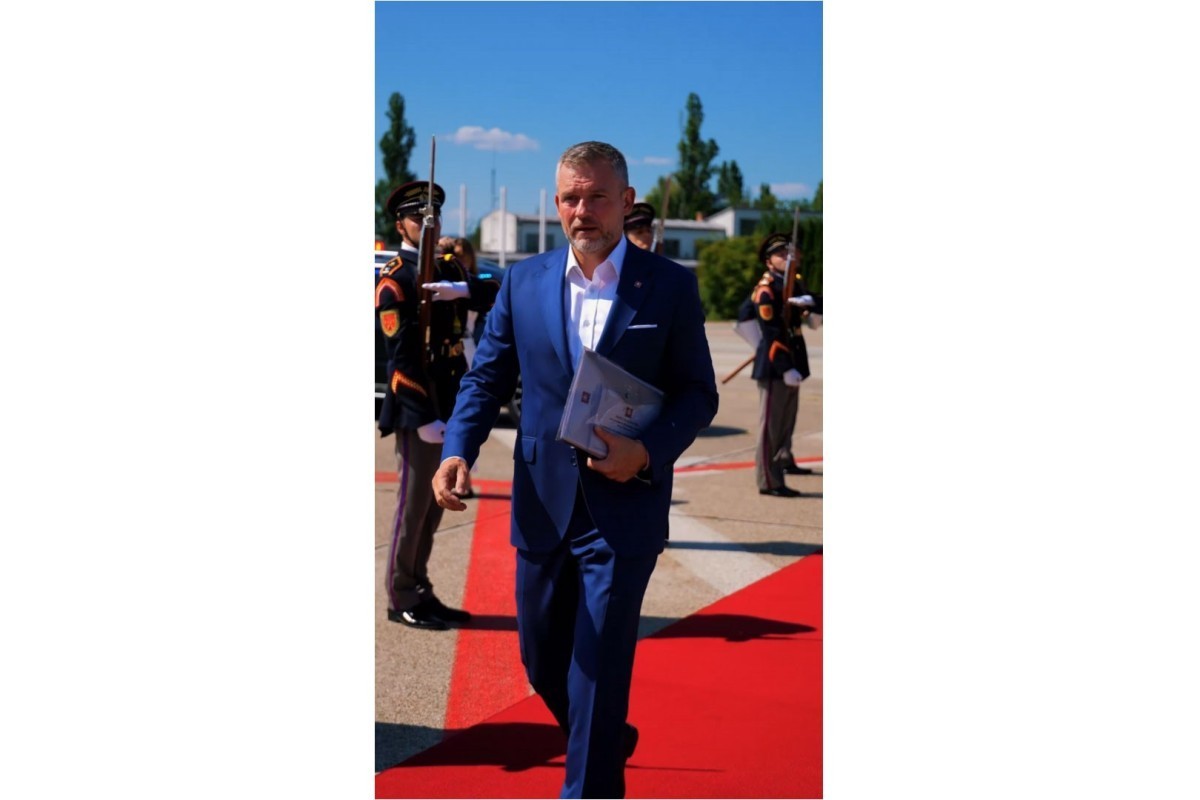
Slovak President departs for Azerbaijan
17:58
13 July 2026
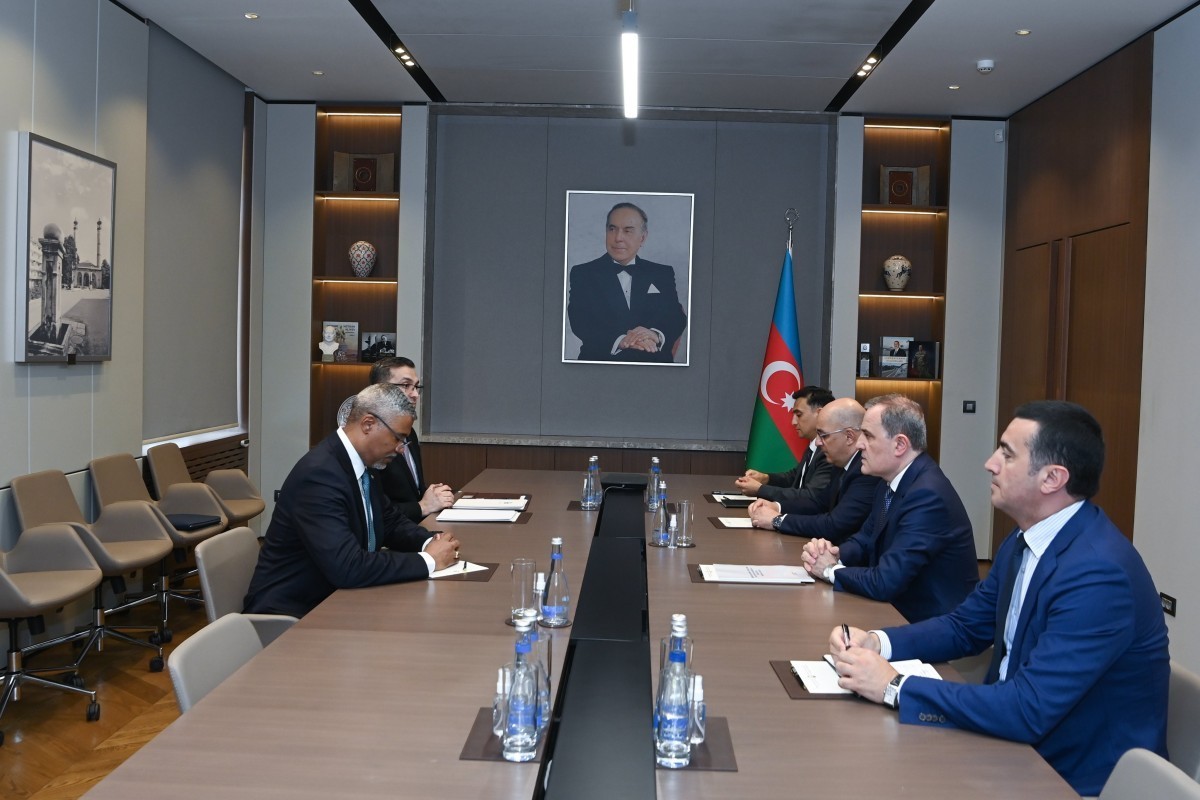
Azerbaijan FM Jeyhun Bayramov meets with WCO Secretary General
17:22
13 July 2026

NEWS FEED
Trump has not decided whether to support the initiative to tighten sanctions against Russia
03:25
14 July 2026
Trump says he does not stop supporting Netanyahu because of differences
03:14
14 July 2026
President Ilham Aliyev attended opening of 4th Shusha Global Media Forum - VIDEO - PHOTO
03:00
14 July 2026
Kallas: The EU will try to agree on the 21st package of sanctions against Russia on July 15
02:41
14 July 2026
Trump says the US military can eliminate Iranian officials
02:21
14 July 2026
US military announces new round of strikes on Iran
02:00
14 July 2026
Trump notifies US Congress about resuming warfare in Iran — NYT
01:52
14 July 2026
Several ‘violating’ vessels targeted in Strait of Hormuz - IRGC outlet
01:40
14 July 2026
Trump says MOU with Iran was a "test" and "didn’t mean much"
01:20
Audio
14 July 2026
Trump: US intends to continue strikes on Iran in the coming days
01:05
Audio
14 July 2026
Trump previews additional military strikes on Iran
00:51
14 July 2026
Brent crude exceeded $83 for the first time since June 16
00:30
14 July 2026
UN Secretary-General wants to see freedom of navigation in the Strait of Hormuz
00:11
Audio
14 July 2026
US military to enforce renewed blockade of Iranian ports, CENTCOM says
23:51
Audio
13 July 2026
Zelenskyy: FREYJA anti-ballistic system could be operational within year
23:35
13 July 2026
Ukraine's Prime Minister Svyrydenko resigns
21:48
13 July 2026
Slovak President Peter Pellegrini embarks on official visit to Azerbaijan
21:34
Audio
13 July 2026
Chief of General Staff of Azerbaijan Army is on an official visit to Belarus
20:33
13 July 2026
Ukraine and 9 European nations form anti-ballistic missile coalition
19:52
13 July 2026
Erdoğan says Türkiye will continue cooperation with Trump
19:37
13 July 2026
US creates task force to prosecute leaks to news media, Hegseth says
19:14
13 July 2026
Hikmat Hajiyev holds meetings with Syrian, Kazakh and Uzbek representatives at 4th Shusha Global Media Forum
18:54
13 July 2026
Secretary-general hopes D-8 Media Excellence Center will begin operations soon
18:39
13 July 2026
Trump: US to become ‘Guardian of Hormuz Strait,’ charge 20% on cargo
18:35
13 July 2026
D-8 secretary-general highlights importance of Shusha Global Media Forum
18:26
13 July 2026
Hikmat Hajiyev: D-8 Media Excellence Center initiative is already delivering results
18:22
13 July 2026
Speaker of Azerbaijani Parliament meets head of UK-Azerbaijan parliamentary friendship group
18:12
13 July 2026
Romanian Senate delegation visits Khankendi
18:00
13 July 2026
Slovak President departs for Azerbaijan
17:58
13 July 2026
Iran says Strait of Hormuz will remain under Tehran's control
17:40
13 July 2026
OPEC: Azerbaijan's oil production increased in the second quarter of 2026
17:24
13 July 2026
Azerbaijan FM Jeyhun Bayramov meets with WCO Secretary General
17:22
13 July 2026
Session on secure information environment on digital platforms held as part of 4th Shusha Global Media Forum - PHOTO
17:19
13 July 2026
Participants of 4th Shusha Global Media Forum visit Victory Park in Khankendi - PHOTO
17:17
13 July 2026
Date and agenda announced for final meeting of parliament's extraordinary session - UPDATED
17:17
13 July 2026
Trump: Iran has no chance of developing nuclear weapons
17:02
13 July 2026
3.6 million TikTok videos removed in Azerbaijan last year for violating platform rules
17:01
13 July 2026
NYT: Ahmadinejad met Mossad chief under Israeli plan to install him as Iran’s leader, is now under arrest
16:57
13 July 2026
Prime Minister Ali Asadov meets with Russian health minister
16:39
13 July 2026
Participants of the 4th Shusha Global Media Forum visit Khojaly Genocide Memorial - PHOTO
16:35
13 July 2026
Media expert: AI-powered cyber fraud is extremely difficult to combat
16:34
13 July 2026
Trump says US will control the Strait of Hormuz and be paid for it
16:33
13 July 2026
Calls to the Women Helpline double in the first half of 2026
16:19
13 July 2026
UK government proscribes Iran's IRGC
16:06
13 July 2026
Yemeni military targets Sanaa airport runway to stop Iranian plane landing, defence ministry says - UPDATED
16:02
13 July 2026
Azerbaijan Airlines receives Great Place to Work® certification for the first time
15:50
13 July 2026
European Council adopts assistance measure to support the Republic of Moldova’s air defence capabilities
15:23
13 July 2026
Family photo from 4th Shusha Global Media Forum shared on President's social media accounts
15:18
13 July 2026
Hikmat Hajiyev discusses cooperation with TikTok and LinkedIn representatives
15:17
13 July 2026
Russia's AI-95 gasoline prices surge 24% since early July
15:17
13 July 2026


