










The debates were opened by pro-Armenian Baroness Caroline Cox, who said unrecognized genocide caused another act of genocide. She said she visited Armenia and Nagorno Karabakh for 69 times and thought that “it is high time to recognize Armenian genocideâ€. Cox criticized the UK government for non-recognition of so-called “genocideâ€. She claimed that Azerbaijan attacked Armenians of Karabakh in 1991 repeating the 1915 events. Cox also claimed that Armenians were deported from Nakhchivan. Then she asked the Minister of State, Foreign and Commonwealth Office Baroness Kinnock of Holyhead would the government officials attend the genocide ceremony in Cardiff, Wales or not.
Lord Avebury, referred to the Blue Book about the so-called “genocideâ€, supported Baroness Cox. Lord Hylton said that it wouldn’t be correct to label 1915 events, where a number of Armenians were killed, as “genocideâ€. “I conclude by suggesting that the current clamour for attaching the particular label "genocide" to the terrible events that took place is misplaced. It certainly annoys Turks and their Government, and encourages, if anything, the continuance of denial of what happened. It has already harmed the détente that was beginning between Turkey and Armenia, and as has again been mentioned, it has caused threats by Turkey to deport a large number of Armenian workersâ€, said Lord Hylton.
Lord Marginnis of Drumglass was against the so-called genocide claims. He said the events happened a century ago. “I want to contribute because I feel that it is inappropriate to dwell on events of a century ago while the ongoing Nagorno-Karabakh conflict remains unresolved. Currently nearly 1 million Azerbaijanis have refugee status after being denied the right to return to their homes. It is a humanitarian disaster carried out by the Armenians. I would have thought that that would be more relevant instead of self-indulgence about something that happened 100 years ago in the dying days of the Ottoman Empire. I would never suggest that there is a reason or an excuse for multiple deaths and killings on one side or the other, but from my reading, I believe that there was an organized Armenian-Russian attempt in the dying days of the Ottoman Empire, which provoked conflict, and in that conflict equal or comparable numbers of people were killed in pretty harsh circumstancesâ€, said Lord Marginnis and added: “In the short time available to me, I suggest that the United Kingdom should remember that in 1922 Kemal Ataturk turned Turkey around. It became our ally. It has been our ally for almost 90 years. During the days of the Warsaw pact and the NATO stand-off, we required, and were grateful for, Turkish participation in guarding the freedom of Europe. For that reason, I believe that like the American congressional committee we should be very careful not to alienate further our Turkish friends. I draw attention to the fact that the American congressional committee voted by a majority of only one in favor of such a resolutionâ€.
Lord Kilclooney also focused attention on Karabakh events and said hundreds of Azeris were killed by Armenians. “However, as has been said, this is something from 100 years ago. To bring it all up now and clamour-to use the well chosen word of the noble Lord, Lord Hylton-to have it qualified as genocide is unhelpful to the situation between Turkey and Armenia. Of course, there is also the problem of Nagorno-Karabakh, where there have been more recent murders of hundreds of people by the Armenians, supported by other countries. Hundreds were killed and nearly a million Azeris had to flee, so Armenia does not have clean handsâ€.
Lord Wallace reminded that he was reading about the British Army retaking Delhi after the Indian mutiny, during which they massacred the entire Muslim population. “Undoubtedly, there were massacres of Armenians in World War I. There were also massacres of Greeks as the Turkish army, under Kemal Ataturk, managed to expel the Greeks from Smyrna. Had the Greeks won the battle of Smyrna, there would have been massacres of Turks instead. Sadly, that was the nature of the debateâ€, said Lord Wallace.
The Minister of State, Foreign and Commonwealth Office Baroness Kinnock of Holyhead finalized the debates. “I confirm that the position of the Government is to continue to work for rapprochement and reconciliation between Turkey and Armenia. The UK Government will not make any statements that have the potential to jeopardize this process. It is apparent that there is a strong political will, and indeed popular support, for improving relations. The Armenian president and the Turkish president have been focused and engaged in the process, which also allows for the creation of a sub-committee to examine historical issues, including the events of 1915-17â€, said Baroness Kinnock. "Genocide" is a precise term and its use is best assessed by a competent court. However, then as now, there is no court with the authority to make such an assessment. Therefore, it is inappropriate for the British Government to apply the term to events on which no legal judgment can be madeâ€. Baroness Kinnock said that the UK government wouldn’t send its representative to the opening of memorial in Cardiff. “I was aware last year that noble Lords had raised the issue of a memorial. Sending a government representative might suggest recognition, so, despite our sympathies for the tragedy, we do not intend to send a representativeâ€.
Lord Maginnis: “It is inappropriate to dwell on events of a century ago while the ongoing Nagorno-Karabakh conflict remains unresolvedâ€

 31 March 2010 15:09 (UTC +04:00)


 İDMAN XƏBƏR
 Follow us on Telegram
 t.me/apanewsaz
 Follow us on Instagram
 Follow us on TikTok
 Follow us on Facebook
 Follow us on X
Foreign
 PHOTO'>
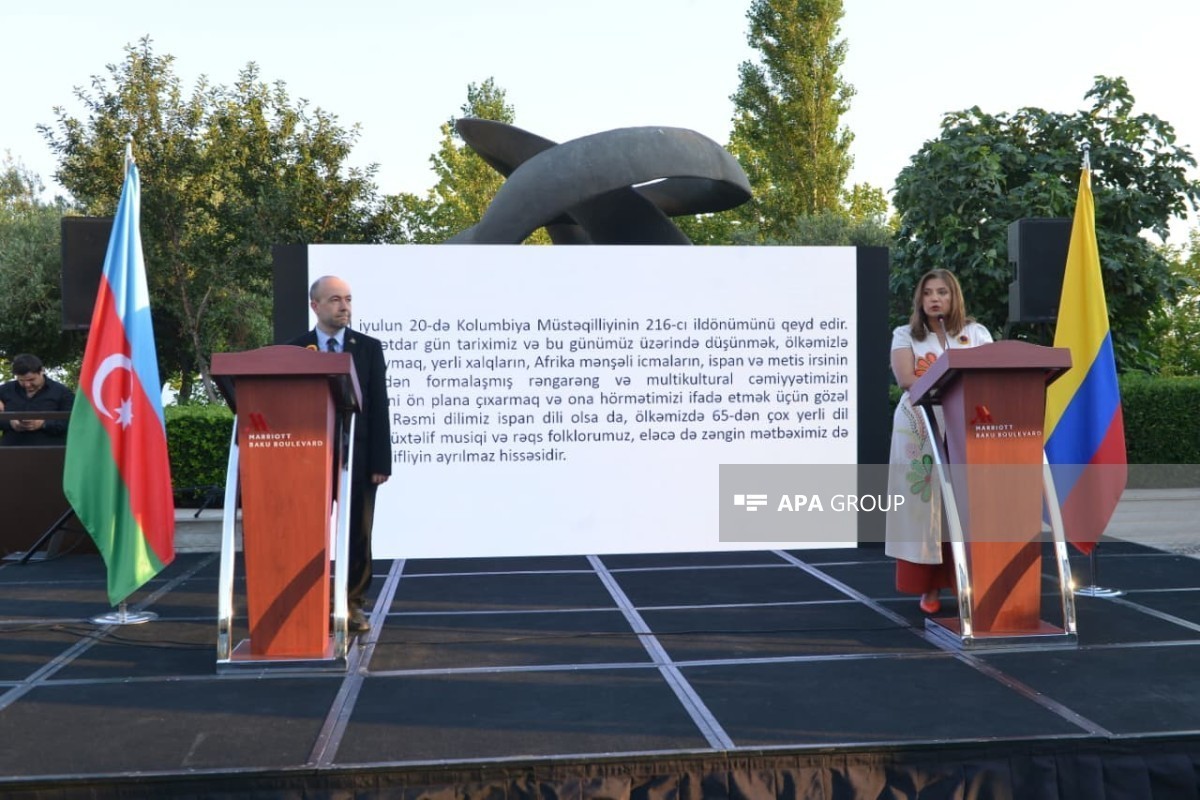
Colombia's National Day celebrated in Baku - PHOTO
19:52
 10 July 2026
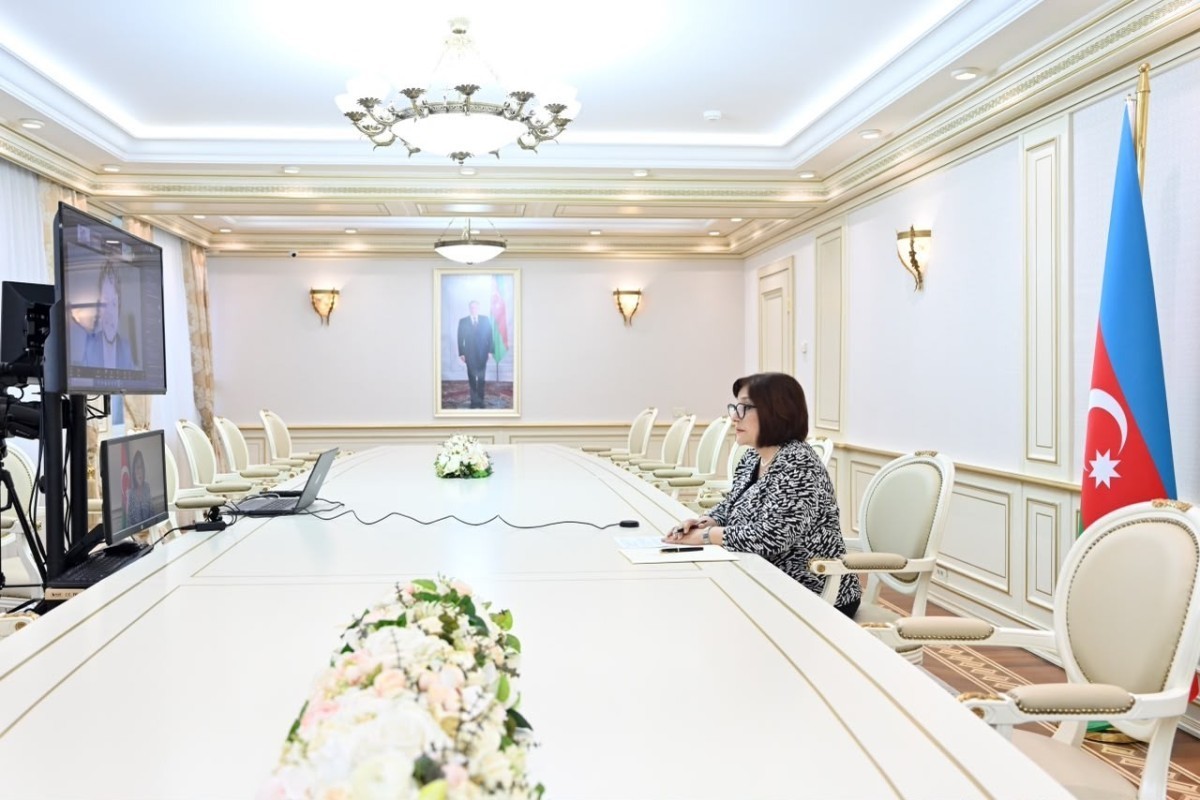
Sahiba Gafarova speaks at IPU high-level dialogue on digital governance
15:37
10 July 2026
President of Latvia's Constitutional Court visits Azerbaijan
15:10
10 July 2026

Azerbaijani deputy FM pays working visits to Utah and California
13:04
10 July 2026

NEWS FEED
Trump instructs Vance and Rubio to continue talks with Iran
07:10
11 July 2026
US rules out Iran deal without enriched uranium
06:12
11 July 2026
US demands Iran declare it will not attack ships in Hormuz
05:14
11 July 2026
Israeli Defense Minister says military ready for any scenario regarding Iran
04:24
11 July 2026
US imposes sanctions on Iranian living in UAE
03:29
11 July 2026
Ukraine creates 'long-range' command to step up strikes on Russia
01:40
11 July 2026
Spain reached the World Cup semi-finals after beating Belgium
01:07
11 July 2026
Iran's Araghchi to visit Oman for talks on Strait of Hormuz
00:50
11 July 2026
US Congress agrees with White House to tighten sanctions against Russia
23:56
10 July 2026
US leader leaves orders to bomb Iran 'at levels that they’ve never seen before' if he's assassinated
23:46
Audio
10 July 2026
Trump administration imposes fresh sanctions on Iran in response to ship attacks
23:26
Audio
10 July 2026
Pakistan ready to continue mediatory efforts to settle Iran-US conflict — PM
22:50
10 July 2026
Ukraine strikes 18 Russian vessels, key oil facilities overnight
21:30
10 July 2026
Twelve killed, 23 missing in one of Spain's deadliest wildfires
21:16
10 July 2026
Iran denies reports of new US talks next week
20:57
10 July 2026
President Ilham Aliyev received heads of several international organizations
20:45
10 July 2026
EU to allow Kyiv to buy British weapons with European money
20:27
10 July 2026
Colombia's National Day celebrated in Baku - PHOTO
19:52
10 July 2026
Court of Appeal continues hearings on appeals filed by Armenian citizens
19:37
10 July 2026
Armed attack on police officers reported in Poland
19:29
10 July 2026
Iran has asked to continue talks and the US agreed, Trump says
18:56
10 July 2026
Grain harvesting begins in Khojaly and Aghdara after 34 years - PHOTO
18:50
10 July 2026
Hakan Fidan speaks about possibility of lifting US sanctions
18:47
10 July 2026
Agenda for next Milli Majlis session announced - UPDATED
18:39
10 July 2026
Soldier's body found in river in Armenia
18:14
10 July 2026
Azerbaijan extradites internationally wanted individuals to Uzbekistan
18:09
10 July 2026
Countries must reject Iran efforts to control Hormuz, UN agency document says
17:54
10 July 2026
Qatari mediators arrive in Iran to help ease Tehran-Washington tensions
17:49
10 July 2026
Economic Council discusses state tourism program and mining industry development
17:45
10 July 2026
Ukraine says another 12 vessels from Russia's "shadow fleet" struck in Sea of Azov
17:25
10 July 2026
Iran threatens to strike Israel in response to US attacks
17:09
10 July 2026
Azerbaijan Railways' sulfur transportation rises 31% in first half of 2026
16:49
10 July 2026
Propane and fertilizer shipped to Armenia via transit through Azerbaijan - PHOTO - UPDATED
16:22
10 July 2026
Electronic cigarettes to be banned from civil circulation
16:07
10 July 2026
Georgian opposition leader Aleko Elisashvili sentenced to 13 years in prison for attempted terrorist attack
15:44
10 July 2026
Sahiba Gafarova speaks at IPU high-level dialogue on digital governance
15:37
10 July 2026
Rutte, Zelenskyy to attend Ukraine 'Coalition of the Willing' meeting, Elysee says
15:30
10 July 2026
“AzerGold” CJSC organizes infotour to Dashkasan district and CIRPA for tourism bloggers
15:19
10 July 2026
President of Latvia's Constitutional Court visits Azerbaijan
15:10
10 July 2026
Azerbaijan's Health Ministry dismisses claims of mumps outbreak in Baku, urges parents to rely on official information
14:43
10 July 2026
Russia's air defenses destroy nearly 5,000 drones in one week - MoD
14:35
10 July 2026
Peskov: Kyiv is not in favor of the peace process
14:28
10 July 2026
Russia facing fuel shortage, Deputy PM says
14:07
10 July 2026
Peskov: Türkiye's sale of Russian S-400 systems is a highly sensitive issue
14:02
10 July 2026
Missile alert has been declared in Moscow
13:51
10 July 2026
Azerbaijan to digitalize procedures for extending foreigners' temporary stay
13:44
10 July 2026
Azerbaijan to amend fine for failure to repatriate foreign currency funds, introduce exemption from liability
13:41
10 July 2026
Azerbaijan to introduce fines for violations of cybersecurity requirements
13:38
10 July 2026
Administrative arrest to be imposed for repeated participation in gambling
13:37
10 July 2026
Baku to host international conference on media and decolonization
13:20
10 July 2026


