










The Azerbaijani Government has requested the publication of this report and of its response.
CPT delegation received several credible allegations from life-sentenced prisoners of deliberate physical ill-treatment and excessive use of force by prison officers. In addition, a number of prisoners complained that certain prison officers had subjected them to verbal abuse.
However, in the units for lifers, the delegation observed some improvements to material conditions. The cell heating had been significantly improved, running water was provided on a permanent basis in the cells, and the showers in Unit 4 had been renovated (enabling prisoners to take more frequent showers).
Despite the above-mentioned improvement, life-sentenced prisoners continued to spend 23 hours a day locked up in their cells, without being offered any form of organised activity. Such a state of affairs is totally unacceptable and constitutes a failure to implement long-standing CPT recommendations. The CPT calls upon the Azerbaijani authorities to take steps without further delay to devise and implement a comprehensive regime of out-of-cell activities for life-sentenced prisoners at Gobustan Prison.
In this context, the Committee must stress once again that it can see no justification for keeping life-sentenced prisoners apart from other prisoners. Reference has been made in this regard to the Council of Europe’s Committee of Ministers’ Recommendation (2003) 23, on the “management by prison administrations of life sentence and other long-term prisoners†of
9 October 2003. The CPT calls upon the Azerbaijani authorities to take due account of the principles contained in Recommendation (2003) 23 when devising their policy on the treatment of life-sentenced prisoners. The CPT welcomes the fact that the provision of the CEP preventing life-sentenced prisoners from receiving vocational training has been repealed.
During the 2008 visit, the CPT’s delegation carried out a visit to the Central Penitentiary Hospital in Baku. The delegation focused on the hospital’s internal diseases, narcology, and psychiatry wards. It also examined the situation of persons held in the neurology ward, the ward for women and the “regime sectionâ€. However, the CPT regrets the fact that the Azerbaijani authorities have failed to implement its recommendations to employ nurses and ensure that someone qualified to provide first aid (preferably with a recognised nursing qualification) is always present in the prison. As a consequence, no health-care staff were present in the establishment at night and at weekends. Further, the delegation was concerned to note that one of the prisoners (with training as a surgeon) continued to work for the health-care service and was involved in the performance of health-care tasks during the night, despite the specific recommendation made by the Committee after the visit in 2006. In the light of the above, the CPT calls upon the Azerbaijani authorities to take steps at Gobustan Prison to substantially increase the number of nursing staff, to ensure that someone qualified to provide first aid, preferably with a recognized nursing qualification, is always present on the premises of the establishment, including at night and weekends.
The CPT’s delegation visited the Republican Psychiatric Hospital No. 1 in Mashtaga and carried out a follow-up visit to the Regional Psycho-Neurological Dispensary in Sheki. Further, the delegation paid a brief visit to the Central Psychiatric Hospital in Baku, where it focused on patients’ living conditions.
The worst situation was observed in Ward 12, conditions in which could be considered as amounting to inhuman and degrading treatment.
As regards the Regional Psycho-Neurological Dispensary in Sheki, the delegation observed a number of positive changes.
In general, CPT recommended taking steps to ensure that the provisions of the Law on Psychiatric Assistance (LPA) on involuntary civil hospitalisation are fully implemented in practice. This will involve the provision of appropriate information and training to all structures and persons involved, to strive to introduce a system for regular visits to psychiatric establishments by independent outside bodies responsible for the inspection of patients’ care. These bodies should be authorised, in particular, to talk privately with patients, receive directly any complaints which they might have and make any necessary recommendations.
Note that, the Council of Europe has today publicized the response of an official Baku upon the request of the Azerbaijani Government. This is the response of the Government of Azerbaijan to the report of the European Committee for the Prevention of Torture and Inhuman or Degrading Treatment or Punishment on its visit to Azerbaijan in 2008. The document reflects the measures taken on the basis of the committee’s recommendation. The response says the the establishment of modern infrastructure of penitentiary system is carried out in accordance with the requirements of the Decree of the President of the Republic of Azerbaijan dated 17 August 2006 entitled “Development of justice systemâ€, and in conformity with the “National Action Plan on protection of human rights in the Republic of Azerbaijan†approved by the Head of our state on 28 December 2008.
Besides, international documents in this field are analyzed and progressive experience is learnt. For the purpose of effective organization an Order on the “Establishment of a Working Commission for effective organization of project and construction works in the Penitentiary Service†was signed by the Minister of Justice of the Republic of Azerbaijan on 22 May 2009. Senior and experienced officials from the Penitentiary Service, Head Medical Department and penitentiary establishments were included into that working commission.
Following the construction of new facilities, in accordance with the requirements of the Code of Execution of Sentences, prisoners should be located close to their previous places of residence. Provision of the prisoners with socially useful labour during the punishment period, making their free time efficient, training of staff fit for service, etc. are always in the focus of public authorities. Various trainings are organized for staff in the training Centre of the Penitentiary Service, as well as the Justice Academy.
Report of the European Committee for the Prevention of Torture and Inhuman or Degrading Treatment or Punishment on its visit to Azerbaijan and response of the Government of Azerbaijan

 26 November 2009 17:15 (UTC +04:00)


 İDMAN XƏBƏR
 Follow us on Telegram
 t.me/apanewsaz
 Follow us on Instagram
 Follow us on TikTok
 Follow us on Facebook
 Follow us on X
Foreign

Idea of single European Union army deadlocked amid political ambitions-COMMENTARY
22:35
 9 July 2026
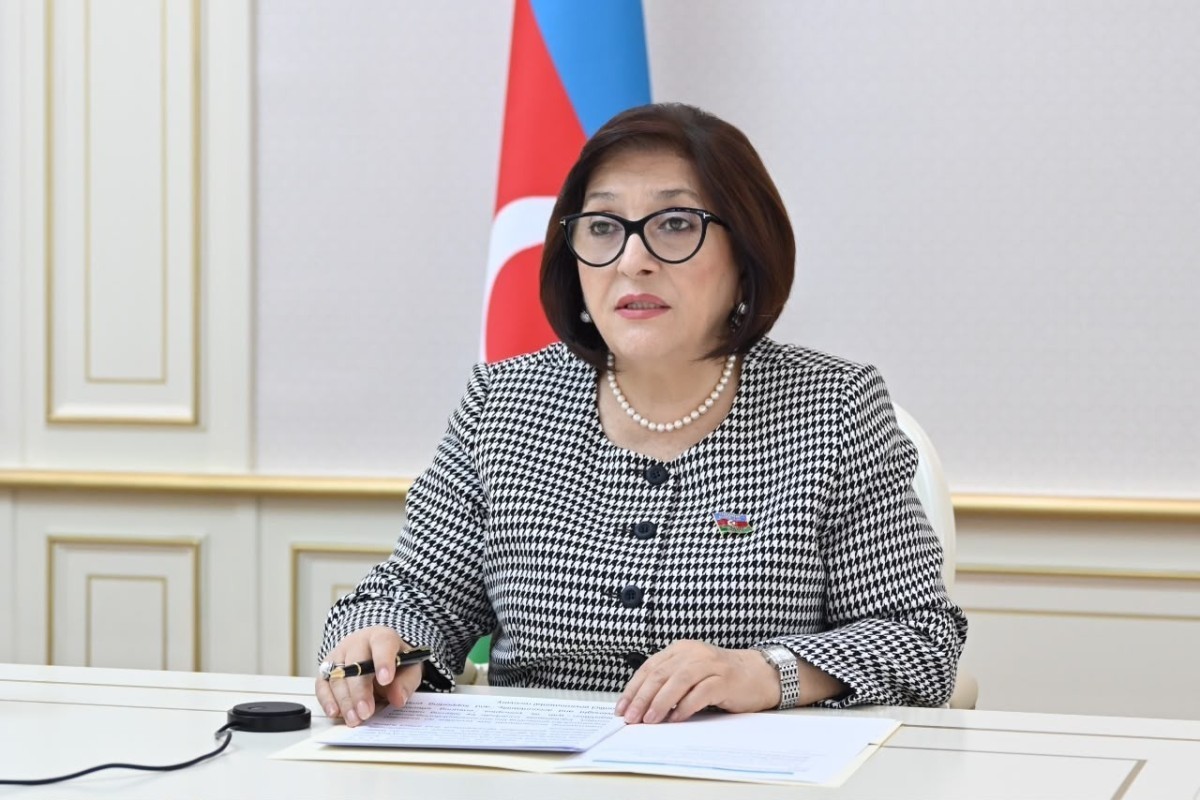
Speaker highlights environmental damage caused by Armenia's occupation at IPU conference
17:54
9 July 2026
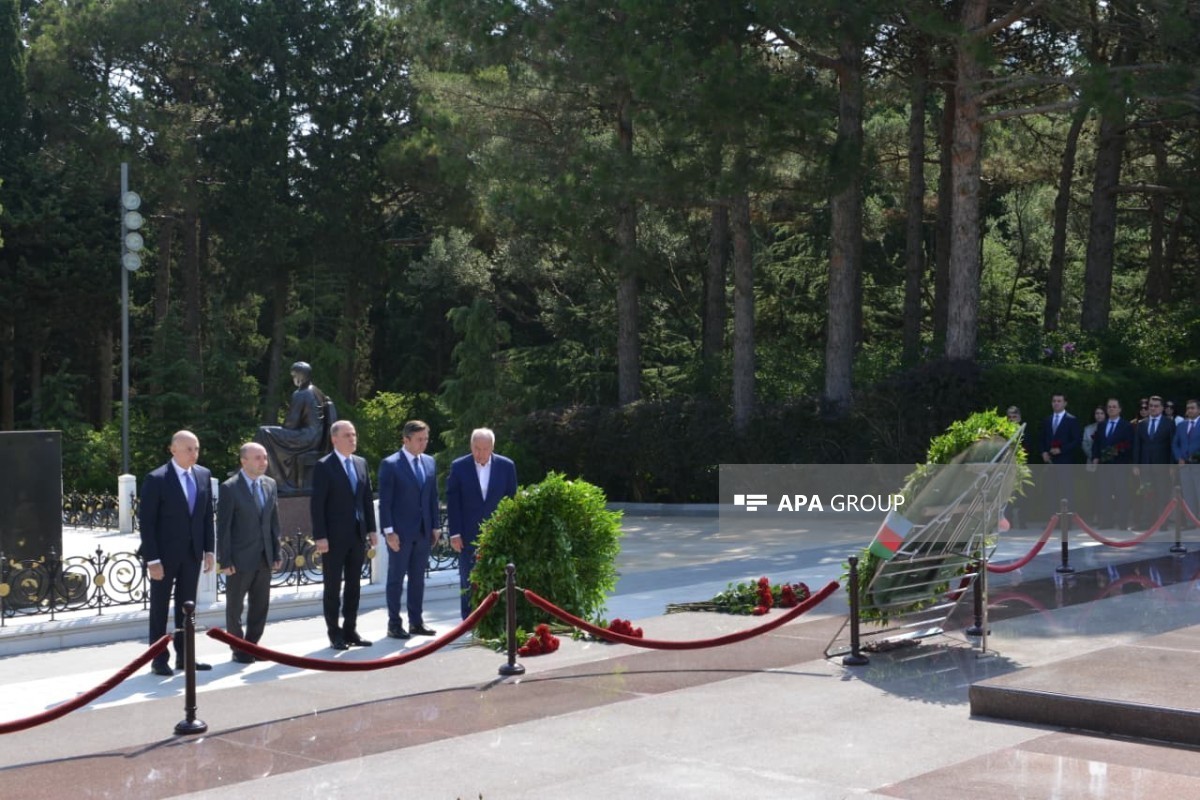
Foreign Ministry leadership visits Alley of Honor - PHOTO
10:14
9 July 2026
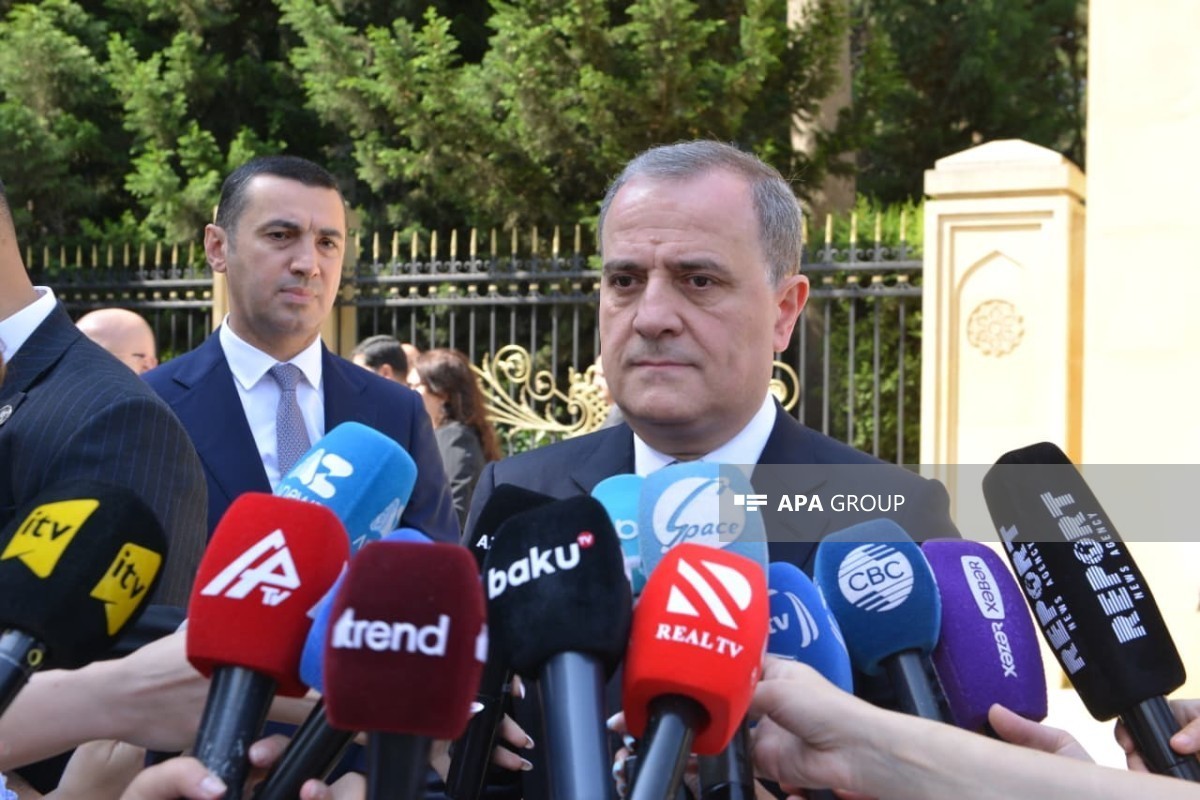
Foreign minister says TRIPP process is underway, documents being prepared
10:06
9 July 2026

NEWS FEED
Global stock markets' major indices post gains
09:16
10 July 2026
Oil prices rise on global markets
09:05
10 July 2026
Reuters: Technical consultations between the US and Iran continue
07:47
10 July 2026
12 killed in southern Spain wildfire
06:33
10 July 2026
Ali Khamenei buried after week-long funeral
03:43
10 July 2026
France beats Morocco 2-0 to reach 3rd straight World Cup SF
02:29
10 July 2026
WSJ: Some Iranian strikes on US bases in the Middle East achieved their goals
01:37
10 July 2026
Trump and Netanyahu just held a phone call to brief on "American moves in the Gulf"
01:18
10 July 2026
Merz told Netanyahu that steps to annex the West Bank are unacceptable
00:30
10 July 2026
Zelenskyy: Ukraine will soon receive Patriot missiles from US
00:10
10 July 2026
Ukraine can produce Freya anti-ballistic system fast if one condition is met
23:51
9 July 2026
CNN: Pakistan and Qatar are trying to bring Iran and US to negotiating table
23:30
9 July 2026
Erdogan: Türkiye keeps channels of communication open for peaceful settlement in Ukraine
23:19
9 July 2026
Explosions heard in two cities of Iran
22:57
9 July 2026
Idea of single European Union army deadlocked amid political ambitions-COMMENTARY
22:35
9 July 2026
Lagarde says she will not run for France's president
22:14
9 July 2026
Europa League: FK Qarabag defeated Iceland's Vestri
21:58
9 July 2026
Katz says Israel ready for third military campaign against Iran
21:36
9 July 2026
Netanyahu: IDF will remain in southern Lebanon as long as necessary for Israel's security
21:18
9 July 2026
Iran's foreign minister holds calls with Turkish and Omani counterparts
21:00
9 July 2026
Iranian FM warns US against new strikes, says armed forces ready to respond
20:48
Audio
9 July 2026
Iran's late Supreme Leader Khamenei to be laid to rest in hometown
20:40
9 July 2026
Azerbaijan and Türkiye discuss further development of military-technical cooperation
19:34
9 July 2026
Samvel Karapetyan's house arrest extended by another two months
19:11
9 July 2026
Illegal structures of Seyran Ohanyan and other former officials on shore of Lake Goycha demolished
18:17
9 July 2026
Türkiye and Iran FMs discuss ceasefire
18:14
9 July 2026
Azerbaijan and Italy discuss defense cooperation
18:12
9 July 2026
Death toll from shoe factory fire in China rises to 28 - UPDATED
18:08
9 July 2026
Speaker highlights environmental damage caused by Armenia's occupation at IPU conference
17:54
9 July 2026
NATO's Ankara Summit: Türkiye further strengthens its position as the Alliance's strategic center -ANALYSIS
17:51
9 July 2026
Oil tanker traffic through Hormuz at near standstill as attacks strain Iran truce
17:49
9 July 2026
Iran fired ten ballistic missiles on Jordan's Azraq military base
17:44
9 July 2026
US strikes over 170 Iranian military targets near Strait of Hormuz in two days: NYT
17:07
9 July 2026
Public hearing on protecting children from harmful effects of social media held at Azerbaijan's Parliament
17:03
9 July 2026
Implementation of 58 digital development initiatives launched in Azerbaijan
16:27
9 July 2026
President approves agreement on electricity supply and transit from Azerbaijan to Georgia
16:13
9 July 2026
Jordan intercepts 8 missiles launched from Iran
15:59
9 July 2026
US strike on Sirik pier in southern Iran kills three, official says
15:51
9 July 2026
Ramid Namazov: Work is underway on the creation of the National Data Lake
15:46
9 July 2026
US projectile hit perimeter area of Bushehr nuclear plant, Iran says
15:44
9 July 2026
Chair of the Commission: The number, scale and complexity of cyberattacks are increasing rapidly
15:42
9 July 2026
AZAL increases passenger traffic by 5%
15:35
9 July 2026
Regular flights operate from Heydar Aliyev International Airport to 76 destinations
15:06
9 July 2026
New four-lane highway connecting Georgia with Azerbaijan to be built
15:01
9 July 2026
Interior Ministry: 104 criminal groups involved in serious and especially serious crimes neutralized this year
14:43
9 July 2026
7 killed, 5 injured in Cape Town shootings
14:39
9 July 2026
Flooding in southern China has killed 39 people
14:08
9 July 2026
US strike hit rail bridge used for China, Russia trade – IRGC media
14:05
9 July 2026
Italy expels two Russian military attachés over alleged espionage activities
13:55
9 July 2026
Peskov: Trump has not yet called Putin after NATO summit
13:51
9 July 2026


