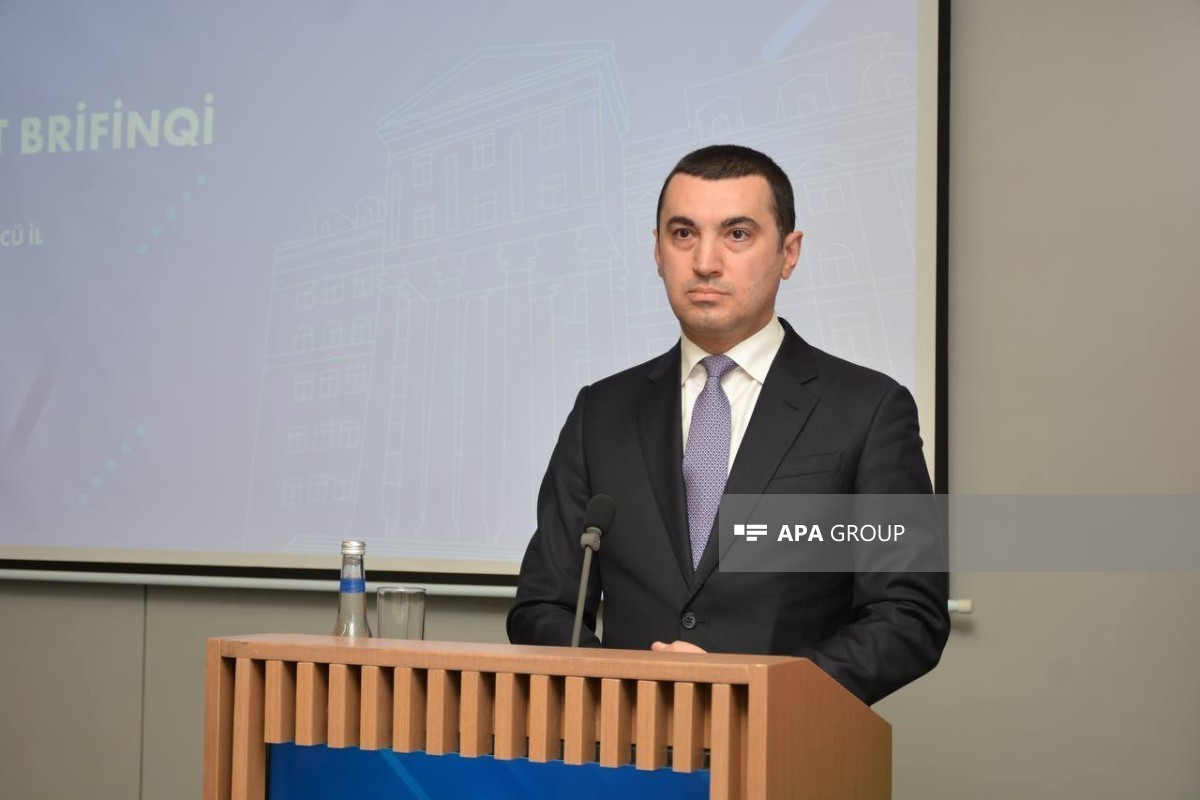


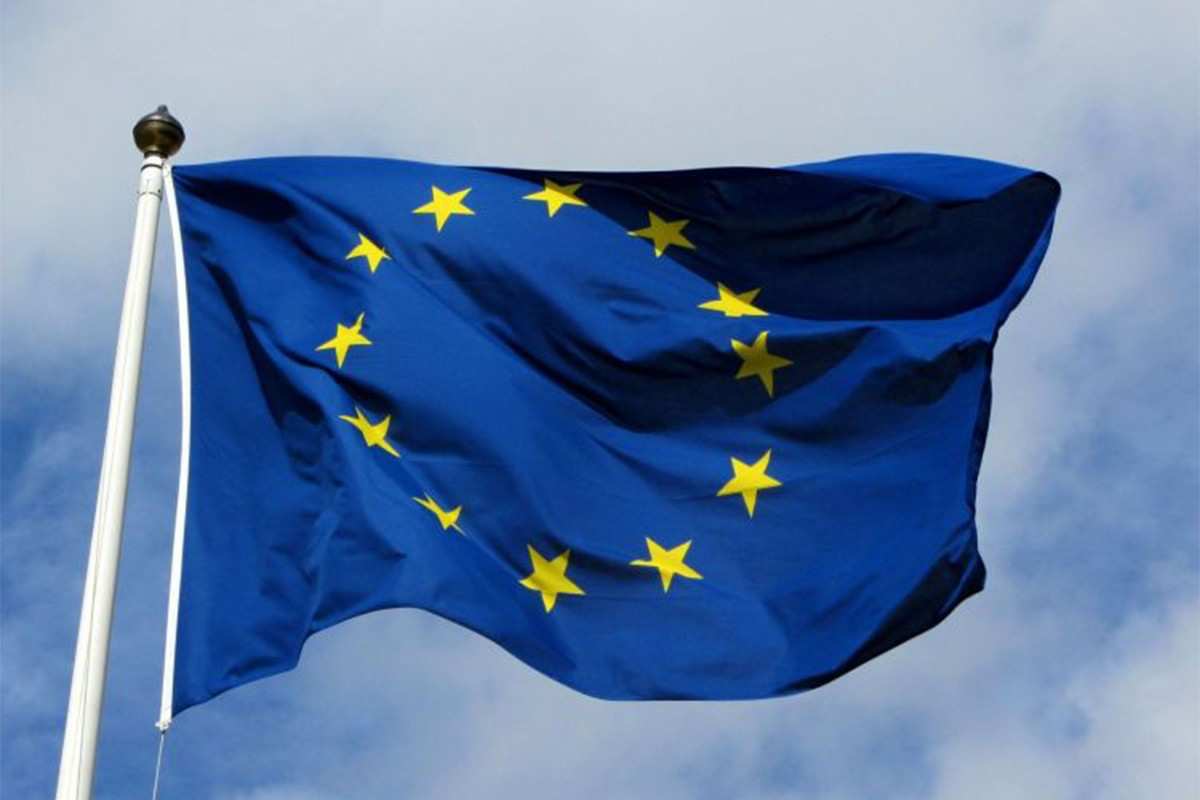


The idea of a single European Union army has deadlocked amid political ambitions, Rizvan Nabiyev, a member of the Milli Majlis' Committee on International Relations and Interparliamentary Relations, Doctor of Political Sciences, told APA.
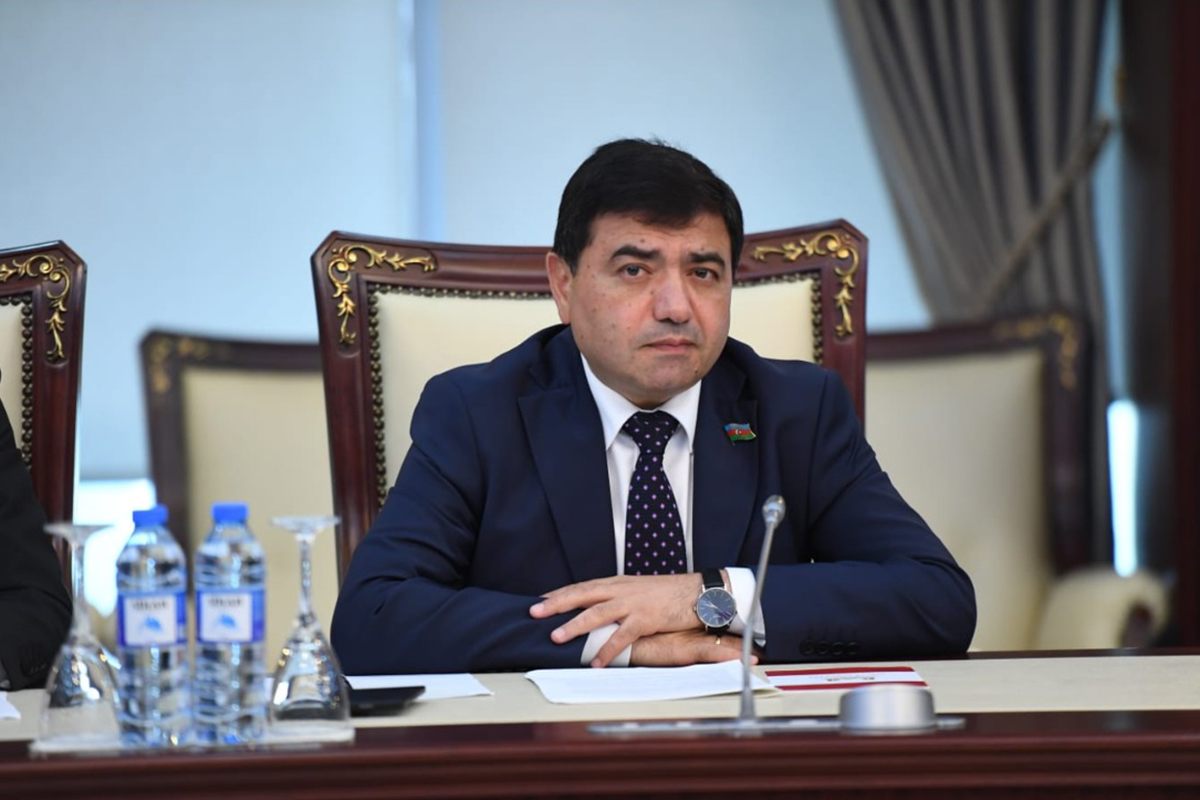
MP said that one of the most discussed issues regarding the future of the European security system after the end of the Cold War was the creation of the European Union's own independent defense mechanism and a single army: "Although this idea has been brought up again and again at various times, we see that no real results have been achieved in this direction for more than thirty years. The main reason for this is not a lack of funding or limited technical capabilities. The main problem is the lack of a single security concept and strategic vision among the leading states of the European Union. Although the European Union has achieved significant achievements in economic integration, national interests still outweigh common interests in security and defense issues. Although the geopolitical events of recent years, especially the Russia-Ukraine war, increasing tension in the Middle East, energy security and hybrid threats, have changed Europe's attitude to security issues, fundamental contradictions in the direction of implementing the idea of a single army have not disappeared."
Different views of France and Germany have become the main obstacle
According to Rizvan Nabiyev, the main disagreement in the European Union's defense policy exists between France and Germany, and it is these contradictions that call into question the future of the project: "France has wanted to become the main political leader of the European Union in the field of security for many years. Paris believes that Europe should be less dependent on the United States and form its own military potential. However, France wants to do this more within the framework of its geopolitical views and strategic interests. In the model it proposes, France sees the European army not only for the defense of the European continent, but also as a tool for protecting its global interests. France has long-standing political, economic and military interests in Africa, especially in its former colonies. Paris intends to maintain its influence in those regions. This approach is also clearly felt in relation to the concept of a European army. In other words, France wants to continue its global military presence at the expense of the common resources of the European Union."
Germany prefers continental defense
Rizvan Nabiyev noted that Germany's approach is completely different: "Germany believes that the security system of the European Union should primarily serve the defense of the European continent. The main priority for Berlin is continental security. Germany does not consider it appropriate to direct European resources to military operations in other regions or to protect its interests in France's former colonies. This position of Germany, which is considered the economic locomotive of the European Union, creates serious disagreements with France, and as a result, the formation of a common defense concept is impossible. This is not just a tactical disagreement. We are talking about completely different strategic views on the future security model of Europe."
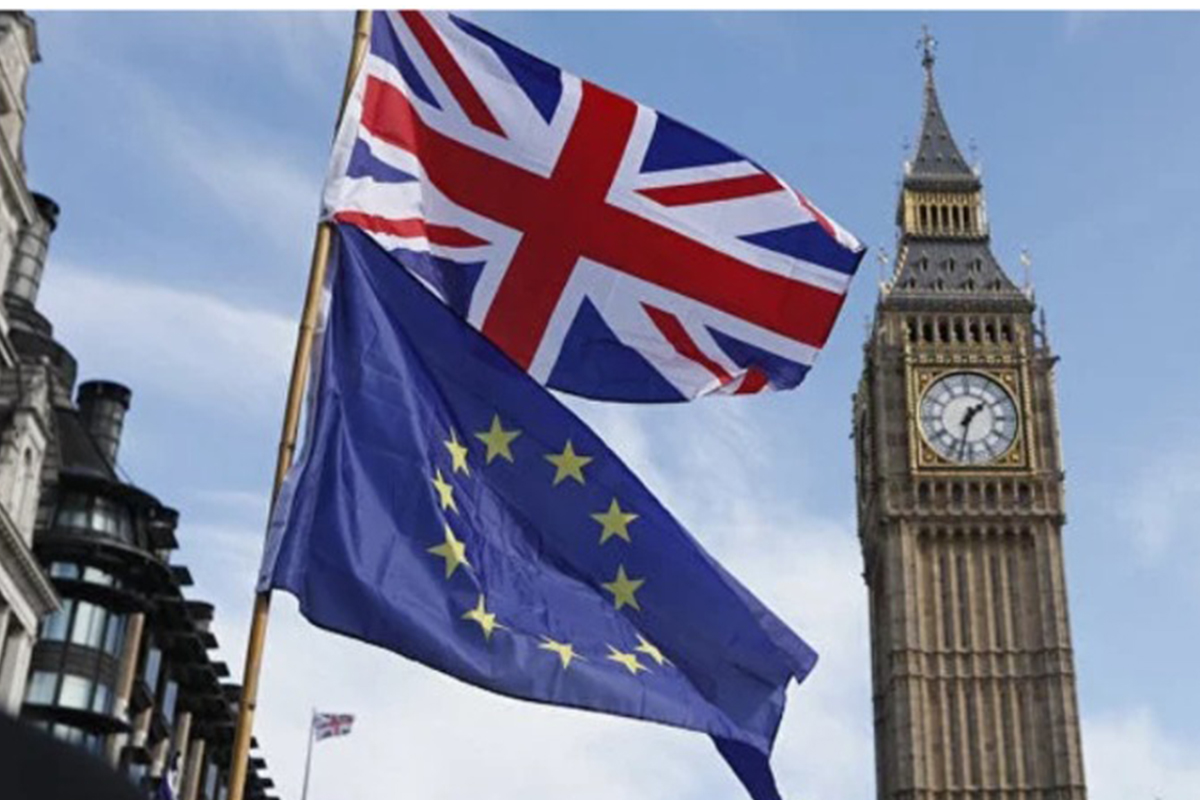
Great Britain's discontent was not accidental
MP recalled that France's claims to leadership within Europe had previously aroused serious discontent: "One of the important reasons for the problems that arose in Great Britain's relations with the European Union at one time was France's attempts to direct the integration processes in the direction of its own political views. London was cautious about the gradual transformation of the European Union into a centralized political and military structure. Today, similar approaches have not completely disappeared within Europe. Many states believe that under the guise of a single army, the political interests of some great powers can actually be realized."
Rizvan Nabiyev noted that economic interests also play an important role in the creation of a European army: "France wants to strengthen the dominant position of its military industry in the European defense market. In particular, it is trying to ensure that French-made Rafale fighter jets and other weapons systems are widely purchased by European countries. This approach is not welcomed by other European countries. There are other countries in the European Union that produce weapons at a more affordable price and with high quality. They do not agree with the formation of the defense market within the interests of only one country. This complicates the development of a common defense industry policy."
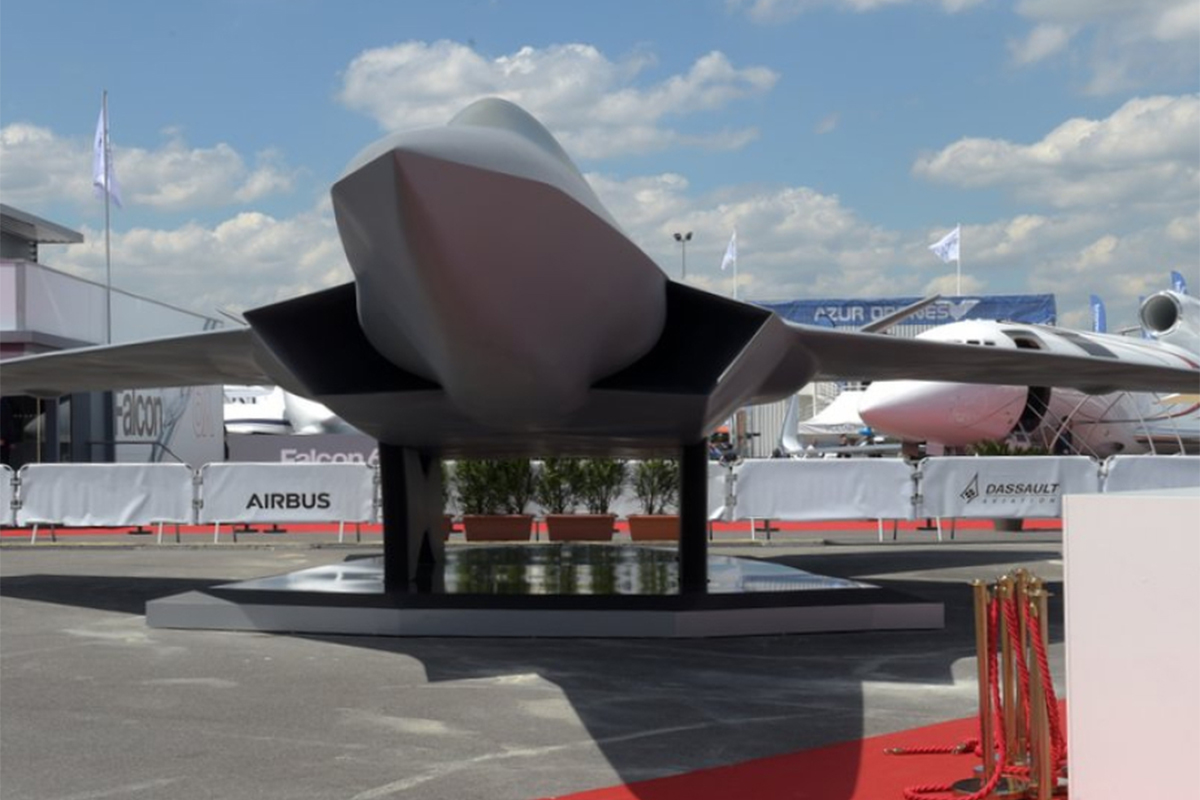
The failure of the joint fighter project is an indication of the problems
According to the deputy, the actual halt of the large project between France and Germany, which envisages the development of a future fighter aircraft, is also a real result of these differences of opinion:
“The cooperation on the development of a new generation fighter aircraft, which is considered one of the largest defense projects in Europe, has been facing serious problems for a long time. Here, the clash of industrial, financial and political interests is more evident than technical issues. This shows that the idea of creating a common army is not as simple as it seems on paper. If two leading European states cannot develop a single military platform, the creation of a single European army will be a much more complicated process.”
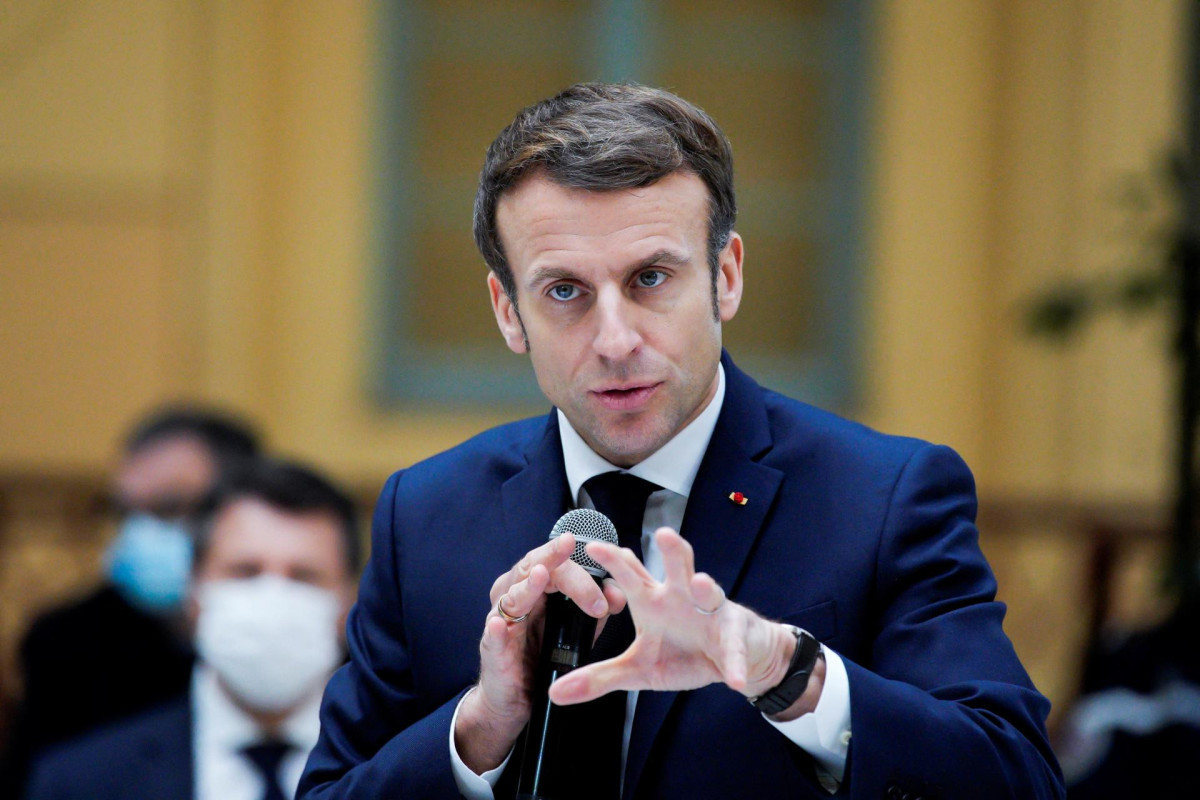
Macron's geopolitical ambitions complicate the process
Rizvan Nabiyev said that a significant part of the ideas put forward by French President Emmanuel Macron regarding the future of Europe are aimed at preserving France's great power status:
"Macron talks about the strategic autonomy of Europe. However, a significant part of these initiatives coincides with the expansion of France's international influence. This creates certain concerns in other member states. As the competition for leadership within the European Union continues, the prospects for the realization of the idea of a single army seem weak. In the current situation, the majority of European states still see security guarantees within the framework of NATO. Many European countries cannot fully agree on increasing defense spending. Most NATO members have not fully fulfilled their obligations to the alliance for many years. In such a situation, the creation of a completely new military structure in parallel seems quite complicated both financially and politically. NATO continues to be the main guarantor of European security today."
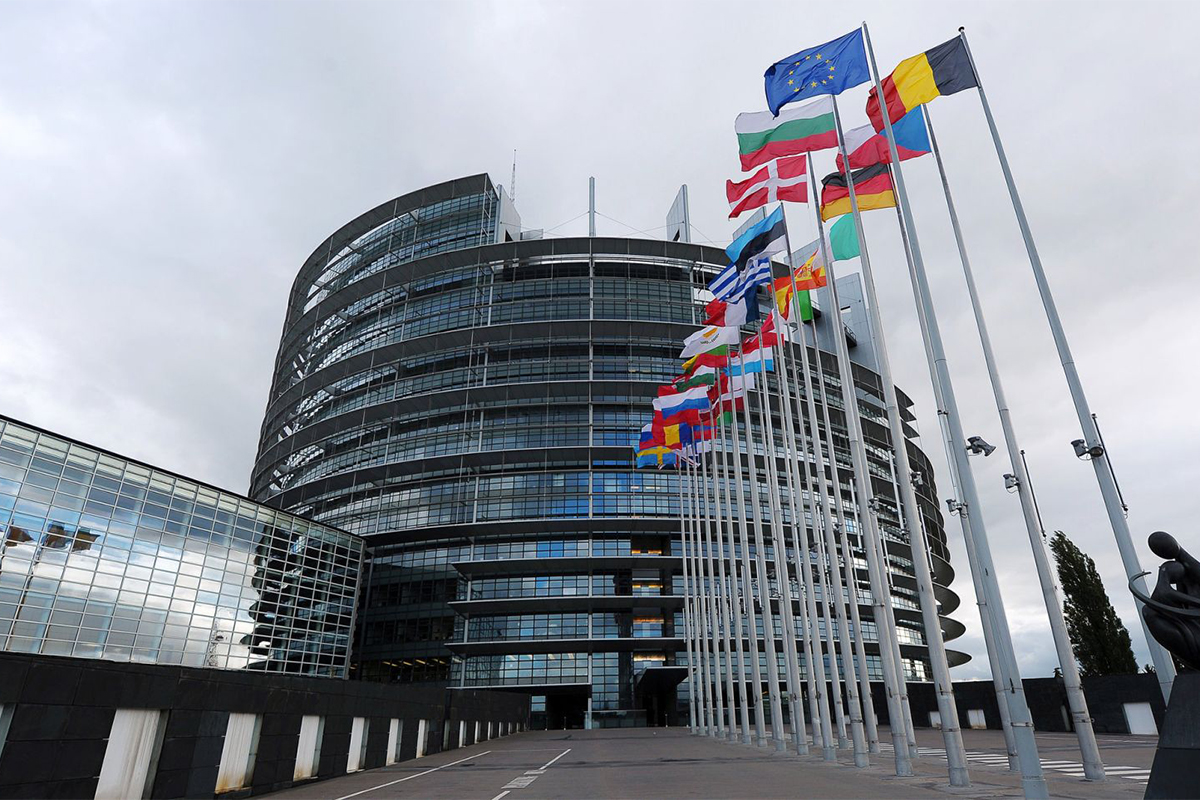
Contradictions make Europe more vulnerable
Rizvan Nabiyev said that the ongoing disagreements within the European Union also negatively affect the geopolitical capabilities of the organization as a whole: “Today, the European Union is one of the most powerful unions in the world in economic terms. However, it is impossible to speak of the same power in the security sphere. The slow functioning of unified decision-making mechanisms against the background of military, cyber and other hybrid threats from abroad limits the Union’s operational response. The multi-stage nature of the EU’s decision-making procedures does not allow for a quick response to international crises. Sometimes the European Union uses rather harsh political rhetoric in relations with its neighbors. However, geopolitical reality shows that the impact of political statements that are not supported by military force is limited. In the modern system of international relations, along with economic power, reliable security mechanisms are also important.”
The MP believes that the European Union must first ensure a unity of strategic vision within itself, and create a balance between the national interests of member states and common security interests: "Otherwise, the idea of a single European army will remain more of a political statement in the near future. European security will continue to be based mainly on NATO's capabilities. The current geopolitical reality shows that common security can only be ensured if there is political will, mutual trust, and common strategic goals. It is impossible to create a single army without the formation of these elements."


 Follow us on Telegram
 t.me/apanewsaz
 Follow us on Instagram
 Follow us on TikTok
 Follow us on Facebook
 Follow us on X