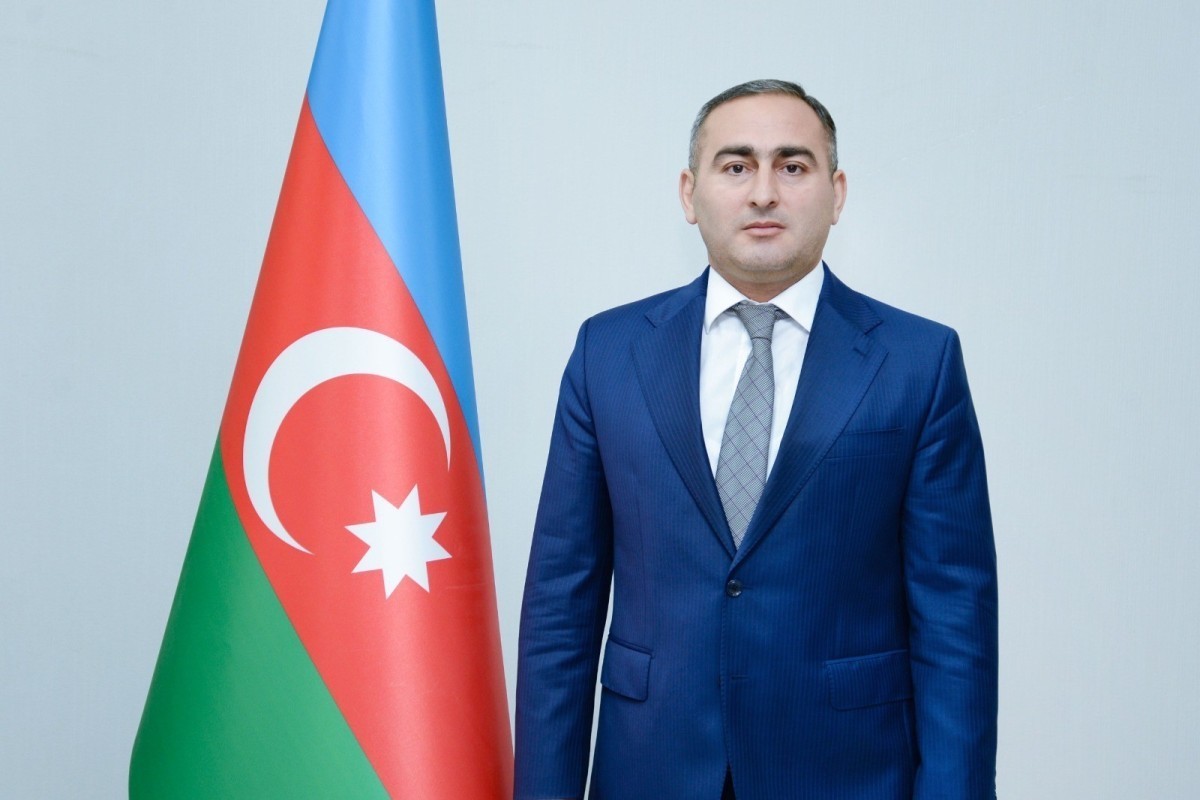





There are two main financial instruments that we plan to implement in the agricultural sector in Azerbaijan. These are commodity receipts and warehouse receipts, said Kyrylo Mukhomedzyanov, a representative of the International Finance Corporation, during a panel discussion on the third day of the Baku Climate Action Week (BCAW), APA-Economics reports.
He provided information about those instruments: “The commodity receipt is a tool that provides farmers with financial opportunities before the harvest season. It gives them access to high-quality seeds, fertilizers, fuel, and other resources. It also supports the purchase of climate-resilient technologies and equipment. The warehouse receipt allows farmers to store their products in certified warehouses after the harvest stage. Thus, farmers can store the product for a longer period, sell it at a better price, and attract additional financial resources.”
Although these two instruments seem simple, they create an entire agricultural financing ecosystem. For example, in Ukraine, through these mechanisms, since 2015, financial resources amounting to 2.4 billion US dollars have been mobilized for 11,000 farmers.”
“Bu alətlər fermerlərin maliyyəyə çıxışını genişləndirir, maliyyə institutlarının risklərini azaldır, texnologiyalara və müasir aqro-girişlərə çıxış təmin edir, bazar sabitliyinə töhfə verir, müqavilə əsaslı fermerlikdə də tətbiq oluna bilir. Üstəlik, bu alətlər iqlimədavamlı kənd təsərrüfatı təcrübələrinin yayılmasına şərait yaradır.
He stated that the IFC is cooperating with local financial institutions to develop these initiatives in Azerbaijan: “We already have some climate-oriented investments. But finance alone is not enough; legislative and sectoral capacity development is also important. Farmers need to understand why they are doing this, and financial market participants must provide appropriate solutions.”


 Follow us on Telegram
 t.me/apanewsaz
 Follow us on Instagram
 Follow us on TikTok
 Follow us on Facebook
 Follow us on X