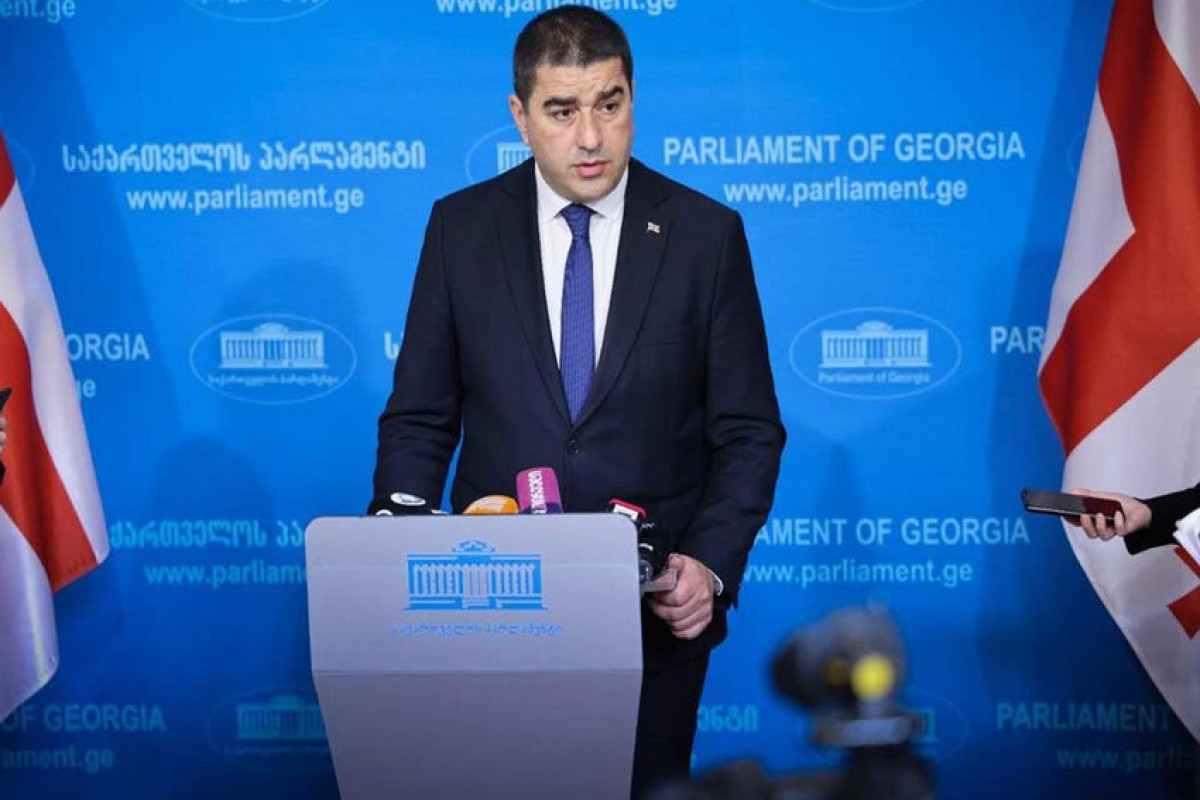


Shalva Papuashvili, the Georgian Parliament Speaker, has called on all ambassadors to adhere to the Vienna Convention on Diplomatic Relations and refrain from interfering in the internal affairs of the host country, APA reports citing Georgian Public Broadcaster.
Speaking with journalists, Papuashvili emphasized that any interference by representatives of diplomatic missions into a state’s internal matters constitutes a violation of international law.
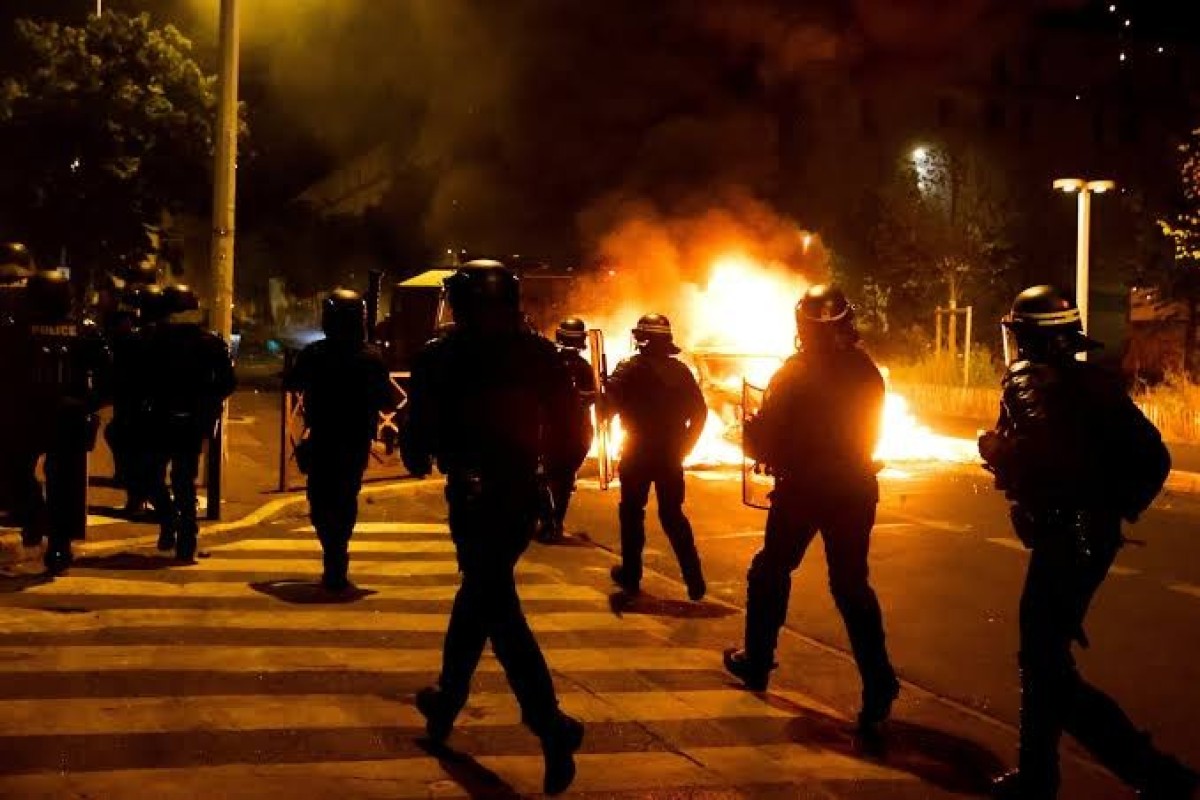
“I addressed this issue a couple of days ago and have responded multiple times to the French Ambassador’s statements and actions, as we have witnessed unusual support for radical forces in Georgia. To date, despite my appeals for both the French and other embassies to condemn and distance themselves from attacks on the Parliament building during protests fueled by those they finance, no such distancing has occurred.
The most recent attack occurred on March 31, further damaging the building. I won’t even mention the December incident, which incurred damages of half a million lari to the Georgian Parliament. Regrettably, instead of disassociating from violence, we see encouragement for it.
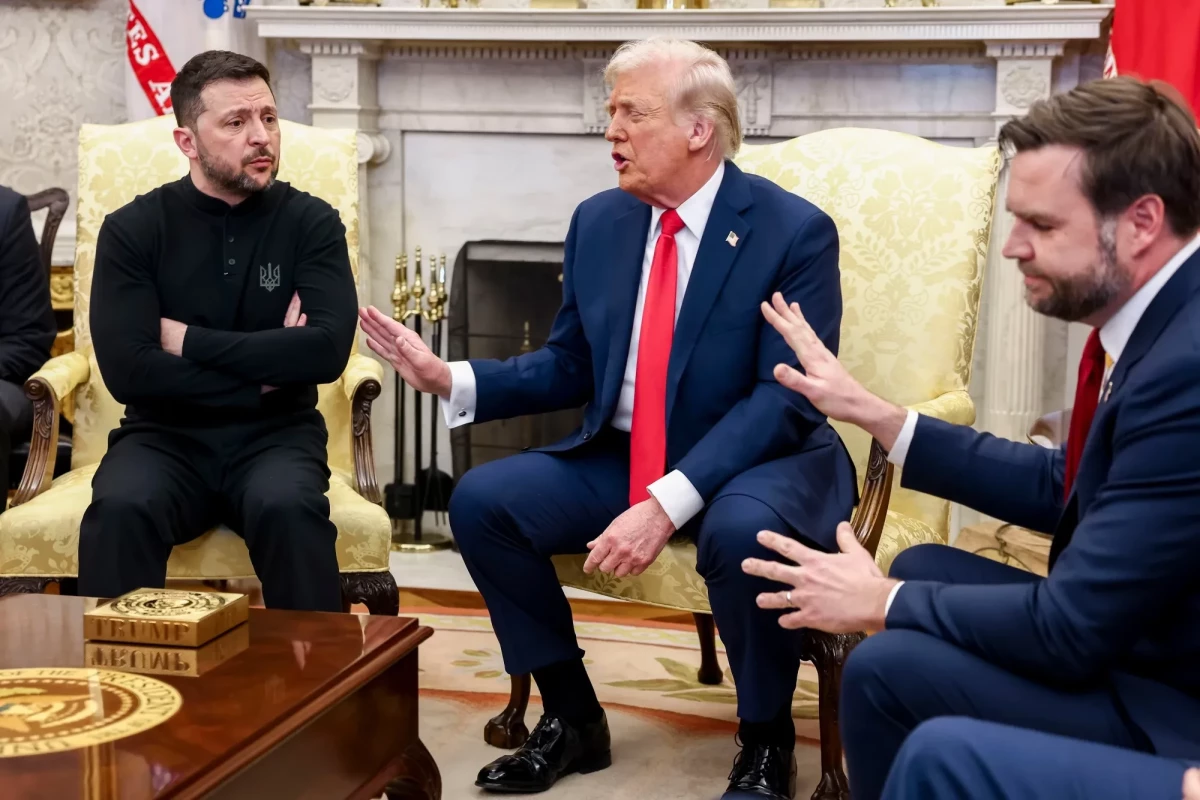
We have observed a statement from the U.S. President regarding ongoing developments in France, which he termed a ‘witch hunt.’ In reality, just four months ago, former French President Sarkozy was tried and sentenced to three years, and now the leader of the main opposition party, Le Pen, has received a four-year sentence.
In this context, the French Ambassador’s claims about political pressure and censorship lack credibility. In France, political opponents are prosecuted. According to recent polls by Le Figaro, 60% of the French population demands the president’s resignation, and 50% want new parliamentary elections. In light of this context, the French Ambassador’s criticisms of Georgian justice and claims of a political crisis lack credibility.
I reiterate my call for all ambassadors, including the French Ambassador, to operate within the framework of the Vienna Convention on Diplomatic Relations, specifically Article 41, which prohibits interference in the host country’s internal affairs. Unfortunately, this principle has become misinterpreted. Many diplomatic mission representatives seem to think they have the freedom to meddle in Georgia’s domestic matters, disregarding international legal restrictions. Their unqualified comments and attacks on Georgian justice, Parliament, and the people who elected them are unwarranted.
I urge these representatives, especially those who criticize Russia’s actions for violating international law, to recognize that interference in a state’s internal affairs by diplomats is itself a violation of international law. It is essential to respect the host country and its people and to refrain from meddling in its affairs—especially when some may lack a comprehensive understanding of Georgia,” Shalva Papuashvili stated.


 Follow us on Telegram
 t.me/apanewsaz
 Follow us on Instagram
 Follow us on TikTok
 Follow us on Facebook
 Follow us on X