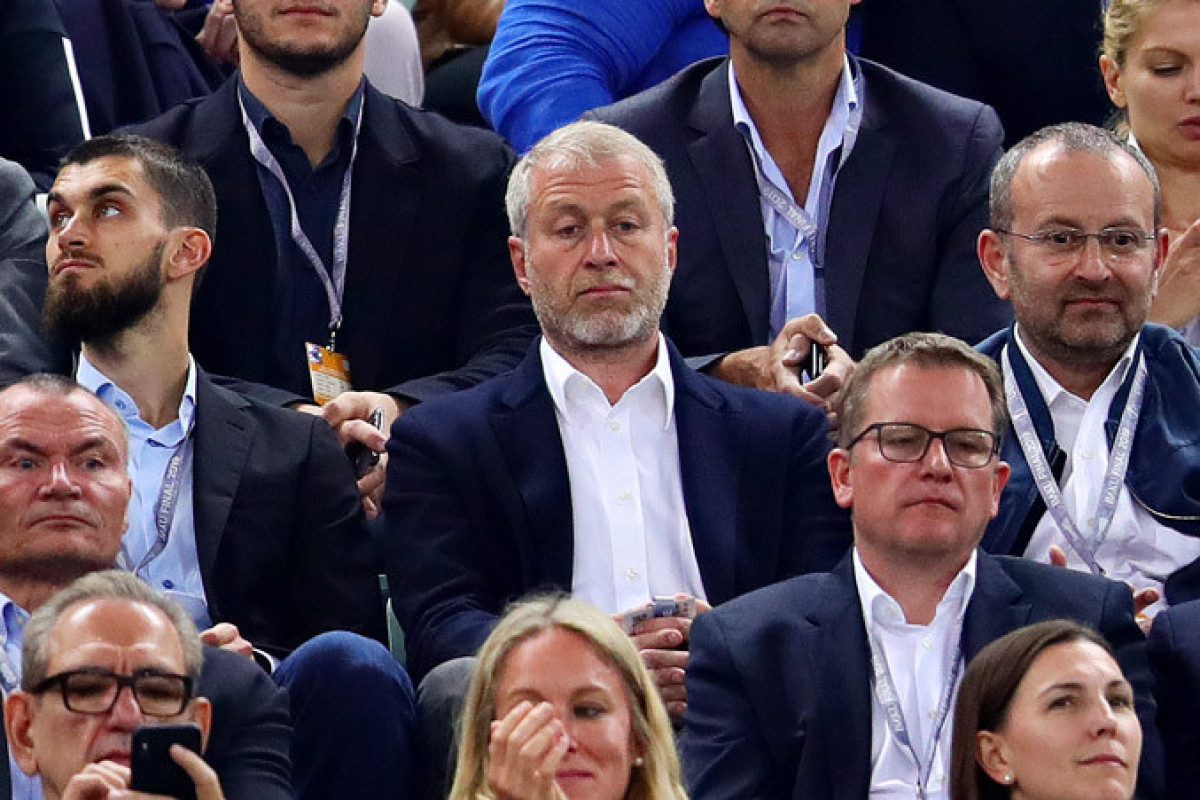

For almost 20 years, Roman Abramovich rocketed Chelsea from a club on the periphery of the elite to a global football superpower — but Russia's invasion of Ukraine has resulted in his reign coming to an abrupt end, APA reports citing CNN.
Bloody conflict in Ukraine and international outrage over Russia's invasion placed a renewed focus on Abramovich and his ownership of Chelsea.
It's a focus that has shone a light on the jarring friction between sport and politics: Abramovich the dream-realizing football owner — adored by much of the Chelsea fanbase — versus Abramovich the Russian oligarch.
Impact of sanctions: Days after the war began, as the West responded by imposing sanctions on Russia and its oligarchs, Abramovich's assets — including Chelsea — appeared increasingly vulnerable to a more punitive financial environment and he soon announced his plans to sell the club.
Before the sale could be completed, however, the UK government announced that Abramovich would be subject to sanctions as one of "Russia's wealthiest and most influential oligarchs, whose business empires, wealth and connections are closely associated with the Kremlin."
What this means for Chelsea: The club will be somewhat shielded from the sanctions, allowed to continue fulfilling its fixtures under a special license. But it does mean Chelsea is not able to sell merchandise or tickets to upcoming games, engage in the transfer market, or issue new contracts to players while under the ownership of Abramovich.


 Follow us on Telegram
 t.me/apanewsaz
 Follow us on Instagram
 Follow us on TikTok
 Follow us on Facebook
 Follow us on X