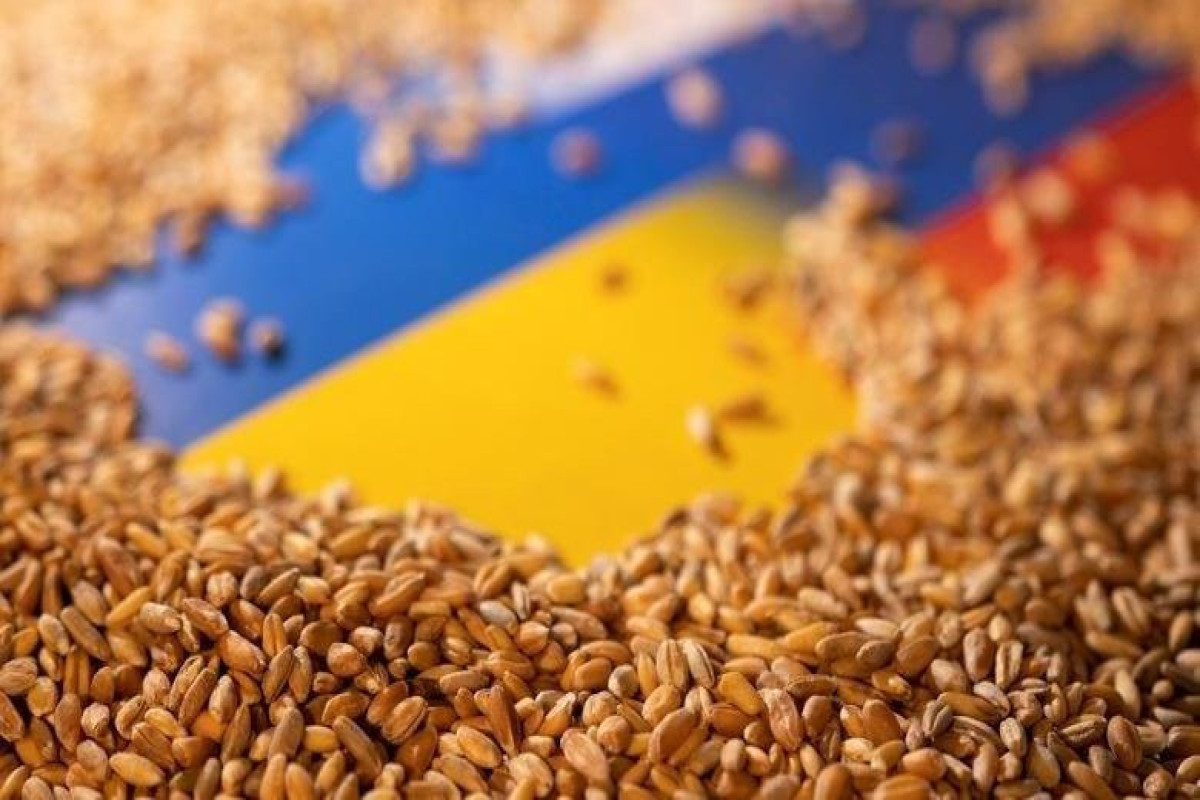


As we've been reporting, the Black Sea grain deal is set to expire at the end of the day after Russia said it would suspend its participation, APA reports citing Sky News.
Moscow previously claimed it saw "no basis" for continuing with the scheme, saying demands it had made regarding exporting its own grain and fertiliser and reconnecting its agricultural bank to the SWIFT payments system had not been met.
The last ship to leave Ukraine under the deal departed yesterday.
What is the deal?
The deal allows the safe export of grain from Black Sea ports after they were blockaded by Vladimir Putin's forces following its invasion of Ukraine.
The agreement was brokered by the UN and Türkiye and signed at a ceremony in Istanbul on 22 July last year.
It has been renewed three times since then - once for 120 days in November, and again in March, though that time only for half the intended period. A further two-month extension was agreed in May, meaning it is set to expire on 17 July.
Why was it needed?
The blockade by Russia's Black Sea fleet after it invaded its neighbour cut off supplies to markets around the world and sent grain prices soaring.
Many people in the world's poorest regions rely on shipments from the Black Sea for food, and it was feared the spiralling cost was fuelling a hunger crisis.
Though unblocking the sea export route helped to address the global food security crisis and lower grain prices, there are still hefty export backlogs.
What has been exported so far?
More than 30 million tonnes of grain and other products have been shipped under the Black Sea grain deal.
Corn accounts for half the exports, followed by wheat.
Where do the exports go?
Ships have shifted huge volumes of grain exports from three key Ukrainian ports in the Black Sea - Odesa, Chornomorsk and Pivdennyi - to world markets.
According to UN statistics, the following countries import the most products from Ukraine within the framework of the agreement:
1. China – 8 million tons;
2. Spain - 6 million tons;
3. Türkiye - 3.2 million tons;
4. Italy - 2.1 million tons;
5. The Netherlands - 2 million tons;
According to statistics, 51% of exported products were corn, 27% grain, 6% sunflower feed, 5% sunflower oil, and 11% other products.


 Follow us on Telegram
 t.me/apanewsaz
 Follow us on Instagram
 Follow us on TikTok
 Follow us on Facebook
 Follow us on X