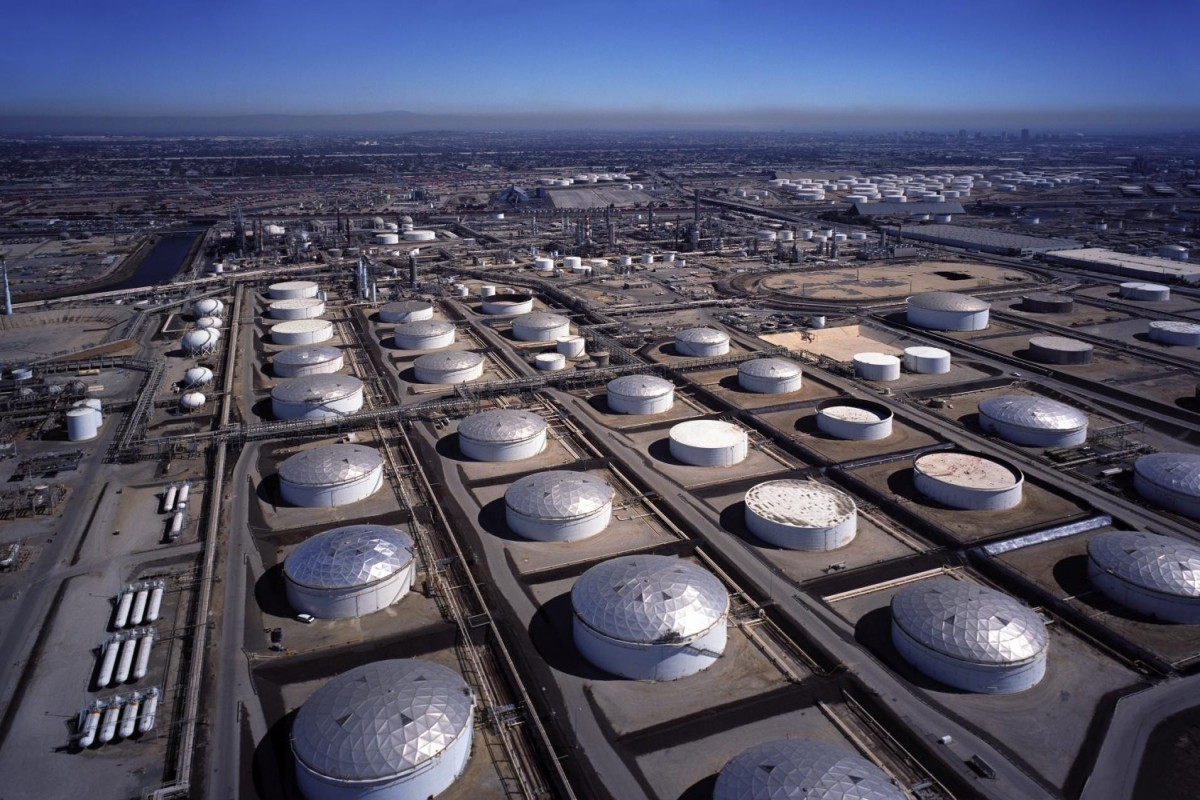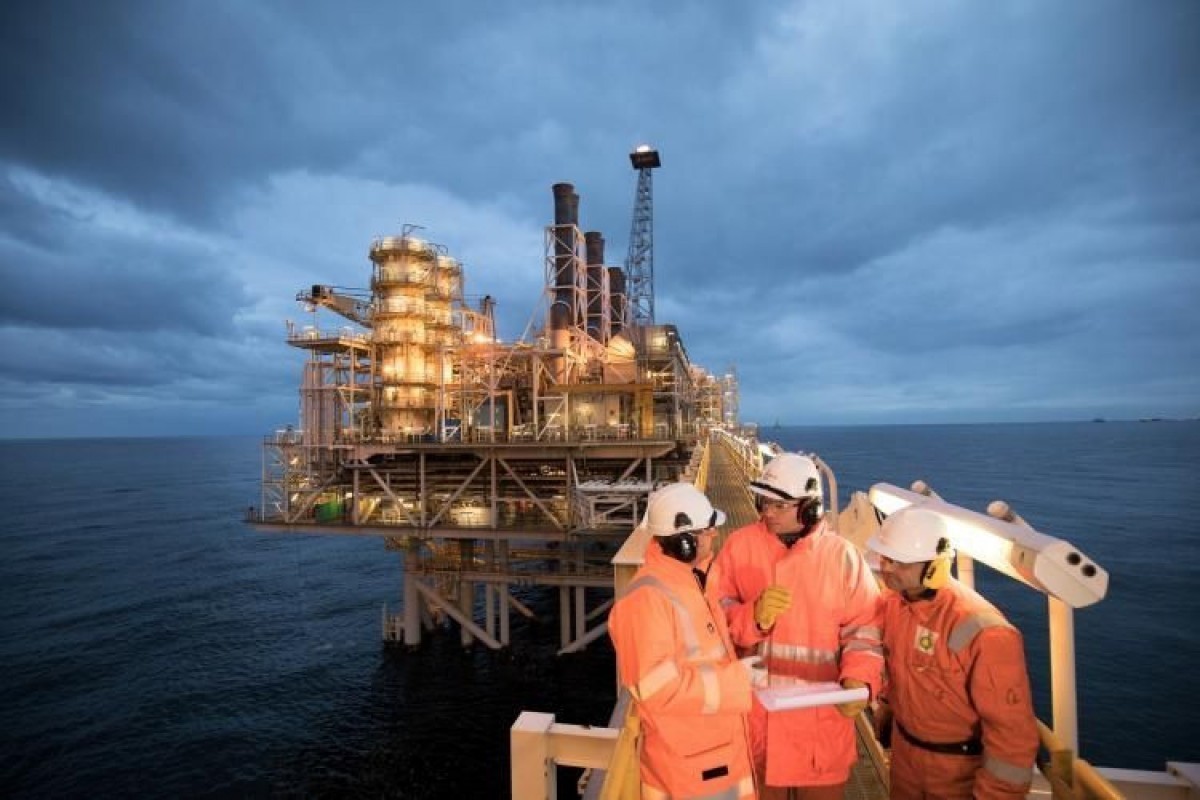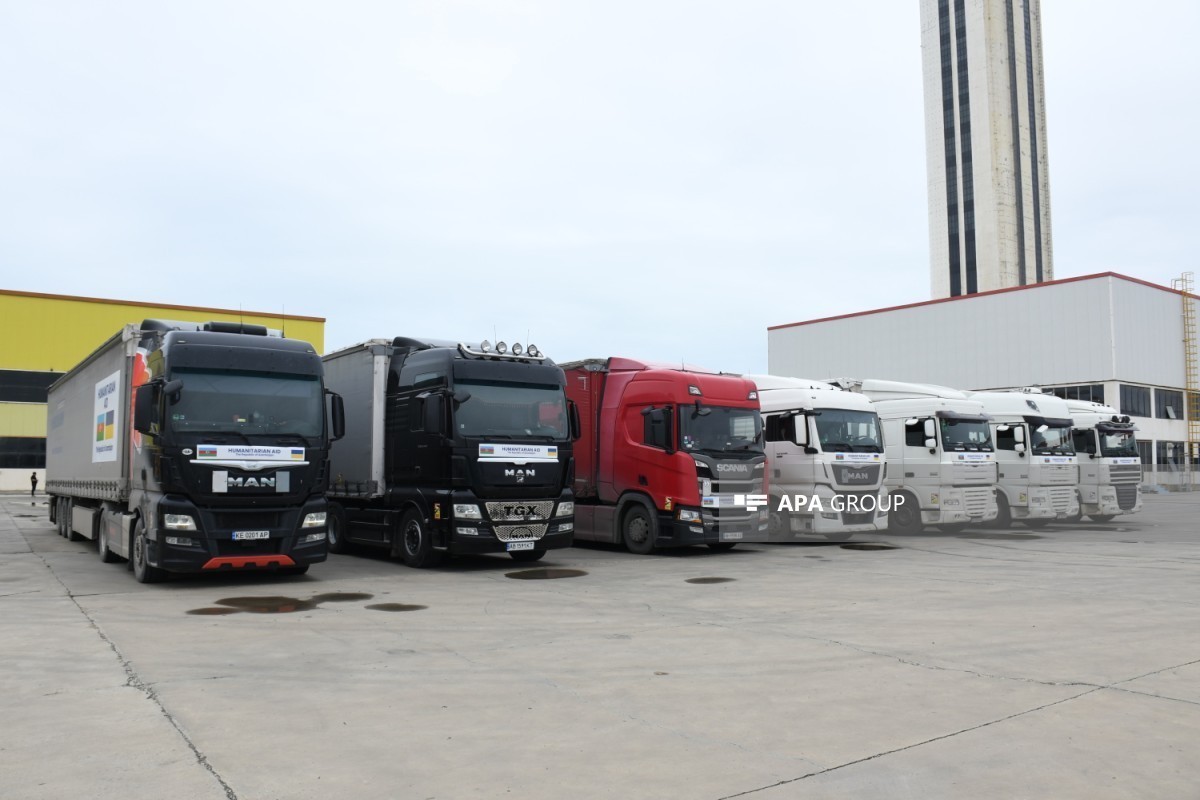


Today’s first shipment of petroleum products from Azerbaijan to Armenia is being regarded as the beginning of a new phase in the region’s energy and economic relations. According to experts, this step is significant not only for the formation of bilateral trade ties, but also in terms of diversifying Armenia’s fuel imports and expanding logistics capabilities in the South Caucasus.
Energy expert Zafar Valiyev told APA-Economics that Armenia’s annual demand for oil and petroleum products currently exceeds 480,000 tons. About 70 percent of this volume consists of gasoline, diesel fuel, and aviation fuel.
According to him, Russia has long held the largest share of Armenia’s fuel market. In the first half of 2025, this figure stood at around 72–75 percent. Under the existing agreement between Armenia and Russia, petroleum products imported from Russia are exempt from customs duties. Another major supplier is Iran, while limited volumes are also imported from Türkiye, Romania, and Bulgaria.
Valiyev noted that amid current geopolitical and economic realities, Azerbaijan could become a more favorable and rational supply source for Armenia. He emphasized that Azerbaijan has sufficient production and logistics capacity to supply regional countries with petroleum products.
The expert recalled that until 1988, Azerbaijan supplied Armenia with petroleum products, and that technically such capabilities still exist today. Under current conditions, supplies from Azerbaijan would be more advantageous for Armenia in terms of price, supply chain efficiency, and delivery time. However, he stressed that for economic ties to take on a sustainable character, the signing of a peace agreement remains essential.

Russia’s production challenges and risks
According to Z. Valiyev, more than 28 oil refineries meeting Euro-5 standards operate in Russia. Since the war in Ukraine entered an active phase, around half of these refineries have been put out of operation, and restoring them to their previous production capacity is unlikely before mid-2026.
The expert noted that due to sanctions, Russian oil refineries cannot directly procure equipment from Europe, and instead must do so through third countries. This leads to additional costs and delays. As a result, supply problems in Georgia and Armenia’s fuel markets in the near term cannot be ruled out.
Logistics and the Iran factor
Valiyev pointed out that transporting petroleum products from Russia to Armenia via Georgia is a costly and time-consuming process. Rail transportation of one ton of fuel through Georgian territory costs around $160–170, and due to the complexity of transport routes, delivery times exceed 20 days.
Regarding Iran, he noted that the country’s oil refineries do not meet Euro-5 standards and that the quality of the products is relatively low. In addition, Iran has been facing an energy crisis for several years, and seasonal increases in demand create further difficulties in the domestic market.
Azerbaijan’s advantages and the normalization message
According to experts, sourcing fuel from Azerbaijan is more practical for Armenia across all parameters. The fact that most of Armenia’s 12 oil terminals are located near the Azerbaijani border further strengthens this advantage. Supplies carried out through SOCAR also align with Armenia’s interests in terms of energy security.

A practical sign of commitment to peace and normalization documents
Ilham Shaban, head of the Oil Research Center and an energy expert, told APA-Economics that despite the absence of diplomatic relations between the two countries, this trade operation is a practical demonstration of commitment to peace and normalization documents. According to him, it can also be regarded as the beginning of financial transactions between commercial entities.
“The launch of the first commercial relations between Armenia and Azerbaijan in the absence of diplomatic ties once again confirms the commitment of official Baku and Yerevan to the peace document signed in Washington,” Shaban said.
He noted that one of the key features of this transaction, which has now become a reality, is its purely commercial nature. “This is not only trade in petroleum products between the two countries, but can also be considered the start of financial operations between commercial entities, including with the possible involvement of third parties,” he said.
Shaban described this process as a serious step toward the formation of a new supply source in Armenia’s petroleum products market and the diversification of imports.
Naturally, the start of petroleum product trade between Azerbaijan and Armenia is also of great importance in terms of expanding transport and logistics opportunities across the entire South Caucasus region, he added.
He recalled that in the post-Soviet period, Russia has held a dominant share in Armenia’s petroleum products and overall energy market, a position that largely remains today. In this context, the future sustainable import of petroleum products from Azerbaijan could help increase competition in Armenia’s fuel market.
Although Armenia’s petroleum products market is not large in volume — with annual imports totaling around $500 million — Shaban said the sector could emerge as a promising area with special weight in trade relations between the two countries.
AI-95 gasoline supply to reduce Armenia’s dependence on Russia
Meanwhile, Orkhan Yolchuyev, Director of the STEM Analytical Center, noted that the shipment of Azerbaijan-produced petroleum products to Armenia is an important component of the normalization process. In his view, the supply of AI-95 gasoline in particular will help reduce Armenia’s dependence on Russia and create opportunities to build up strategic fuel reserves:

“The shipment of Azerbaijan-produced petroleum products to Armenia can generally be viewed as part of the normalization process. Earlier, the transit of strategically important Kazakh wheat to Armenia via Azerbaijan marked a significant step toward lifting transit restrictions in the region. Now, Azerbaijan is directly supplying its own products — petroleum products that Armenia needs most, including gasoline.
Armenia is heavily dependent on gasoline imports. Over the years, the country has relied mainly on Russia for the import of petroleum products, including gasoline. Azerbaijan’s gesture — sending its oil products, including AI-95 gasoline, to Armenia — enables diversification of Armenia’s strategic commodities and creates conditions for reducing dependence on Russia in this sphere.
At the same time, Armenia will be able to replenish its strategic reserves using the petroleum products we supply. Currently, the country’s strategic reserves of oil and fuel are close to depletion, and demand for petroleum products is expected to rise further, especially during the winter months.
This step creates a serious incentive for Armenia and gives additional momentum to the normalization process. Confidence-building measures are continuing, and Azerbaijan’s gestures should also lead to certain positive shifts within Armenian society. Azerbaijan is comprehensively demonstrating that the phase of war is already behind us. We are interested in business, cooperation, and the formation of new realities and stability in the region. The implementation of such projects will further strengthen stability and sustainable development in the region.”
Experts generally agree that this step strengthens confidence-building measures in the region, demonstrates that the phase of war has passed, and opens up new opportunities for stability, economic cooperation, and sustainable development in the South Caucasus.
Rahim Tariverdiyev
Emil Ismayilov
Ashraf Mehdiyev


 Follow us on Telegram
 t.me/apanewsaz
 Follow us on Instagram
 Follow us on TikTok
 Follow us on Facebook
 Follow us on X