Baku-APA. Watching old Arab enemies reel with sectarian insurgencies and international diplomacy capping the Iranian nuclear drive, Israel's military is confounded by a new challenge: quiet, APA reports quoting Reuters
The relative tranquility, for Israel at least, poses its own dilemma for commanders tasked with preparing for an array of potentially unpredictable future adversaries while trying to stave off steep cuts to their budget.
With no hostile armies massing nearby, Israel's strategic position is "one of the best it has ever been", military chief Lieutenant-General Benny Gantz told the IDC Herzliya college, venue for one of several security conferences held this week.
But Islamist guerrillas abound on its borders and the internal strife in neighboring Syria and Lebanon often spills over, raising tinderbox incidents every few days, Gantz said.
Failure to douse these could bring blinding escalation on several fronts. Israel enjoys economic and democratic vigor rare for the region and in past conflicts public opinion quickly mobilized in favor of big, even outsized retaliation.
As an example of his quandary, Gantz mentioned a Katyusha fired by jihadis in Sinai - a largely lawless patch of Egypt, which is at peace with Israel - at Eilat resort this month.
The rocket fell harmlessly in the Red Sea. "But had it hit the Meridien (hotel), we would be in a different place right now," Gantz said, apparently alluding to what would be a major bust-up with Cairo as Israel weighed hitting back inside Sinai.
So containment is key. Israel has fenced off its frontiers and is building an integrated missile shield with U.S. help. To deter foes, Israeli leaders frequently talk up their own military's prowess and sometimes resort to bold threats.
Air force commander Major-General Amir Eshel accused Lebanese Hezbollah guerrillas of setting up "thousands of bases" in residential buildings and said Israel was poised to destroy them if provoked - despite the likely civilian toll.
"Whoever stays in these bases will simply be hit and will risk their lives. And whoever goes out will live," he told the Fisher Institute for Air and Space Strategic Studies.
Hezbollah is the most immediate menace to Israel. It fought an inconclusive war in 2006 and Israeli officials say the Iranian- and Syrian-backed militia's arsenal now includes some 100,000 missiles - up 30,000 from Israel's data last year.
Still, the timing of Eshel's broadside raised eyebrows as the Israelis believe Hezbollah may be too busy helping Damascus battle an almost 3-year-old Syrian rebellion to fight them now.
An Israeli source briefed on military planning suggested that Eshel and other top officers might be trying to justify the armed forces' high price to a thrift-minded government.
The defense budget is around 51.5 billion shekels ($14.74 billion), 6 percent of GDP, and the government wants wide cuts.
"It has been a year since our last round of fighting, so now there are questions about all of those defense projects that are worth billions," the Israeli source said on condition of anonymity, referring to the November 2012 conflict in Gaza.
Fiscal pressure and Syria's surrender of chemical arms to foreign inspectors led Israel to stop issuing its citizens gas masks as of next month. In another sign Israelis do not fear imminent shelling of their interior, the Defence Ministry wants to shut the Civil Defence Ministry and take over its duties.
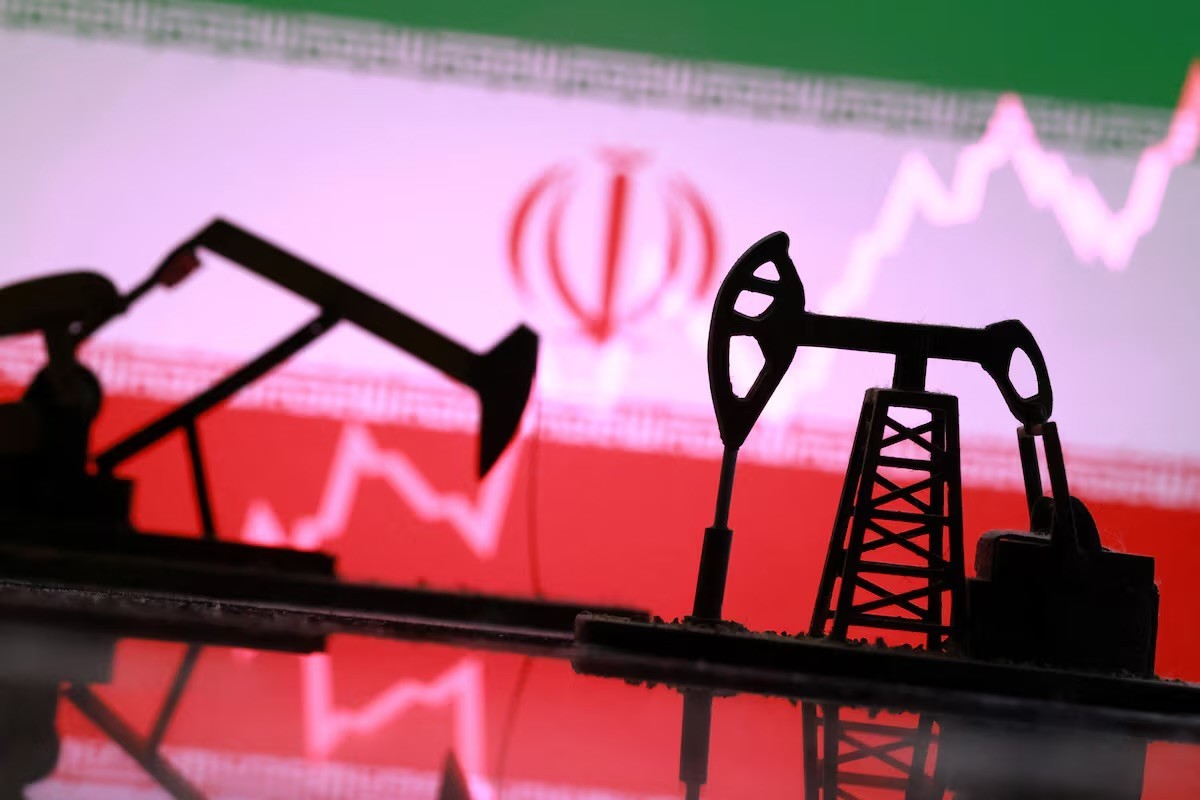
The most obviously expensive and so-far unrealized military mission has been the mooted war on Iran's nuclear program.
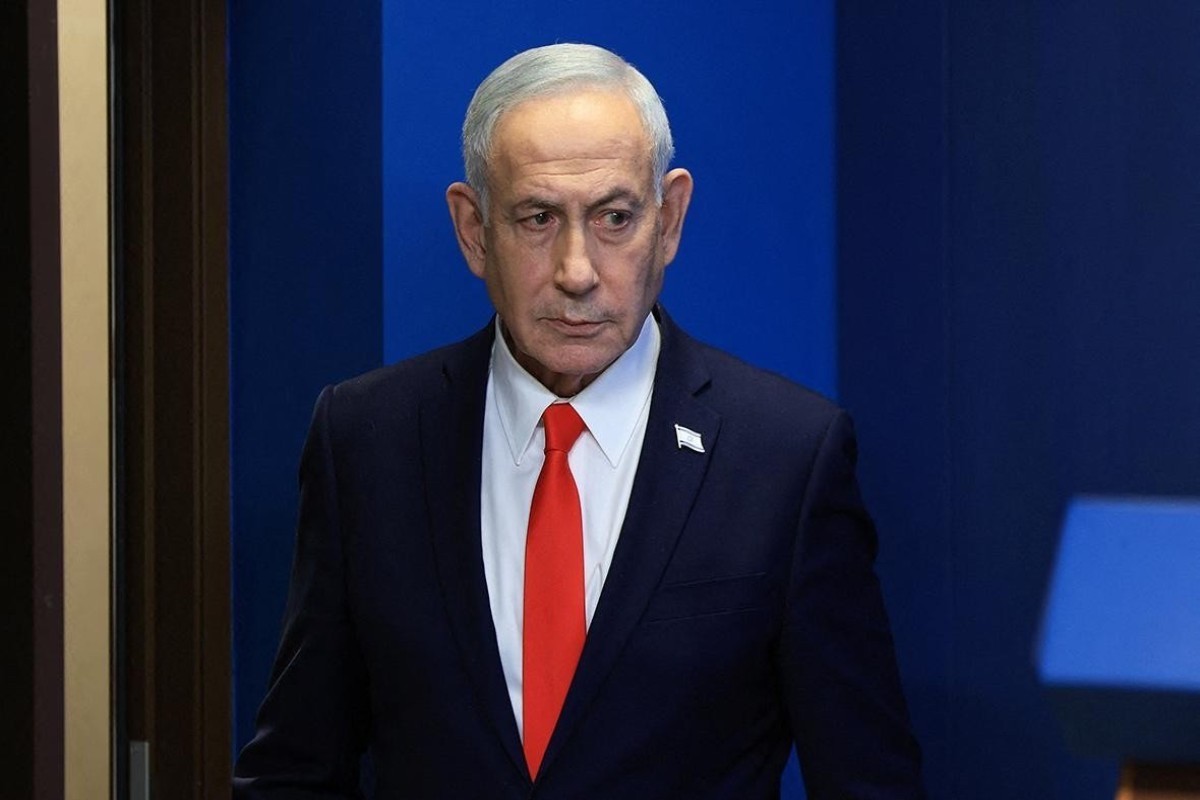
An interim deal between Iran and world powers put the brakes on Israeli Prime Minister Benjamin Netanyahu, though he condemned the accord as an "historic mistake" that eased sanctions while leaving Iran's nuclear infrastructure intact.
Breaking with Netanyahu's hard tone, Eshel - the man who would oversee any air strikes on Iran - said the diplomacy appeared to have "a positive direction". However, he added: "I don't know how it will end."
In the absence of full-on conflagration, the Israeli military was now busy waging a "campaign between wars", Eshel said, "to deal with the dangers before they form".
This appeared to allude to covert strikes against targets as far-flung as Hezbollah-bound arms convoys in Syria or Iranian-supplied weapons depots in Sudan. The Israelis are also widely suspected of sabotaging Iran's nuclear computers - a capability Netanyahu proudly touted at a Tel Aviv cyber forum.


 Follow us on Telegram
 t.me/apanewsaz
 Follow us on Instagram
 Follow us on TikTok
 Follow us on Facebook
 Follow us on X