The top U.S. commander in the Pacific told Congress on Wednesday the United States may need to strengthen its missile defenses, particularly in Hawaii, given the advancing threat from North Korea's missile and nuclear weapons programs, APA reports quoting Reuters.
Just before the entire U.S. Senate was due to receive a top-level briefing on North Korea at the White House, Admiral Harry Harris said he believed Pyongyang's threats against the United States needed to be taken seriously.
Earlier on Wednesday, the U.S. military moved parts of an anti-missile defense system to a deployment site in South Korea, triggering protests from villagers and by China - whose help is vital to agreeing and implementing tougher economic sanctions to try to persuade North Korea to abandon its weapons programs.
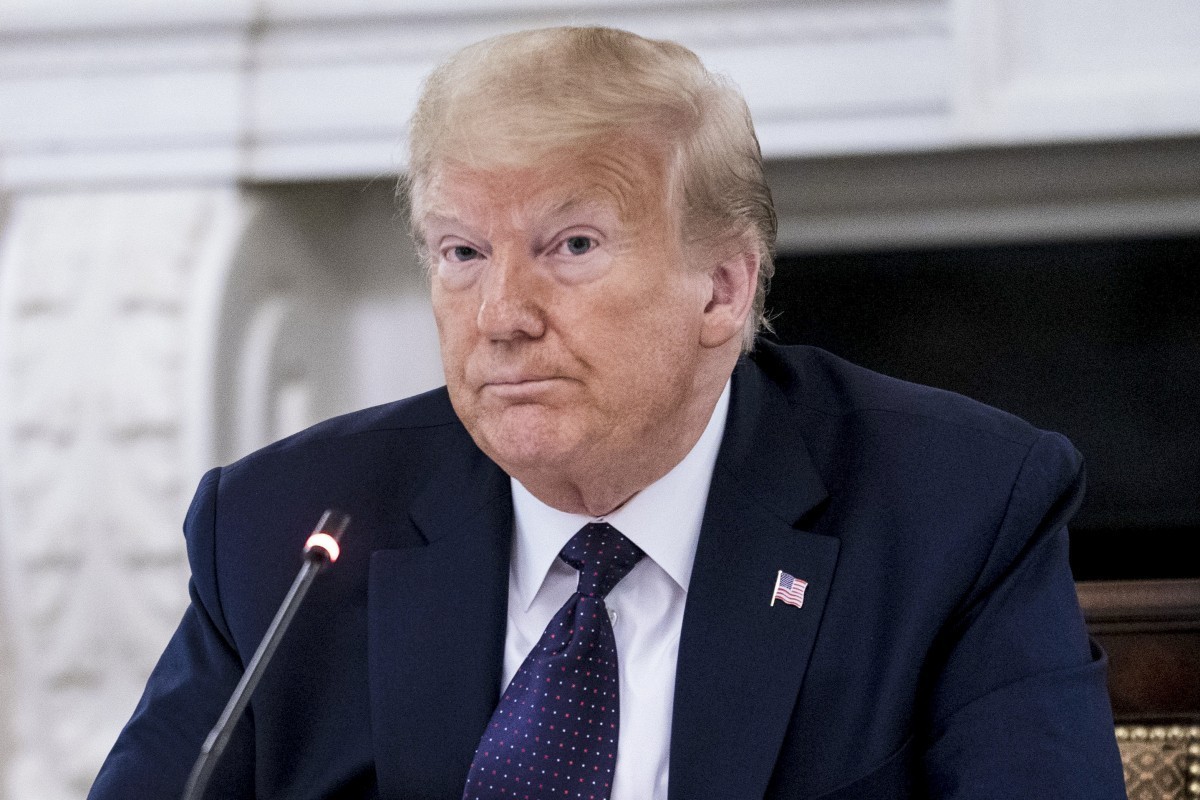
North Korea's growing nuclear and missile threat is perhaps the most serious security challenge confronting U.S. President Donald Trump. He has vowed to prevent North Korea from being able to hit the United States with a nuclear missile.
Harris told lawmakers the Terminal High Altitude Area Defense (THAAD) system would be operational "in coming days."
He said the defenses of Hawaii were sufficient for now but could one day be overwhelmed, and suggested studying stationing new radar there as well as interceptors to knock out any incoming North Korean missiles.
"I don't share your confidence that North Korea is not going to attack either South Korea, or Japan, or the United States ... once they have the capability," Harris told one lawmaker.
Washington and Pyongyang have stepped up warnings to each other in recent weeks amid concerns that Pyongyang may soon conduct a sixth nuclear bomb test.
Washington has said all options are on the table, including military strikes, but officials have stressed that the current focus is on stepped-up sanctions on North Korea, which are expected to be discussed at a U.N. Security Council meeting on Friday chaired by U.S. Secretary of State Rex Tillerson.
Harris's testimony was the latest sobering reminder of growing U.S. alarm about North Korea. The country has yet to test a missile capable of reaching the United States, but experts say it could have the capability some time after 2020.
U.S. officials have warned that a conflict with North Korea could have a devastating effect on ally South Korea and U.S. troops based there, a point Pyongyang underscored by a big live-fire exercise on Tuesday to mark the foundation of its military.Harris conceded that North Korean retaliation to any U.S. strikes could cause many casualties in South Korea, but added that there was the risk "of a lot more Koreans and Japanese and Americans dying if North Korea achieves its nuclear aims and does what (North Korean leader Kim Jong Un) has said it’s going to do."
North Korea has vowed to strike the United States and its Asian allies at the first sign of any attack on its territory.


 Follow us on Telegram
 t.me/apanewsaz
 Follow us on Instagram
 Follow us on TikTok
 Follow us on Facebook
 Follow us on X