












Baku – APA. The hundreds of villagers killed with machetes near the central Nigerian city of Jos on Sunday have thrown the sectarian problems of Africa’s most populous nation into the spotlight again, APA reports quoting time.com web-page. Nigerian officials claim the latest bloodshed — most victims were Christians, many of them women and children — was retaliation for clashes in the same city in Jan. In that massacre, Christian attackers killed 300 Muslims.
Nigeria has been wracked by periodic episodes of violence for decades. The country’s 150 million people are divided about equally between Christians and Muslims, and further splintered into about 250 tribes. Jos, some 300 miles north of Nigeria’s largest city, Lagos, sits smack-dab in the center of Nigeria’s tumultuous "middle belt," a so-called cultural fault line that divides the country’s Muslim north from the Christian south. The "middle belt" is a melting pot where the major ethnic groups of Nigeria — Hausa-Fulani Muslims and Yoruba and Igbo Christians — usually coexist peacefully but sometimes collide.
Many Nigerians argue that the real reason for the violence isn’t ethnic or religious differences but the scramble for land, scarce resources and political clout. Poverty, joblessness and corrupt politics drive extremists from both sides to commit horrendous atrocities. Although the nation rakes in billions of dollars in oil revenue annually, the majority of Nigerians scrape by on less than a dollar a day. In the Plateau state, where Jos is located, Muslim cattle herders from the north and Christian farmers from the south vie for control of the fertile plains.
That poor distribution of wealth has also sparked conflict in Nigeria’s oil-rich southern delta region, where militants lobbying for a greater share of oil revenue regularly blow up pipelines and kidnap foreign oil workers. Andrew Kakabadse, Professor of International Management Development at the U.K.-based Cranfield School of Management, says oil companies have at various times pitted ethnic factions against one another for economic gain.
Kakabadse blames a lethal combination of outside oil interests, longstanding local conflicts and poverty for the sectarian strife. "In Nigeria the Christian-Muslim thing is the tip of the iceberg," he says. "What’s underneath the water is a much more complex socio-political situation, which cannot be explained just in terms of the religious divide. You have a recipe ripe for conflict and it just so happens to be Christian-Muslim."
Sectarian conflict erupted most profoundly in 1967 when three primarily Igbo eastern states seceded under the name Republic of Biafra sparking a bloody three-year civil war. The attempt to break away ultimately failed and Nigeria reintegrated the Igbo majority region in 1970.
Violence among Muslim and Christian ethnic groups was largely kept in check by a succession of military regimes until 1999, when Nigeria returned to civilian rule. While democracy permits greater freedom of religious expression in Nigeria, it has also intensified the political and economic frictions between ethnic groups. Rioting in 2001 killed more than 1,000 people and subsequent outbreaks in 2004 and 2008 killed another thousand. Smaller but no less vicious attacks in 2009 claimed the lives of dozens.
Police have arrested more than 90 people for their alleged roles in this week’s massacre; Washington and international human rights groups are calling on Nigeria to prosecute and punish those responsible. "It’s time to draw a line in the sand," Human Rights Watch researcher Corinne Dufka said in a statement. "The authorities need to protect these communities, bring the perpetrators to book and address the root causes of violence." But even if that happens, the violence is unlikely to end altogether.


 Follow us on Telegram
 t.me/apanewsaz
 Follow us on Instagram
 Follow us on TikTok
 Follow us on Facebook
 Follow us on X
Africa
Two killed, five injured in shooting in S. Africa
 16:09
16:09
 14 October 2026
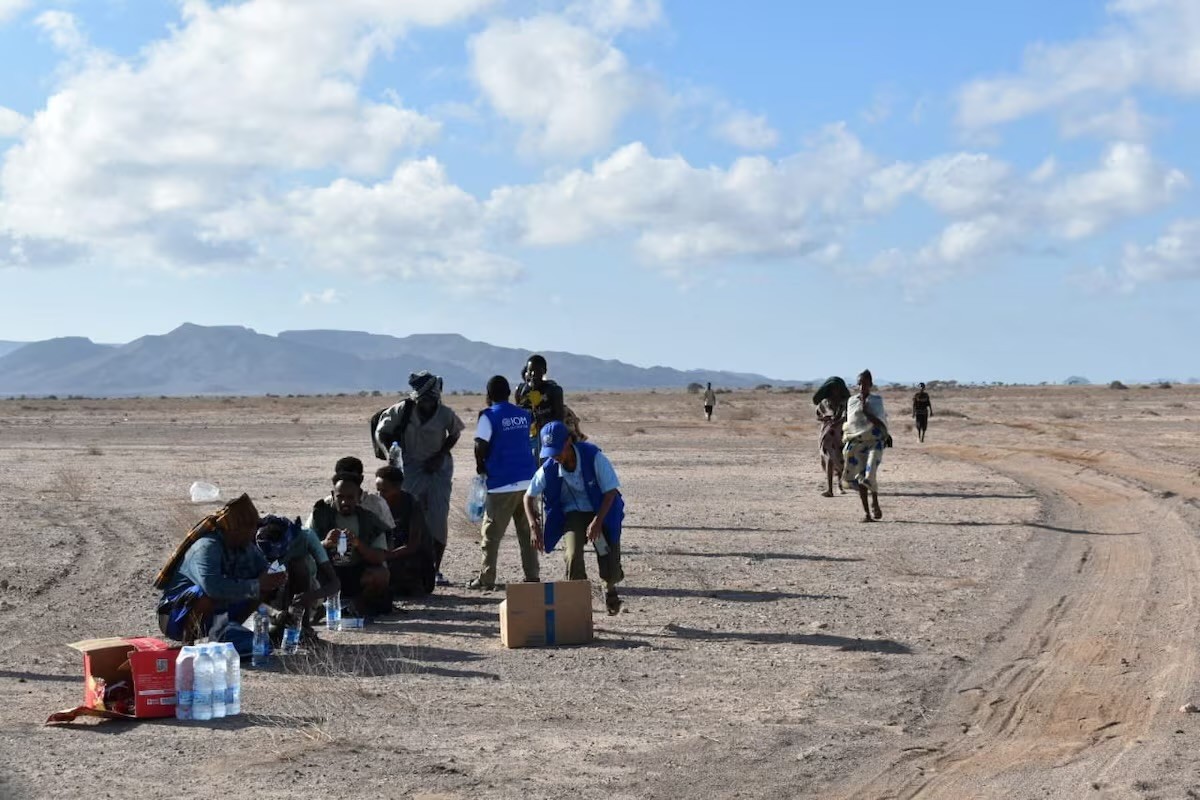
At least 139 migrants dead, including some children, after boat from Djibouti to Yemen capsizes, UN agency says
21:17
11 October 2026
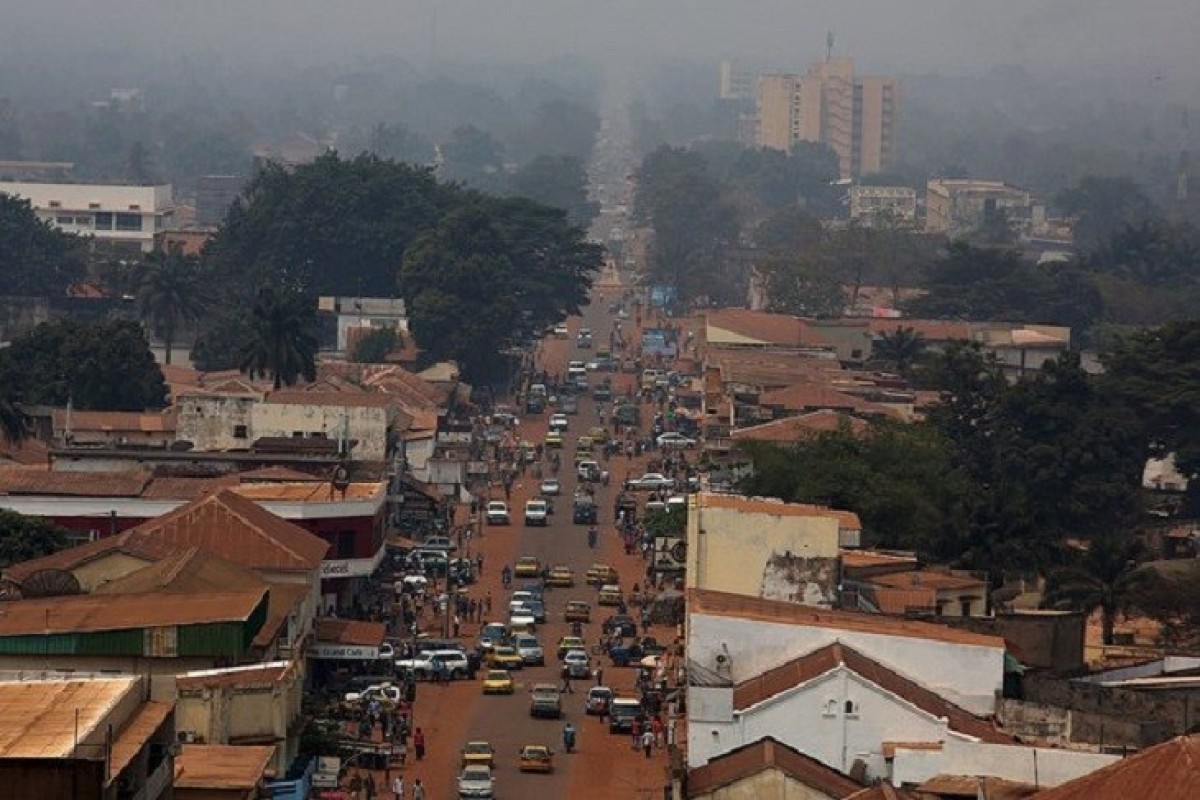
Central African Republic foils planned large-scale militant attack
07:04
11 October 2026
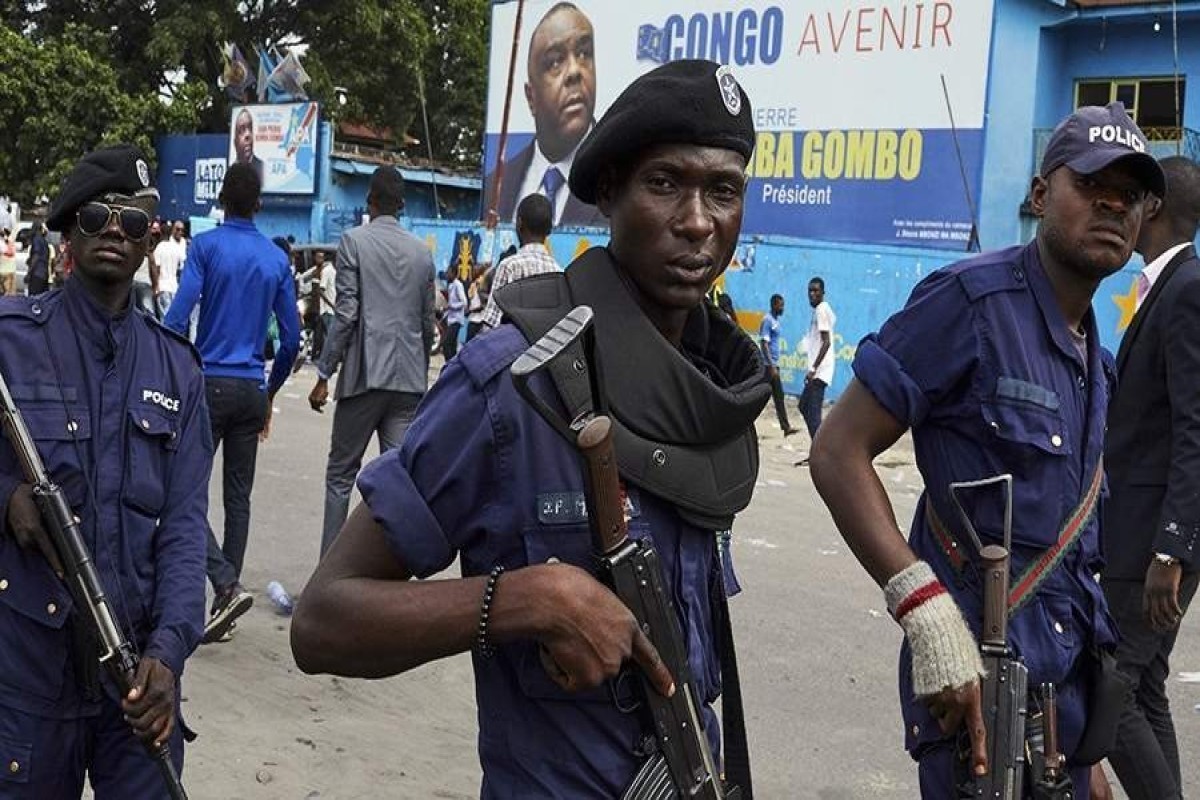
Rebel attack kills 11 civilians in DR Congo
05:16
11 October 2026

NEWS FEED
US proposes partial unfreezing of Russian assets to revive Ukraine talks — FT
07:02
15 October 2026
More than 40 flights to Istanbul have been diverted to other airports
04:09
15 October 2026
Houthis claim hit on Saudi fighter jet
03:41
15 October 2026
US destroys Iran-linked ship in Gulf of Oman
02:37
15 October 2026
Aston Villa beat Fenerbahce 6-0 in Champions League clash at Villa Park
02:10
15 October 2026
Media and Broadcasting Council and Ministry of Health release joint statement
01:37
15 October 2026
Trump: Canada will end up being 51st state
01:14
15 October 2026
Istanbul roads collapse, traffic hits 90% as flooding continues
00:52
15 October 2026
Banks, buildings burn as Albania's capital Tirana erupts into student violence
00:26
15 October 2026
Six years pass since Armenian army's shelling of Terter cemetery
00:00
15 October 2026
Haberturk: Teenager dies from electric shock during heavy rain in Istanbul
23:45
14 October 2026
Ukrainian President rules out resigning, holding elections
23:39
Audio
14 October 2026
FBI denies Patel's visit to Russia
23:16
14 October 2026
Britain will develop military equipment for Ukraine
23:00
14 October 2026
Dinner hosted on behalf of President Ilham Aliyev in honor of participants of 7th CICA Summit
22:44
14 October 2026
French President to visit Gulf states from October 19 to 21
22:34
14 October 2026
President Ilham Aliyev met with President of Tajikistan
22:18
14 October 2026
President Ilham Aliyev met with President of Uzbekistan-UPDATED
21:50
14 October 2026
US plans to deploy hundreds of thousands of kamikaze drones
21:41
14 October 2026
Zelenskyy says he feels 'betrayed' by Trump's actions
21:25
14 October 2026
FBI Director Patel visits in Russia
20:37
14 October 2026
Iranian FM, Lebanese President discuss developments in Lebanon and the region
20:27
14 October 2026
Le Pen and Melenchon gain momentum ahead of French 2027 election, poll shows
20:11
14 October 2026
Amir of Qatar arrives in Azerbaijan
19:35
14 October 2026
Hakan Fidan arrives in Baku - UPDATED
19:13
14 October 2026
President Ilham Aliyev met with President of Israel
19:11
14 October 2026
President Ilham Aliyev receives member of Political Bureau of CPC Central Committee
19:09
14 October 2026
President Ilham Aliyev receives Bahrain’s Foreign Minister
19:09
14 October 2026
Georgia not invited to EU forum
19:08
14 October 2026
President of Azerbaijan receives Sri Lankan minister
19:06
14 October 2026
President Ilham Aliyev met with Vietnamese Vice President
19:06
14 October 2026
State Migration Service: More than 30 Azerbaijani citizens readmitted from Germany
18:48
14 October 2026
MP from Pashinyan’s party denied entry to Russia
18:32
14 October 2026
Shavkat Mirziyoyev arrives in Baku - UPDATED
18:30
14 October 2026
Azerbaijani delegation familiarizes itself with operations of Kazakhstan’s leading ports and terminals
18:22
14 October 2026
Azerbaijani and Kyrgyz delegations hold meeting - VIDEO
18:15
14 October 2026
“Falcons Meet - 2026” joint tactical flight exercise continues - VIDEO
18:14
14 October 2026
Trump did not invite OSCE observers to the U.S. midterm elections
18:10
14 October 2026
Chinese and Russian foreign ministers meet in Baku
18:08
14 October 2026
Emomali Rahmon arrives in Azerbaijan
18:03
14 October 2026
Kyrgyz President arrives in Azerbaijan
17:47
14 October 2026
NATO Secretary General: No need for idea of unified European army
17:32
14 October 2026
Prime Ministers of Azerbaijan and Cambodia meet in Baku
17:29
14 October 2026
Azerbaijan-Laos investment and business forum held in Baku - PHOTO - UPDATED
17:26
14 October 2026
Kanak politician: We cannot allow France to continue its colonial policy
17:26
14 October 2026
Kazakh President begins visit to Azerbaijan
17:23
14 October 2026
Agreement reached on draft documents to be adopted at 7th CICA Summit in Baku tomorrow
17:19
14 October 2026
Assessment of OPEC+ countries’ production capacities to be ready by year-end
17:15
14 October 2026
Azerbaijani and Kyrgyz delegations hold meeting - VIDEO
17:11
14 October 2026
Russian FM arrives in Azerbaijan - UPDATED
16:58
14 October 2026


