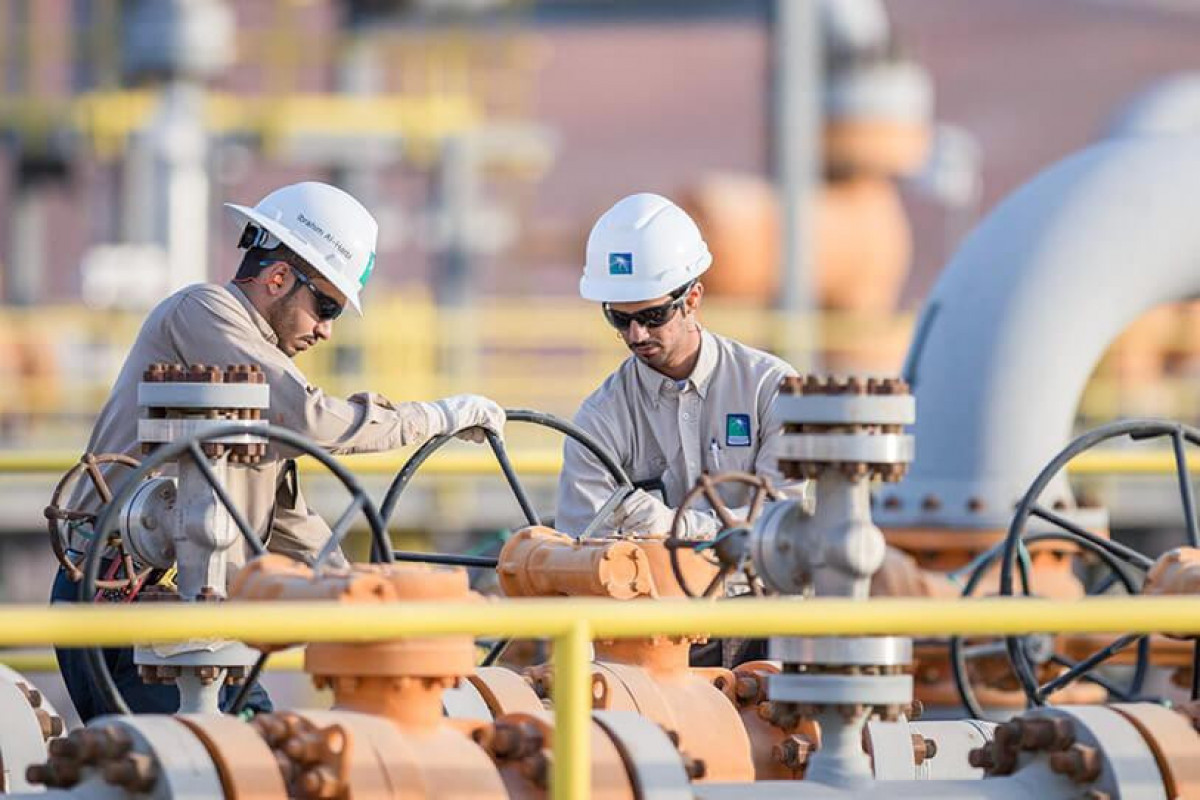


“Freezing or capping energy bills may help consumers in the short term, but it does not address the real causes and does not represent a long-term solution,” said CEO of Saudi Aramco Amin Nasser at a forum in Switzerland, APA-Economics reports citing Reuters.
“It is clear that imposing taxes on companies when we want them to increase production is not a feasible step,” he added.
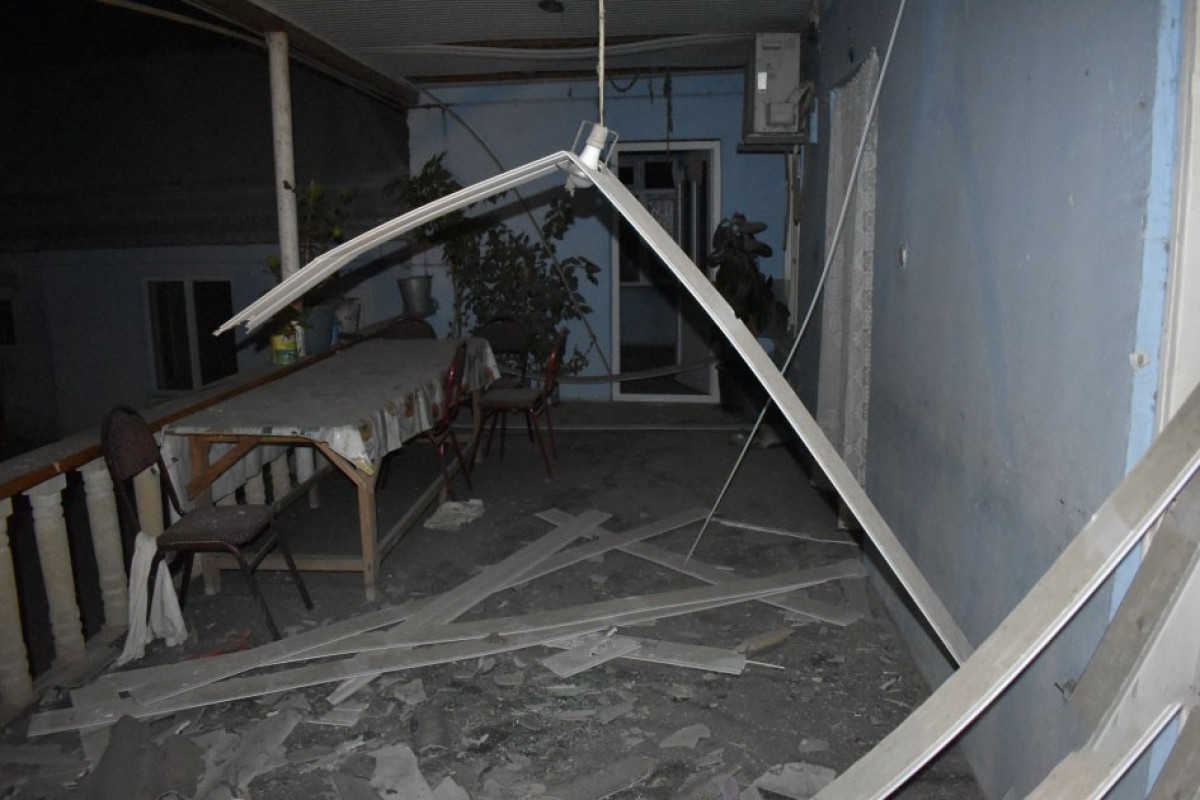
European governments have earmarked hundreds of billions of euros to spend on boosting tax cuts, subsidies, and support programs to tackle an energy crisis that has soared inflation, forcing industries to shut down production and raise bills before winter.
As part of the European Union’s plans – announced last week – some of the huge profits generated by energy companies will be cut and redistributed to ease the burden on consumers.
Amin Al-Nasser, who heads the world’s largest oil exporter, said that one of the root causes of the crisis is the continued lack of investment in the hydrocarbon sector at a time when alternatives to fossil fuels are still not readily available.
“The conflict in Ukraine has certainly exacerbated the effects of the energy crisis, but it is not the root cause of it,” he added, “Unfortunately, even if the conflict stops today – which we all wish for – the crisis will not end.”
Aramco is investing to increase the kingdom’s production capacity to 13 million barrels per day by 2027, but Nasser warned that global investments in hydrocarbons are still “too little, too late, and too short-lived.”
The lack of investment comes at a time when overcapacity is declining, and demand remains “rather strong” despite strong economic headwinds.
“When the global economy recovers, we can expect demand to recover more, and thus the shortage of excess production capacity around the world will end,” Nasser said. “That is why I am very concerned.”


 Follow us on Telegram
 t.me/apanewsaz
 Follow us on Instagram
 Follow us on TikTok
 Follow us on Facebook
 Follow us on X