
A clinical protocol is a regularly updated document consisting of recommendations based on evidence-based medicine principles for medical services in case of any disease, syndrome, or clinical situation.
As medical science advances, new information regarding the diagnosis and treatment of diseases emerges, leading to the updating of clinical protocols, which incorporate this information. Clinical protocols are a set of recommendations that help doctors make decisions on providing proper care in cases of specific diseases or syndromes. These protocols provide doctors with options and serve as guidelines on how to proceed in various clinical situations.
A clinical protocol does not only contain information on the latest treatment methods but also includes the classification of diseases, diagnostics, prevention, and rehabilitation.
The Ministry of Health of Azerbaijan informed APA that it is developing clinical protocols for several medical specialties.
Protocols must be updated at least every five years
According to Billura Yusifova, head of the Medical Quality Standards Department at the Public Health and Reform Center of the Ministry of Health, clinical protocols should be updated at least every five years, and some are even being updated every three years.

The preparation of clinical protocols in Azerbaijan was assigned to the Public Health and Reform Center by Order No. 173-S of the Ministry of Health dated October 26, 2007.
The development of clinical protocols is carried out based on the "Rules for the Development of Clinical Protocols in the Republic of Azerbaijan," approved by Order No. 160 of the Ministry of Health on November 24, 2008.
The updating and preparation of new clinical protocols are conducted under Order No. 60 of the Ministry of Health in 2021.
Billura Yusifova noted that Public Health and Reform Center has been responsible for clinical protocols since 2008: "From 2008 to 2015, Public Health and Reform Center developed 91 clinical protocols. Among them, 66 were updated, and 5 new clinical protocols were developed."
Clinical protocols are usually approved by the Scientific-Medical Council of the Ministry of Health. Public Health and Reform Center publishes the approved protocols and distributes them to medical institutions. Additionally, electronic versions of these protocols are available on the Public Health and Reform Center's website.
A working group is created for the preparation of each clinical protocol. This group includes specialists in the relevant disease area, such as doctors working in medical institutions, university professors, and Public Health and Reform Center medical methodologists.
According to the department head, the development of clinical protocols considers the experiences of developed countries and local characteristics.
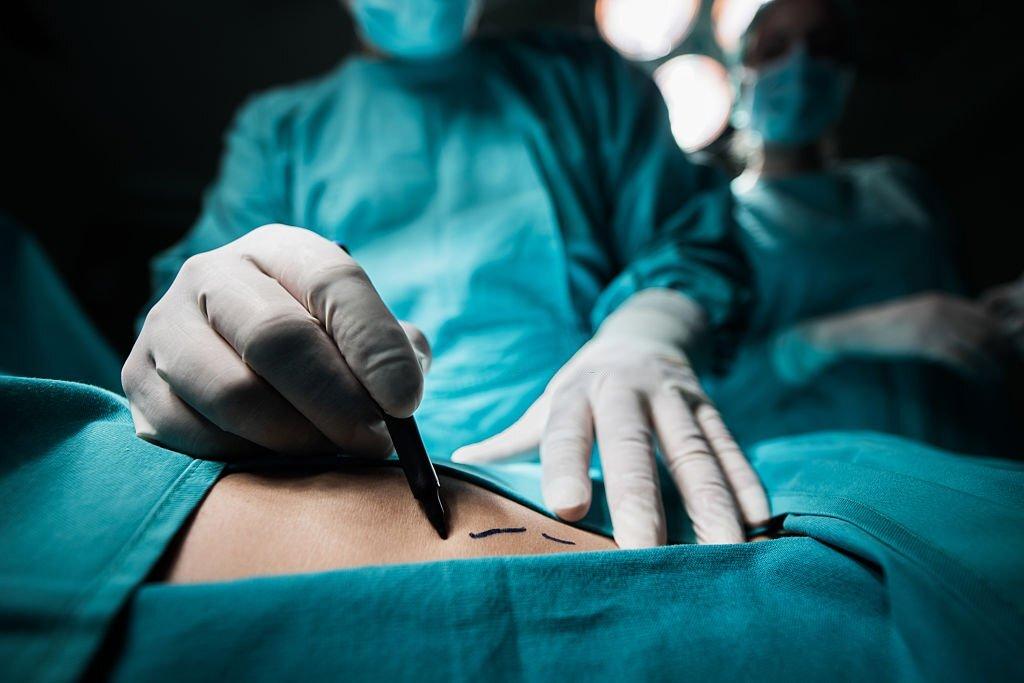
No clinical protocols for plastic surgery and ophthalmology yet
BilluraYusifova stated that currently, there are no clinical protocols for plastic surgery and ophthalmology in Azerbaijan: “There are currently no clinical protocols for plastic surgery and ophthalmology. Developing clinical protocols for all medical fields takes time.
Preparing a clinical protocol requires at least six months. The process involves gathering and selecting information, adapting it to our healthcare system, and compiling it in Azerbaijani, which is time-consuming. Depending on the disease, the process can take up to a year.”
Legal aspects of clinical protocols
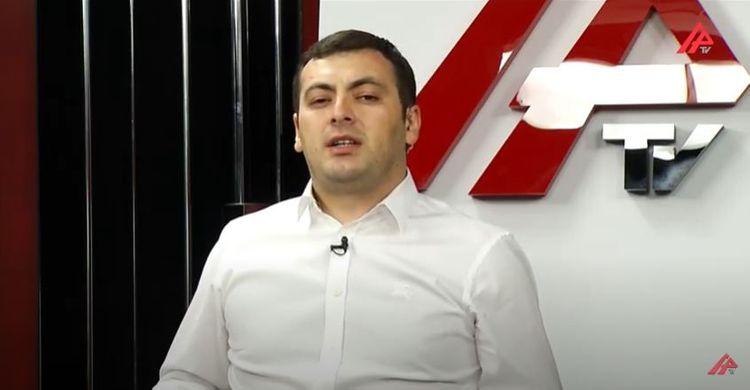
Lawyer Shamil Pashayev explained that clinical protocols are advisory and not mandatory: “A doctor may deviate from a protocol, but there must be a justification for doing so. If a doctor deviates from the protocol and causes harm to a patient, it can be considered negligence or recklessness. Courts may consider clinical protocols approved by the Ministry of Health’s Collegium as primary evidence. These protocols can even take precedence over expert opinions in some cases. Because the court decides on the evidence. ”
The lawyer added that, according to Article 57.1 of the Law on the Protection of Public Health, any harm caused to citizens must be compensated "in accordance with the law": “According to the Civil Code, if a person causes damage to another due to an unlawful and negligent act, they must compensate for the damage. In such cases, deviation from the protocol can be cited as a justification. However, it is crucial to determine whether the doctor deviated from the protocol intentionally to harm the patient, out of negligence, or to find an alternative way to save the patient. The intent must be clearly established before making a decision based on cause-and-effect relationships.”
TABIB (The State Agency for Mandatory Health Insurance) stated that national clinical protocols are prepared by the Ministry of Health and that currently, only 55 national clinical protocols are in force.
It was also noted that in 2023, the Department of Research and Clinical Protocol Implementation was established within the Training and Research Department of TABIB to monitor compliance with national clinical protocols in affiliated institutions: “We analyze periodic reports from affiliated institutions and implement preventive measures based on the findings. We also conduct direct inspections of medical documentation at these institutions. Monitoring of clinical protocol implementation in affiliated institutions is carried out through Medical Councils established within these institutions.”
Additionally, TABIB has established working groups and commissions in various medical fields to improve the quality of healthcare services.
How are cases of deviations from clinical protocols identified in private medical institutions? What is the mechanism for monitoring this?
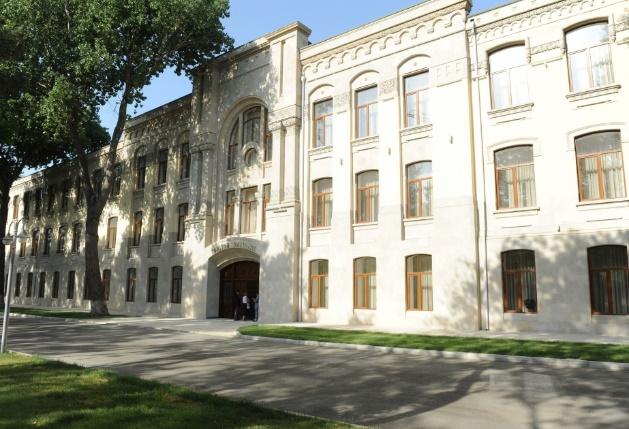
According to the Analytical Expertise Center of the Ministry of Health, unplanned inspections are conducted in response to complaints from citizens, media, and relevant government agencies: “In such cases, we check the clinic’s license, the doctor’s certification, and other relevant documents. If the issue concerns medical errors or deviations from clinical protocols, we advise the complainant to seek a forensic medical examination. Only forensic medical experts can provide an opinion on which protocols were followed and how the treatment was conducted.”
Has the Public Health and Reform Center been tasked with developing clinical protocols for plastic surgery? When will the process begin and when is the estimated time frame for the development of the clinical protocol?
The Ministry of Health was asked whether the Public Health and Reform Center had been assigned to develop clinical protocols for plastic surgery and when the process would begin. In response, the ministry stated that work is underway to develop clinical protocols for various medical specialties, including plastic surgery: “There are currently no specific national protocols regulating plastic surgery procedures. The surgeries are conducted in accordance with relevant international plastic surgery standards.
We would like to inform you that the Ministry of Health is currently working on the development of clinical protocols for several medical fields, including plastic surgery.”


 Follow us on Telegram
 t.me/apanewsaz
 Follow us on Instagram
 Follow us on TikTok
 Follow us on Facebook
 Follow us on X
 UPDATED'>