

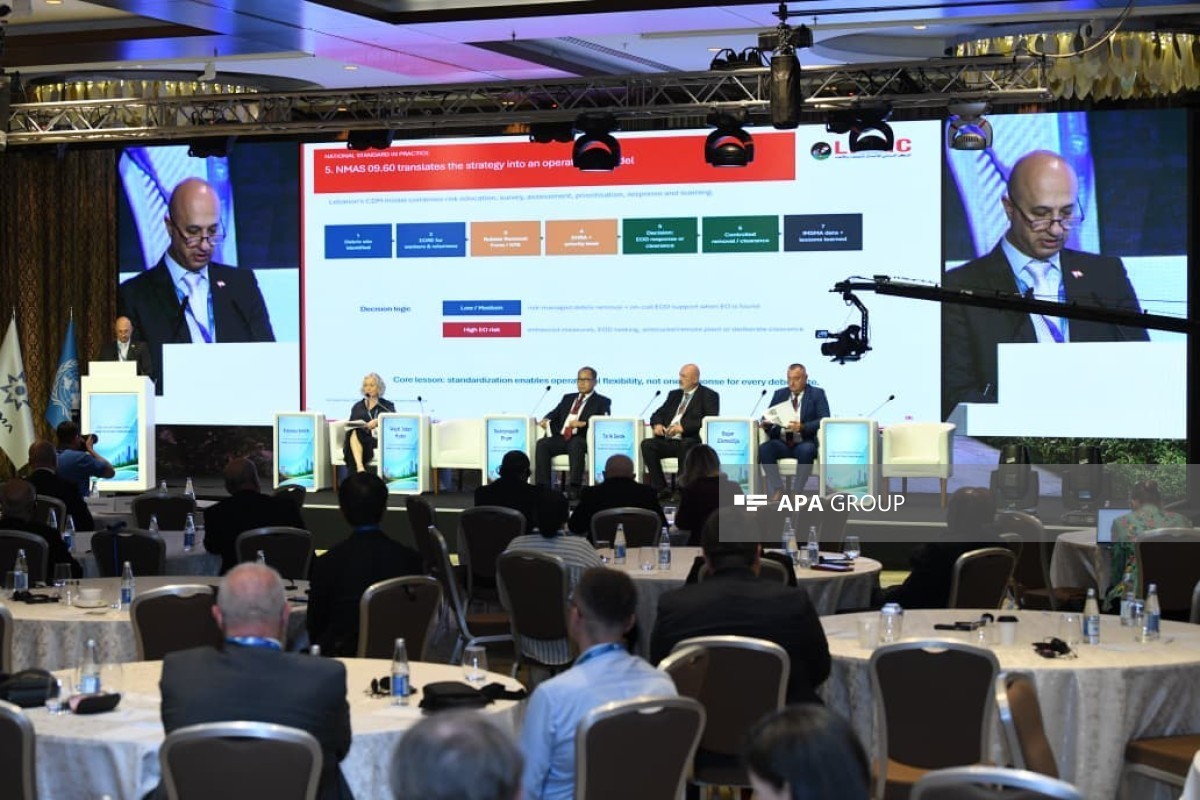


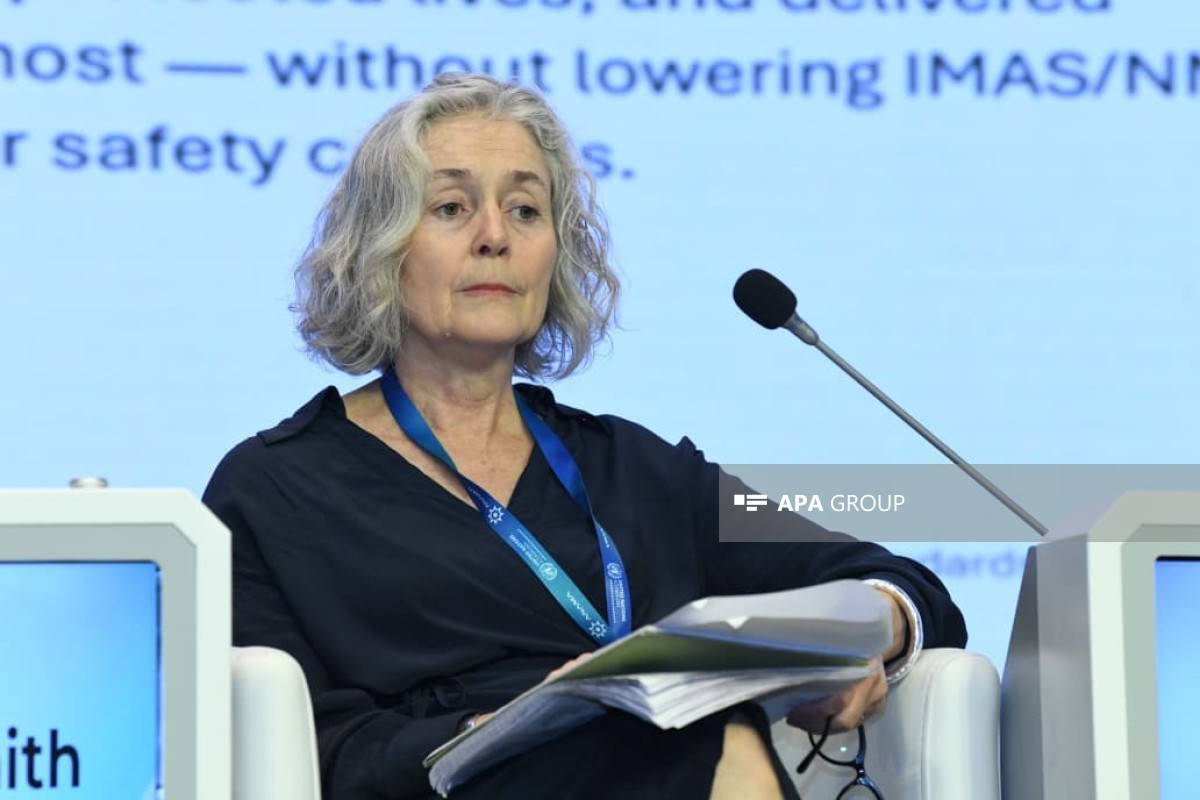
The final panel discussion was held at the 4th International Mine Action Conference on “Setting Standards of Excellence for Safe Human Settlements,” APA reports.
Representatives from Lebanon, Cambodia, Bosnia and Herzegovina, as well as Serbia, spoke at the panel session.
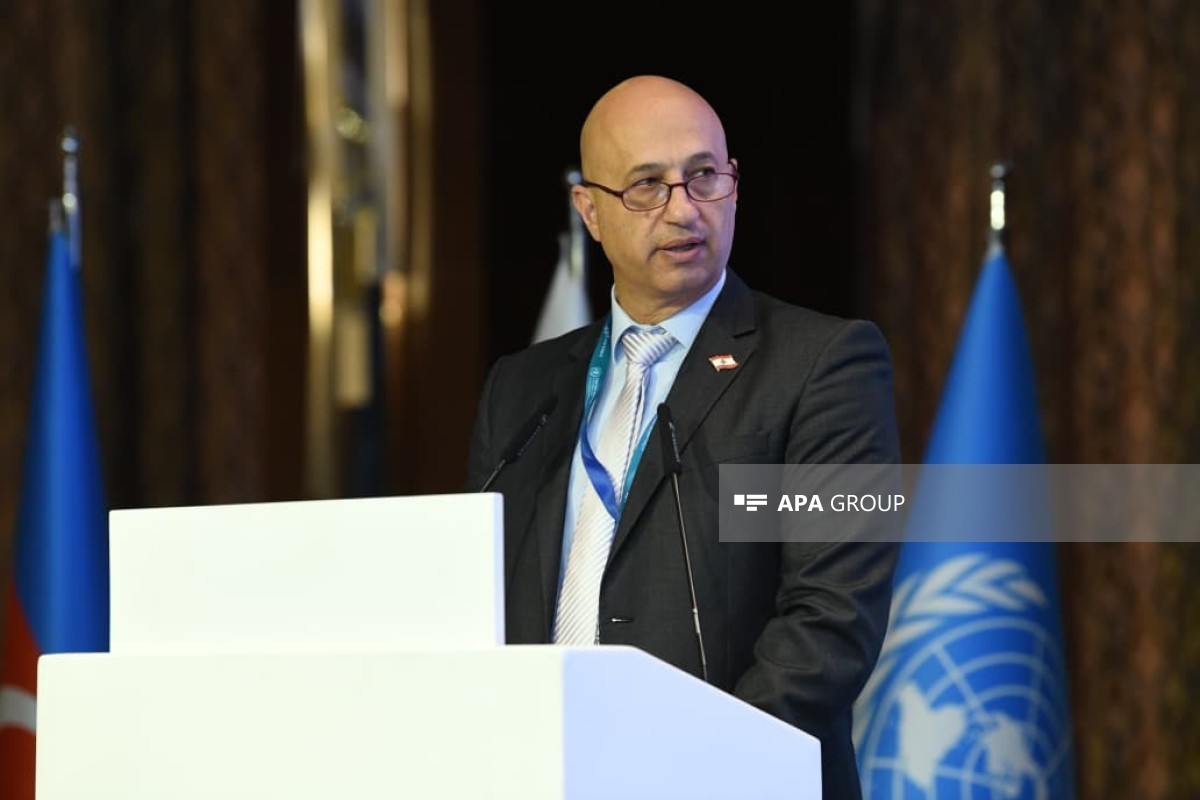
Wajdi Jaber Hyder, Head of the Logistics and Administrative Section of the Lebanon Mine Action Center, said that the problem of mines and explosive remnants in Lebanon is not only a matter of clearing territories. The main goal is to ensure that people can safely return to their homes, restore destroyed cities, rebuild infrastructure and restore people’s livelihoods.
He emphasized that explosive devices remaining under the rubble as a result of new conflicts have made the situation even more difficult. Therefore, the same approach cannot be applied to every area — risks and humanitarian needs must be assessed, and additional safety measures must be taken in more dangerous areas.
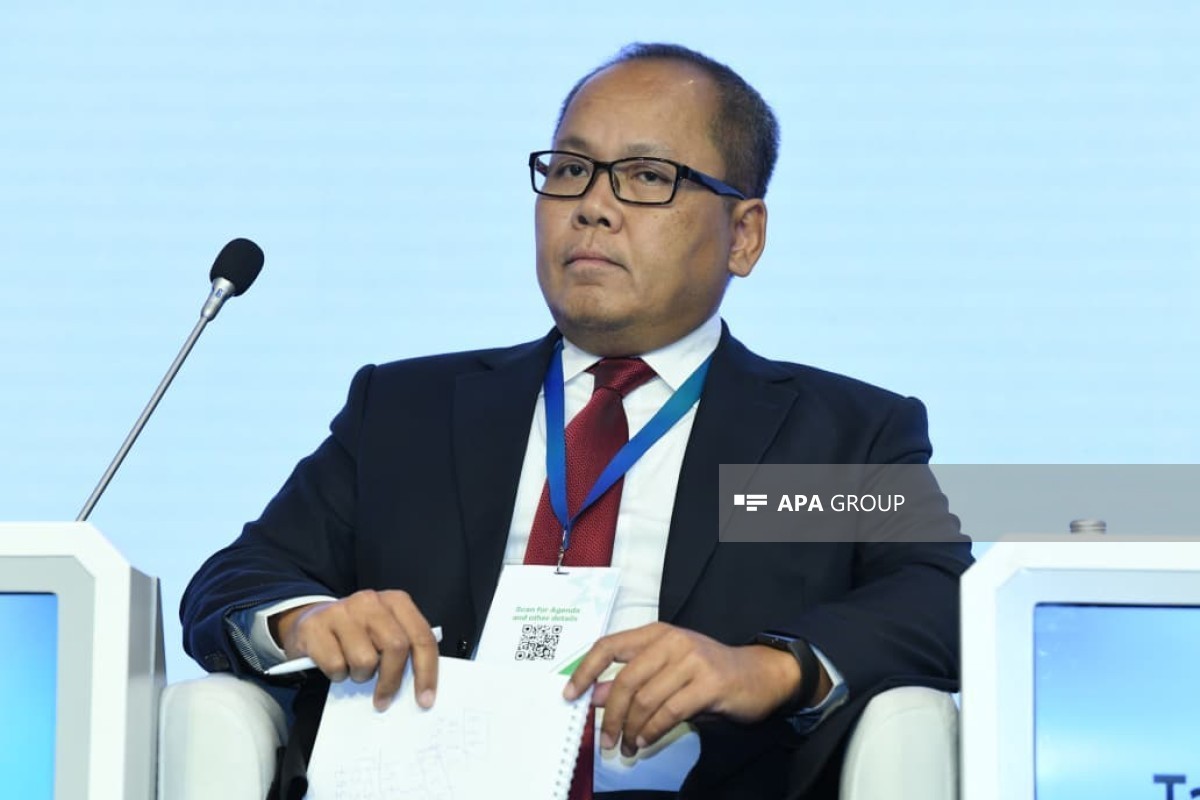
Suonpraset Prum, Director General for International Cooperation and Legal Affairs at the Cambodian Mine Action Center, said that Cambodia has been dealing with mines and explosive remnants for many years and has gained extensive experience in this field.
He noted that over more than 30 years, more than 3,600 square kilometers of territory have been cleared and more than 4.5 million mines and explosive devices have been destroyed. However, a large amount of contaminated territory still remains in the country.
According to him, new border conflicts have further complicated the situation, new cluster munition contamination has emerged, and hundreds of thousands of people have been internally displaced. Therefore, Cambodia aims to accelerate demining operations and free the country from the impact of the mine threat by 2030–2035.
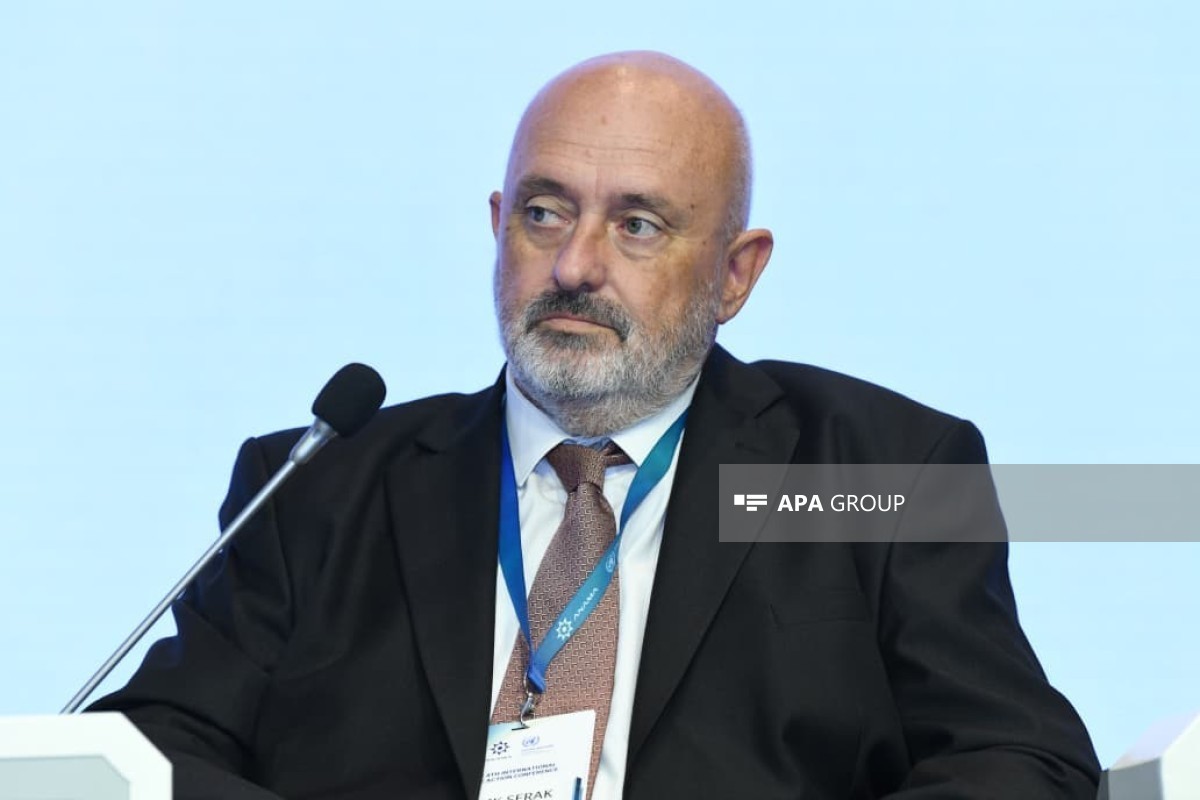
Tarik Serak, Head of the Mine Action Department of the Bosnia and Herzegovina Mine Action Center, spoke about the scale of the mine problem in Bosnia and Herzegovina, the results achieved over the past 30 years and the goals ahead. He said that in 1996, approximately 4,200 km² of territory in the country was considered suspected of mine contamination, and more than 80% of this area has already been cleared. Currently, more than 750 km² of suspected territory remains.
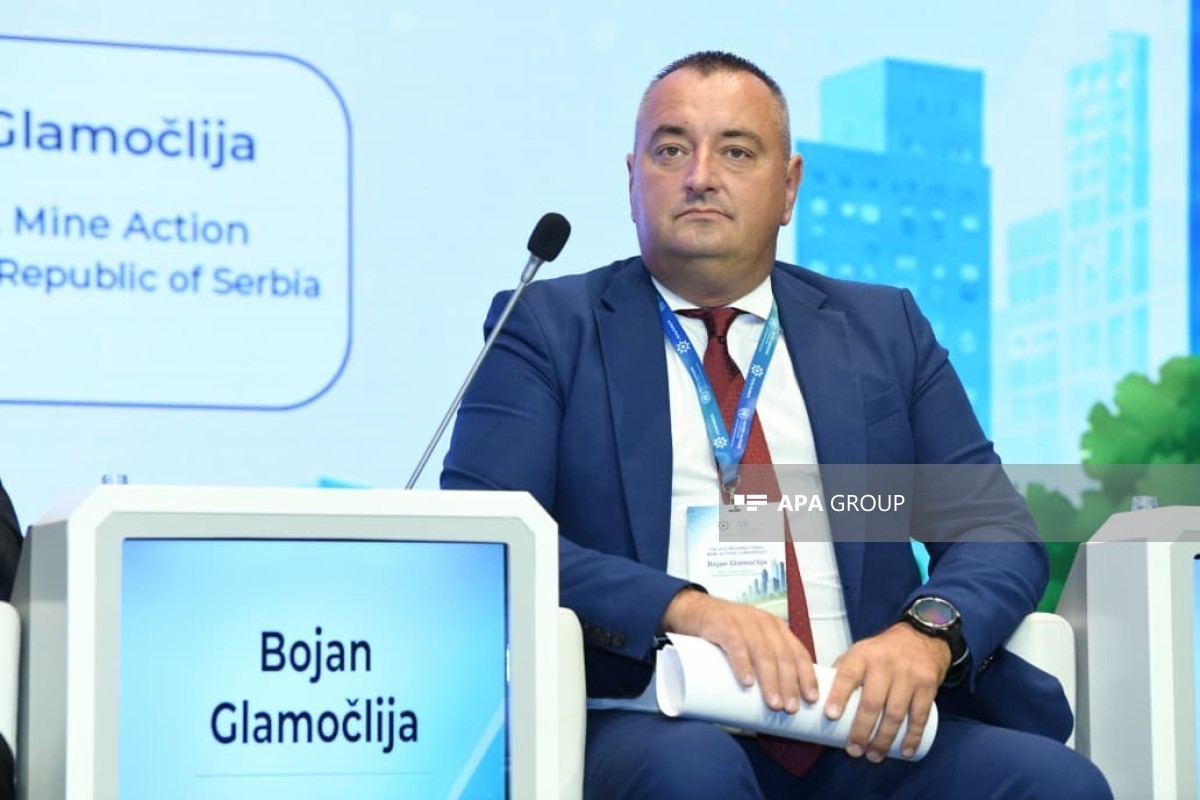
Bojan Glamoclija, Director of the Mine Action Center of the Republic of Serbia, said that more than 50 million square meters of territory in his country are still contaminated with explosive ordnance left over from the war, while aerial bombs and missiles remain in more than 150 areas.
According to him, cleared areas are subsequently used for agriculture, construction, roads, industry and other infrastructure projects.


 Follow us on Telegram
 t.me/apanewsaz
 Follow us on Instagram
 Follow us on TikTok
 Follow us on Facebook
 Follow us on X