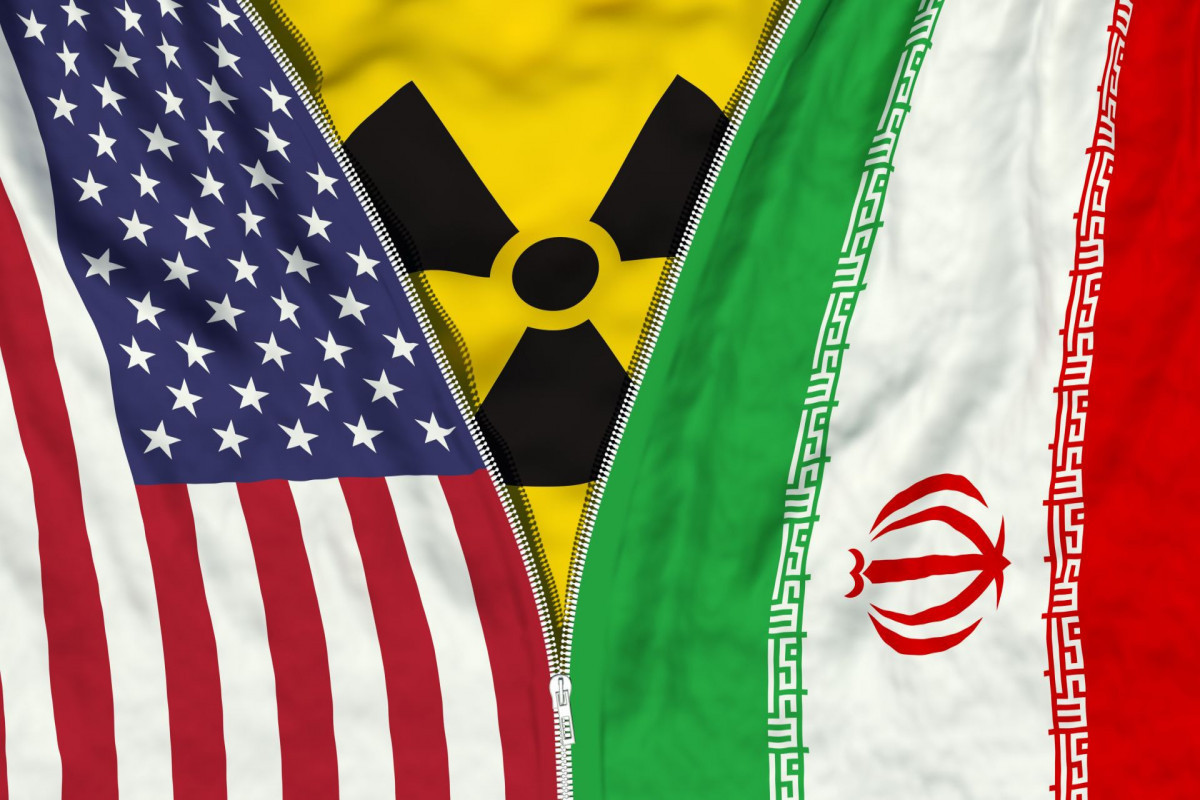


The talks to be held on April 12 in Oman between the United States and Iran mark a significant moment in the long-standing tense relations between the two countries. This meeting will take place following a month-long process accompanied by heightened rhetoric, diplomatic moves, and mutual threats from both sides — all of which suggest that the current negotiations are both urgent and sensitive.
Trump’s message, Iran’s response

The lead-up to the meeting was accompanied by numerous statements and behind-the-scenes maneuvers. On March 7, President Donald Trump announced that he had sent a message to Iran’s Supreme Leader, Ayatollah Ali Khamenei, proposing direct talks regarding Iran’s nuclear program. Although the Iranian side immediately rejected direct contact, it stated that it was open to dialogue through third-party mediators. Subsequently, Oman — a neutral intermediary — was chosen for the U.S.-Iran talks.
Diplomatic rhetoric and rising tensions
Tensions escalated further on March 30. President Trump warned of more tariffs and strong military action if Iran rejected a new nuclear deal. These statements aimed to pressure Tehran into making concessions, while also serving to demonstrate Trump’s strong foreign policy stance to his domestic audience.
In response, Iran’s Supreme Leader dismissed the possibility of military conflict but issued a stern warning against U.S. initiatives that could destabilize the region.
The main instigator of tension – Trump
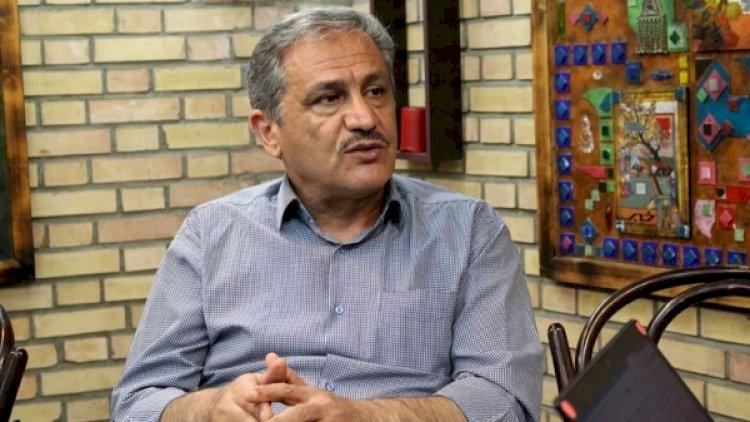
In an interview with APA, Iran’s former ambassador to Azerbaijan and political scientist Dr. Afshar Soleymani stated that President Donald Trump is primarily responsible for the current tensions between the two countries.
According to him, the long-standing talks between the U.S. and Iran became even more strained after Trump withdrew from the nuclear deal:
“Talks have been ongoing for many years. Although some agreements were reached in the past, they were later violated. One of the main reasons for the current situation is the steps Trump took during his presidency. After being elected, Trump unilaterally withdrew the U.S. from the nuclear agreement with Iran. This move increased tensions in the region and shifted the situation in a new direction. Later, new sanctions were imposed on Iran by the U.S. Trump was the main initiator of this process and bears the responsibility. If the U.S. had not pulled out of the deal and it had been implemented, it would have benefited Iran, the U.S., the region, and the world. In that case, the nuclear issue could have been resolved through diplomacy. However, after the deal was violated, Iran responded in turn. As a result, the country expanded its uranium enrichment activities, increasing both the enrichment level and the overall amount. Now Trump has returned to the presidency. His policies have caused serious unrest both inside the U.S. and internationally. Tensions have grown among allies, and Trump’s rhetoric continues to affect global stability. Time will tell what the consequences of this will be.”
Iran’s economic difficulties and possible solutions
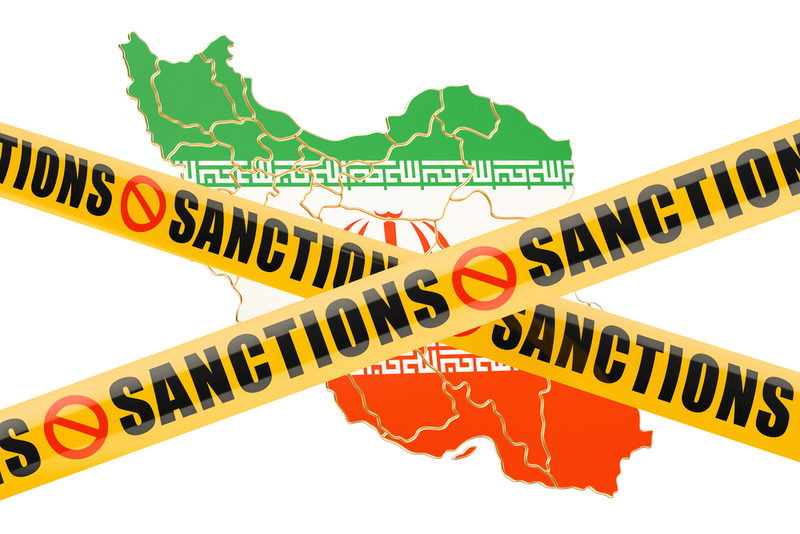
Afshar Soleymani noted that sanctions remain the main problem for Iran at present: “These sanctions are causing serious economic and social harm to Iran, especially to the Iranian people. Living conditions have worsened, and economic development has stalled. The way out of this situation for Iran, first and foremost, is the lifting of these sanctions. The sanctions are severely damaging Iran’s economy and restricting the country’s participation in international trade. If Iran is able to sell its oil freely and restore other trade relations, the country’s economy and society could breathe a little easier.”
The Iranian political scientist also pointed out that the U.S. has its own specific reasons for its stance on this issue: “The U.S. accuses Iran of intending to develop nuclear weapons and views Iran’s ballistic missile program as a threat. So, it’s not just about the nuclear program, but also about Iran’s defense capabilities and its influence in the Middle East. As a result, the U.S. and some Western countries aim to limit Iran’s military power in this context. Iran, however, insists that it has no intention of building a nuclear bomb.”
Nuclear and defense programs: Iran’s “red line”

Afshar Soleymani also shared his thoughts on the Oman talks: “If the main issue is the development of nuclear weapons, an agreement may be possible between Iran and the U.S. on this topic. However, the issue goes beyond just this — there are other 'red lines' involved. Iran has repeatedly stated that it has no intention of completely halting its nuclear program and will continue enriching uranium within certain limits. These limits are primarily based on the thresholds set in previous agreements — for example, enrichment at levels of 3.5-4%. Iran declares that if the U.S. lifts the sanctions and abandons its policy of maximum pressure, it is willing to agree under these conditions. Currently, the U.S. continues to sign orders related to sanctions and uses various pressure tactics. Iran, however, insists that this policy must stop, and only under these circumstances will it be open to agreements. Nonetheless, Tehran also has a firm stance — Iran will never agree to fully halt its nuclear program or abandon its defense capabilities.”
Additionally, the other issues that the U.S. and the West want to address — such as limiting Iran’s ballistic missile program, the use of drones (UAVs), and various military activities — represent further “red lines” for Iran. As a result, Iran may be ready for new agreements, but only on the basis of equality and mutual trust. If the U.S. continues to make unilateral demands, these talks may end up being just as fruitless as previous ones.”
Soleymani added that if the talks do not yield results, the parties may need to take harsh steps against each other: “However, if these discussions bring about certain results, coordination with Tehran will be necessary afterward. The talks will take time but will help ease the atmosphere. At the very least, it could have a positive impact on the economy, Iran's situation regarding the dollar, inflation, and other related issues. Any positive news, such as developments in trade relations, could benefit Iran’s economy. On the other hand, any negative news, such as threats related to attacks or increased tension, would have the opposite effect. In the long term, there is a high likelihood that this process will lead to positive results. I believe that full normalization of relations is still far off. Given the 45 years of estrangement and generally poor relations, it’s not possible to resolve these issues all at once. Time will tell what will happen. It’s too early to make big predictions.”
Future perspectives and possibilities

American political commentator Peter Tase told APA that Iran is going through a terrible economic recession. The trade and economic sanctions imposed by Washington, as well as the U.S. Administration's support for the State of Israel, are geopolitical factors that are pressuring Tehran to engage in diplomatic discussions with The Trump Administration.
“With upcoming negotiations with the US Government, Iran will avoid a catastrophic obliteration of it’s Armed Forces’ infrastructure. Limiting Iran’s uranium enrichment program for peaceful purposes will be a main focus. Oman is the location of these significant talks with Iran due to the fact that Oman will be home of a five star resort owned by the Trump Organization. Frankly speaking, Baku would have been a much better location , full of historical heritage that make it greatly appropriate, for these talks to take place”, the political commentator stated.
According to him, in the current situation, it would be more appropriate for Tehran to approach the dialogue process in a more open and constructive manner to allow for Iran’s development.
“Ensuring transparency and mutual understanding in the talks could lead to positive outcomes. A diplomatic nuclear deal is over. President Trump is working hand in glove with Prime Minister of Israel. It is in Iran’s best interest to fully cooperate with Washington and dismantle its nuclear program”, the analyst added.


 Follow us on Telegram
 t.me/apanewsaz
 Follow us on Instagram
 Follow us on TikTok
 Follow us on Facebook
 Follow us on X