

Russia’s recent drone strike directed toward Poland has become one of the central topics on the international agenda. Although the attack did not cause significant destruction or casualties, Poland’s Ministry of Defense has described it as an open provocation against the country’s sovereignty.
Prime Minister Donald Tusk called the incident “one of the most serious events in recent years,” stressing that it represents a “red line” for both Poland and NATO. Foreign Minister Radosław Sikorski emphasized that Moscow’s primary objective was to test NATO’s reaction.
The drone incident as part of the Kremlin’s hybrid warfare
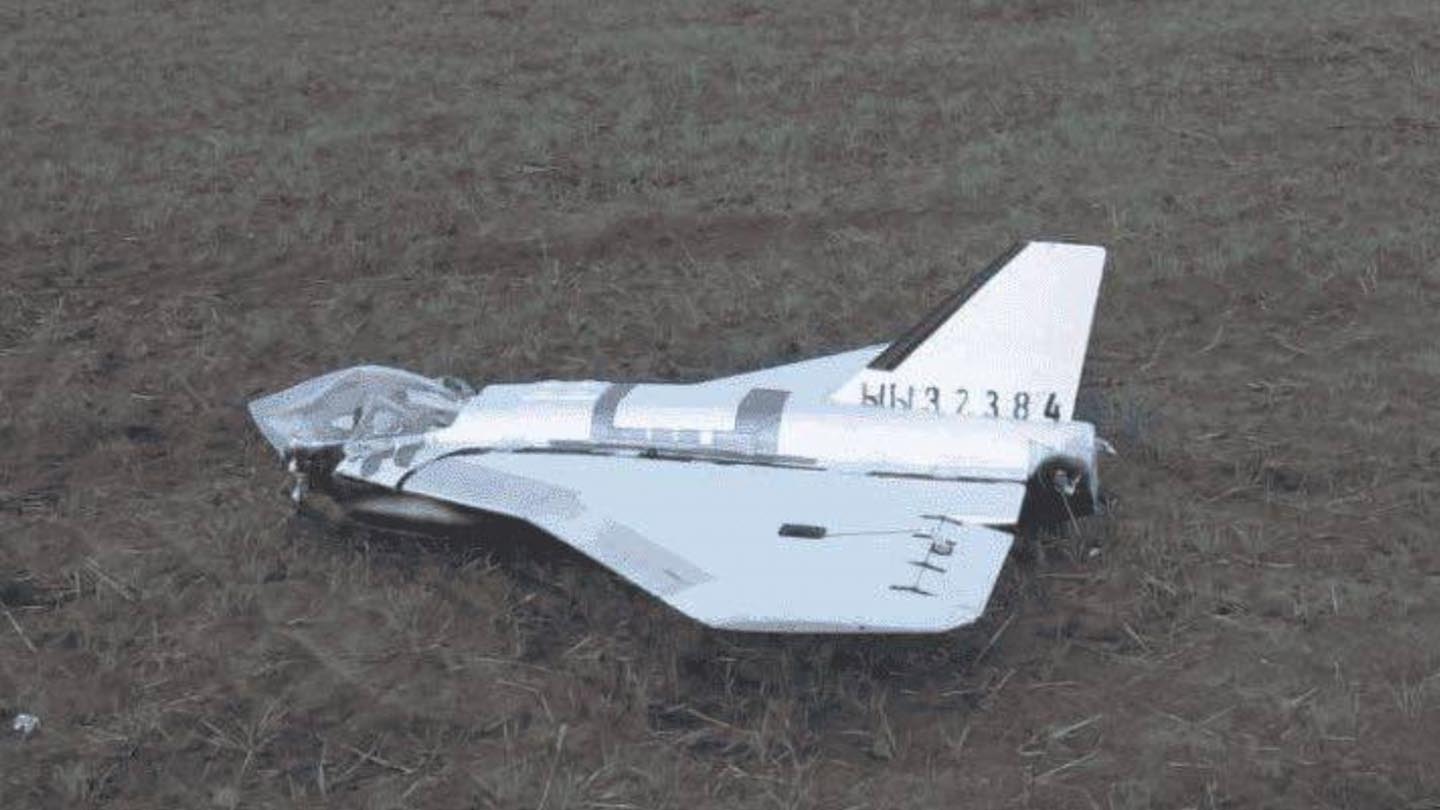
NATO Secretary General Mark Rutte announced the launch of a new operation called Eastern Sentry, aimed at strengthening air defense along the eastern flank and ensuring a coordinated response. Following the incident, the Polish government invoked NATO’s Article 4 and initiated urgent consultations with its allies.
Russia, meanwhile, has claimed that the drones entered Polish airspace by accident. Nonetheless, experts view the incident as a continuation of the Kremlin’s hybrid warfare strategy.
The potential threat to the Suwałki corridor
Polish political scientist, PhD Jakub Koreyba, told APA that Russia’s drone attack on Poland should be regarded as part of the long-standing hybrid war strategy pursued for years.
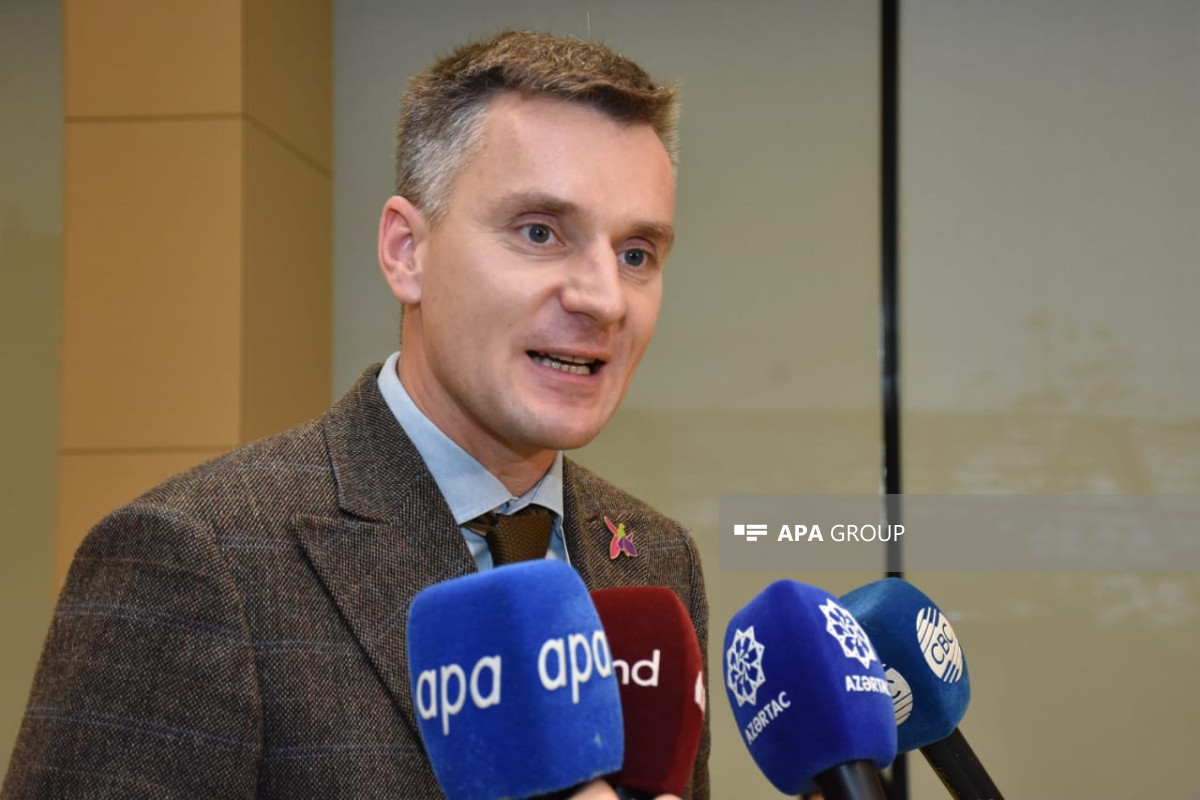
He noted that Moscow has so far used oil, gas, migration flows, and various pressure tactics against Poland: “Now, the drone attack can be seen as the next step in the escalation ladder. In this process, Russia is testing reactions on different levels: the technical response of the Polish army, the position of the political elite, and society’s reaction. The key message to Poland is this: it must be prepared for confrontation with Russia. This is a resilience test for every army, every state, and every society. Most likely, Moscow will continue such provocations and intensify them. If Poland does not respond adequately, escalation may even reach an attack on the Suwałki Corridor. This direction is explicitly outlined in all of Russia’s doctrines, strategies, and concepts. For Moscow, Poland remains one of the main obstacles to its foreign policy objectives, and removing this obstacle is a strategic goal.”
Not a technical error

Speaking about ways to prevent open war, Koreyba stressed that large-scale conflict could only be avoided if Poland mobilizes all resources now to build a powerful army — one strong enough to make Russia view any clash as unjustifiable.
“What is happening is not a coincidence, mistake, or technical error. It is a consistent, planned, and long-term hybrid warfare strategy. Moscow’s concerns are clear: Poland, with its independent stance, refuses to accept Russia’s demands, whether presented jointly with Germany, Britain, the U.S., or currently with China. Historically, this position has had negative consequences for Poles. That is why Russia’s attempts to ‘create space’ in Central and Eastern Europe are unacceptable to Poland. Moscow sees Poland as the main obstacle to its plans and seeks to neutralize it. This shows that the confrontation will be long-term. It neither began yesterday nor will it end tomorrow — it is our historical destiny, and we must be prepared for it,” he emphasized.
Moscow testing the West’s reactions
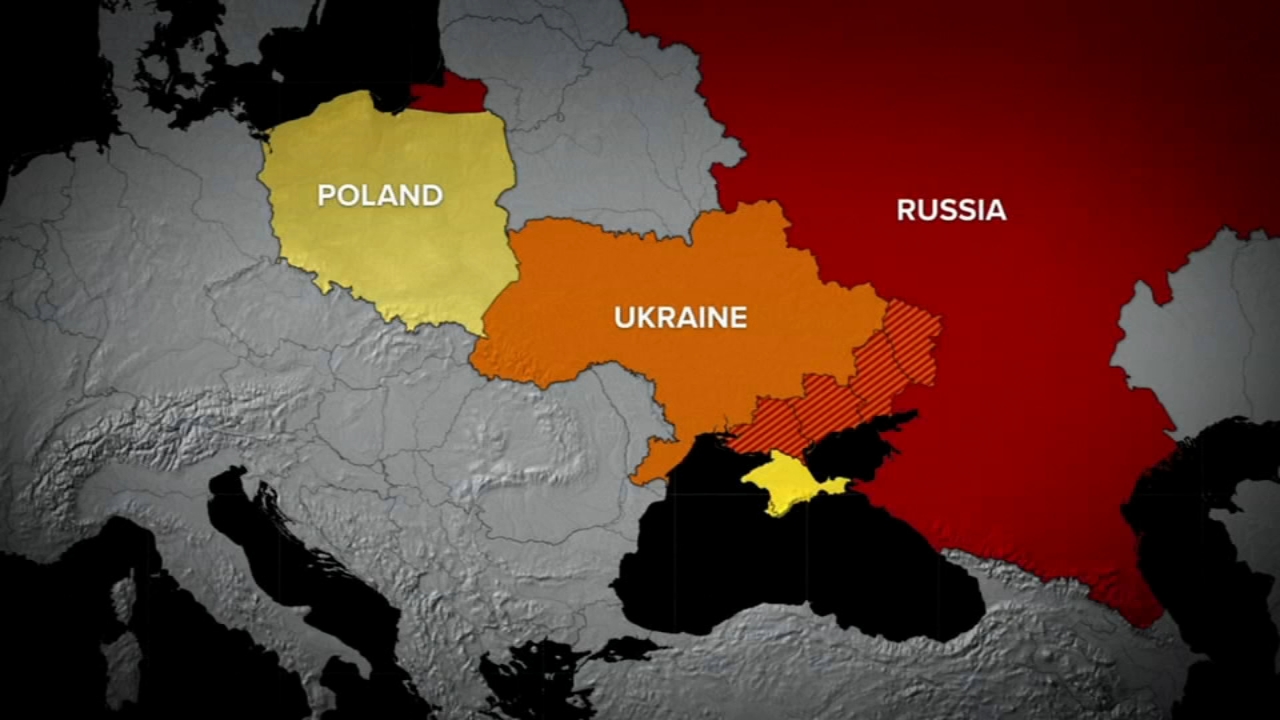
According to the Polish expert, Russia’s strategic goal is to measure the West’s reactions through various provocations, seize control over Ukraine and the post-Soviet space, and turn Poland and Central-Eastern Europe into a “grey security zone.”
“As always, Russia has several options. It provokes incidents and observes reactions on multiple levels — from the Polish state, society, and media to its neighbors, Ukraine, Europe, and the U.S. Based on this feedback, alternatives are shaped. In other words, the drone attack is the ‘stick.’ Once Moscow studies and calculates the responses, it may then offer a ‘carrot,’ i.e., concessions. This is how Russia’s strategy is built. Clearly, Moscow’s main desire is that the West hand over Ukraine and the entire post-Soviet space, while Poland and the whole of Central and Eastern Europe become a grey buffer zone. This is Russia’s strategic objective — control over the post-Soviet space. This also includes Azerbaijan and the entire South Caucasus. Russia thinks broadly, without limitations. Therefore, not only Poland’s but many other countries’ futures depend on the outcome of the war in Ukraine.”
Costly power scenario to intimidate the West
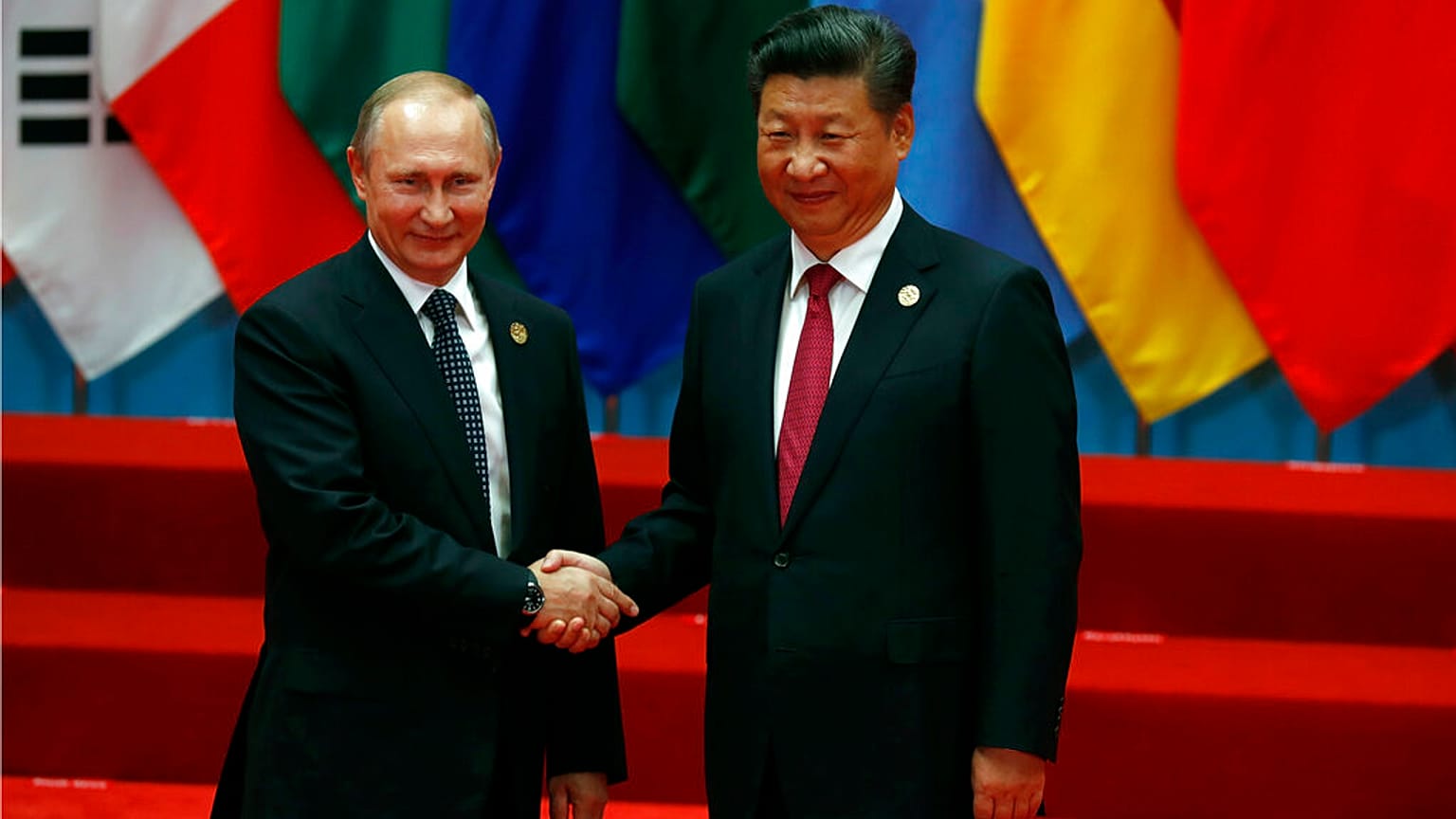
Koreyba argues that the scenario currently unfolding — seizing territory and influence by force with the support of China and other “anti-Western” forces, while intimidating and confronting the West — comes at a high cost for Moscow in terms of human lives and economic collapse.
“Russia’s first scenario is to obtain a ‘mandate of governance’ from the West over the former Soviet space and turn the ex-Warsaw Pact states into a grey security zone. Given the current balance of power, this appears unrealistic. The second scenario is to achieve maximum results with support from China and other anti-Western forces. In the war in Ukraine, Moscow has only partially achieved this — roughly 20% so far. Together with China, the Kremlin’s approach is: if the West refuses to recognize its spheres of influence, then Russia must seize as much territory and leverage as possible by force. The goal is to intimidate the West and impose a fait accompli. But this comes at a heavy price — thousands of soldiers killed, bloodshed, and economic decline. This is the path being pursued now. The third scenario is for Russia to realize it cannot establish spheres of influence, becomes isolated, turns eastward, and effectively withdraws from Europe. This could be portrayed as a move for its own security. As we see in Ukraine, confrontation with the West does not end with ‘taking Kyiv in three days.’ On the contrary, it poses a serious threat to the stability of Russia’s regime and political elite. This is the least desirable, but still acceptable, scenario for Moscow — full isolation,” the Polish expert explained.
Preparing for the worst-case scenarios
The analyst emphasized that neither Poland, nor NATO, nor the West as a whole accepts any of these options: “The West’s main strategic goal is to separate Russia from China, with the U.S. playing an especially active role in this direction. This is why various diplomatic initiatives are being launched. It also seems likely that President Trump may take steps in this regard. There is no publicly available information on his talks concerning Moscow. For this reason, it cannot be ruled out that the Kremlin’s current moves — including the drone attack on Poland — are simply aimed at gaining leverage in negotiations. The steps the U.S. and the West take in the near future could change the entire dynamic. But what conclusions the parties will reach, and to what extent they can be implemented, remains uncertain. Therefore, we must be prepared for the worst-case scenarios and take the possibility of confrontation with Russia very seriously.”



 Follow us on Telegram
 t.me/apanewsaz
 Follow us on Instagram
 Follow us on TikTok
 Follow us on Facebook
 Follow us on X