

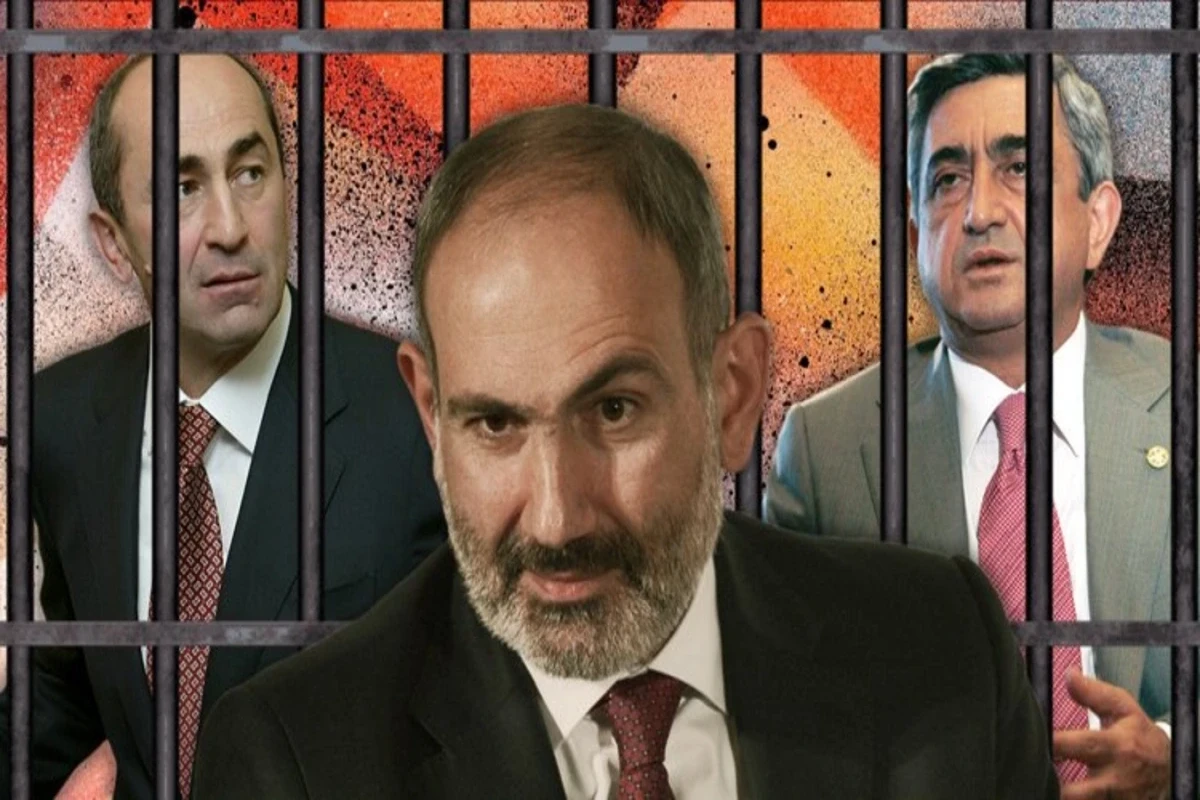


At a time when peace has become a tangible item on the political agenda in the South Caucasus, the resurgence of revanchist rhetoric in Armenia raises serious concern. In particular, the political groups led by former presidents Robert Kocharyan and Serzh Sargsyan are reviving the traditional “security fear” narrative in opposition to regional stability and peace initiatives.
The main goal of these two politicians is to avoid responsibility for their political past and to gain new legitimacy through the syndrome of defeat. According to experts, they are trying to turn tension into political profit.
Revanchist illusions and the threat to stability
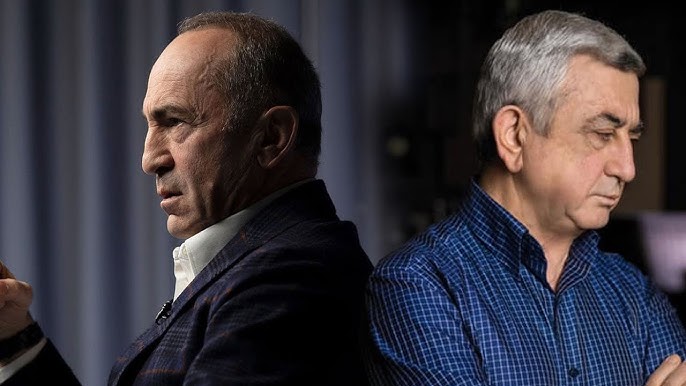
“For Kocharyan and Sargsyan, conflict is not only ideological but also a means of political revival,” says Armenian analyst Vardanyan.
The new realities that emerged after the war – especially the regional cooperation models initiated by Azerbaijan – have significantly narrowed their sphere of influence. Therefore, they try to keep the spirit of “revenge” alive within society, undermining attempts at stability and cooperation.
Zaur Mammadov, Advisor at the Academy of Public Administration under the President of Azerbaijan and Chairman of the Baku Political Scientists Club, emphasized in his interview with APA that Kocharyan and Sargsyan, driven by personal resentment, wounded egos, and lost privileges, still believe they can return to power, living under the illusion of a “historic mission” while refusing to accept the new realities.
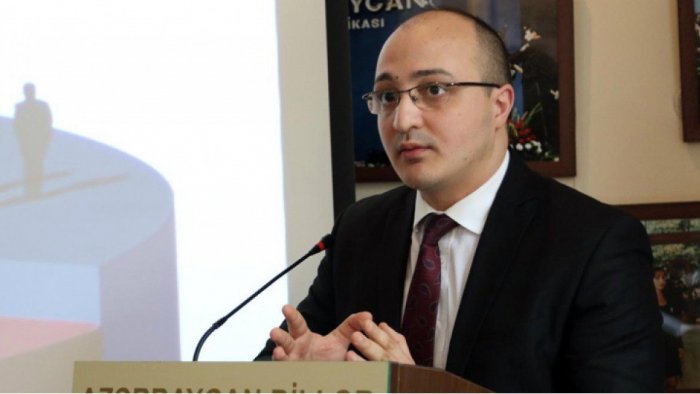
The political analyst noted that Kocharyan and Sargsyan still live in illusion, thinking they can regain power: “There are several reasons for this. First, they see Nikol Pashinyan as a personal enemy and seek revenge at any cost. This is purely personal animosity and hostility. They cannot suppress their egos and cannot accept that Armenian society now chooses Pashinyan over them. In Armenian history, they wanted to be seen as heroes, commanders, and skilled politicians. However, Pashinyan’s rise to power shattered this illusion. It is now clear to everyone that new realities have emerged in the South Caucasus – realities that could finally bury the traditional Dashnak ideology, militaristic thinking, and the ‘Greater Armenia’ myth. In such a situation, Kocharyan and Sargsyan present themselves as bearers of a ‘historic mission’, believing they must fight to the end. At the same time, political power for them is not only a source of authority but also of economic and financial interests. Unwilling to give up these sources, they rely on various forces, claiming they can win the next parliamentary elections. But in reality, they have no chance of winning – no one votes for them anymore.”
Karabakh Armenians and the church as tools of manipulation
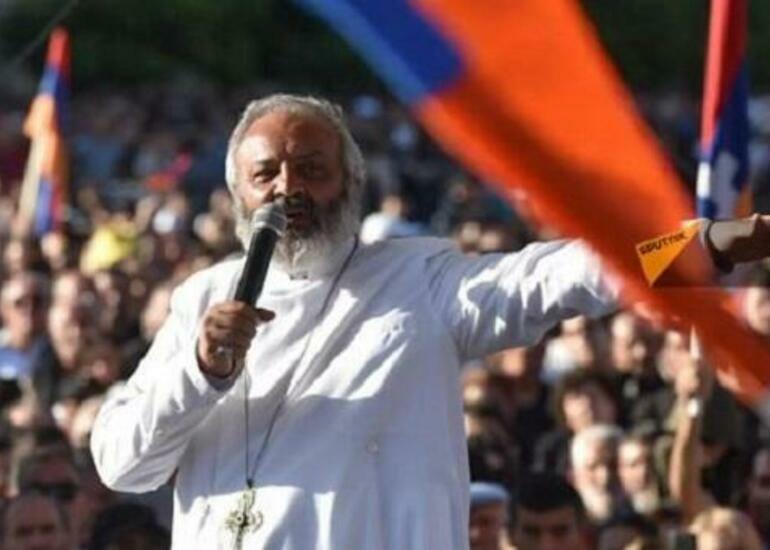
The activities of the Kocharyan–Sargsyan duo are not limited to the political arena – they are also manifested in the social and religious spheres. They systematically exploit the traumatic state of the Karabakh Armenians and the influence of the Armenian Apostolic Church.
This serves as both a tool of domestic political pressure and a mechanism to manipulate public emotions.
“The Church has long been a guardian of national identity, but today it has become a tool of political influence for certain circles,” notes Armenian sociologist Davtyan.
These circles seek political dividends by exploiting the social and psychological problems of the Armenians who voluntarily left Karabakh, using the Church’s ideological power to promote the thesis of “resistance, not peace.” As a result, pragmatic thinking is replaced by emotional reaction within Armenian society.
According to Zaur Mammadov, the fact that the people no longer take to the streets in response to the actions of the Armenian government clearly shows that Kocharyan and Sargsyan’s social base has completely collapsed.
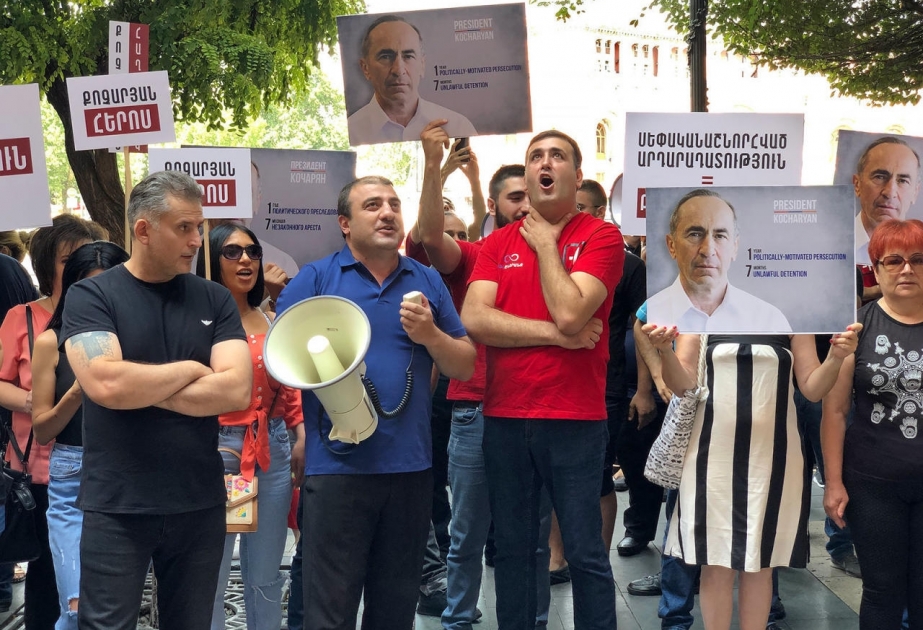
The analyst stresses that they no longer have public support, political leverage, or legitimate social backing: “Society is tired of the chaos, corruption, and war rhetoric that these two men dragged the country into for years. Therefore, no one listens to them anymore. Traditionally, they have tried to manipulate the public by referring to the Church’s influence and the issue of the Karabakh Armenians. But in today’s Armenian reality, neither the Church nor the ‘Karabakh card’ works as before. The Church’s authority has sharply declined, and its involvement in political manipulation is now openly criticized. As for the Karabakh issue, it has long been used to gain political dividends through emotional appeal, but since 2020, it has lost much of its relevance. Under these circumstances, the only option left for Kocharyan and Sargsyan is to cling to the past and maintain visibility through rhetoric about restoring ‘lost values’. Yet these efforts are nothing more than expressions of political desperation and exhaustion. Society now prioritizes stability and peace over revanchist and militarist ideas. This situation clearly indicates the decline of Kocharyan and Sargsyan’s political careers – they can no longer serve as real centers of power. Neither the Church nor the ‘Karabakh card’ serves as a social pillar of trust in Armenia today. Their political existence remains only a shadow of the past, and in modern Armenian reality, that shadow is rapidly fading.”
Main challenge for a new Armenia: Breaking free from revanchism
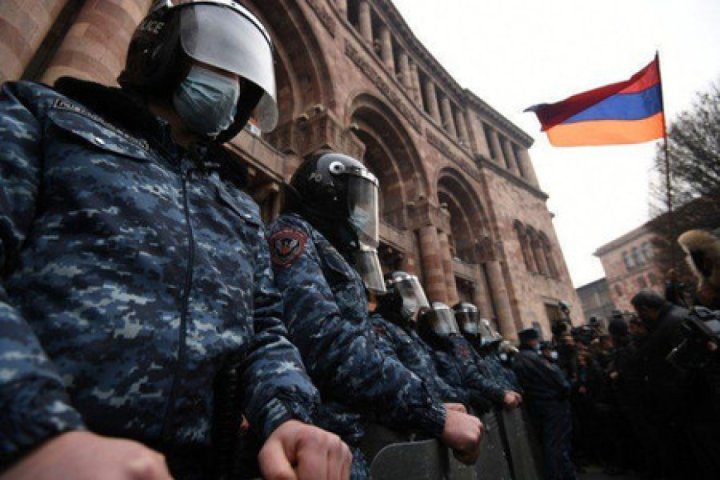
The greatest challenge facing Armenia’s current government is to uproot the ideology of revanchism and free society from past illusions. The steps taken by Prime Minister Nikol Pashinyan’s government – initiating direct dialogue with Azerbaijan, engaging in border delimitation, and restoring economic communications – can be seen as turning points in this regard. However, for this policy to remain sustainable, the influence of the Kocharyan–Sargsyan system must be neutralized.
“The future of Armenia lies not in revanchism, but in peace and economic integration,” stresses Armenian political analyst Isgandaryan.
This requires not only political will but also a transformation in education, media, and societal values. Armenian society must understand that a new war will bring no “justice” – on the contrary, it will push the country deeper into social and economic crisis.
The peace process has now entered an irreversible phase – the key question is whether the revanchist forces in Armenia can accept this reality and finally bid farewell to their illusions.


 Follow us on Telegram
 t.me/apanewsaz
 Follow us on Instagram
 Follow us on TikTok
 Follow us on Facebook
 Follow us on X