


The meeting between Azerbaijani President Ilham Aliyev and Armenian Prime Minister Nikol Pashinyan in Abu Dhabi, the capital of the United Arab Emirates, clearly reveals the contours of a new post-conflict geopolitical order emerging in the South Caucasus. This meeting is not merely a diplomatic gesture—it reflects Azerbaijan’s principled diplomatic stance and its growing political weight. For years, negotiation formats such as the defunct OSCE Minsk Group or third-party mediation efforts after the war—often driven by external interests—served more to preserve the status quo than to resolve the core issues.
The Abu Dhabi format: A new phase in bilateral dialogue
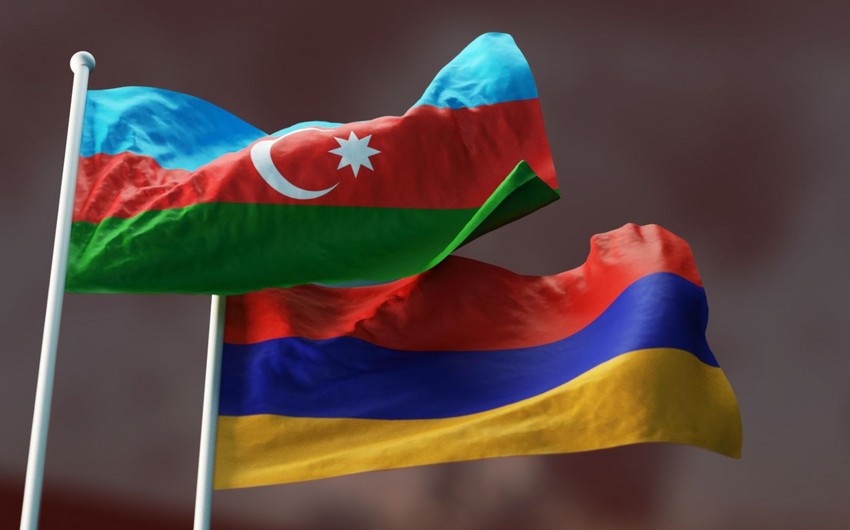
The choice of Abu Dhabi as the venue for these bilateral talks is no coincidence. Crucially, the UAE has no vested interest in the conflict, does not assume a partisan role, is a friendly country to Azerbaijan, and also maintains good relations with Armenia.
The Abu Dhabi meeting may be seen as a historic turning point. The absence of any mediator and the direct, face-to-face nature of the meeting is a practical confirmation of Azerbaijan’s long-standing position—that peace is achievable through regional frameworks, based on direct and transparent dialogue. It also signals the willingness of regional states to take ownership of their destinies. Azerbaijan is safeguarding its national interests through a sovereign political trajectory, free from manipulative external influence. This, in turn, sends a clear message to Armenia: the era of insincere diplomatic maneuvering is over. It is now time for realpolitik and mutual accountability.
From distrust to constructive dialogue

It is no secret that certain forces seek to undermine the peace process in the region and sow distrust between the parties. Both within and beyond the region, there are interest groups that benefit from prolonged instability. These actors employ various tools—information manipulation, diplomatic pressure, provocations, and attempts to incite domestic unrest—to slow progress. Armenia is just as aware as Azerbaijan of who stands to gain from such disruptions. In this context, Yerevan’s decision to resist these influences and adopt a more realistic and constructive stance toward Azerbaijan’s peace proposal is a welcome development.
The Abu Dhabi format has effectively debunked the long-promoted narrative that “mediation is indispensable.” Its key advantage lies in fostering a more sincere negotiation environment. Without third-party influence, the sides are able to communicate openly and transparently. This makes the dialogue more efficient and productive.
The meeting once again proves that normalizing relations between Baku and Yerevan does not require third-party involvement—particularly not from powers that exploit the process to serve their own geopolitical ambitions.
Mediator-free diplomacy and the economic dimension of peace

The tangible outcome of Azerbaijan’s long-standing call for direct dialogue is a testament to the success of Baku’s independent and principled foreign policy.
Although no document was expected to be signed at this meeting, its essence marks a significant step toward a comprehensive peace agreement. The discussions represent an important phase in narrowing differences and shaping shared understandings.
One of the central issues on the agenda is expected to be the Zangezur Corridor. This route not only aims to establish a direct land connection between mainland Azerbaijan and its exclave Nakhchivan but also has the potential to promote economic integration and logistical cooperation throughout the region. For Azerbaijan, the project holds strategic importance as it aligns with the commitments set out in the November 10, 2020 trilateral statement and supports the unblocking of regional transport links. For Armenia, the corridor presents a rare opportunity to break out of isolation and integrate into regional trade networks. The inclusion of the Zangezur Corridor in the talks—accompanied by political will—indicates a move toward practical compromise and mutual understanding.
A new regional format shaped by Azerbaijan’s initiative
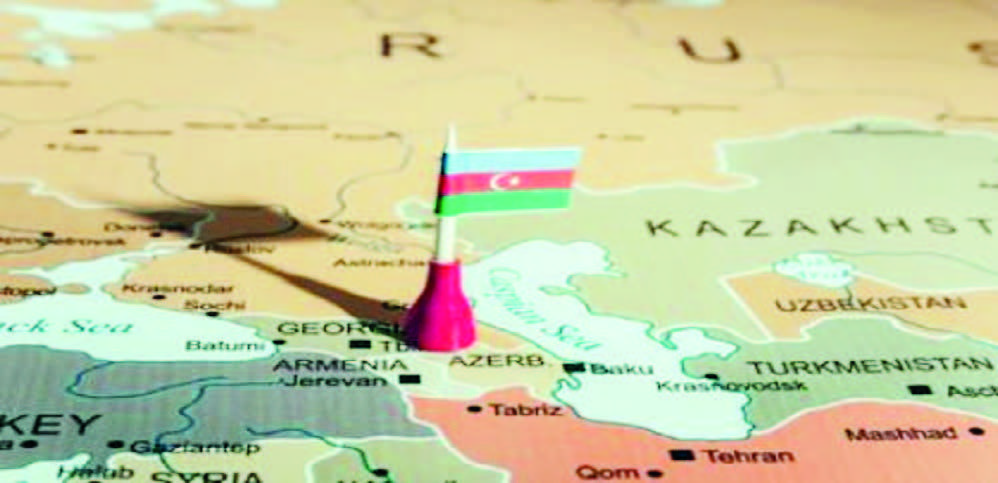
This meeting demonstrates that both sides now wish to shape the future of negotiations based on their own political agendas. In doing so, they lay the foundation for a negotiation format that is less vulnerable to external interference and better suited to achieving durable and realistic outcomes.
If this model is preserved and direct dialogue continues, it could pave the way not only for lasting peace between the two nations but also for long-term stability across the region. The sooner Armenia embraces Azerbaijan’s peace initiatives and moves toward concrete agreements, the sooner the region can enter a new phase of economic and social development. This can only bring stability and cooperation to the South Caucasus.



 Follow us on Telegram
 t.me/apanewsaz
 Follow us on Instagram
 Follow us on TikTok
 Follow us on Facebook
 Follow us on X