Today, in the afternoon hours, Iran struck civilian facilities in the territory of Azerbaijan’s Nakhchivan Autonomous Republic with drones. As a result of the drone attack that hit Nakhchivan Airport and near the secondary school in Shakarabad village, four people were injured and infrastructure was damaged. The runway of Nakhchivan Airport has been put out of operation.
The point is that Azerbaijan has established balanced neighborly policies and diplomatic relations with Iran, as it has with other states it considers neighboring and friendly.
Immediately after the conflict began, Azerbaijan’s Foreign Minister Jeyhun Bayramov called Iran’s Foreign Minister Abbas Araghchi, once again recalling the statements repeatedly made by Supreme Commander-in-Chief Ilham Aliyev that Azerbaijan’s territory will not be used against any neighboring or friendly state, including Iran.
President of Azerbaijan Ilham Aliyev was also among the few world leaders who expressed condolences to Iran over the killing of Iran’s Supreme Leader Khamenei. The President personally visited the Iranian Embassy in Azerbaijan and offered his condolences.
Azerbaijan ensured passage through its border checkpoint with Iran, facilitating both the evacuation of foreign citizens from Iran and the passage of Iranian citizens to their own countries.
According to the information, Azerbaijan had also planned to provide humanitarian assistance to Iran.
Despite all this, the mullah regime today included the Nakhchivan Autonomous Republic—an inseparable part of Azerbaijan—among its targets. The facilities targeted by the Iranian regime were a school and a civilian airport.
This shows that the Iranian regime does not respect international law or the sovereignty of states.
Touching on the legal aspects of the incident, lawyer Shamil Pashayev told APA that such attacks carried out against civilians and civilian infrastructure are among the most serious violations of international humanitarian law: “Such acts are considered grave breaches of the Geneva Convention and fall into the category of grave crimes within the framework of international law. One of the fundamental principles of international humanitarian law is the protection of civilians and civilian objects. Even in wartime, deliberate attacks against the civilian population are strictly prohibited, and in such cases responsibility may arise both at the state level and in the form of individual liability.”
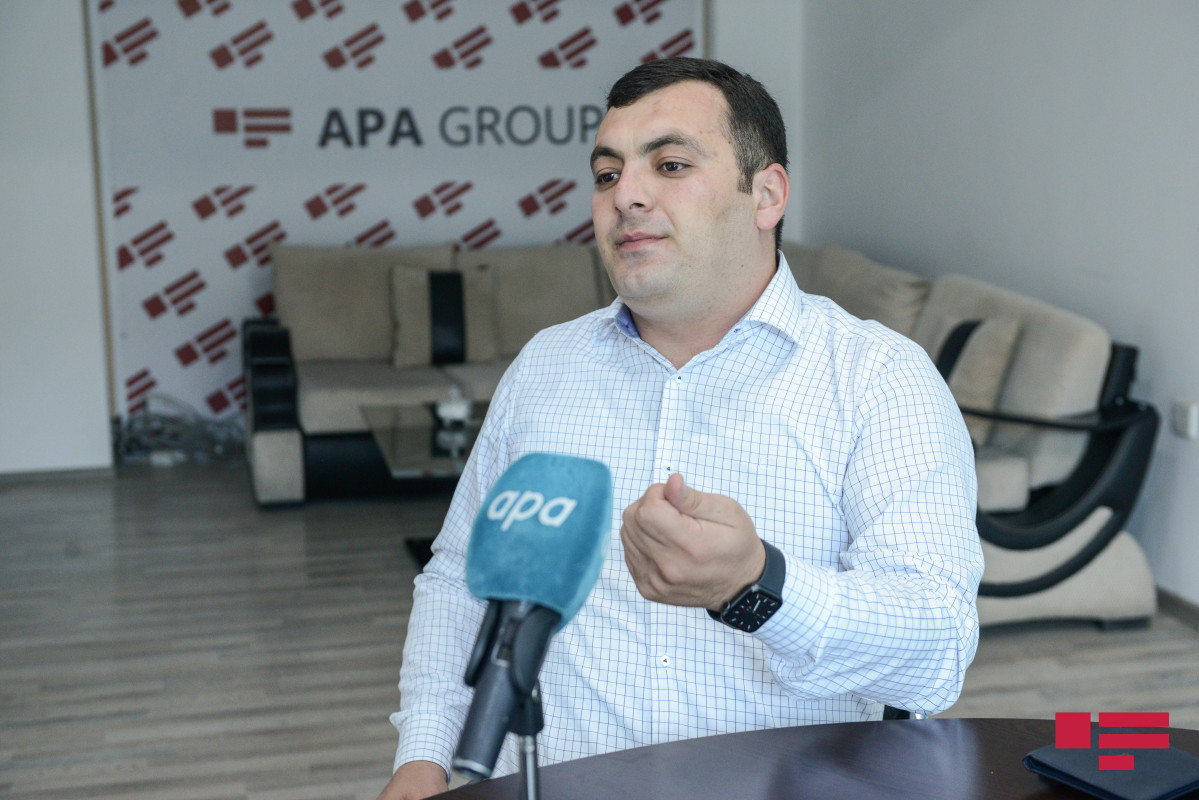 Shamil Pashayev, lawyer
Touching on the security environment in the region, political analyst Dr. Elina Bardach-Yalov, a former member of the Israeli Knesset and affiliated with Jerusalem Multidisciplinary College, said that the behavior model of the mullah regime has remained unchanged for many years: “For many years, the Iranian regime has been attacking Israel using proxy forces. We have seen this through Hezbollah in Lebanon, Iran-backed armed groups in Syria, as well as Hamas, which is financed and armed by Iran. This model shows that when a conflict arises with its strategic interests, the regime is not ready to take into account the sovereignty and security of other states.”
 Dr. Elina Bardach-Yalov, political analyst, a former member of the Israeli Knesset and affiliated with Jerusalem Multidisciplinary College
American political expert Peter Tase told APA that the drone attack carried out against the Nakhchivan Autonomous Republic should be assessed as an incident that further increases the already existing security tensions in the region. According to him, such incidents lead to the hardening of military and political rhetoric and make the regional security environment more sensitive.
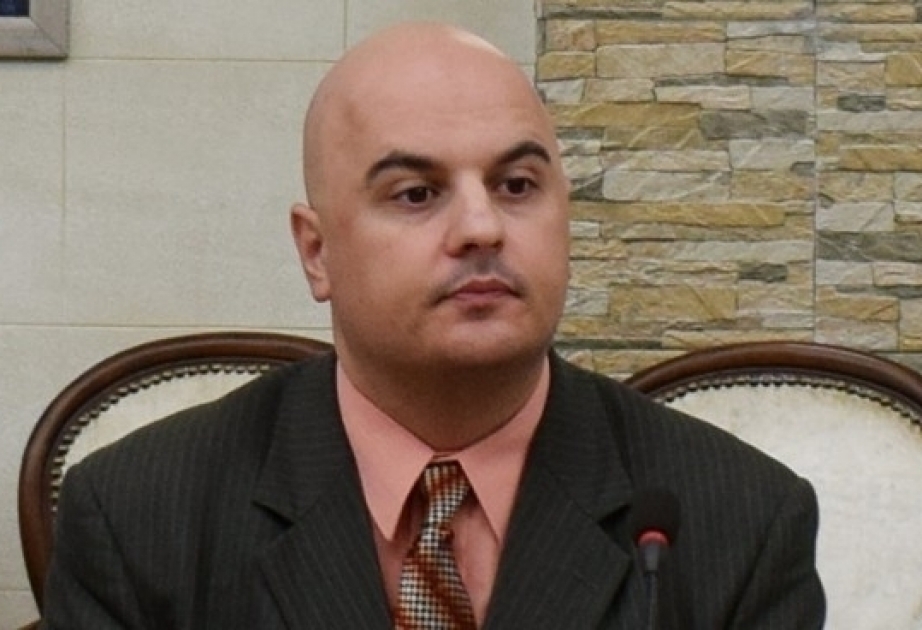 American political expert Peter Tase
According to Peter Tase, the experience of conflicts occurring in the Middle East and surrounding regions shows that such military incidents quickly increase the risk of broader escalation.
He emphasized that, in terms of Nakhchivan’s security and regional stability, the main issue is preventing the escalation of military tensions and activating diplomatic mechanisms. According to the expert, otherwise, such incidents could lead to wider security problems in the region.
Drawing attention to the political situation in the region, Zaur Mammadov, PhD in Political Science at the Academy of Public Administration under the President, noted that at the current stage the mullah regime is effectively in a state of isolation on the international arena: “As a result of the policies pursued by the religious regime, the state has no friends, and the existing allies do not provide active support in the military-political sphere. This situation has led to Iran becoming increasingly isolated both in the region and in the international system. In such circumstances, drones falling in the Nakhchivan Autonomous Republic cause serious concern for Azerbaijan, and this incident creates new risks that may affect the security balance in the region.”
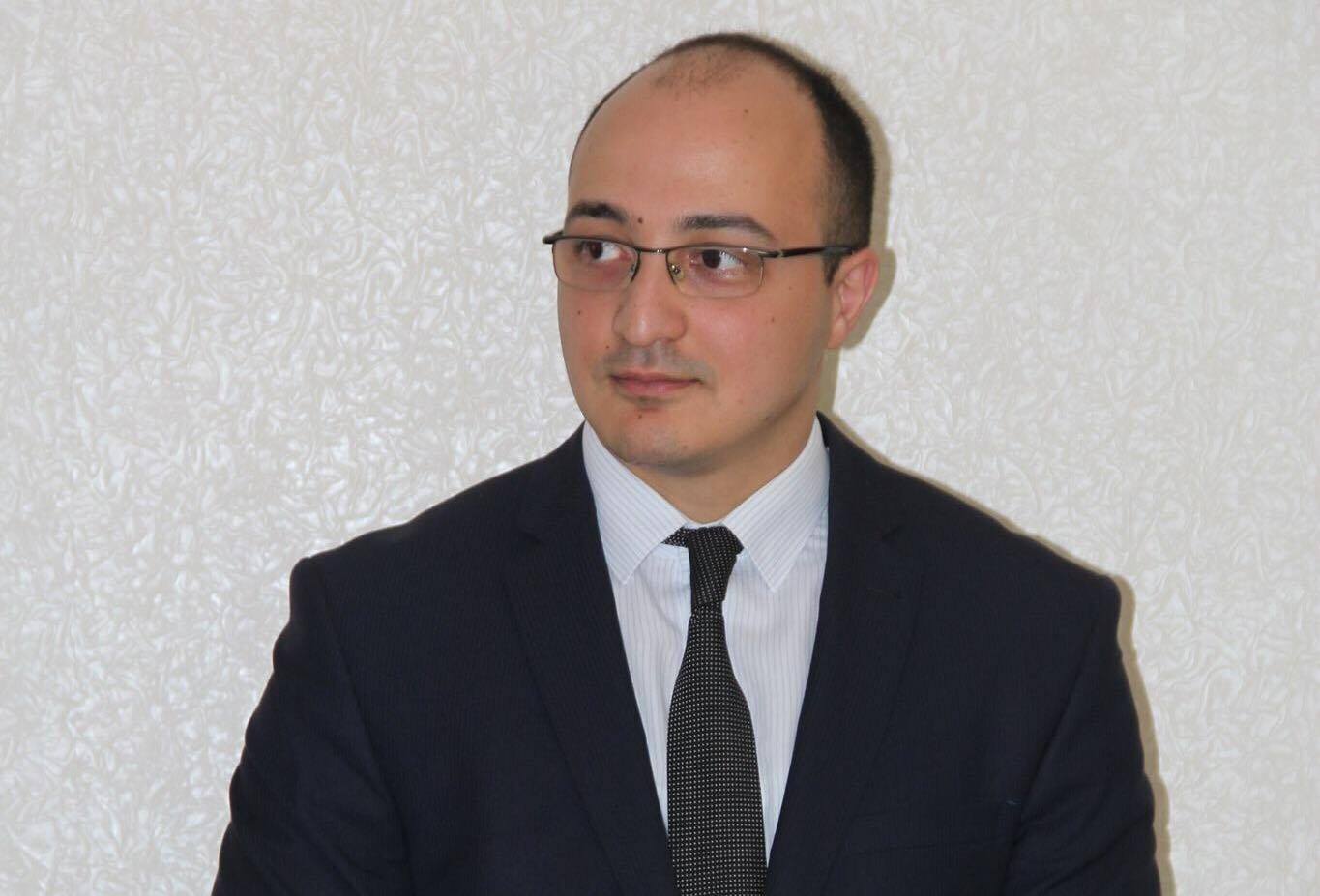 Zaur Mammadov, PhD in Political Science at the Academy of Public Administration under the President
Touching on the issue of the violation of airspace from the perspective of international law, Turkish politician and academic in political science, Ufuk Uras, told APA: “Entering the airspace of a country, regardless of what the target is, means a violation of that state's sovereignty. The territorial integrity of states and their sovereign rights over airspace are among the fundamental principles of international law, and the violation of these principles is considered a serious step that increases tensions in the region. In such cases, it is important for diplomatic mechanisms to be activated and for the incident to be examined in the political sphere.”
 Ufuk Uras, Turkish politician and academic in political science
Expanding on the issue of legal responsibility, Shamil Pashayev noted that deliberately striking civilian objects is already assessed as a “grave breach” under international law: “Deliberately striking civilian objects falls under the category of a ‘grave breach’—that is, a serious violation—and gives rise to international criminal responsibility. In such cases, not only political responsibility but also legal responsibility comes to the fore. Both national courts and international tribunals and courts have the authority to investigate such incidents, and affected states have the right to use international legal mechanisms.”
Touching on the security strategy in the region, Elina Bardach-Yalov believes that this incident is part of broader security problems: “This reveals the fundamental nature of the Iranian regime. The regime does not respect its neighbors and does not recognize the sovereignty of other states when it conflicts with its ambitions. Targeting Azerbaijan clearly shows that Tehran is ready to attack even countries that are not part of the war, and this once again demonstrates how fragile the security system in the region is.”
Drawing attention to Azerbaijan’s diplomatic conduct, Zaur Mammadov said that official Baku has consistently demonstrated friendly and neighborly relations since the conflict began: “After the death of Khamenei, President of Azerbaijan Ilham Aliyev was among the few heads of state who expressed condolences to the President of Iran. In addition, Azerbaijan’s Ministry of Foreign Affairs has regularly maintained contact with its Iranian counterparts and issued official statements. Even before the war began, Azerbaijan had made possible efforts for de-escalation.”
Touching on the issue of resolving regional problems, Ufuk Uras believes that the current tensions can only be eliminated through diplomatic means: “Diplomacy and negotiations are sufficient to resolve the issues in the region. Irrational, emotional and unstable steps do not lead to the resolution of problems; on the contrary, they cause them to deepen further. Relations between states should be built on the principles of logic, mutual respect and peace.”
Speaking about the legal consequences, Shamil Pashayev added that such attacks can be assessed as war crimes: “All such acts fall under the category of war crimes and give rise to criminal liability based on both national legislation and the requirements of international conventions. Compensation for the damage caused must be ensured, and the responsible persons must be held legally accountable.”
Touching on the regional strategy of the mullah regime, Elina Bardach-Yalov said that Tehran pursues a long-term policy of influence: “All countries in the region should understand this very clearly: Iran has no real friends. What it possesses are strategic ambitions, a vision of regional expansion, and great patience. Tehran is ready to wait for years, sometimes even decades, in order to increase its influence.”
Drawing attention to Azerbaijan’s security capabilities, Zaur Mammadov noted that the country has sufficiently strong potential to protect its sovereignty: “The Azerbaijani army possesses strong and modern military equipment. The country can both preserve its sovereignty within its territory and carry out the necessary operations at strategic points.”
Emphasizing the importance of regional cooperation, Ufuk Uras noted that the joint will and cooperation of Türkiye and Azerbaijan constitute an important platform for stability in the region: “Both countries can play an important role in bringing this tense situation into a calm and rational framework.”
Thus, the drone attack directed at Nakhchivan is assessed not only as a military incident but also as an event with broader consequences in terms of international law, regional security, and geopolitical balance. Iran, in addition to refraining from actions that bring regional tensions to their peak, should provide an explanation to Azerbaijan and apologize for the incident.


 Follow us on Telegram
 t.me/apanewsaz
 Follow us on Instagram
 Follow us on TikTok
 Follow us on Facebook
 Follow us on X