

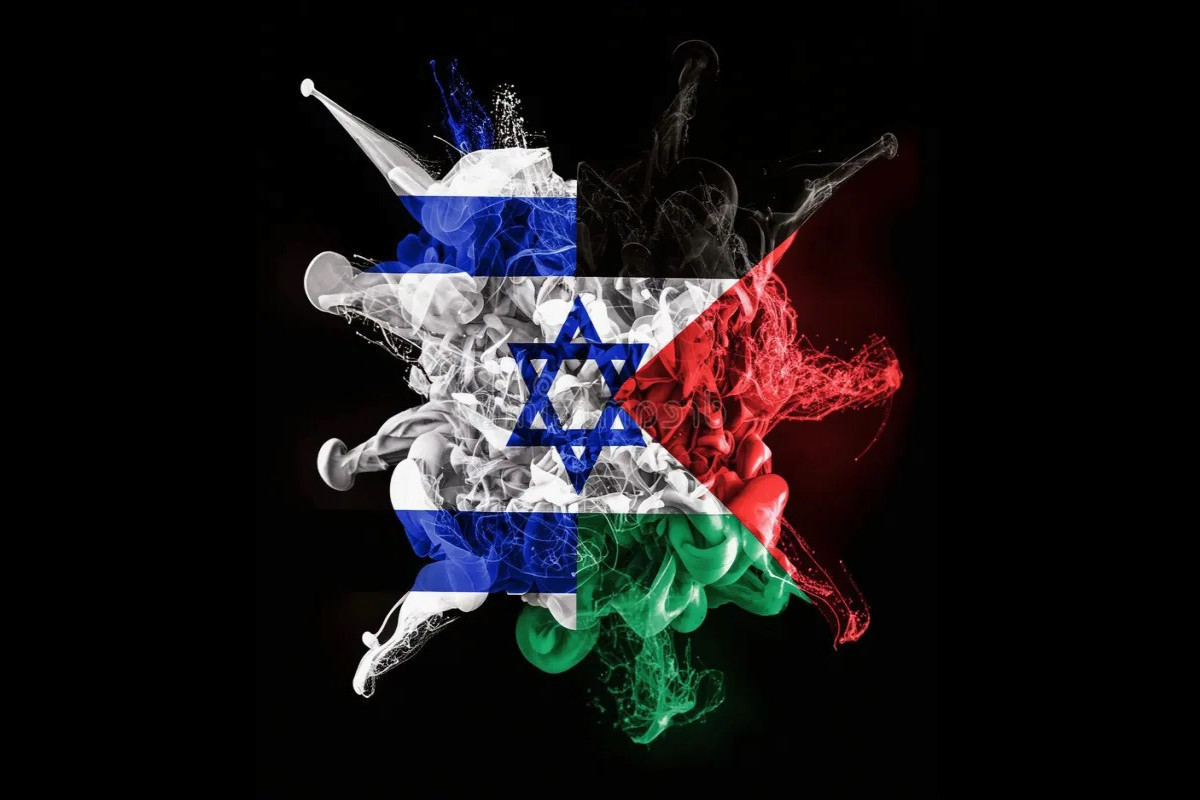


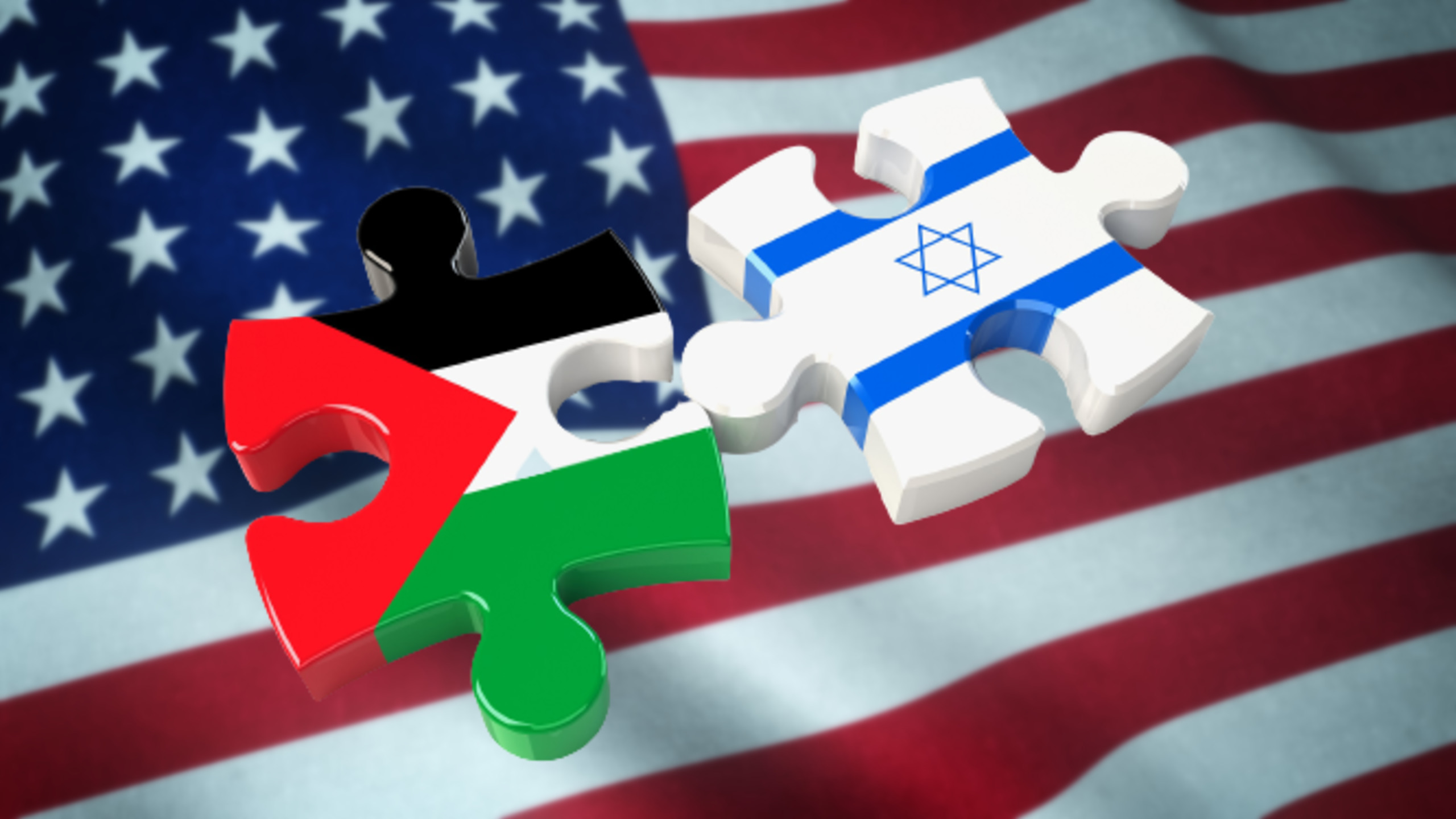
The “Two-State Principle” in resolving the Palestinian issue is considered the most realistic and legitimate model within the framework of international law and UN resolutions.
Azerbaijan has also consistently supported this position, recognizing Palestine in the 1990s and establishing diplomatic relations with it. This step reflects Azerbaijan’s principled position in its approach to resolving the conflict and its commitment to solutions based on international law. Azerbaijan’s steps in this direction were earlier and more consistent than those of other countries that later adopted the same position.
The future of Palestinian-Israeli negotiations against the backdrop of successive recognitions
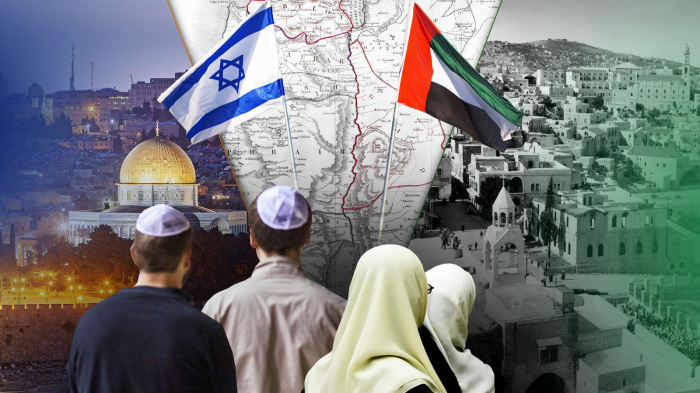
In recent days, the consecutive recognition of Palestine’s statehood by various countries has drawn attention. This process may lead to the formation of a new dynamic in the international community regarding the resolution of the conflict. On the one hand, the recognition of Palestine is seen as political support and is a call for a resolution of the conflict based on international law, and on the other hand, it may complicate Israel's position and make it more difficult to find a balanced solution in the negotiations. Thus, this process may both expand the possibilities for negotiations and create additional tension between the parties.
At the same time, Israel's security concerns should also be taken into account in the discussions. Because the current political structure of the Palestinian side is fragmented. The weakness of the institutional capabilities of the Mahmoud Abbas Administration, on the other hand, the exclusion of Hamas and various armed groups from the legitimacy of political processes, complicates the negotiations. This situation makes it necessary not to ignore Israel's security arguments.
Is a long-term solution possible without Washington's political will?
One of the main factors that will influence the future trajectory of the conflict is the position of the United States. At present, Washington has not put forward a concrete plan for a long-term solution to the Gaza crisis. However, given the regional influence of the United States and its strategic partnership with Israel, its political will may be of great importance for real results. Other international actors - the European Union, the United Kingdom, and France - are making more statements of principled support for the resolution of the conflict, but practical resolution mechanisms have not yet been formed.
The humanitarian aspect also comes to the fore in terms of conflict resolution. The release of hostages and the protection of the civilian population are among the main factors determining the legitimacy of the process. The return of hostages can reduce short-term tensions, but a long-term solution is not limited to this. Political institutionalization and security guarantees also play an important role here.
As a result, the civilian population is the one who suffers the most from the conflict. The development of sustainable peace mechanisms that will ensure the safety of women, children, and innocent people affected by the war remains a priority for the international community. Political will, regional cooperation, and approaches based on international law are necessary to find a lasting solution.
How does the recognition of Palestine affect the global political agenda?
Remzi Çetin, a foreign policy expert from Türkiye specializing in Israel, told APA that the recognition of Palestine as a state is an important step that could have a positive impact on the resolution of the conflict.

He noted that the Palestinian issue remains one of the most sensitive issues on the agenda of the international community. “After the events of October 7, Israel’s disproportionate use of military force in Gaza and the deaths of tens of thousands of people turned this problem into a 'test of human conscience' on a global scale. Against this background, many states, including Western countries that previously provided more political support to Israel, decided to recognize the independence of Palestine. The positions that previously mainly referred to Israel’s self-defense and right to exist in the region are now gradually changing. The recognition of Palestine as a state is considered an important step that could have a positive impact on the resolution of the conflict. However, it is also emphasized that this decision is belated. If this process had begun in the late 1990s or early 2000s, it could have had a deeper impact on regional stability. Currently, the recognition of Palestine by states such as England and France is considered an “important step, albeit late.” This serves both to alleviate the humanitarian crisis faced by the Palestinian people and, thereby, to bring the issue to the forefront of the global political agenda. The “two-state principle” is accepted as the main basis in international approaches to resolving the conflict. However, Israel’s political leadership, especially the current radical right-wing government, opposes this model. Israel has recognized Jerusalem as its “eternal and indivisible capital” since 1980, and the current government does not back down from this position. Even the complete annexation of the West Bank is on the agenda. In such circumstances, the West’s recognition of Palestine is a serious concern for Israel, and the Tel Aviv government is responding by discussing new annexation plans.”
Impact of Palestinian divisions on peace negotiations
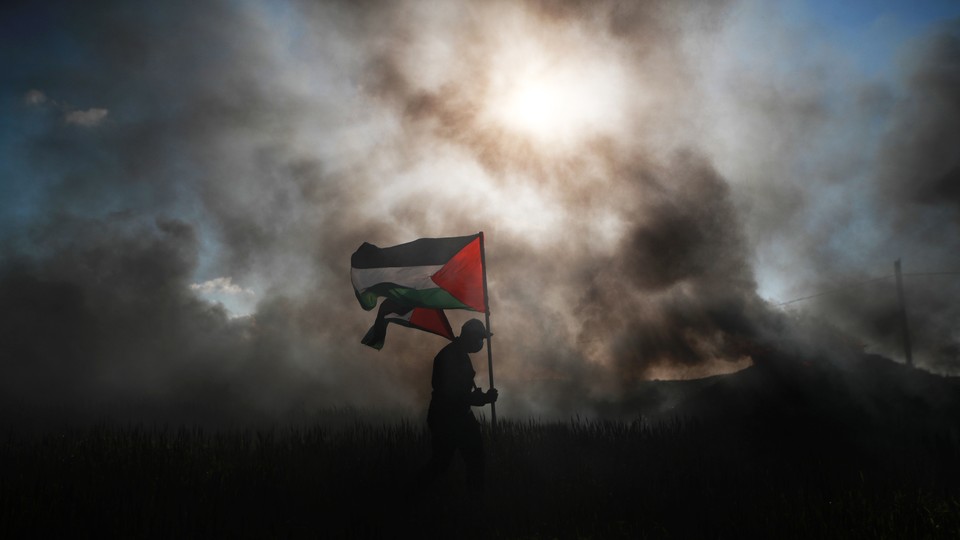
According to the political expert on Israel, today's reality is that Western countries are trying to partially balance the unilateral support given to Israel for many years by recognizing Palestine: "At the same time, the process of Israel's isolation on the international level is deepening. The number of countries supporting Israel's position in the UN General Assembly votes is rapidly decreasing. However, internal division on the Palestinian side is a significant factor complicating the resolution of the conflict. Along with the presence of the Mahmoud Abbas Administration in Ramallah, the Hamas authorities in Gaza pursue their own political agenda. This dual administration has served Israel's interests for many years, because the lack of a unified Palestinian leadership limits the possibilities for real partnership in negotiations. If the West Bank and Gaza leadership cannot reach a common position even after the events that claimed the lives of tens of thousands of people, this division will continue to strengthen Israel's position."
Faiq Mahmudov
Daryanur Jafarova


 Follow us on Telegram
 t.me/apanewsaz
 Follow us on Instagram
 Follow us on TikTok
 Follow us on Facebook
 Follow us on X