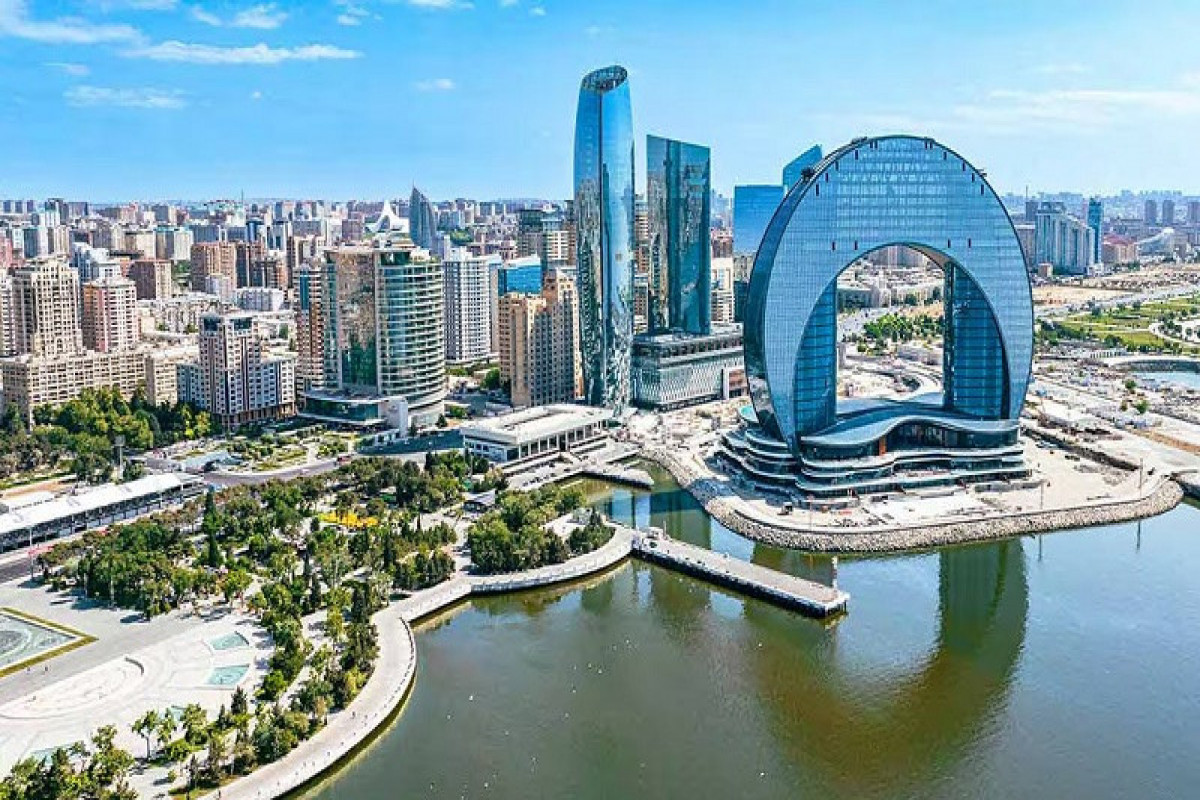


Urban development policy in Azerbaijan has today moved beyond the framework of classical urban planning and has become a visual and functional expression of state sovereignty, political will, and national power. The city is no longer merely a place of residence; it is a spatial form of the strategic contract the state concludes with its citizens. This approach demonstrates that Azerbaijan perceives development not as a spontaneous process, but as the result of centralized political decisions and long-term planning.
The construction of new cities, towns, and villages in the liberated territories is particularly political in nature from this perspective. The development process carried out there goes beyond the concept of restoration and carries a broader and deeper meaning. Azerbaijan is not only rebuilding destroyed infrastructure in these areas, but is also shaping a post-conflict governance model. Each new settlement is a clear symbol of the restoration of state control, the strengthening of the legal system, and the irreversible nature of sovereignty. These cities are not accidental; they are the planned outcome of political will.
Urban development as a new model of political legitimacy in the post-conflict period
Although smart technologies, modern transport and energy systems, and environmental approaches implemented in newly built cities and villages are technically important, the core meaning lies in their political dimension. The state demonstrates that it brings its citizens back not through empty rhetoric, but through a real model of life. This is the strongest form of social policy, because it is built not in words, but in space. Through this approach, Azerbaijan proves that in the post-conflict period, legitimacy is strengthened not only through diplomatic documents, but through the organization of everyday life.
The declaration of 2026 as the “Year of Urban Development and Architecture” in Azerbaijan represents the formalization of this course at the political level. This decision is neither accidental nor purely symbolic. Through it, the state openly declares that urban development is a strategic field directly linked to national security, social stability, and economic development. This is a message to the domestic audience that the state thinks long term and systematically builds the future. At the same time, it is a political signal addressed to the international community: Azerbaijan is managing the post-conflict phase not in an uncontrolled manner, but through sovereign will.
From COP29 to WUF13: Azerbaijan’s growing global political weight
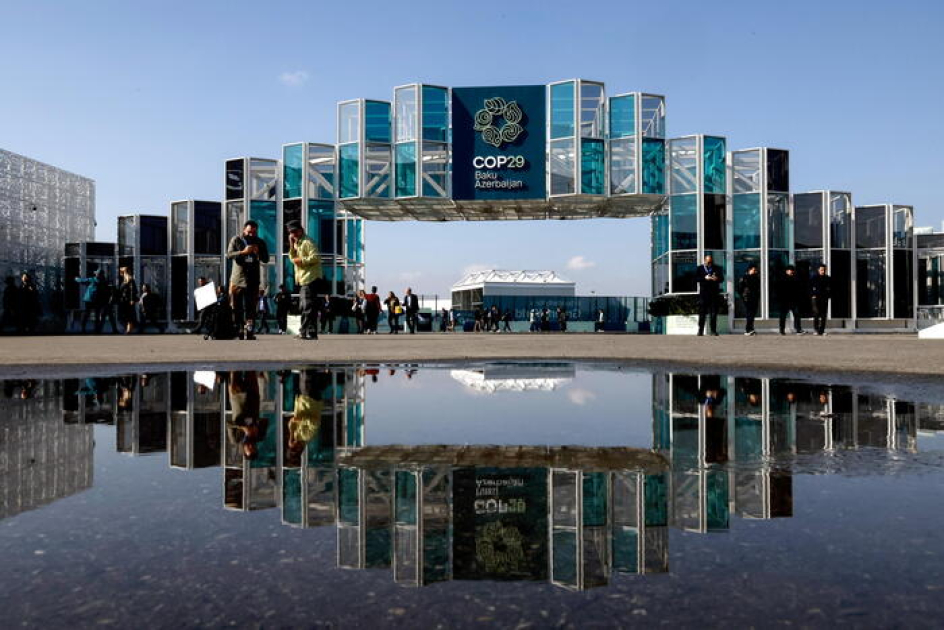
This strategic approach is also reflected in Azerbaijan’s increasing role on international platforms. The successful hosting of COP29 in Azerbaijan demonstrated that the country is a reliable partner in global governance processes. COP29 was not only about the climate agenda; it also became a test of political maturity. Azerbaijan successfully passed this test, demonstrating its ability to maintain balance in a complex international environment where diverse interests intersect. This represents political weight not merely at the regional, but at the global level.
It is precisely in this context that the expectation of WUF13 being successfully held in Azerbaijan is fully logical and well-founded. The issues of urban development and urbanization that lie at the center of WUF13 are not theoretical discussion topics for Azerbaijan. They are a model shaped by real experience, real space, and real political decisions. The new cities created in the liberated territories allow Azerbaijan to participate in this forum not as a passive listener, but as an active example.
Azerbaijan hosts global events not for prestige, but to present and legitimize its own development model. This is the behavior of a self-confident state. The success of COP29 was not accidental, and the success of WUF13 is inevitable, because it is backed by political will, institutional experience, and tangible results.
The Year of Urban Development as an ideological symbol of sovereignty and modernization
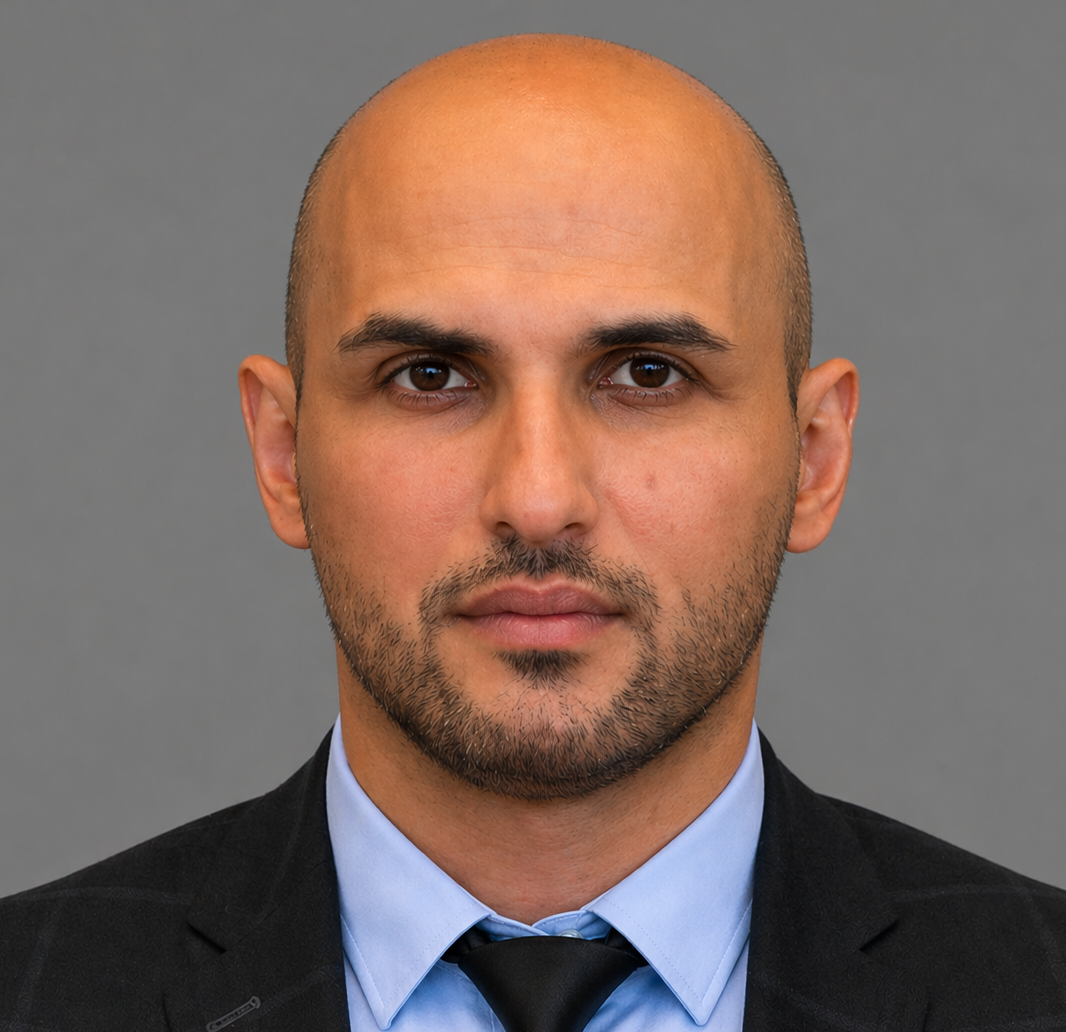
Advisor to the Academy of Public Administration under the President and Chairman of the Baku Political Scientists Club, Zaur Mammadov, told APA that declaring 2026 as the “Year of Urban Development and Architecture” aims to highlight the multidimensional policy of the Azerbaijani state in the post-war and post-transformation period, the institutionalization of the reconstruction and development model, and urban development as an ideological symbol of sovereignty, modernization, and social order.
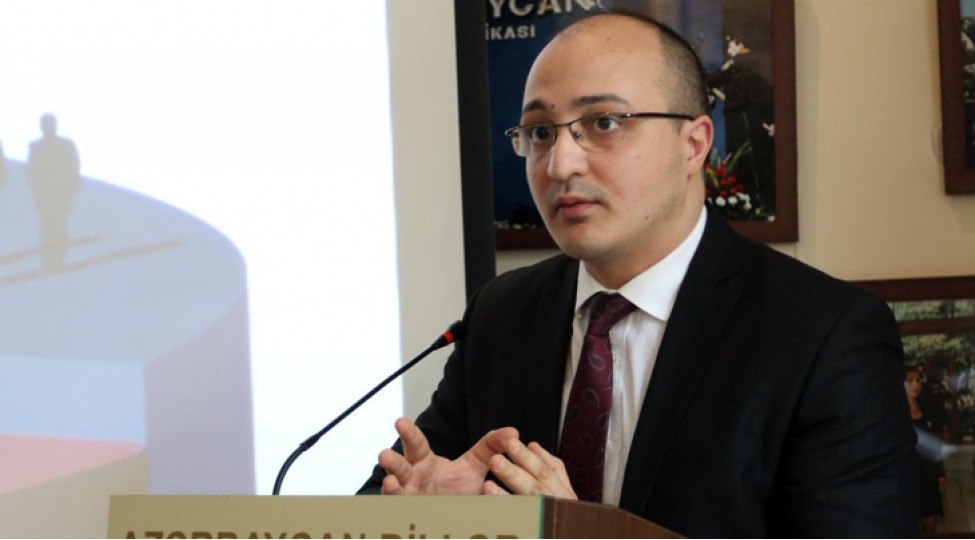
He noted that declaring 2026 as the “Year of Urban Development and Architecture” is linked to very important political, philosophical, and ideological factors: “It is known that every year the President Ilham Aliyev declares years dedicated to various themes that are relevant and strategically important for Azerbaijan. This time, bringing urban development to the forefront is also a very significant step and once again shows that the policy of the Azerbaijani state is multidimensional and that such directions occupy an important place within this policy. This approach aims to institutionalize the state’s reconstruction and development model in the post-war and post-transformation period. In particular, the application of ‘smart city’ and ‘smart village’ concepts in the liberated territories presents urban development not merely as a technical or functional field, but as a symbol of political sovereignty and the will to modernize. In this context, architecture acts as the materialized form of ideology, while urban development conveys the message of a renewed social contract.”
Mammadov emphasized that strengthening control over urban planning means presenting the triad of security, prosperity, and order in a new context: “At the same time, it should be taken into account that in recent years Azerbaijan has actively transformed into a regional and global center both in terms of tourism and the hosting of international events. From this perspective, the theme selected for 2026 envisages the large-scale implementation of activities, projects, and events.”
Baku 2026: a global platform for urban development
The political analyst stated that the World Urban Forum to be held in Baku in 2026 will serve to promote Azerbaijan’s urban development and planning experience at the international level, encourage innovative governance and technological approaches, and further strengthen the country’s status as a reliable host of prestigious global events.
“The Urban Development Forum will be held in 2026, and in this direction, comprehensive action and event plans are being prepared by state and non-state sectors in line with the Roadmap. The forum will be an important platform for promoting Azerbaijan’s urban development and urban planning experience internationally. At the same time, new technologies, modern governance models, and innovative approaches will be among the main themes of the forum, creating conditions for the exchange of experience between local and foreign experts and the formation of new ideas. Activities, exhibitions, public discussions, and projects on sustainable urban development and urban planning will be among the main directions of this International Forum to be held in 2026,” he added.
Urban development as the spatial expression of Azerbaijan’s global status and political will
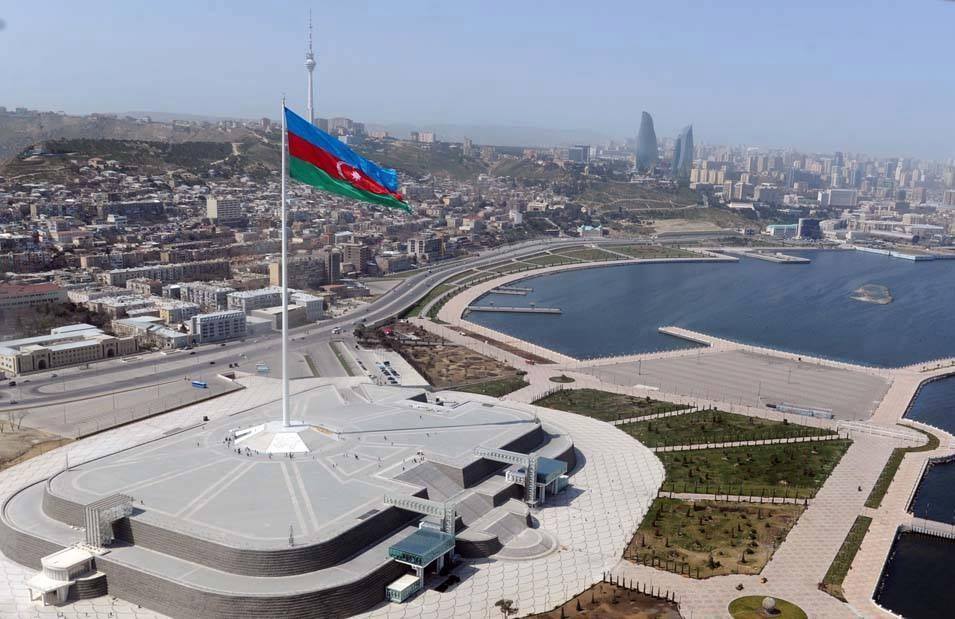
The political analyst noted that holding the World Urban Forum in Azerbaijan will further strengthen the country’s role and status as a host of reputable international events at the global level: “As a result, it is well known that Azerbaijan’s capital, Baku, has for many years served as a center for international events in sports, culture, politics, economics, and humanitarian fields, and there is no doubt that this forum will also be organized at a high level and successfully. In this context, declaring 2026 as the ‘Year of Urban Development and Architecture’ can be assessed as a logical continuation of the consistent, systematic, and ideologically grounded state policy pursued in this field.”
Today, urban development in Azerbaijan is not merely an architectural issue. It is a form of political power constructed in space. New cities reflect not only Azerbaijan’s current capabilities, but also its future ambitions. This is a strategic choice that demonstrates the state does not merely remember its history, but systematically carries it into the future.


 Follow us on Telegram
 t.me/apanewsaz
 Follow us on Instagram
 Follow us on TikTok
 Follow us on Facebook
 Follow us on X