

After the end of the long-standing conflict between Azerbaijan and Armenia, intensive diplomatic initiatives are being undertaken to ensure sustainable peace in the region. As one of the main initiators of this peace process, Azerbaijan has played a key role in negotiations with Armenia and has been the author of most clauses in the peace agreement draft.
Azerbaijan's role in this process is not limited to being the initiator of the peace agreement. At the same time, Baku is actively proposing large-scale economic and infrastructure projects aimed at strengthening regional stability and cooperation. In particular, the rapid implementation of reconstruction works in the liberated territories, as well as the restoration and development of transport and communication infrastructure, are considered crucial factors in ensuring long-term peace in the region.
Azerbaijan's peace initiative
The successful completion of the peace process is of great importance in transforming the South Caucasus region into a safe and sustainably developing geopolitical space.

During his speech at the opening ceremony of the 12th Global Baku Forum, organized by the Nizami Ganjavi International Center and themed “Rethinking World Order: Turning Challenges into Opportunities”, President of the Republic of Azerbaijan Ilham Aliyev shared his thoughts on the peace agreement: "We need to have peace in the Southern Caucasus, and that's why Azerbaijan was the initiator of the peace process. Actually, Azerbaijan was even the author of the draft peace agreement, which today is being discussed between Azerbaijan and Armenia, and largely agreed. So, most of the paragraphs have been agreed."
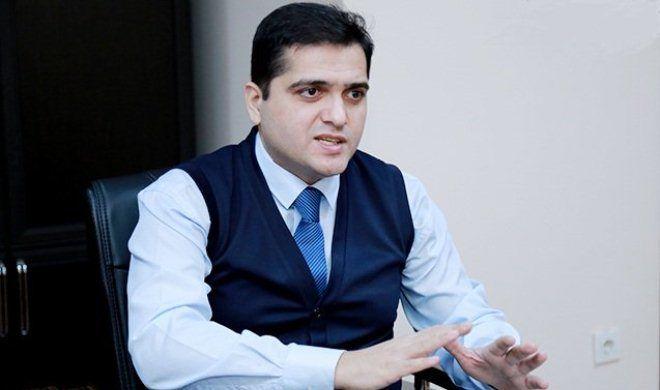
Head of the "Atlas" Research Center and political scientist Elkhan Shahinoglu stated to APA that significant progress has been made towards signing a peace agreement between Azerbaijan and Armenia:
"After ensuring its territorial integrity, Azerbaijan proposed signing a peace agreement with Armenia and presented our demands. One of our main demands is that Armenia to amend its Constitution, as it contains territorial claims against Azerbaijan. Subsequently, work on the text of the peace agreement began, and many articles were agreed upon. Up until the final moment, 15 out of 17 clauses had been agreed upon, and at the last moment, Armenia also accepted Azerbaijan's two remaining demands: refraining from making international claims against each other and not deploying representatives of other countries at the Azerbaijan-Armenia border.
With this, we are now significantly closer to signing the peace agreement. The main issue now is for Armenia to make the constitutional amendments. Although this requirement is not included in the text of the agreement, it still needs to be addressed. Pashinyan has stated that it will be done next year. However, if Pashinyan wants peace and cooperation in the region, as well as normalization of relations with Türkiye, without waiting for next year, he should by no means delay the constitutional amendments.
There is also an idea put forward by President of Azerbaijan Ilham Aliyev during his visit to Georgia — the 'Caucasus Home' idea. If the peace agreement is signed, regional projects are launched, Armenia does not obstruct the Zangazur corridor, and the Constitution is amended, a platform of peace, reconciliation, and cooperation can indeed be established in the Caucasus."
Armenia's foreign policy and peace strategy
In recent times, Armenia has been shaping its foreign policy towards creating a "peaceful" image. Although Yerevan claims to be committed to peace on the international arena, its actions in both diplomatic and military spheres cast doubt on the sincerity of these claims.
In recent months, the frequent foreign visits of Armenian officials and the adoption of documents against Azerbaijan by the European Parliament, as well as by the parliaments of Belgium and Switzerland, confirm this policy. Through these documents, Armenia aims to criticize Azerbaijan in international forums, undermine its rightful position, and exert political pressure.

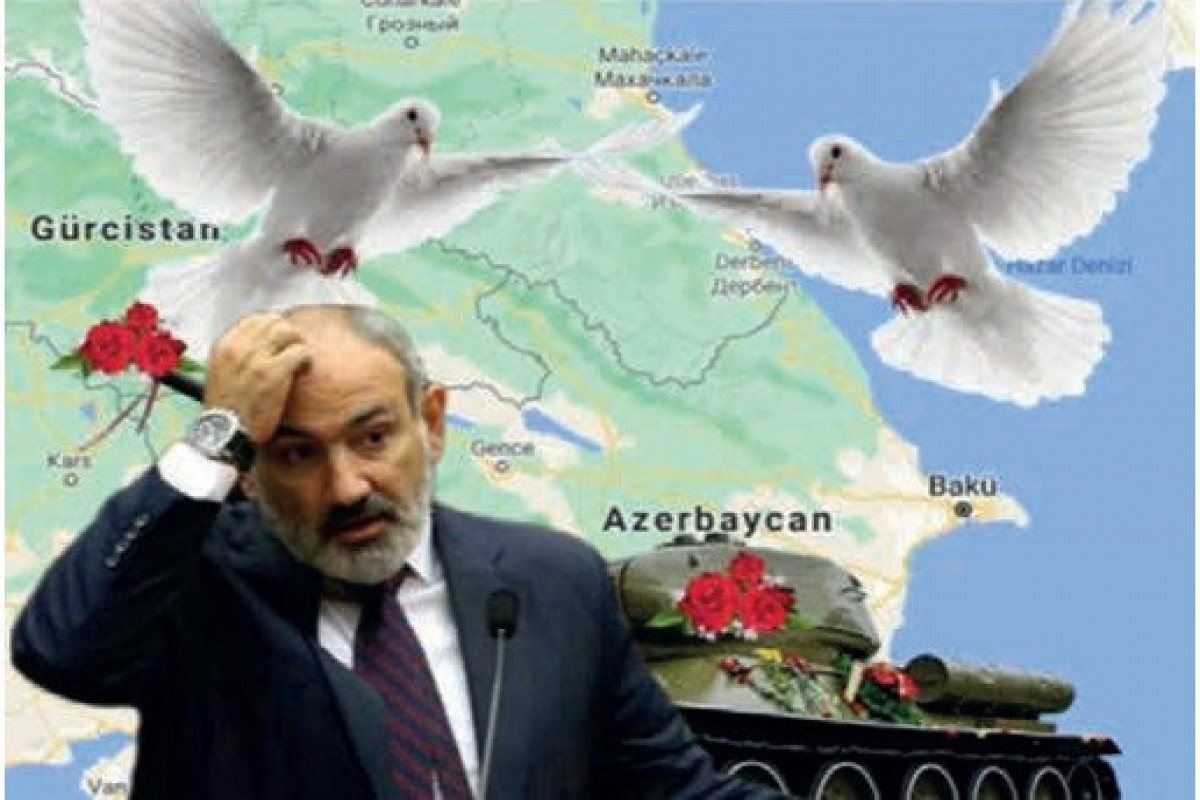
During his speech at the 12th Global Baku Forum, President of Azerbaijan Ilham Aliyev emphasized Armenia's dual policy, noting that some European bureaucrats are trying to portray Armenia as a "peace dove."
"They forget that during the Second Karabakh War, they were shelling our cities and villages. We lost more than 100 civilians because of their missiles, including Iskander-M, which was actually forbidden for export", said the head of state.
Addressing the issue of some European countries presenting Armenia as a peace advocate, political analysts pointed out that it is impossible to forget the actions committed by Yerevan during the years of occupation. "Our lands remained occupied for many years, and separatists were armed by Armenia. The same Pashinyan who now wants to sign a peace agreement with Azerbaijan once illegally visited Karabakh and Shusha, danced drunkenly, and declared 'Karabakh is Armenia,' while planning to build a road to Jabrayil. However, after the Second Karabakh War, he began to realize the realities and understood that Azerbaijan’s territorial integrity would be ensured under any circumstances. We have not forgotten and cannot forget the events of the past — the brutalities committed by Armenian separatists and Armenia against Azerbaijan, including the Khojaly and other genocides. Therefore, we will always remind those European countries that attempt to portray Armenia as a 'peace dove' of the crimes committed by Armenia over 30 years. Currently, trials are underway in Baku for ethnic Armenian individuals accused of various war crimes. The facts are coming to light once again, with separatists themselves admitting how massacres were committed, how they were armed, and how they occupied Azerbaijani territories. All these facts will remain in history and will not be forgotten. The international community should not forget them either. Calling Armenia and its past and present leaders a 'peace dove' or 'peace bird' is simply absurd."
Trust issues in Azerbaijan-Armenia relations
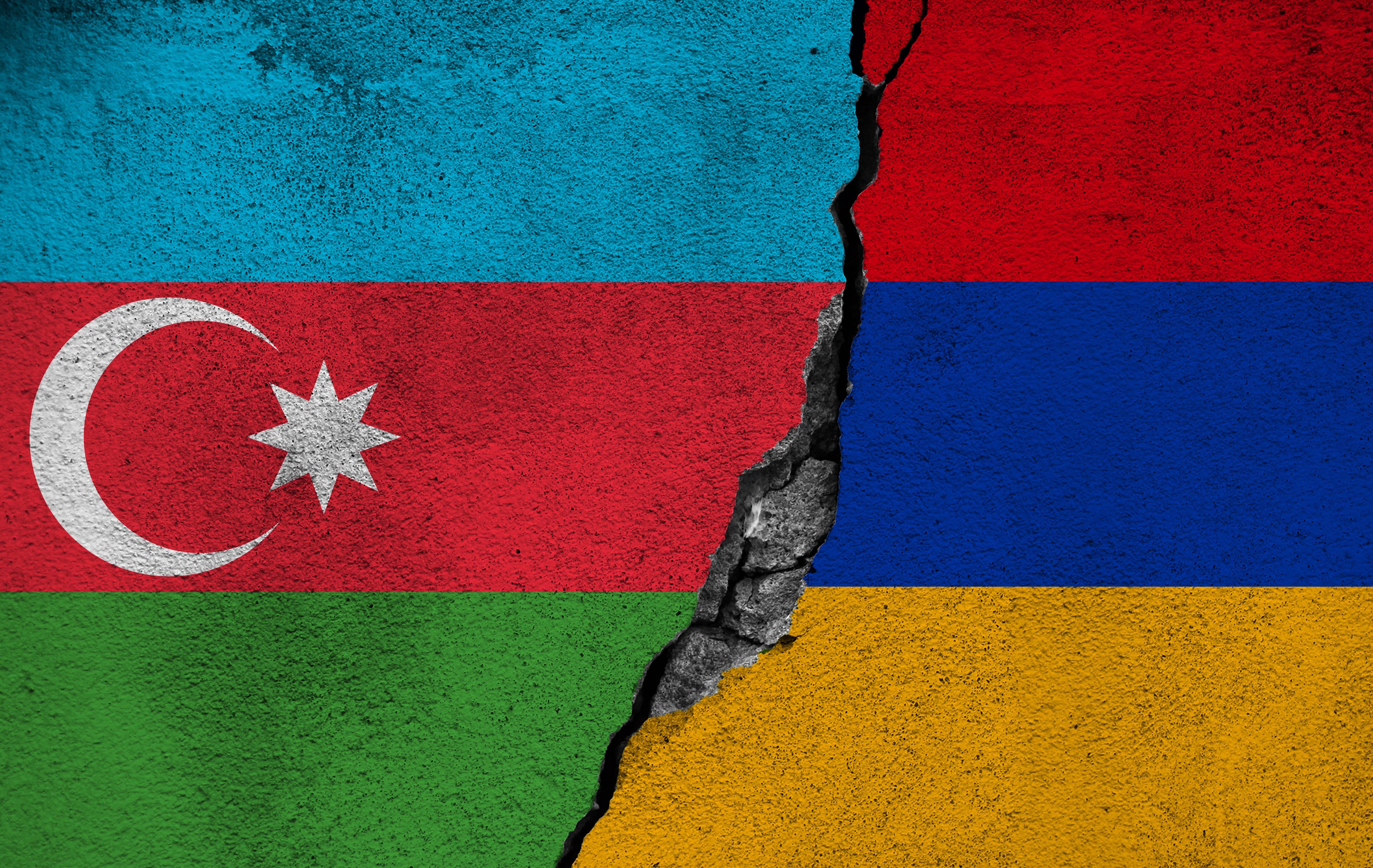
The level of trust towards Armenia within Azerbaijani society is extremely low, stemming from historical, political, and military reasons. The prolonged conflict, occupation policies, and their consequences have left a lasting impact on relations with Armenia. Although peace processes and negotiations are ongoing, concrete steps and tangible results are necessary to build trust. The memories of the Garabagh wars and ethnic cleansing incidents still linger. Restoring trust requires mutual respect, adherence to international law, and the practical implementation of peace initiatives.
In his recent speech, President Ilham Aliyev also emphasized the lack of trust towards Armenia, stating that it is impossible to believe their words: "I can tell you one more thing that the level of trust to Armenia is close to zero. So, we do not trust any of their words. Because they are not the people who we can trust, including today’s government. Again, all that they say, for us, has zero meaning. We need documents; we need papers. We need their constitution to be free of territorial claims against Azerbaijan. It still contains territorial claims against Azerbaijan. We need the OSCE Minsk Group to be dissolved. We convey this message to Armenia, saying that there is no logic in keeping the Minsk Group. It was created to address the issue of Karabakh. Now Karabakh is done. Armenia recognizes Karabakh as part of Azerbaijan. Why don’t you join us in a joint application to the OSCE to dissolve it? They don’t want. So, they want to keep “a part of their feet” on the ground, on our territory, now virtually, of course."
Necessary conditions for the sustainability of peace

Expressing his views on the low level of trust towards Armenia, Elkhan Shahinoglu emphasized the importance of fulfilling all conditions for the sustainability of the peace agreement between Azerbaijan and Armenia. Otherwise, he noted that the agreement could lose its legal force.
"It is impossible to trust words and promises. There must be an agreement. There are clauses, and those clauses must be fulfilled. If Armenia fails to fulfill any of the 17 clauses in the peace agreement draft, Azerbaijan may withdraw from the agreement. This will worsen Armenia's own situation. In the history of the world, it has never been seen that a defeated country dictates terms to a victorious one. We have put forward our proposals, and if our proposals are accepted, the peace agreement will be signed. But if Armenia continues, to say, to purchase long-range missiles, pursue anti-Azerbaijani policies, or if existing subversive groups within the Armenian army violate the ceasefire, then the life of this agreement will not be long. Therefore, if Armenia signs a peace agreement with Azerbaijan, it must ensure its implementation. If Pashinyan signs the peace agreement, he will be responsible for fulfilling its requirements. All clauses of the agreement must be implemented."
As a victorious state, Azerbaijan is taking real steps to ensure long-term peace in the region and supports the signing of a peace treaty. However, Armenia, in various ways, is trying to delay the peace process and reignite tension in the region. The reality behind Armenia’s peace rhetoric is entirely different. Yerevan's ongoing armament policy and acquisition of new military equipment indicate that, in reality, it is not preparing for peace but rather for a new war. Armenia’s discourse on peace is merely a calculated strategy aimed at distracting international public opinion. The international community must remain vigilant against this manipulative policy and demonstrate an objective approach to ensure long-term peace in the South Caucasus.
Armenia’s armament policy and potential threats

The President of Azerbaijan also emphasized during his speech at the 12th Global Baku Forum that Armenia is preparing for a new war.
"Their military build-up - what does it demonstrate? It demonstrates that they are preparing for a new war. Who is pushing them to war again? France and its President. Deadly weapons, which they supplied to Armenia, are aimed at us. Caesar howitzers, which today maybe be needed in other places, are being sent to Armenia. The so-called European monitoring mission, which is actually a reconnaissance mission of the European Union, is spying day and night on our border, looking just for places where they can penetrate. And we have enough intelligence information on this so-called monitoring mission. The European Peace Facility is providing millions of dollars to Armenia to weaponize it. Yes, they say they provide this money for non-lethal military installations. But first, who can check this? And second, you give them 10 million, and then another 10 million is planned to be given. So, that actually allows Armenia to save money to buy weapons. Not only France is supplying deadly weapons. Why are they doing it? For what are they preparing? If they want peace, there is no need for that."
Speaking about Armenia's preparation for a new military conflict, the political analyst noted that it is important for Armenia to abandon armament and refrain from policies that could hinder stability in the region.
"If Armenia signs a peace agreement with Azerbaijan, it will also have to abandon armament. Long-range missiles can only imply war with Azerbaijan. Why would a small state like Armenia need missiles spanning hundreds of kilometers? They could target Azerbaijani cities. We witnessed this during the Second Garabagh War. We cannot allow this to happen again. Armenia is purchasing long-range missiles and heavy equipment from two countries—France and India. Yerevan must also correct this policy and abandon it. On the other hand, France and India should not hinder the emerging peace environment in the region. They must refrain from massively arming Armenia. Armenia itself should abandon armament and cease such policies. If Armenia is sincere in its desire for peace, it must do this."
Armenia must take into account Azerbaijan's demands.

Azerbaijan’s proactive stance in the peace process holds significant importance for stability and economic development in the region. Taking into account Azerbaijan’s peace-related demands is crucial for regional stability and long-term reconciliation. The complete signing and implementation of the peace agreement could create new opportunities for cooperation in the South Caucasus. To achieve this, both sides must demonstrate political will, and the international community should continue to support this process. Azerbaijan aims to sign a comprehensive peace agreement with Armenia based on international law norms. The primary responsibility for this lies with Armenia, as it was Azerbaijan, despite being the victorious state, that first initiated the peace process and continues to move it forward. Armenia’s incomprehensible actions can be interpreted as an intention to hinder the peace process. If defeated Armenia truly desires peace, it must take into account Azerbaijan’s concerns and meet its demands. First and foremost, Armenian society should be prepared for peace. Recently, there has been a noticeable increase in the activities of anti-peace advocates and revanchists within Armenian society. Leading these groups are the perpetrators of the Garabagh and Khojaly massacres—former presidents Robert Kocharyan, Serzh Sargsyan, and their supporters. In fact, it would be more logical and appropriate for Pashinyan to arrest these individuals—Robert Kocharyan, Serzh Sargsyan, and the criminal responsible for the bloodshed of thousands of innocent people in Garabagh—and hand them over to Azerbaijan. Considering that these individuals are intent on seriously disrupting peace, Pashinyan’s actions in this regard would demonstrate his sincerity in pursuing peace while also ensuring that the criminals face justice.
Moreover, Armenia must amend its Constitution, establish a demilitarized zone along its border areas, and open the Zangezur corridor.


 Follow us on Telegram
 t.me/apanewsaz
 Follow us on Instagram
 Follow us on TikTok
 Follow us on Facebook
 Follow us on X