



The decades-long, planned and purposeful policy of occupation, genocide and ethnic cleansing against Azerbaijanis did not consist of events that could be assessed legally only in the context of an armed conflict. This policy was characterized by the deliberate targeting of the civilian population, mass killings, systematic destruction of settlements, forced displacement of people and systematic and persistent violations of fundamental human rights. These acts were carried out in violation of the fundamental principles of international humanitarian law, human rights law and the law of armed conflict and entailed grave legal consequences in terms of international criminal law.
The Khojaly genocide occupies a special place as one of the most horrific and legally grave examples of this policy. The facts of the deliberate targeting of the civilian population on the basis of their ethnicity, mass killings, torture and inhuman treatment indicate that these events were not random military episodes, but a criminal act planned in advance and centrally controlled. From the point of view of legal analysis, the Khojaly events reveal the essence of the crimes committed against Azerbaijanis with all their components and prove that these acts were systematic in nature.

These events were neither spontaneous nor local in nature. On the contrary, they were carried out as part of a long-term, consistently prepared, targeted and coordinated activity. The geographical scale of the crimes, the similarity and continuity of the implementation mechanisms confirm from a legal point of view that this policy was carried out not by random individuals, but within the framework of certain organizational structures.
Against the background of the current reality, the Azerbaijani state has restored its sovereign rights, put an end to the occupation, liberated its territories and taken consistent and principled steps towards the legal assessment of serious crimes that had remained unpunished for many years. This stage is of particular importance from a legal point of view, because for the first time, individuals who had operated with de facto impunity for decades have been brought to criminal responsibility. Key figures who participated in the planning and implementation of the policy of occupation and genocide have been detained and brought to trial within the jurisdiction of the Republic of Azerbaijan.
From a legal point of view, this process can be assessed as the activation of the mechanism for the restoration of justice. The events that occurred were removed from the realm of political rhetoric and diplomatic disputes and began to be assessed on the basis of legal norms, evidence, and procedures. The court proceedings were based on factual materials, a thorough examination of evidence, and legal qualifications.
Judgment on the main figures of the occupation policy

During the extensive and complex court hearings, facts, evidence, witness statements and official documents were systematically analyzed. The legal analysis of the investigation materials showed that the individuals who participated in the preparation and implementation of the occupation policy were not separate, independently operating entities, but were part of a structure serving a single goal. The trial reached its final stage on the 5th of the month and the verdict was announced against the accused.
The court found that these individuals participated in serious criminal acts such as planning and waging a war of aggression, crimes against humanity, war crimes, violence against the civilian population, terrorist activities, as well as the creation and management of illegal armed formations. This legal assessment covers not only the consequences of the crimes, but also their causes, implementation mechanisms and structural nature.
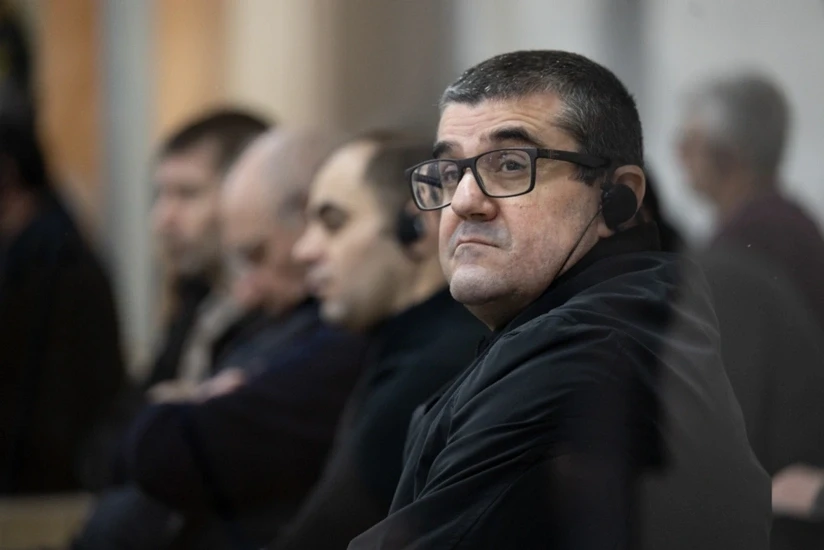
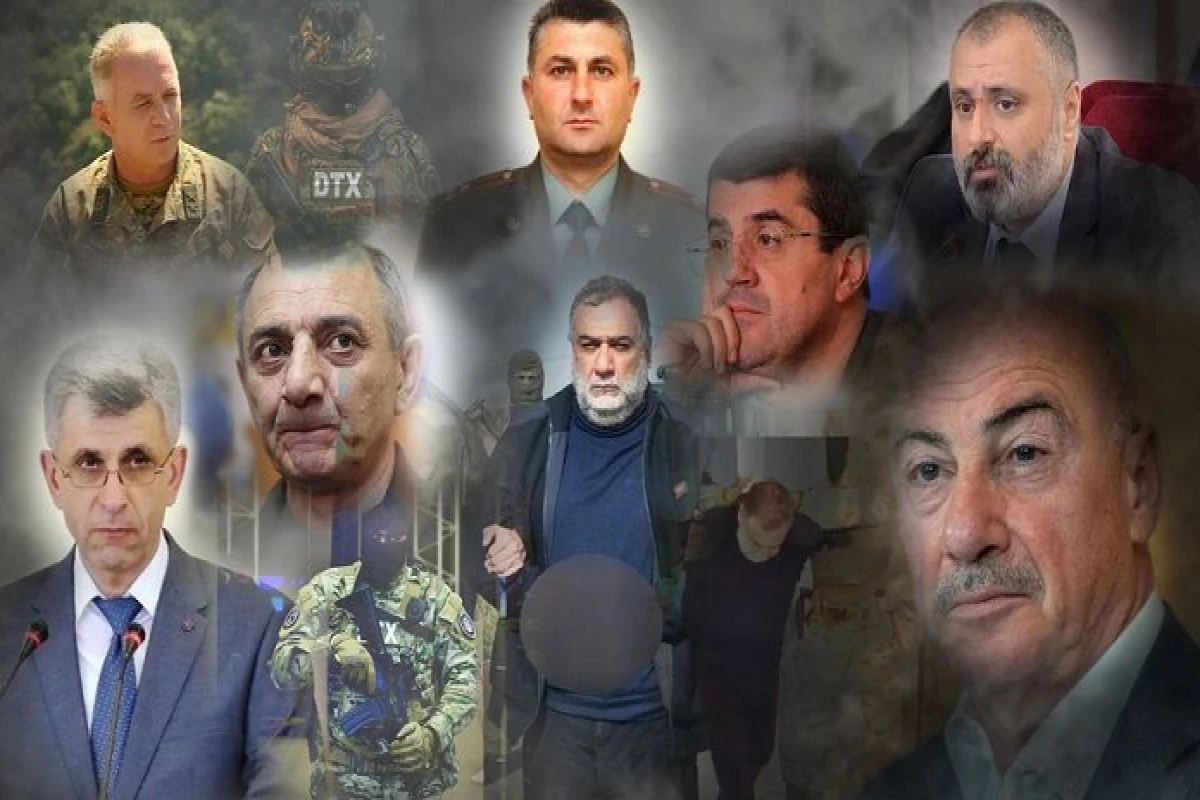
The court's verdict of life imprisonment for Arayik Harutyunyan, Levon Mnatsakanyan, David Manukyan, Davit Ishkhanyan and David Babayan confirmed from a legal point of view that they were both decision-making and executive central figures in the occupation policy. The court assessed the actions of these individuals not as an individual initiative, but as part of a purposeful and organized system.
The verdict issued in relation to Arkadi Ghukasyan demonstrates the consistency of the legal approach and the absence of selectivity. Although his participation in crimes against humanity and war crimes was proven, in accordance with the requirements of national criminal legislation, the age factor was taken into account and a life sentence was not imposed. As a result, he was sentenced to 20 years in prison. This decision demonstrates that legal procedures prevail over political and emotional approaches and the principle of individual responsibility is protected.
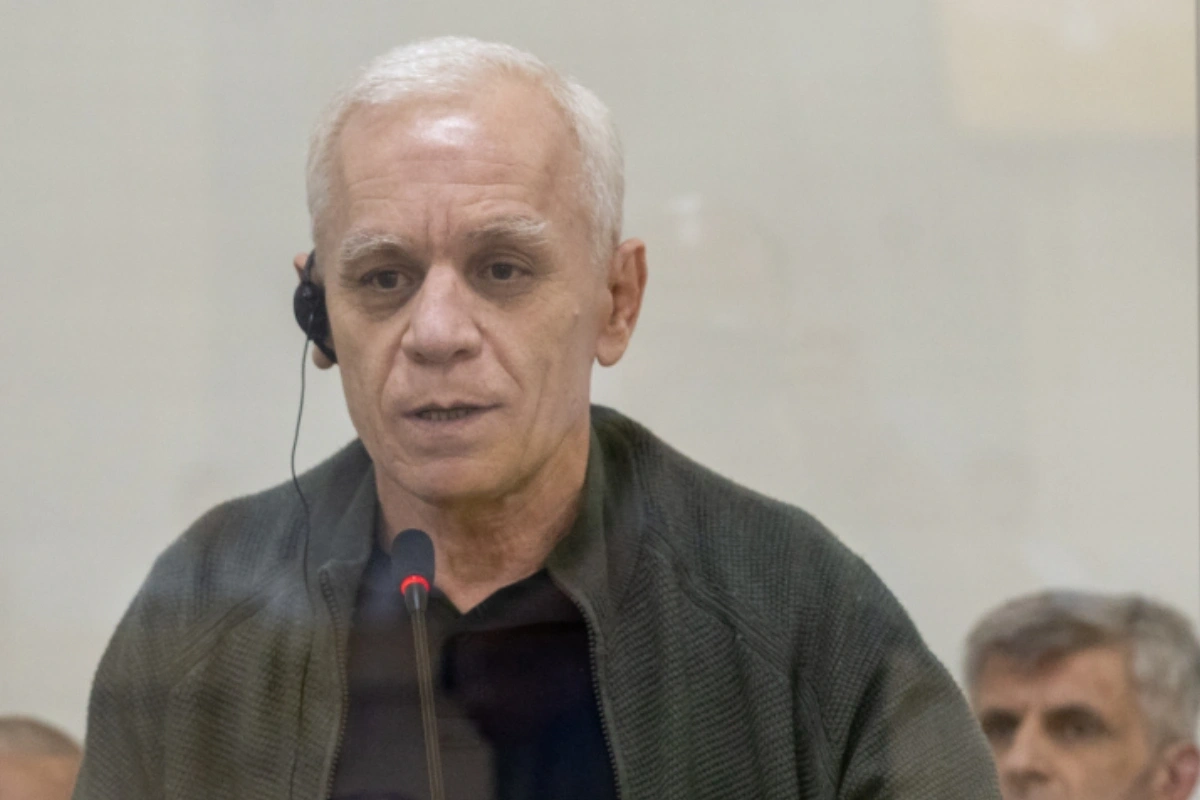
The materials collected within the framework of the criminal prosecution of the Khojaly genocide show that the events were not spontaneous military clashes, but criminal acts committed within the framework of specific orders, coordinated actions and hierarchical management. The investigation did not limit itself to the concept of general political responsibility, but precisely determined the individual participation and functional role of each person.
Among the persons mentioned in the court and investigation materials regarding the Khojaly events, the open confessions of David Babayan are of particular legal importance. These confessions prove the existence of a direct connection between the perpetrators and the decision-making level. At the same time, the functional role of Levon Mnatsakanyan in the military operations conducted in the direction of Khojaly was separately assessed by the investigation and was reflected in the evidence base.
The investigative activity, which is not limited to Khojaly, also covers the Mesali genocide and other mass killings. Criminal cases have been opened on these episodes, evidence has been collected, and legal procedures are ongoing to identify those responsible. Responsibility for these crimes is not limited to local perpetrators, but also covers broader decision-making and organizational levels.
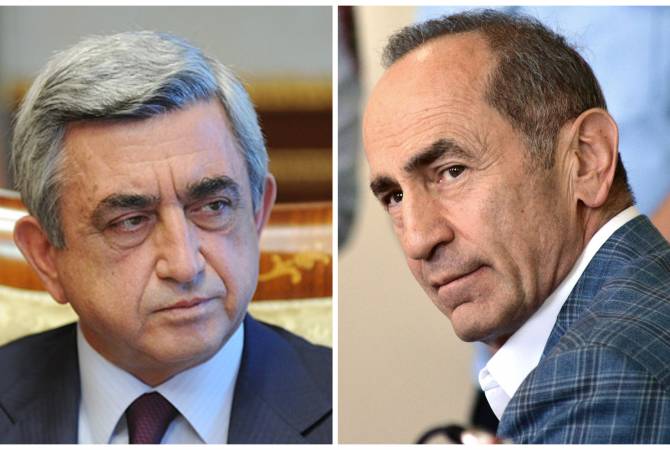
In this context, the existence of separate investigative materials on various criminal episodes related to Robert Kocharyan and Serzh Sargsyan, who were represented in the former Armenian leadership, indicates that the legal process is systematic and phased in nature. Legal mechanisms are being implemented separately in this direction.
The trial in the case of Ruben Vardanyan continues
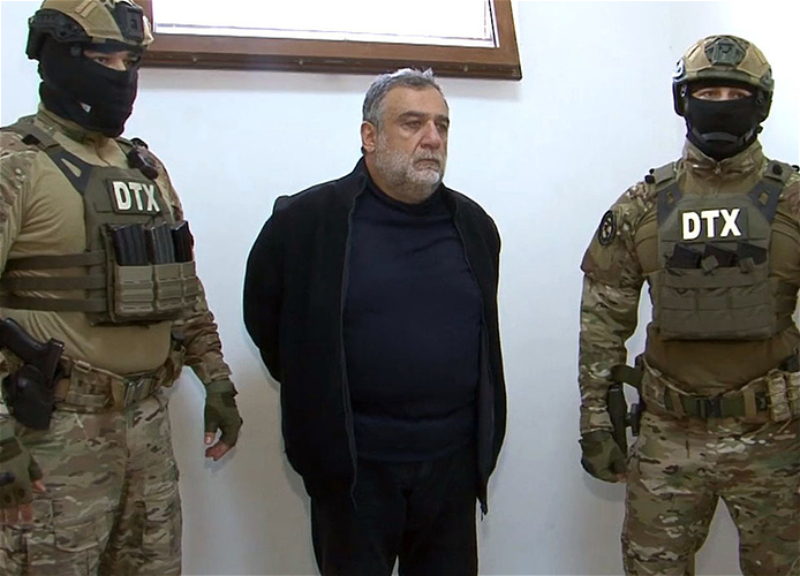
At the same time, the trials of all persons who participated in the occupation and separatist policies have not been completed at the same time. Since the period of commission of the crimes, the form of participation and the degree of responsibility are different, the trials in some cases are currently ongoing. In this regard, the criminal case against Ruben Vardanyan is being conducted as a separate legal proceeding.
Ruben Vardanyan, who has been engaged in business activities for a long time, joined the illegal separatist regime in Karabakh in 2022 and became one of its main political and financial pillars. He declared himself a “state minister” and actively participated in the financing, management and establishment of international relations of the separatist organization. His activities were directly related to the maintenance, supply and continuation of the activities of illegal armed groups.
In 2023, Ruben Vardanyan was detained and brought to Azerbaijan and charged with financing terrorism, supporting illegal armed groups, war crimes and other serious crimes against state security. The nature of the criminal episodes and their subsequent connection to the occupation mechanism justify, from a legal perspective, the separate conduct of this case from other judicial proceedings.
Principle of justice is immutable
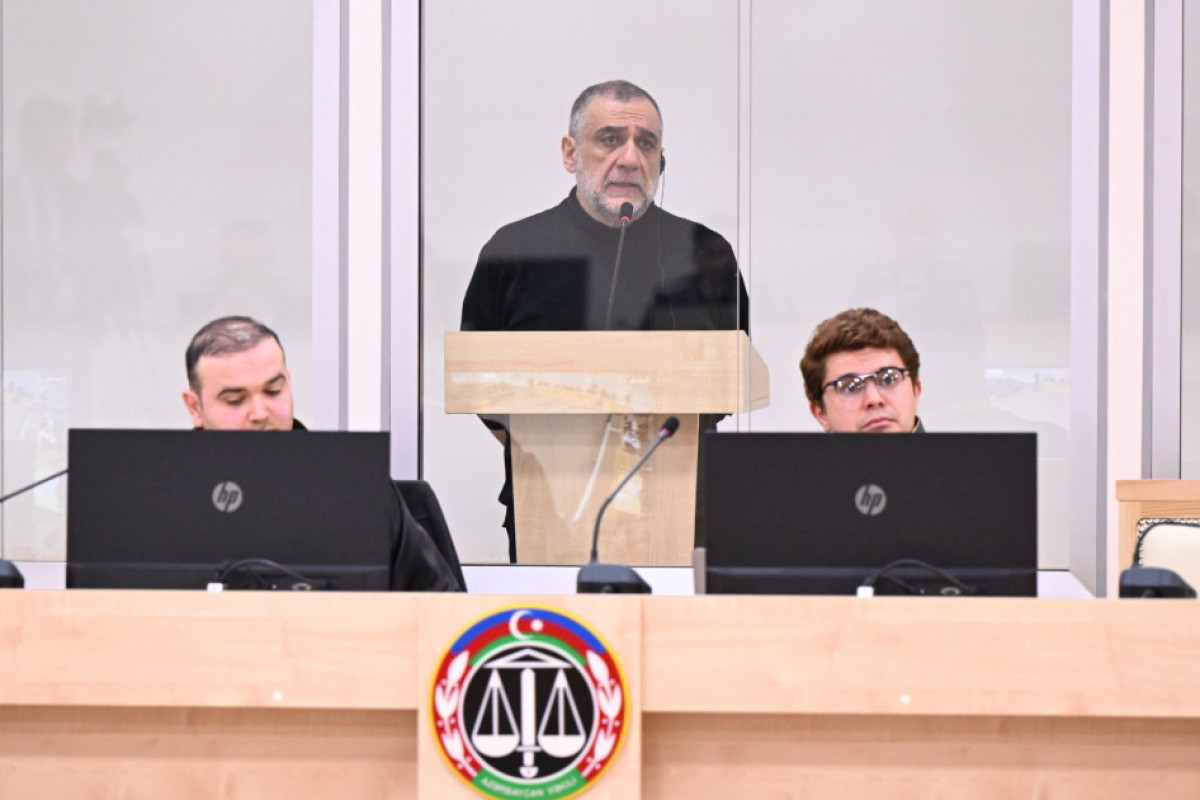
Currently, the trial in the case of Ruben Vardanyan is ongoing and the final verdict has not been announced. Within the framework of the court review, evidence is being examined, a legal assessment is being made, and the process is being carried out in stages in accordance with the requirements of the legislation. The public prosecutor has demanded that he be sentenced to life imprisonment.
The Azerbaijani state is guided by the principle of full and comprehensive justice in this matter, not a selective approach. Any person who committed a crime, whether at the beginning of the occupation policy or later joined this mechanism, will not escape legal responsibility. Although the court proceedings are being concluded in stages, the legal result remains unchanged: all crimes committed against Azerbaijanis will receive a legal assessment and no crime will go unpunished.


 Follow us on Telegram
 t.me/apanewsaz
 Follow us on Instagram
 Follow us on TikTok
 Follow us on Facebook
 Follow us on X