2025 is characterized as a turning point in Azerbaijan’s foreign policy history in terms of both substance and scale. Throughout the year, official Baku consistently implemented an initiative-driven and multidimensional diplomatic line that reconciled regional priorities with the global agenda, significantly strengthening its positions within the international system. The main outcome of foreign policy was Azerbaijan’s emergence not merely as a regional actor, but as a reliable partner and political platform recognized with the status of a “middle power.”
The active diplomatic engagement conducted during the year produced concrete results in the areas of energy security, transport and logistics, and regional stability. Azerbaijan strengthened its role as a strategic transport hub across Eurasia, reinforced the institutional foundations of cooperation along the Middle Corridor, and further deepened its image as a reliable energy supplier. In parallel, activity within multilateral formats increased, and new platforms for political dialogue expanded.
In 2025, the balanced foreign policy course not only ensured the protection of Azerbaijan’s sovereign interests but also offered international partners a predictable and reliable model of cooperation. As a result, Azerbaijan consolidated its position as an actor that aligns regional initiatives with the global agenda, increases its diplomatic weight, and influences the shaping of strategic decisions.
Strategic partnership with China and progress on multilateral platforms

One of the key political achievements of 2025 was the formalization of a comprehensive strategic partnership between Azerbaijan and China. This step elevated Baku–Beijing relations beyond the framework of traditional economic cooperation to encompass political dialogue, security, transport and logistics, and technological cooperation. The institutional strengthening of relations with China further reinforced Azerbaijan’s Middle Corridor strategy, transforming the country into one of the main transit hubs on a Eurasian scale.
Doctor of Philosophy in Political Science and associate professor at the Academy of Public Administration, Zaur Mammadov, told APA that bilateral relations between Azerbaijan and China have risen to a qualitatively new stage in recent years.
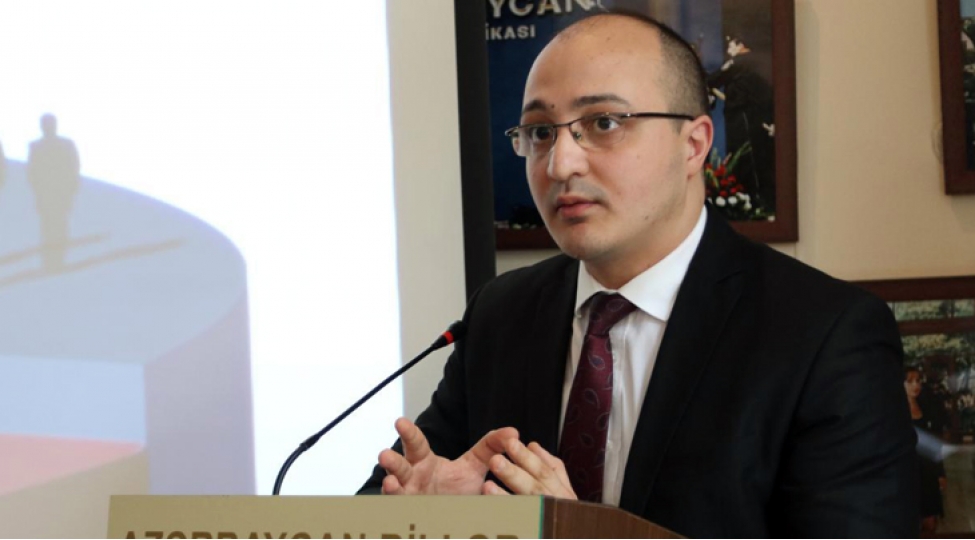
According to him, the Joint Declaration on Strategic Partnership signed in 2024, followed by the Joint Declaration on “Comprehensive Strategic Partnership” signed in 2025 during President Ilham Aliyev’s official visit to Beijing, elevated Azerbaijan–China relations to a new institutional and practical phase based on mutual trust, expanding economic and trade cooperation, and Azerbaijan’s transit potential:
“The special attention shown to President Ilham Aliyev and the high-level reception during his official visit to China in 2025 are rare in Chinese diplomatic practice and serve as an indicator of the high political value attributed to our country. Both states continue to strengthen political ties based on mutual trust and principles of support for sovereignty and territorial integrity. At the same time, economic cooperation is expanding. In 2025, bilateral trade turnover reached approximately USD 5 billion. Moreover, Azerbaijan’s transit potential is being actively utilized. In practice, the Beijing–Central Asia–Caspian–Baku–Europe route has already been formed and is functioning as an effective transport and transit corridor.”
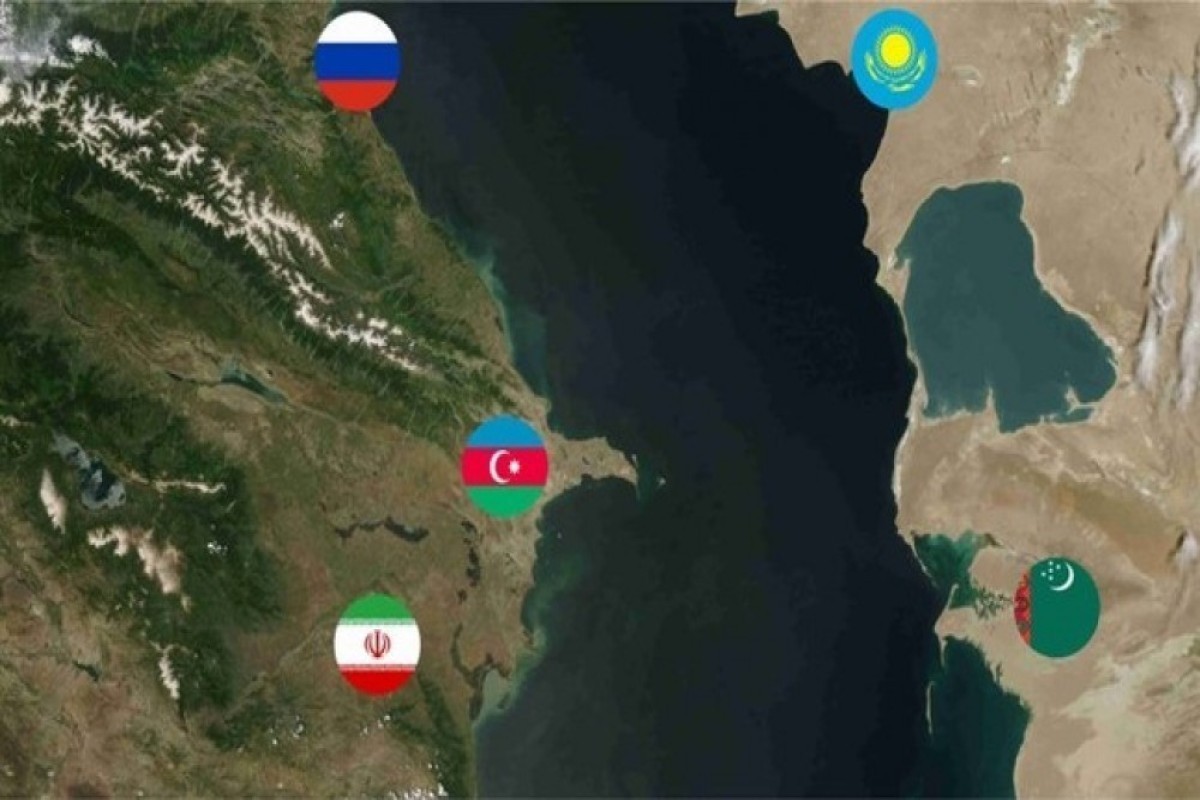
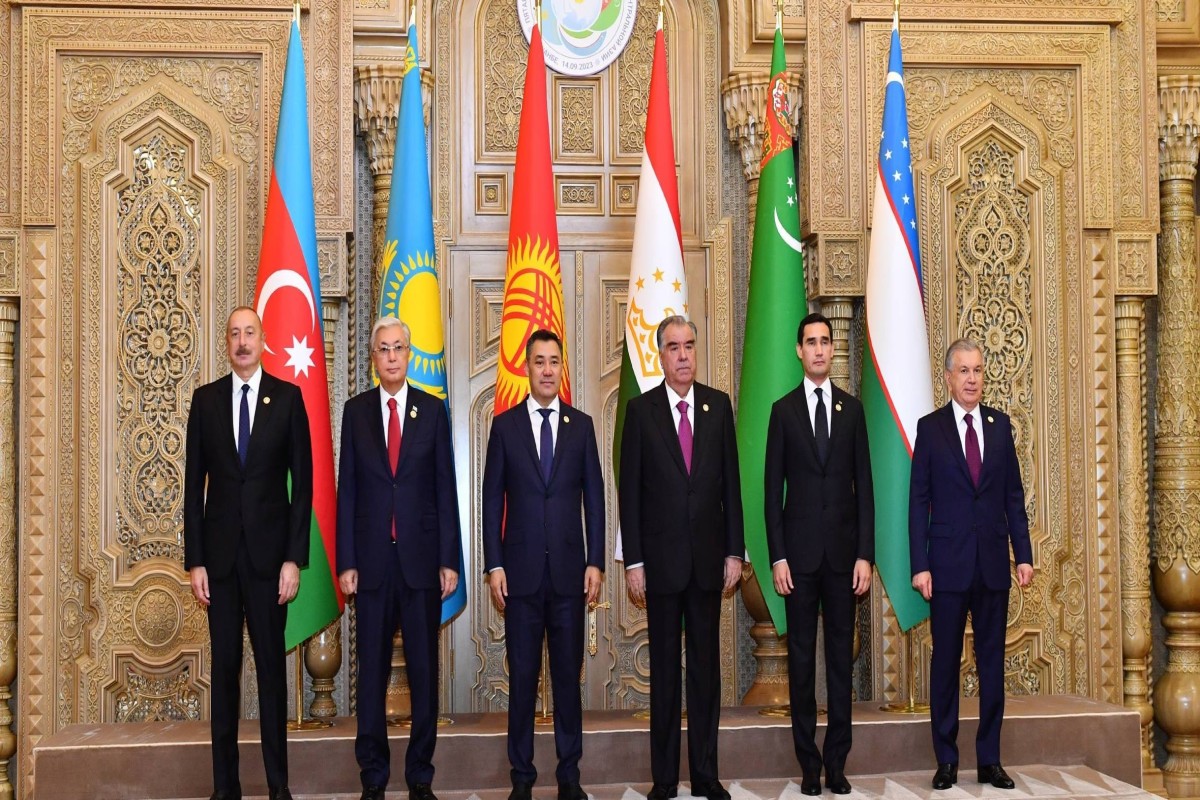
Azerbaijan’s admission to the D-8 organization as the only new member became an indicator of official Baku’s growing influence within the Islamic world and among major developing economies. This membership not only expanded Azerbaijan’s cooperation opportunities with the Global South but also confirmed the country’s recognition as a reliable actor in multilateral diplomacy. At the same time, Azerbaijan’s acquisition of full membership in the Central Asia Consultative Council demonstrated that relations with the Caspian basin and Central Asia had entered a new phase. Within this platform, Azerbaijan’s role in energy security, transport corridors, and regional coordination acquired a more institutional character.
.jpg)
According to political analyst Zaur Mammadov, Azerbaijan’s accession to the D-8 strengthens the country’s international standing based on its economic, logistics, and energy potential, while also turning it into one of the key political and economic centers of the Islamic world.
He noted that the D-8’s first-ever expansion occurred precisely with Azerbaijan’s admission: “Within the D-8 framework, the expansion of trade relations with member states, increased investment, and the creation of new opportunities for economic cooperation are emerging, which for Azerbaijan means diversification of markets. At the same time, prospects for cooperation in logistics, transport, and the oil and gas sector are expanding significantly. All these processes contribute to strengthening Azerbaijan’s position not only as a cultural and religious center, but also as a political and economic hub in the Islamic world.”
Strengthening Azerbaijan’s “living bridge” function
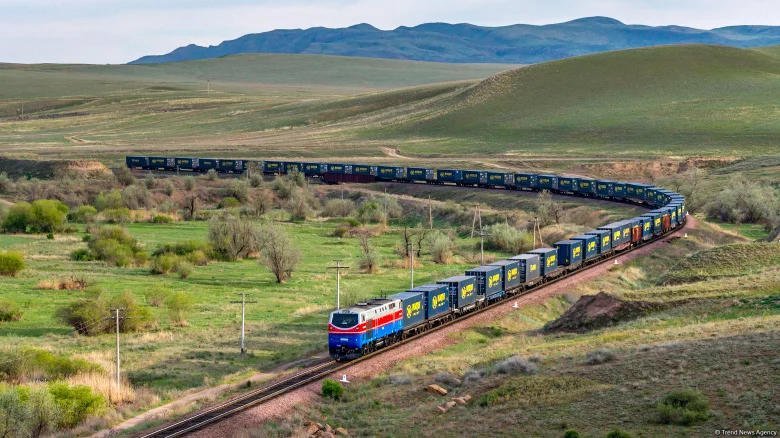
In 2025, the key line that came to the forefront of Azerbaijan’s foreign policy was the reinforcement of the country’s role as an interregional “living bridge and reliable partner” through practical results. Transport and logistics projects connecting Europe and Asia, as well as North and South, not only led to increased transit volumes but also further enhanced Azerbaijan’s strategic importance.
In the energy sector, traditional oil and gas exports were complemented in line with new realities by green energy and digital infrastructure. The transmission of renewable energy across the Caspian Sea, the integration of regional energy markets, and digital logistics solutions enriched Azerbaijan’s energy security concept with broader meaning. This approach transformed Azerbaijan not only into an energy supplier but also into an energy and technology hub.
Zaur Mammadov emphasized that by strengthening its role as a strategic bridge between Central Asia and the South Caucasus, Azerbaijan has become an influential geopolitical actor in Greater Eurasia based on its energy, transport, and diplomatic capabilities.
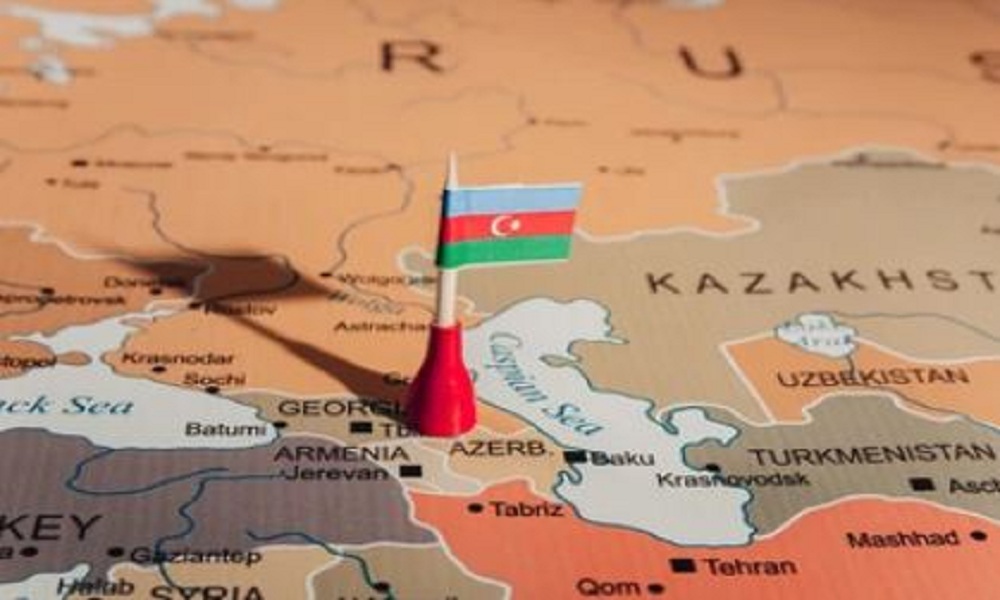
“Central Asia is currently emerging as a new geopolitical space within the international system, and Azerbaijan’s role in this process is of particular importance. After a long historical pause, Turkestan’s return to international politics is linked not only to the region’s energy resources and natural wealth, but also to the reconfiguration of global trade and logistics routes. In this context, Azerbaijan, acting as a strategic bridge between Central Asia and the South Caucasus, is becoming one of the key geopolitical actors in Greater Eurasia,” the political analyst added.
Noting that cooperation formed in recent years between Azerbaijan and Central Asian countries has led to the emergence of a unified political and economic platform, Zaur Mammadov stressed that projects implemented in the fields of energy, transport, and logistics demonstrate the platform’s practical essence: “The regular invitations extended to President Ilham Aliyev to meetings of Central Asian leaders and Azerbaijan’s election as a full member of the Central Asia Consultative Council are indicators of the country’s growing political weight in the region. Azerbaijan plays the role of a political and economic locomotive in this process. Central Asian states expand their room for maneuver by benefiting from Baku’s international status, transit opportunities, and diplomatic experience. As a result, Azerbaijan acts not only on a regional level but also on a broader Eurasian scale as one of the main pillars of stability, cooperation, and integration.”
International summits and the demonstration of political influence
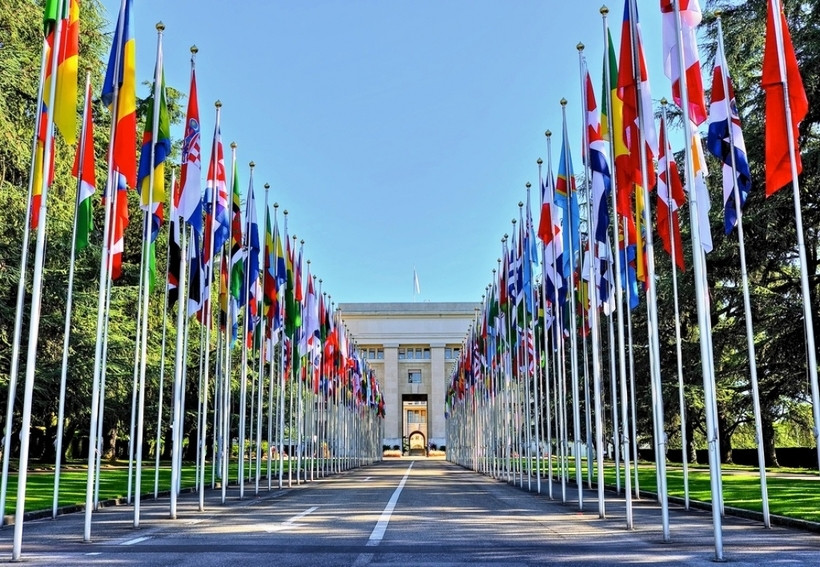
Throughout 2025, international summits and forums held in Khankendi, Shusha, and Gabala became both symbolic and practical expressions of Azerbaijan’s growing political influence. Events held in the liberated territories, in particular, demonstrated the full restoration of Azerbaijan’s sovereignty and showed that these areas have already been transformed into new centers of regional diplomacy. The summit of the Economic Cooperation Organization held in Khankendi indicated international recognition of Azerbaijan’s contribution to regional cooperation in the post-conflict phase. Forums organized in Shusha and Gabala further strengthened the country’s role as a platform for dialogue, mediation, and cooperation.
Political commentator on Central Asia and Turkic states, Nijat Hajiyev, told APA that the Gabala Declaration can be assessed as a key document that elevates the Organization of Turkic States to a new strategic stage based on security and coordination, potentially transforming it into an alternative geopolitical center.

According to the commentator, the Gabala Declaration signed in the summer of 2025 marked the beginning of a qualitatively new stage in the development of the Organization of Turkic States: “It is now possible to conditionally divide the organization’s history into two periods: before Gabala and after Gabala. This document precisely defined the future development trajectory of the OTS and provided it with a clear strategic direction.”
Nijat Hajiyev emphasized that the principled decisions adopted in the field of security in the Declaration deserve special attention.
“After the summit, President Recep Tayyip Erdoğan’s characterization of the OTS as, among other things, a military-political organization is an important political message that reveals the essence of the adopted document. This is not only about joint military exercises; exercises represent the visible side of the process. The core content lies in ensuring deeper and long-term integration in the security sphere among member states, coordinating activities, and forming common approaches to regional threats,” he added.
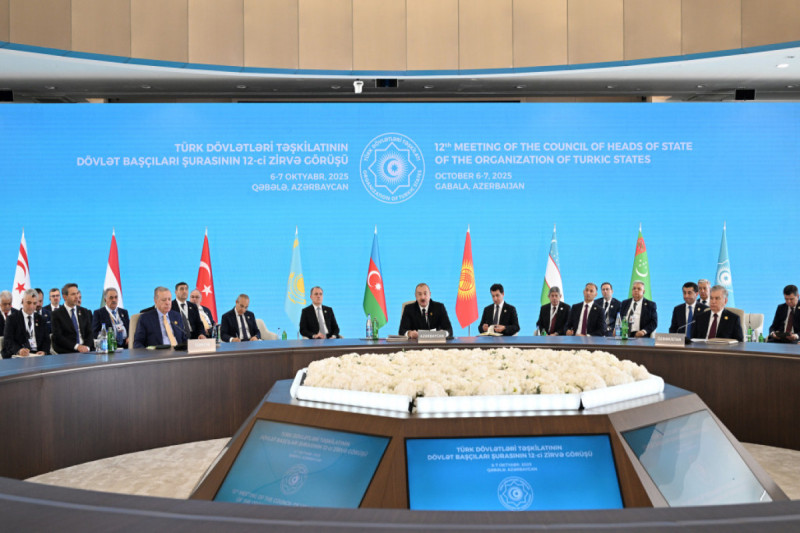
According to Hajiyev, this transformation is taking place at a time when the global international system is being reshaped: “Traditional military-political blocs and economic unions are facing serious challenges, and the existing security architecture is losing its former stability. In this context, the OTS is gradually being considered as an alternative geopolitical center. While it is still premature to speak of the OTS forming a structure comparable to the EU or NATO, the Gabala Declaration has laid the foundation for strategic thinking in this direction.”
In his view, although each OTS member state has its own capacities and challenges, coordinated action significantly increases their international agency: “The total population of member states approaching 200 million, along with existing potential in areas such as the Middle Corridor, energy, transport, and defense cooperation, makes the organization strategically sustainable.”
Nijat Hajiyev paid particular attention to Azerbaijan’s role, noting that Baku’s position is decisive in this process: “Azerbaijan plays an active role in strengthening the institutions of the OTS and in endowing the organization with real political weight and functionality. This factor ranks among the key drivers in the formation of the Organization of Turkic States as a new geopolitical power center.”



 Follow us on Telegram
 t.me/apanewsaz
 Follow us on Instagram
 Follow us on TikTok
 Follow us on Facebook
 Follow us on X