













Baku-APA. U.S. forces scored a strategic victory against the Taliban four months ago when they seized a mountain pass that had enabled suicide bombers to make their way from Pakistan to the Afghan capital, Kabul, APA reports quoting news.yahoo.com website.
But as American troops draw down in the war, it will fall on Afghan soldiers and police to hold this dirt road in eastern Afghanistan’s Taba Kakar mountains. So far, the signs are not encouraging.
The district police chief was a drug addict who was fired at the end of November only after he punched a U.S. military translator, according to American soldiers. He then sold or stole everything from electronics to teacups, even removing the batteries from the remote control for the heating unit supplied by the Americans.
The Afghan soldiers aren’t much help either. Westerners working in the area have found them to be unmotivated and undependable. The soldiers go out on few patrols and are mistrusted by the local population because most are from a different ethnic group.
The U.S. plans to hand over more and more volatile areas like Gulruddin before the end of 2014, when the Afghans are expected to oversee security nationwide. If the Afghan government cannot hold these key gateways, insecurity could quickly spread.
At Gulruddin, that could come as early as next summer. After the snows melt and the traditional fighting season begins, the Afghans may be asked to hold the pass with a lot less help from the Americans.
The U.S. force in Afghanistan is already shrinking, and President Barack Obama has pledged to pull out 33,000 American troops by the end of 2012. That’s a third of those deployed in the country at the peak of the U.S. military presence in June.
As recently as June, the Gulruddin area of Paktika province was an insurgent sanctuary.
Fighters crossing from Pakistan into eastern Afghanistan would travel by motorcycle for a day and a half over remote mountain tracks, sleeping in caves to evade U.S. surveillance, then funnel through Gulruddin pass into the unfolding valley below. In the first few villages, they’d find sympathetic locals with spare beds and warm meals. They’d recover their strength, resupply and continue the remaining 100 miles (160 kilometers) to the capital on a clear and flat road.
Back then, U.S. and Afghan forces were attacked whenever they approached Gulruddin. Insurgents would dress up in Afghan army uniforms and shake down passing vehicles. And buried bombs regularly devastated trucks.
So the Americans decided to shut down what they called the "Taliban Motel 6." In late July U.S. special forces attacked nearby Marzak village, considered a key Taliban refuge, and killed nearly 100 insurgents. After the fighting subsided, U.S. troops intercepted a trailer truck piled high with bodies — some in coffins, some just loose corpses — that was headed back to Pakistan.
U.S. forces used the relative calm they had won to establish a presence at the pass. They brought in backhoes and carved a road up the hill to an overlook where they built an army outpost at 8,600 feet. On the road below, they erected a vehicle checkpoint. In September, Afghan soldiers moved into the outpost and police started manning the checkpoint.
The first couple weeks did not go well. The Taliban shot rockets at both the outpost and the checkpoint. The attacks then started to diminish in October and there were none in November.
Although the U.S. offensive appears to have decimated this year’s supply of insurgent fighters, there will likely be more next spring after border passes are clear of snow. U.S. commanders say new insurgents have arrived in Marzak even in the past two months.
U.S. military commanders in Paktika have recommended that the province be one of the last in Afghanistan to lose American forces. But higher-level commanders may be forced to make reductions, and the Afghan government is considering taking over parts of the province as early as July, according to U.S. military officials.
"We may be seeing some districts moving forward a lot sooner than what people are recommending, because the process is a political process," said Lt. Col. Rafael Paredes, the deputy commander for U.S. forces in Paktika.
In previous negotiations with international forces, Afghan President Hamid Karzai has lobbied to transition areas that international forces think are still too insecure, according to a Western official familiar with the discussions. The official spoke anonymously to discuss private talks.
It’s an issue still under debate — whether to transition difficult areas while a sizable U.S. force remains in the country, or to give these areas as much time as possible before handing them over to Afghan security forces.
The approximately 100 U.S. soldiers who are responsible for the area surrounding Gulruddin are defiantly optimistic. They say they expect to have until the end of 2014 and that they can have Afghan forces ready by then. It will succeed, they say, because it has to.
"This is the area that can’t fail," said Capt. James Perkins, the commander of Apache company of Task Force 3-66 Armor, based out of Grafenwoehr, Germany.
So Perkins is taking the training of the Afghan forces as seriously as any battlefield operation.
"Mission success for us is the quality of the Afghan security forces we leave behind," he said. A poster with that same mantra is taped on the wall inside each of the latrines at Apache Company’s small base.
About 50 Afghan soldiers and a handful of police currently man Gulruddin pass. U.S. soldiers provide tarps to keep the snow from seeping through their roofs, U.S. advisers file the paperwork to get ammunition for the police, and U.S. liaisons put pressure on the local government to hire Afghans they trust for posts or fire those they don’t like.
Perkins said both forces in the district, Sar Hawza, have a long way to go — the army even more so than the police. The supply lines are also dismal: The Afghan soldiers couldn’t patrol for a month recently because they had run out of fuel and Kabul had not provided more.
The government administrator for the district was killed in early November by a hidden bomb in an unmarked grave in a cemetery. His nephew has just been named the new administrator.
A police commander who works closely with the U.S. forces said he sees improvements but the situation is still precarious.
"Last year most of the people in Sar Hawza seemed to me to be with the Taliban. Now only half of them are," said Commander Mahmood, who goes by only one name. He said fighters who used to carry their weapons openly through the market now hide them at home.
"The security condition is very good right now, but the Taliban are still trying to find a way to attack," Mahmood said.
To keep Sar Hawza district from gradually slipping back into the hands of the insurgents, the Americans are counting on a new government-sponsored militia program called the Afghan Local Police. About 30 men in the district are working for the program so far — all locals who are expected to have more invested and more at stake that the traditional security forces.
The idea is that the local force will help keep the insurgents out of the communities, taking pressure off the soldiers and police trying to hold the pass. It’s just not clear when these three forces will be ready to stand on their own.
"We go to the Americans whenever we need something: They help us with fortifications, sandbags and things like that," said Lt. Hashmatullah Najirabi, the Afghan army commander at Gulruddin. "They do a lot because our Afghan army is just not self-sufficient right now."


 Follow us on Telegram
 t.me/apanewsaz
 Follow us on Instagram
 Follow us on TikTok
 Follow us on Facebook
 Follow us on X
Media
Azerbaijani journalists’ congress postponed by one day
 12:59
12:59
 7 October 2026
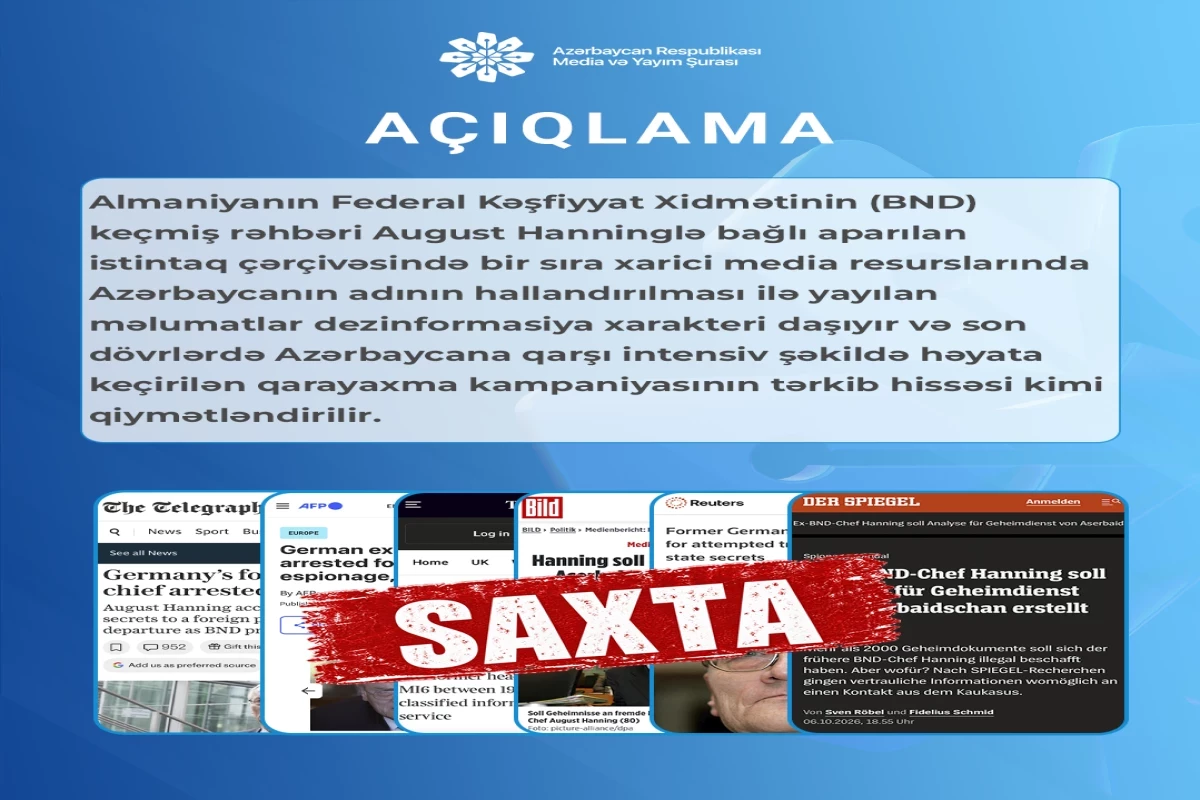
Media and Broadcasting Council: Linking Azerbaijan to former German intelligence chief is disinformation
10:25
7 October 2026
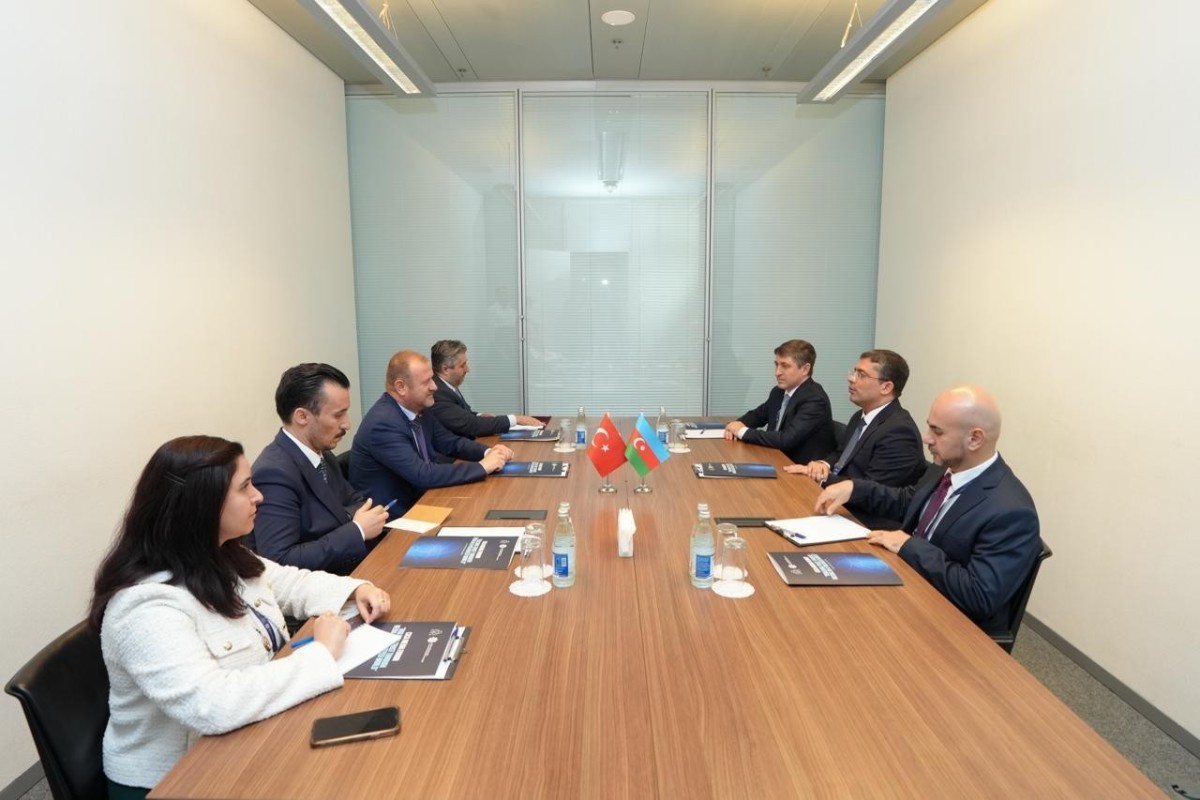
Ahmad Ismayilov meets RTÜK chairman
16:40
1 October 2026
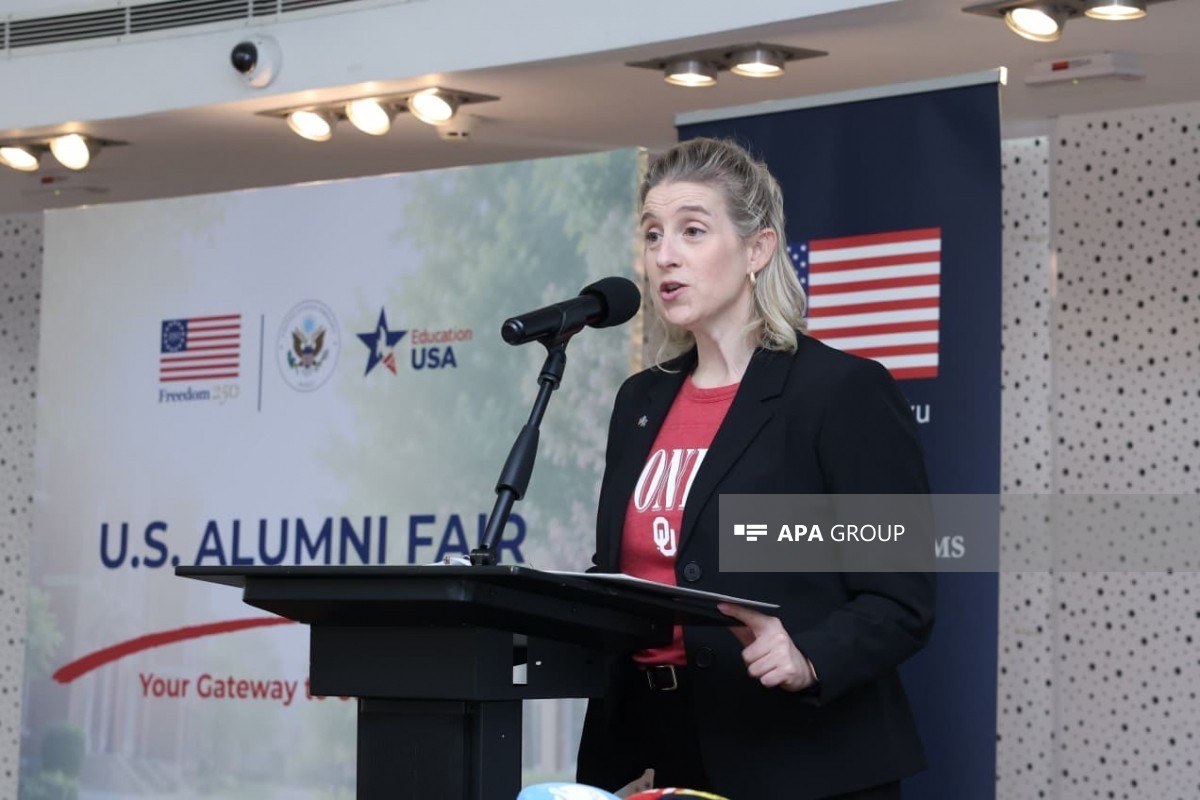
US Embassy Chargé d’Affaires meets with representatives of leading media outlets in Baku
16:27
28 September 2026

NEWS FEED
Isaias brings flood, tornado threats across US Southeast after Florida landfall
18:13
10 October 2026
Former Moldovan Prime Minister: Armenia should share information on missing persons
17:28
10 October 2026
Iranian army maintains over 50 units on border, identifies possible enemy entry points
17:08
10 October 2026
President Ilham Aliyev and Head of Chechen Republic of Russia have lunch together
16:34
10 October 2026
President Ilham Aliyev and Head of Chechen Republic of Russia visited Baku White City
16:06
10 October 2026
Ramzan Kadyrov once again offers condolences over Baku-Grozny plane crash
15:53
10 October 2026
President Ilham Aliyev received Head of Chechen Republic of Russia
15:47
10 October 2026
Participants of IV International Conference on Missing Persons Complete Visit to Karabakh
15:17
10 October 2026
Russian glide bomb attack on Zaporizhzhia kills at least 15 people
15:08
10 October 2026
Moldovan Ambassador: It is encouraging to see life being revived in Khojaly
15:06
10 October 2026
International travelers conclude visit to Karabakh and Eastern Zangezur - PHOTO
15:04
10 October 2026
Serviceman dies from gunshot wound in Armenia
14:08
10 October 2026
Russia Suspends Imports of Georgian Wine, Mineral Water and Other Products
14:01
10 October 2026
PM Shehbaz Sharif calls President Ilham Aliyev
13:58
10 October 2026
Kremlin says Putin relayed Iran's position on resolving conflict to Trump
13:30
10 October 2026
Azerbaijan’s revenue from cotton exports rises by more than 23%
13:00
10 October 2026
Pezeshkian: Regional diplomacy must become a tool to prevent expansion of conflict
12:59
10 October 2026
Five shot dead at residence in Georgia's Douglas, police says
12:48
10 October 2026
Russia made no concessions on Ukraine in exchange for diesel deal
12:35
10 October 2026
Ukraine strikes oil terminal, railway bridge and two vessels in Rostov region
12:34
10 October 2026
International travelers familiarize themselves with work carried out on Horadiz-Aghband highway - PHOTO - UPDATED
12:32
10 October 2026
Ambassador: No force can harm Azerbaijan-Türkiye brotherly relations, ties will further develop
12:15
10 October 2026
Kürşad Zorlu: No provocation aimed at undermining Türkiye-Azerbaijan relations will succeed
11:59
10 October 2026
Participants of international conference on missing persons visit Lachin - PHOTO
11:35
10 October 2026
Death toll from Russian strike on Zaporizhzhia rises to 8 - UPDATED
11:33
10 October 2026
Investment in fixed capital in Azerbaijan rises by nearly 11%
11:26
10 October 2026
American traveler: Restoration work in Karabakh is amazing
11:15
10 October 2026
Milli Majlis MPs appeal to US senators and members of House of Representatives
11:06
10 October 2026
Composition of State Commission on delimitation and demarcation of Azerbaijan-Georgia border amended
10:58
10 October 2026
Judges appointed to several courts of first instance
10:57
10 October 2026
Talks between Ukraine, Europe and the United States in Miami ended early
10:48
10 October 2026
JetSMART flight JA850 declares emergency and turns back toward Santiago
10:46
10 October 2026
Azerbaijani oil sells for $130.81
10:44
10 October 2026
American traveler: Large-scale construction underway toward Zangezur corridor
10:30
10 October 2026
United States threatened to leave Ukraine without intelligence over strikes on Russian oil refineries
10:11
10 October 2026
Latest on crypto market: Bitcoin rises
09:58
10 October 2026
Health Ministry: Average life expectancy in Azerbaijan exceeds 77 years
09:37
10 October 2026
Global stock market indices
09:35
10 October 2026
Oil prices rise on global markets
09:15
10 October 2026
Trump threatens Iran with destruction unless it accepts US terms
08:47
10 October 2026
Trump says he discussed resolution of Armenia-Azerbaijan conflict with Putin
07:48
10 October 2026
Ushakov: Timing of next Putin-Trump meeting has not been discussed
07:22
10 October 2026
Witkoff: Ukraine’s energy security and post-war recovery discussed in Miami
05:25
10 October 2026
Zelensky criticizes Trump over diesel deal with Putin amid Ukraine-US talks
03:19
10 October 2026
US talks on Ukraine address European security architecture — media
02:51
10 October 2026
Ushakov: Putin, Trump did not discuss new meeting
02:39
10 October 2026
Zelenskyy: Ukrainian negotiating team used as “smokescreen” amid US-Russia diesel deal
01:58
10 October 2026
Ukrainian President: Letting Russia sell fuel means investing in its war
01:46
10 October 2026
Russia ready to supply oil to US, global markets — Putin after call with Trump
01:00
10 October 2026
Russia begins lifting diesel exports restrictions immediately — deputy PM
00:43
10 October 2026


