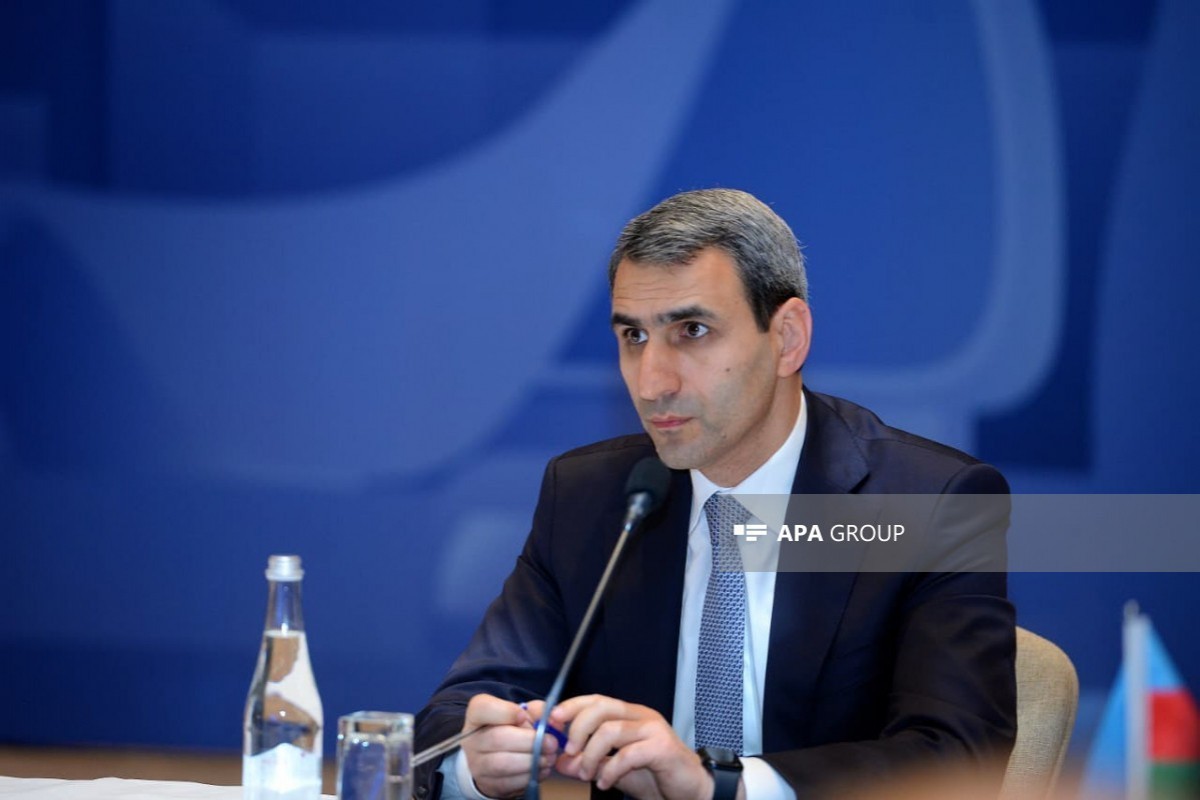


The Baku-Tbilisi-Kars (BTK) railway was officially commissioned today following its modernization, now offering significantly expanded freight transportation capacity, Chairman of Azerbaijan Railways CJSC (ADY) Rovshan Rustamov told APA-Economics.
According to him, the successful completion of the project is a landmark achievement not only for Azerbaijan but also for the wider region.
Rustamov noted that the BTK railway has evolved from a conventional transport connection into one of Eurasia’s strategic logistics arteries.
“Today, the BTK is no longer merely an alternative route. As a key component of the Middle Corridor, it is a vital piece of infrastructure that transforms Azerbaijan’s geographical location into a tangible economic and strategic advantage,” he said.
According to the ADY chairman, the significance of the BTK lies primarily in its role in strengthening Azerbaijan’s position within East-West transit routes.
“Through this railway, our logistics capabilities extend beyond the Caspian gateway and Georgian ports, providing direct access to the European rail network via Türkiye. Through the successful integration of rail and maritime transportation, Azerbaijan has progressed from being a traditional transit country to becoming a regional logistics platform,” Rustamov noted.
He emphasized that substantial investments have been made in infrastructure to bring the BTK railway to its current level.
“In 2024, Azerbaijan Railways carried out modernization works on the 184-kilometre section of the railway located within Georgia. As a result, the annual freight handling capacity of the BTK railway increased from 1 million tonnes to 5 million tonnes,” he said.
Rustamov noted that 13 railway stations, along with nearly 200 buildings and engineering structures, underwent major rehabilitation on the Georgian section of the railway.
“To improve energy supply infrastructure, more than 200 kilometres of overhead contact network were renewed, while 340 kilometres of 10 kV power lines were repaired. To ensure more sustainable operations, 61 kilometres of new railway track were constructed. In addition, the surrounding infrastructure was enhanced through the development of 41 kilometres of new roads and pedestrian pathways,” he said.
According to him, much of the work was carried out in challenging mountainous terrain and under harsh climatic conditions, including severe winters and dry summers.
“Despite these difficulties, the modernization project was completed successfully and on schedule,” Rustamov stressed.
He added that significant work was also undertaken on the Azerbaijani side.
“ADY carried out major rehabilitation works along the Baku–Boyuk Kesik section and modernized the energy supply system,” he said.
Rustamov noted that on May 18, 2026, following the completion of the modernization works and in the presence of the leaders of Azerbaijan and Georgia, the final handover act for the BTK railway project was signed.
“Documents were also signed regarding the launch of BTKI Railways LLC, a joint venture established by the subsidiary companies of ADY and Marabda-Kartsakhi Railway LLC,” he added.
According to the ADY chairman, the modernized BTK railway now stands as one of the shortest and most efficient land routes connecting China and Central Asia with Europe.
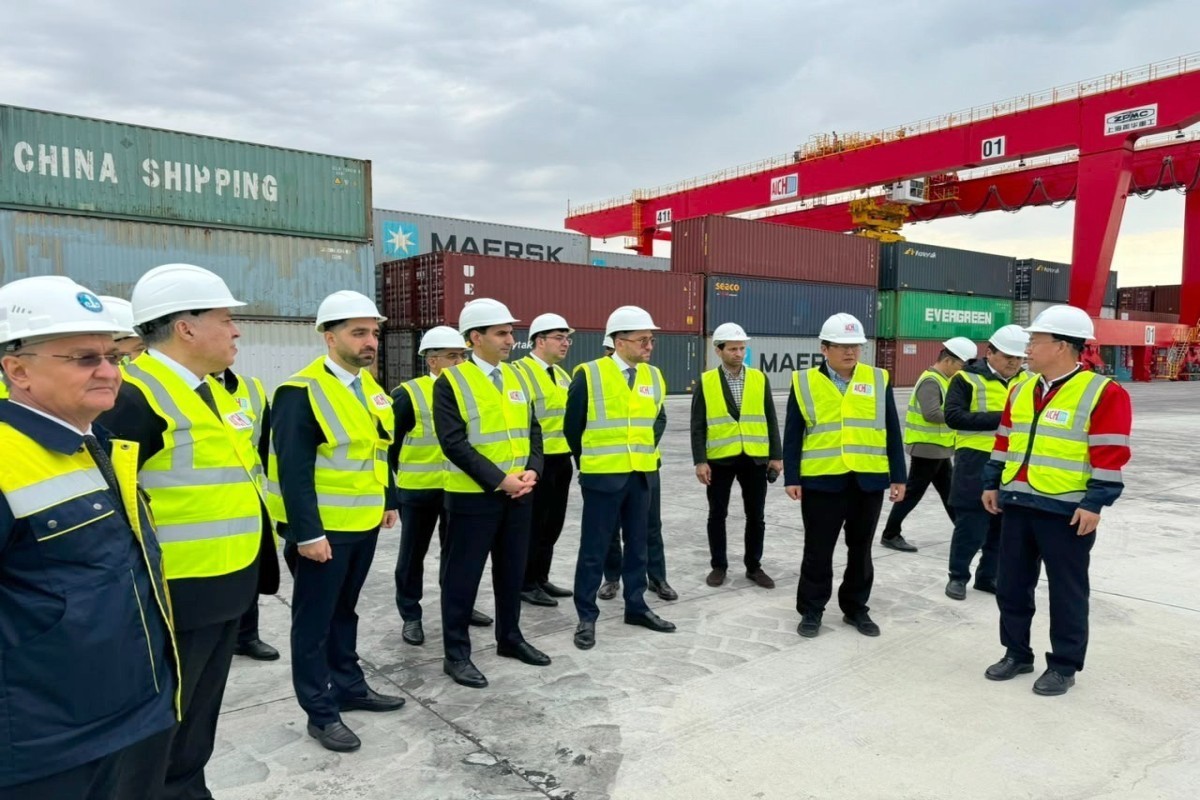
“In particular, within the framework of the agreements we have signed with our Chinese partners, special attention has been placed on promoting broader utilization of BTK for freight transportation along the Middle Corridor. This process is already moving into the implementation stage,” Rustamov said.


 Follow us on Telegram
 t.me/apanewsaz
 Follow us on Instagram
 Follow us on TikTok
 Follow us on Facebook
 Follow us on X