










Washington. Isabel Levine – APA. A specialist in Russian and Eurasian Affairs of US Congressional Research Service Jim Nichol believes that, Russia is deeply trying to keep South Caucasus and Central Asia countries on its’ “influence areaâ€.
“After an Energy Cooperation Statement was signed at the May 2002 U.S.-Russia summit, it appeared that Russia would accept a Western role in the Caspian region, including the construction of oil and gas pipelines from Azerbaijan to Turkeyâ€, - Mr, Nichol wrote in his last “Regional Developments and Implications for U.S. Interests†report to Congress.
According to APA’s Washington correspondent, American analyst is confident that Russia is using all of its instruments to “counter Western business and gain substantial influence over energy resources through participation in joint ventures and by insisting that pipelines cross Russian territoryâ€.
He writes that, one of such instruments is regional organizations which created by Russia.
“Regional cooperation in Caucasus and Central Asia remains stymied by tensions among the states. Such tensions continue to exist despite the membership of the states in various cooperation groups such as the CST Organization (CSTO), the Shanghai Cooperation Organization (SCO), and NATO’s Partnership for Peace (PFP)†– he said.
Analyst reminded that, the CST was signed by Russia, Belarus, the South Caucasus countries, and the Central Asian states (except Turkmenistan) in May 1992 and called for military cooperation and joint consultations in the event of security threats to any member. At the time to renew the treaty in 1999, Uzbekistan, Georgia, and Azerbaijan formally withdrew. The remaining members formed the CSTO in late 2002, and a secretariat opened in Moscow at the beginning of 2004.
“Through the CSTO, Russia has attempted to involve the members in joint efforts to combat international terrorism and drug trafficking. Former Kyrgyz President Akayev apparently did not call for the aid of the CSTO during the coup that overthrew him in 2005, and the CSTO has appeared inactive during other crises in the region. In September 2008, its members agreed to condemn Georgia’s “aggression†against its breakaway South Ossetia region but refused a request by Russia to extend diplomatic recognition to South Ossetia and Georgia’s breakaway region of Abkhaziaâ€, -he added.
Specialist of US Congressional Research Service: Russia is deeply trying to keep South Caucasus and Central Asia countries on its “influence areaâ€

 25 February 2010 10:28 (UTC +04:00)


 İDMAN XƏBƏR
 Follow us on Telegram
 t.me/apanewsaz
 Follow us on Instagram
 Follow us on TikTok
 Follow us on Facebook
 Follow us on X
Foreign
 PHOTO'>
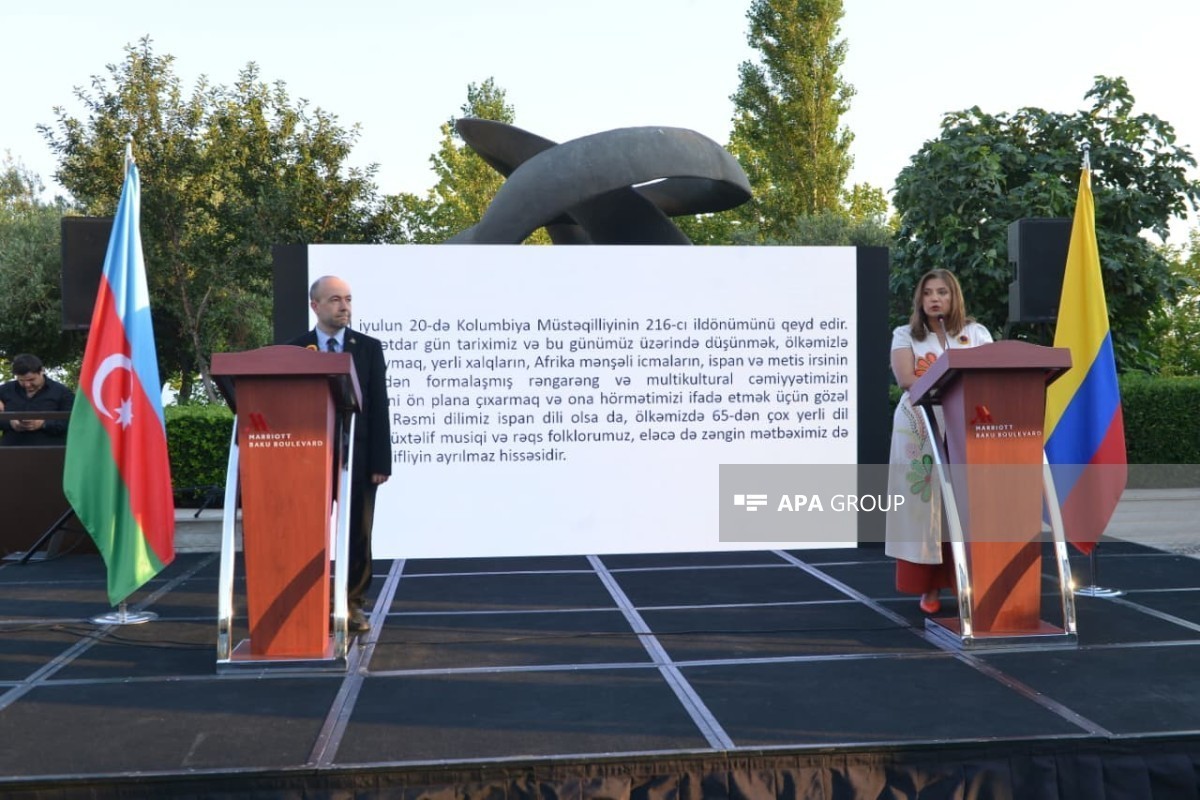
Colombia's National Day celebrated in Baku - PHOTO
19:52
 10 July 2026
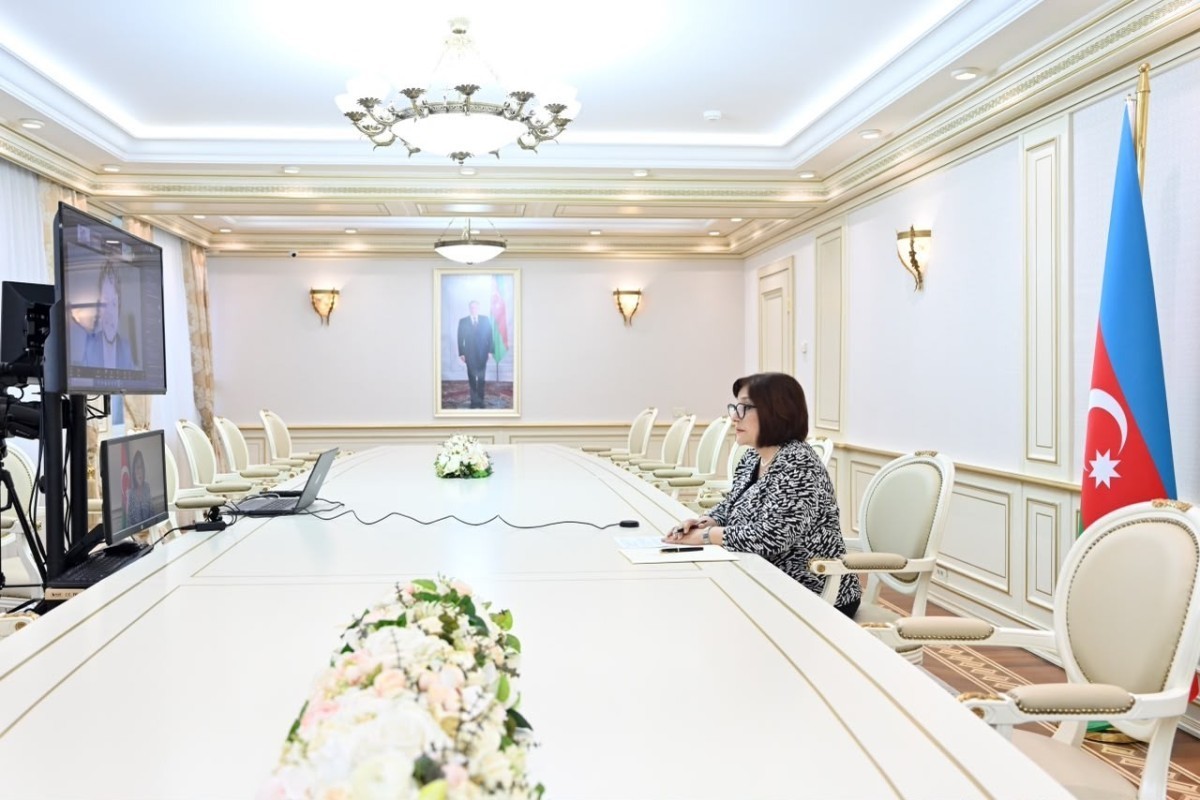
Sahiba Gafarova speaks at IPU high-level dialogue on digital governance
15:37
10 July 2026
President of Latvia's Constitutional Court visits Azerbaijan
15:10
10 July 2026
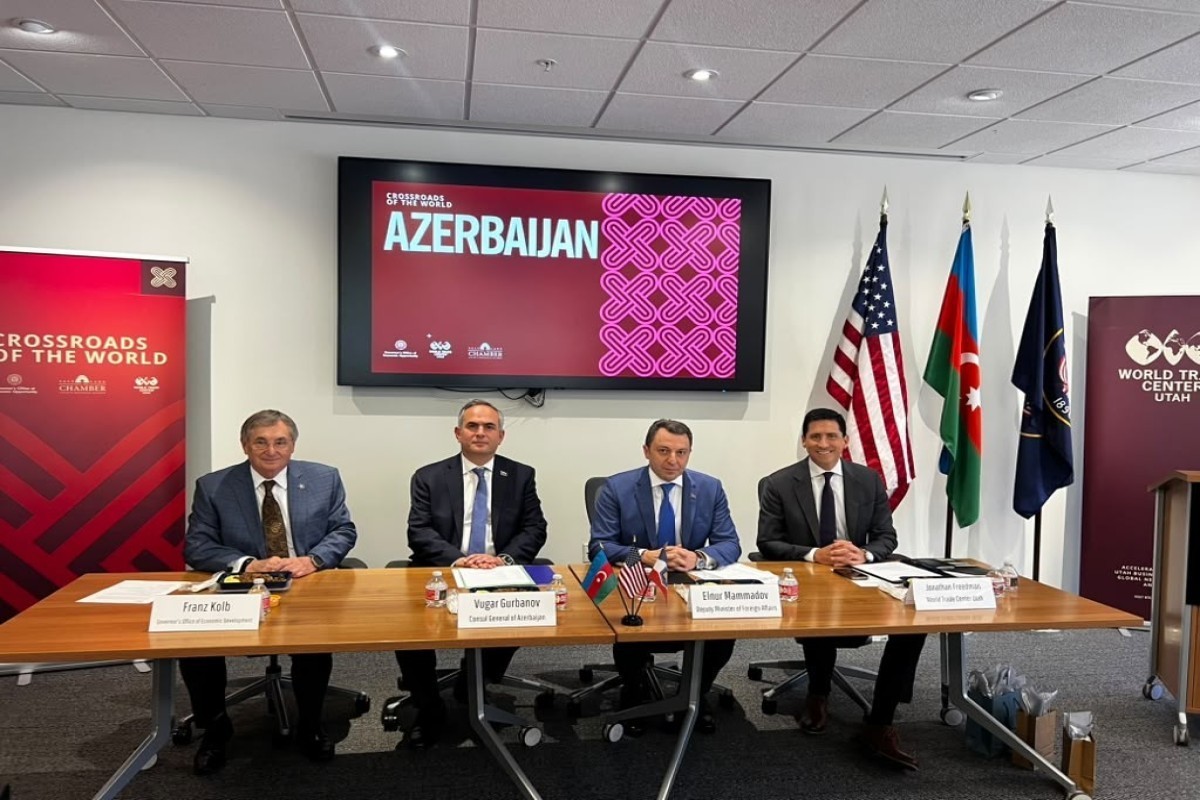
Azerbaijani deputy FM pays working visits to Utah and California
13:04
10 July 2026

NEWS FEED
Spain reached the World Cup semi-finals after beating Belgium
01:07
11 July 2026
US leader leaves orders to bomb Iran 'at levels that they’ve never seen before' if he's assassinated
23:46
Audio
10 July 2026
Trump administration imposes fresh sanctions on Iran in response to ship attacks
23:26
Audio
10 July 2026
Pakistan ready to continue mediatory efforts to settle Iran-US conflict — PM
22:50
10 July 2026
Ukraine strikes 18 Russian vessels, key oil facilities overnight
21:30
10 July 2026
Twelve killed, 23 missing in one of Spain's deadliest wildfires
21:16
10 July 2026
Iran denies reports of new US talks next week
20:57
10 July 2026
President Ilham Aliyev received heads of several international organizations
20:45
10 July 2026
EU to allow Kyiv to buy British weapons with European money
20:27
10 July 2026
Colombia's National Day celebrated in Baku - PHOTO
19:52
10 July 2026
Court of Appeal continues hearings on appeals filed by Armenian citizens
19:37
10 July 2026
Armed attack on police officers reported in Poland
19:29
10 July 2026
Iran has asked to continue talks and the US agreed, Trump says
18:56
10 July 2026
Grain harvesting begins in Khojaly and Aghdara after 34 years - PHOTO
18:50
10 July 2026
Hakan Fidan speaks about possibility of lifting US sanctions
18:47
10 July 2026
Agenda for next Milli Majlis session announced - UPDATED
18:39
10 July 2026
Soldier's body found in river in Armenia
18:14
10 July 2026
Azerbaijan extradites internationally wanted individuals to Uzbekistan
18:09
10 July 2026
Countries must reject Iran efforts to control Hormuz, UN agency document says
17:54
10 July 2026
Qatari mediators arrive in Iran to help ease Tehran-Washington tensions
17:49
10 July 2026
Economic Council discusses state tourism program and mining industry development
17:45
10 July 2026
Ukraine says another 12 vessels from Russia's "shadow fleet" struck in Sea of Azov
17:25
10 July 2026
Iran threatens to strike Israel in response to US attacks
17:09
10 July 2026
Azerbaijan Railways' sulfur transportation rises 31% in first half of 2026
16:49
10 July 2026
Propane and fertilizer shipped to Armenia via transit through Azerbaijan - PHOTO - UPDATED
16:22
10 July 2026
Electronic cigarettes to be banned from civil circulation
16:07
10 July 2026
Georgian opposition leader Aleko Elisashvili sentenced to 13 years in prison for attempted terrorist attack
15:44
10 July 2026
Sahiba Gafarova speaks at IPU high-level dialogue on digital governance
15:37
10 July 2026
Rutte, Zelenskyy to attend Ukraine 'Coalition of the Willing' meeting, Elysee says
15:30
10 July 2026
“AzerGold” CJSC organizes infotour to Dashkasan district and CIRPA for tourism bloggers
15:19
10 July 2026
President of Latvia's Constitutional Court visits Azerbaijan
15:10
10 July 2026
Azerbaijan's Health Ministry dismisses claims of mumps outbreak in Baku, urges parents to rely on official information
14:43
10 July 2026
Russia's air defenses destroy nearly 5,000 drones in one week - MoD
14:35
10 July 2026
Peskov: Kyiv is not in favor of the peace process
14:28
10 July 2026
Russia facing fuel shortage, Deputy PM says
14:07
10 July 2026
Peskov: Türkiye's sale of Russian S-400 systems is a highly sensitive issue
14:02
10 July 2026
Missile alert has been declared in Moscow
13:51
10 July 2026
Azerbaijan to digitalize procedures for extending foreigners' temporary stay
13:44
10 July 2026
Azerbaijan to amend fine for failure to repatriate foreign currency funds, introduce exemption from liability
13:41
10 July 2026
Azerbaijan to introduce fines for violations of cybersecurity requirements
13:38
10 July 2026
Administrative arrest to be imposed for repeated participation in gambling
13:37
10 July 2026
Baku to host international conference on media and decolonization
13:20
10 July 2026
ING: Central Bank of Azerbaijan may keep interest rate unchanged for an extended period
13:12
10 July 2026
Azerbaijani deputy FM pays working visits to Utah and California
13:04
10 July 2026
New sales rules proposed for fisheries products in Azerbaijan
13:03
10 July 2026
Azerbaijan drafts new law to modernize fisheries sector
12:59
10 July 2026
Azerbaijan determines procedure for foreign individuals and legal entities to use its aquatic bioresources
12:59
10 July 2026
Azerbaijan approves natural gas supply agreement with Georgia -DECREE
12:56
10 July 2026
Selçuk Bayraktar visits Bayraktar production facilities in Azerbaijan
12:54
10 July 2026
Azerbaijan's external public debt falls to $4.62 bln
12:39
10 July 2026


