










- International moderators are still optimistic about the salvation of Nagorno-Karabakh? What is the main reason why Karabakh and other frozen conflicts are still not resolved?
- The current momentum of the frozen conflicts, based in large part upon the pattern since the mid-1990s, is that the status quo is most likely to prevail. This will be the case unless an outside force -- namely, Russia or the US -- changes things. The US is unlikely to do anything except continue the pattern of “supporting the processâ€.
Since there has been no real progress on this process -- largely because the perspectives, interests, and solutions of the two sides are so diametrically opposed -- this amounts largely to empty words and a desire to appear ’engaged’. For Russia, the frozen nature of the Nagorno-Karabakh conflict suits its interests: Armenia is dependent Russia since the threat of Russian intervention is likely enough to stay the hand of Baku, which is wealthier, better-equipped, and more populous; Azerbaijan’s power in the region is weakened by the fact that it has one-seventh of its territory under occupation. Divide-and-conquer is an old, but effective, strategy of increasingly one’s relative power and Moscow plays this card well.
- It’s more than one year since Barack Obama became a president. Many experts say that the current administration differs from its predessers, especially in terms of relationship with Russia and frozen conflicts. How can you describe this difference between Obama and Bush administrations?
- First of all, I would argue that the “reboot†or “reset†of bilateral relations was a public relations stunt designed to make it appear as if the Obama administration is the ’un-Bush’. By this, I mean that the administration has sought in nearly every case to present itself as fundamentally different than its predecessor.
Initially, this was demonstrated by an almost blind reversal of Bush-era policies -- simply because the Bush administration supported one position, the Obama administration felt that it had to reverse course. This has calmed down a bit now, but it is still a noticeable pattern in this administration. So, the attempt to reset with Russia fits into this general trend -- engage all of those states with which the US had rocky relations and downgrade ties with those that which the Bush administration had a good relationship.
In terms of the specifics of the US-Russian relationship and its implications for the former Soviet Union, my observation is that the Obama administration has effectively acceded to a Russian sphere of influence within the region. I feel that they are doing this because they believe (wrongly, in my opinion), that if they “engage†Moscow they will be able to get the Kremlin’s help on a variety of other issues (terrorism, Iran, etc.).
However, they fundamentally misunderstand two things. First, the problems between the US and Russia during the second half of the Bush administration were due primarily to difference of and clashes between perceived interests. At its core, these differences/clashes stem from the place of Russia within the international system generally and within the region specifically. They were not simply due to the particularities of the Bush administration’s policies nor can they be changed merely with a rhetorical reboot/reset.
Second, it is highly unlikely that the Kremlin will respond positively to the Obama administration’s attempt to ’engage’ them. This is not to say that "the Russians only understand force." Instead, the more likely outcome is that Moscow will see the administration’s policies as a sign of weakness and that they will continue to push the administration, to strengthen their hold over the former Soviet Union, and, finally, to be more obstructionist on policy issues outside of the region because they know that they will not pay any price. This is consistent with what we see as a general pattern as other countries react to this new strategy: Obama is definitely someone the world can say ’no’ to and get away with it.
- Another tension in the region is the moralization between Turkey and Armenia. Do you believe Turkish-Armenan agreement be will be reliable if there is no peace between Azerbaijan and Armenia?
- I am not convinced that this agreement will actually come to fruition. It appears that it is stuck in the Turkish parliament which refuses to vote on it unless Armenia softens its negotiating position vis-a-vis Azerbaijan and affects real change in the status of Nagorno-Karabakh. Since Yerevan is unlikely to do this, all of the talk of peace being contagious is largely just that -- talk.
Granted, anything can happen. But just because the parties to a conflict are talking does not mean that substantive progress is being made, even if they are talking a lot. Before every Nagorno-Karabakh meeting, going back at least as far as the “Key West Summit†during the first six-months of the Bush administration, the optimists were saying that ’a breakthrough is imminent. Every time they were disappointed. This does not mean that progress on Nagorno-Karabakh is impossible. However, history is with the pessimists on this one. Since Ankara has seemingly linked its normalization with Armenia to Nagorno-Karabakh, there are good reasons to be pessimistic about both.
Thomas Ambrosio: “Unless Armenia softens its negotiating position with Azerbaijan, all of the talk of peace being contagious is largely just talkâ€

 17 February 2010 05:27 (UTC +04:00)


 İDMAN XƏBƏR
 Follow us on Telegram
 t.me/apanewsaz
 Follow us on Instagram
 Follow us on TikTok
 Follow us on Facebook
 Follow us on X
Foreign
 PHOTO'>
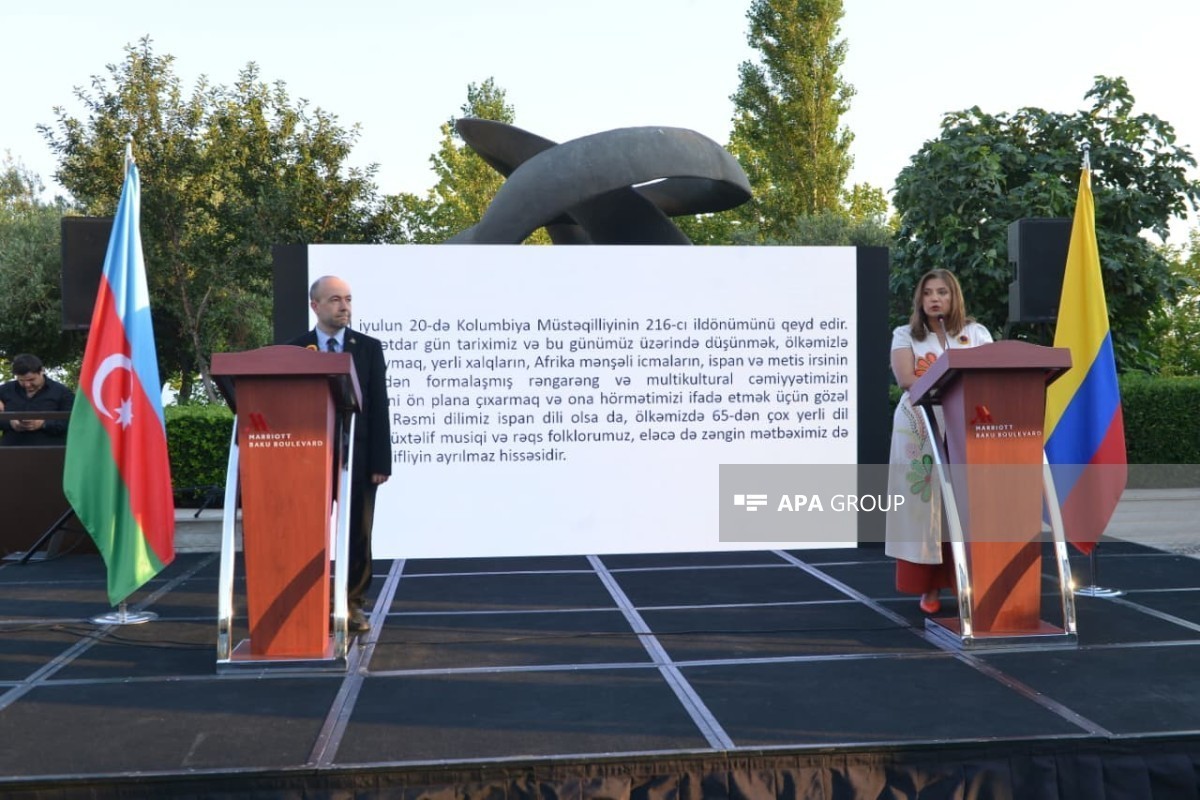
Colombia's National Day celebrated in Baku - PHOTO
19:52
 10 July 2026
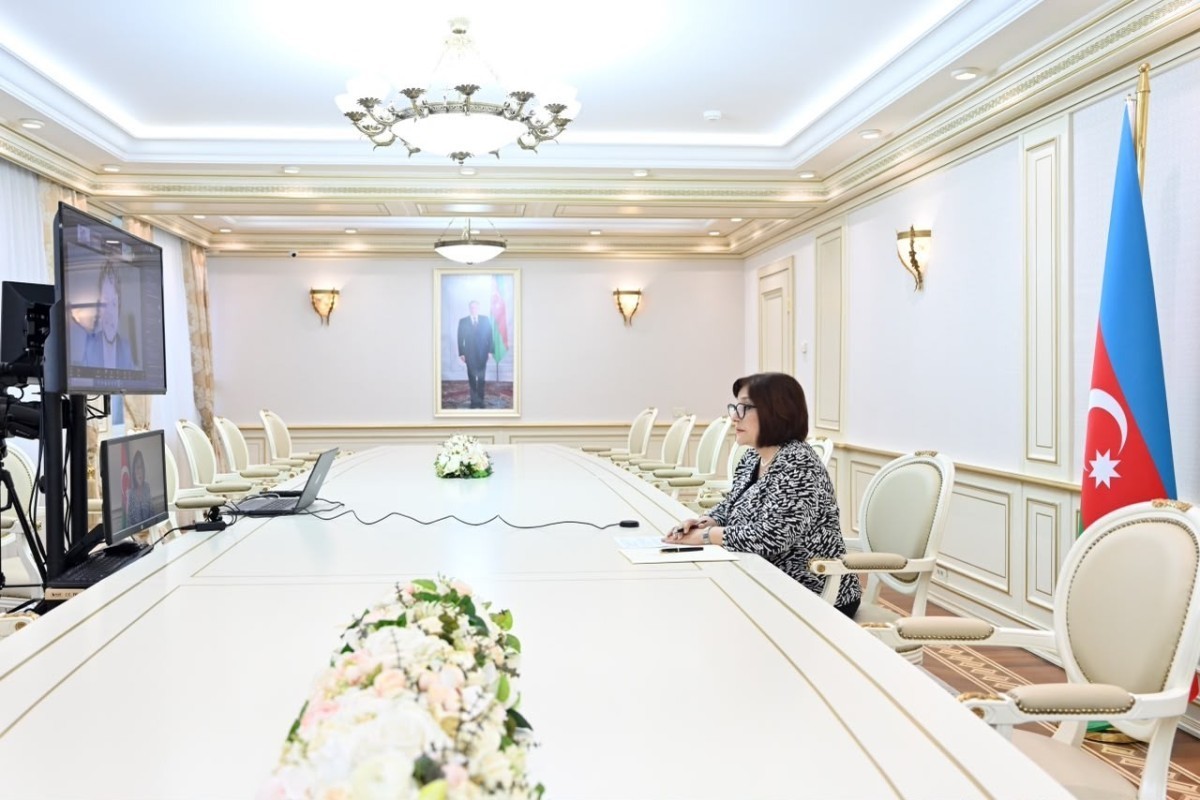
Sahiba Gafarova speaks at IPU high-level dialogue on digital governance
15:37
10 July 2026
President of Latvia's Constitutional Court visits Azerbaijan
15:10
10 July 2026

Azerbaijani deputy FM pays working visits to Utah and California
13:04
10 July 2026

NEWS FEED
Trump administration imposes fresh sanctions on Iran in response to ship attacks
23:26
Audio
10 July 2026
Ukraine strikes 18 Russian vessels, key oil facilities overnight
21:30
10 July 2026
Twelve killed, 23 missing in one of Spain's deadliest wildfires
21:16
10 July 2026
Iran denies reports of new US talks next week
20:57
10 July 2026
President Ilham Aliyev received heads of several international organizations
20:45
10 July 2026
EU to allow Kyiv to buy British weapons with European money
20:27
10 July 2026
Colombia's National Day celebrated in Baku - PHOTO
19:52
10 July 2026
Court of Appeal continues hearings on appeals filed by Armenian citizens
19:37
10 July 2026
Armed attack on police officers reported in Poland
19:29
10 July 2026
Iran has asked to continue talks and the US agreed, Trump says
18:56
10 July 2026
Grain harvesting begins in Khojaly and Aghdara after 34 years - PHOTO
18:50
10 July 2026
Hakan Fidan speaks about possibility of lifting US sanctions
18:47
10 July 2026
Agenda for next Milli Majlis session announced - UPDATED
18:39
10 July 2026
Soldier's body found in river in Armenia
18:14
10 July 2026
Azerbaijan extradites internationally wanted individuals to Uzbekistan
18:09
10 July 2026
Countries must reject Iran efforts to control Hormuz, UN agency document says
17:54
10 July 2026
Qatari mediators arrive in Iran to help ease Tehran-Washington tensions
17:49
10 July 2026
Economic Council discusses state tourism program and mining industry development
17:45
10 July 2026
Ukraine says another 12 vessels from Russia's "shadow fleet" struck in Sea of Azov
17:25
10 July 2026
Iran threatens to strike Israel in response to US attacks
17:09
10 July 2026
Azerbaijan Railways' sulfur transportation rises 31% in first half of 2026
16:49
10 July 2026
Propane and fertilizer shipped to Armenia via transit through Azerbaijan - PHOTO - UPDATED
16:22
10 July 2026
Electronic cigarettes to be banned from civil circulation
16:07
10 July 2026
Georgian opposition leader Aleko Elisashvili sentenced to 13 years in prison for attempted terrorist attack
15:44
10 July 2026
Sahiba Gafarova speaks at IPU high-level dialogue on digital governance
15:37
10 July 2026
Rutte, Zelenskyy to attend Ukraine 'Coalition of the Willing' meeting, Elysee says
15:30
10 July 2026
“AzerGold” CJSC organizes infotour to Dashkasan district and CIRPA for tourism bloggers
15:19
10 July 2026
President of Latvia's Constitutional Court visits Azerbaijan
15:10
10 July 2026
Azerbaijan's Health Ministry dismisses claims of mumps outbreak in Baku, urges parents to rely on official information
14:43
10 July 2026
Russia's air defenses destroy nearly 5,000 drones in one week - MoD
14:35
10 July 2026
Peskov: Kyiv is not in favor of the peace process
14:28
10 July 2026
Russia facing fuel shortage, Deputy PM says
14:07
10 July 2026
Peskov: Türkiye's sale of Russian S-400 systems is a highly sensitive issue
14:02
10 July 2026
Missile alert has been declared in Moscow
13:51
10 July 2026
Azerbaijan to digitalize procedures for extending foreigners' temporary stay
13:44
10 July 2026
Azerbaijan to amend fine for failure to repatriate foreign currency funds, introduce exemption from liability
13:41
10 July 2026
Azerbaijan to introduce fines for violations of cybersecurity requirements
13:38
10 July 2026
Administrative arrest to be imposed for repeated participation in gambling
13:37
10 July 2026
Baku to host international conference on media and decolonization
13:20
10 July 2026
ING: Central Bank of Azerbaijan may keep interest rate unchanged for an extended period
13:12
10 July 2026
Azerbaijani deputy FM pays working visits to Utah and California
13:04
10 July 2026
New sales rules proposed for fisheries products in Azerbaijan
13:03
10 July 2026
Azerbaijan determines procedure for foreign individuals and legal entities to use its aquatic bioresources
12:59
10 July 2026
Azerbaijan drafts new law to modernize fisheries sector
12:59
10 July 2026
Azerbaijan approves natural gas supply agreement with Georgia -DECREE
12:56
10 July 2026
Selçuk Bayraktar visits Bayraktar production facilities in Azerbaijan
12:54
10 July 2026
Azerbaijan's external public debt falls to $4.62 bln
12:39
10 July 2026
Azerbaijan prepares new draft law "On Seed Production", establishes registry
12:32
10 July 2026
Azerbaijan's strategic foreign exchange reserves approach $85.8 billion
12:28
10 July 2026
Azerbaijan's economy grows by 1% in the first half of 2026
12:24
10 July 2026


