

Brotherly and allied states Azerbaijan and Kazakhstan are united by a common history, culture, and a strategic vision oriented towards the future. Cooperation between our countries demonstrates dynamic and sustainable development in all fields. One of the significant areas of cooperation between the two countries is economic cooperation, which is currently at a stage of dynamic development.
The issues of expanding economic relations were discussed yesterday during the 21st meeting of the Joint Intergovernmental Commission on Trade and Economic Cooperation between Azerbaijan and Kazakhstan held in Baku.
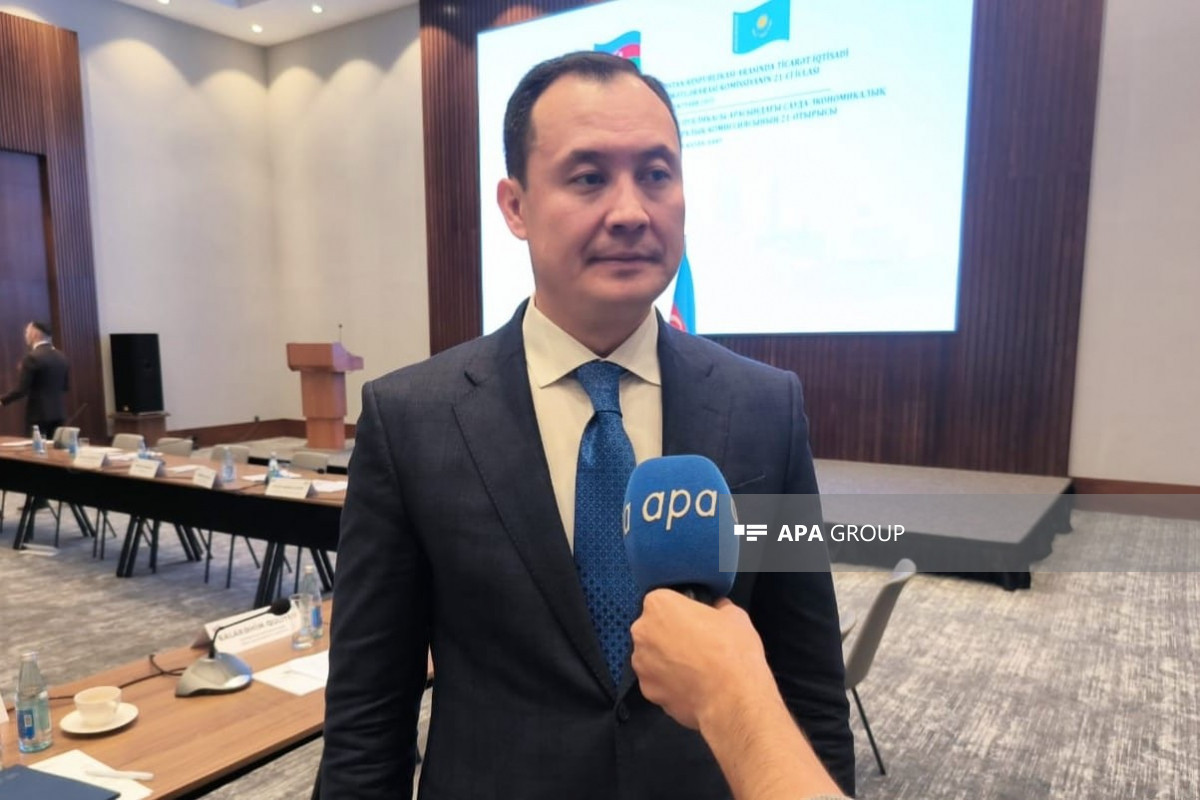
One of the important aspects of economic cooperation between Azerbaijan and Kazakhstan is energy. During the meeting, we addressed questions regarding the discussions held in this field to Sanjar Jarkeshov, Deputy Minister of Energy of Kazakhstan.
APA-Economics presents the interview with the deputy minister:
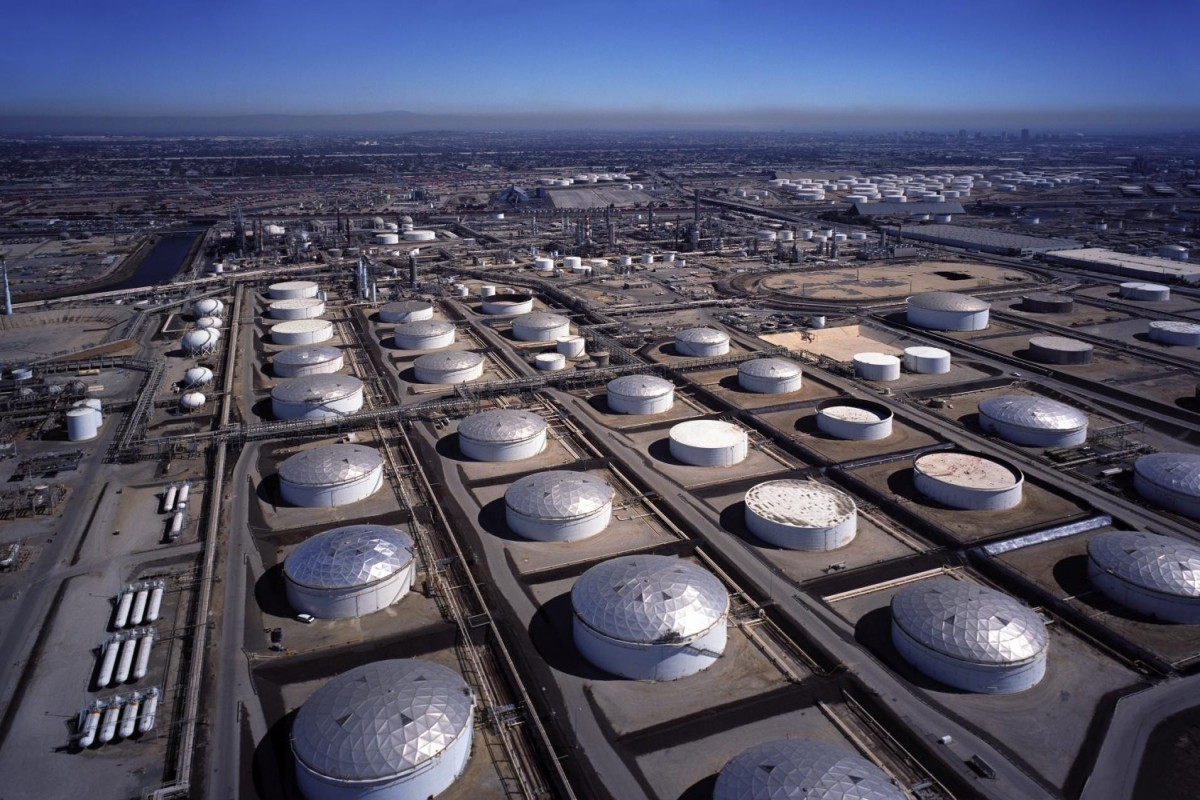
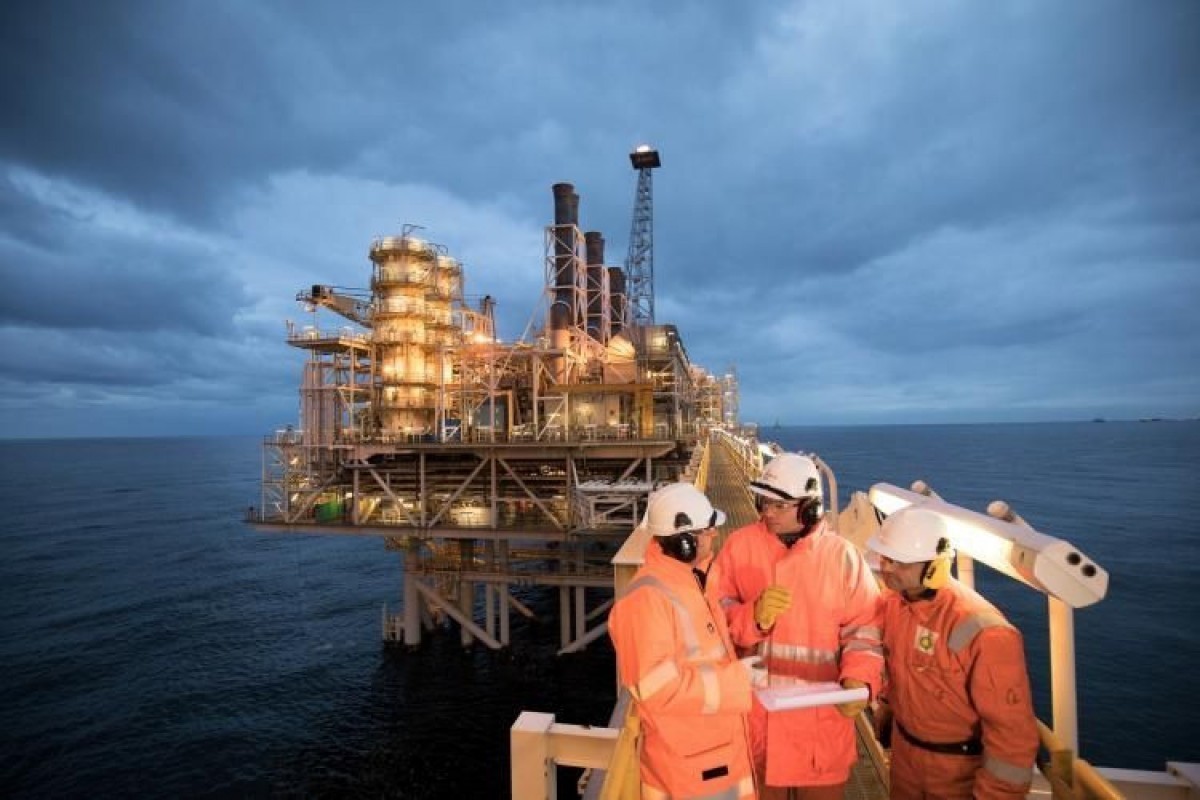
- First of all, during the intergovernmental commission meeting, plans were announced to increase the transit of Kazakh oil through the Baku–Tbilisi–Ceyhan pipeline to up to 7 million tons annually. How is it planned to achieve these figures? Gradually, or how?
- First of all, these were just general, declarative figures – about intentions. There are no concrete commitments yet. Why? Because everything depends on the transit price set by the Azerbaijani side. Therefore, we are waiting for the final response from the Republic of Azerbaijan. It is clear that the potential is great. We have an interest, and the design capacity of the Baku–Tbilisi–Ceyhan pipeline is also large. So if the "stars" align, I think there will be potential, and if we are talking about 7 million tons annually, it could potentially reach up to 20 million tons if some modernization is carried out in the future.
Therefore, we are ready to increase this direction because it is strategic for Kazakhstan, the diversification of export supplies. I believe that the intergovernmental commission meeting was very productive and could serve as a foundation for further expansion in this area. The co-chairs of the intergovernmental commission of both countries also noted that the work needs to continue.
- Regarding the quality indicators of the oil transported through the Baku–Tbilisi–Ceyhan pipeline, the quality and specifications of Azerbaijani and Kazakh oil differ. How is this issue being coordinated?
- In this regard, there is generally no problem at all. Currently, during transit, we have an understanding regarding the quality of Kazakh oil and Azerbaijani oil. Therefore, there is absolutely no problem. The issue is about loading the Baku–Tbilisi–Ceyhan pipeline to its maximum capacity. This is an important transit revenue for Azerbaijan. Naturally, [the Azerbaijani side’s – ed.] interest must be considered. We are currently negotiating mutually beneficial tariffs for transit. If the tariff is adequate, then I believe volumes should increase – both Kazakhstan and Azerbaijan will benefit. I consider the quality issue secondary and, in fact, already resolved. The matter lies with the buyers; they will likely now have to categorize this different oil “blend” (Mixture of productions - ed.).
- What are the plans for the transit volume of Kazakh oil through Azerbaijan for this year?
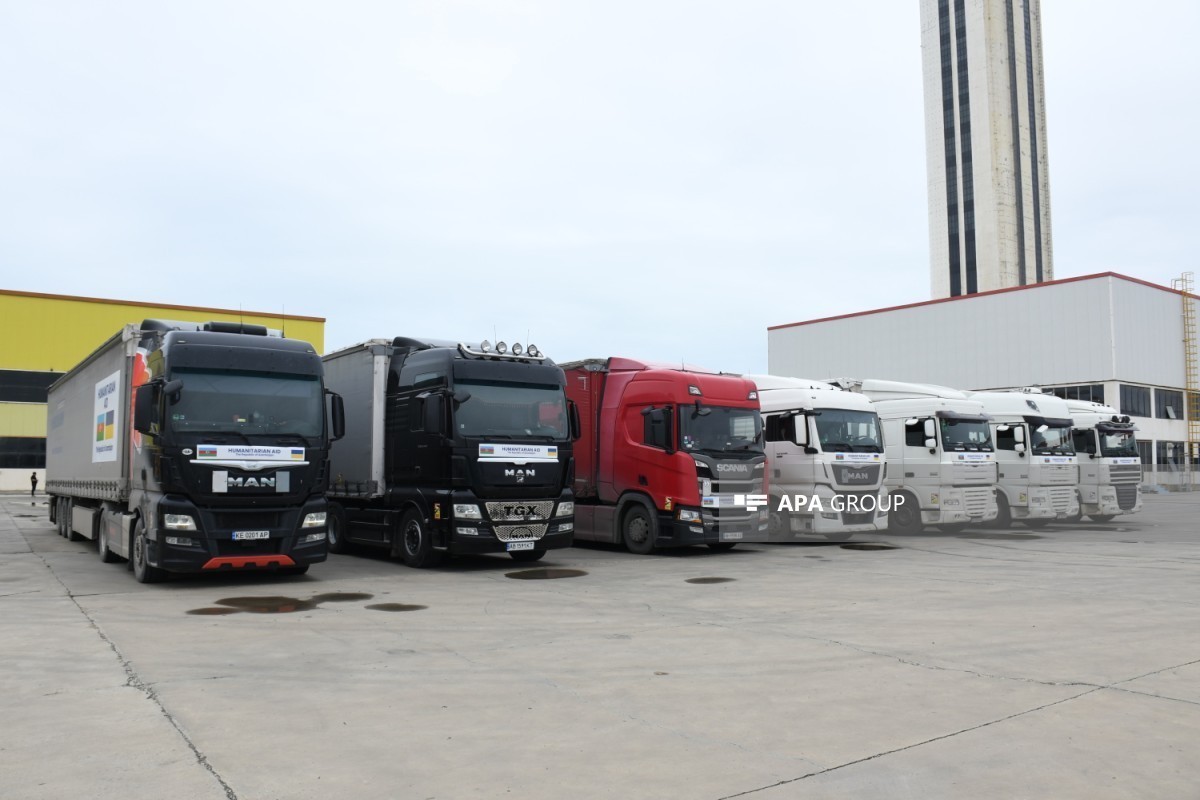
- So, the current volume you know will not change – approximately 2.2 million tons. There are a few months left until the end of the current year, so if everything goes according to plan, this figure will be met. We do not expect an increase this year. At the same time, the situation regarding oil prices in the global markets must be taken into account. It is variable. There may be an increase next year. We are currently forecasting specifically for the first quarter of 2026 — there may be some changes in the figures then.
- Is the use of the Baku–Supsa pipeline being considered by Kazakhstan in terms of expanding the transit of Kazakh oil through Azerbaijan?
-In general, we will consider all possible options for oil access to the world markets. It is possible that there will be potential future joint projects between SOCAR and KazMunayGaz regarding the development of oil and oil-gas fields in Kazakhstan. Therefore, we expect new oil volumes.
However, currently, we must understand that the Supsa route is less attractive than the Baku–Tbilisi–Ceyhan route. Why? Because there are issues related to weather conditions and the Bosporus. Therefore, we currently prefer the Baku–Tbilisi–Ceyhan route.
- Currently, what other cooperation directions in the field of energy are being considered between Azerbaijan and Kazakhstan?
- Yes, various directions are being considered. These include the “green corridor”, green projects. Also, during the commission meeting, concrete initiatives in the field of “peaceful atom” were voiced.
In addition, these are geological exploration projects for oil and gas fields in Kazakhstan. In particular, SOCAR shows interest in the field located in Kazakhstan’s Mangystau region.
Overall, as the Ministry of Energy of Kazakhstan, we are ready to support all initiatives coming from Azerbaijan, especially in the field of energy.


 Follow us on Telegram
 t.me/apanewsaz
 Follow us on Instagram
 Follow us on TikTok
 Follow us on Facebook
 Follow us on X