












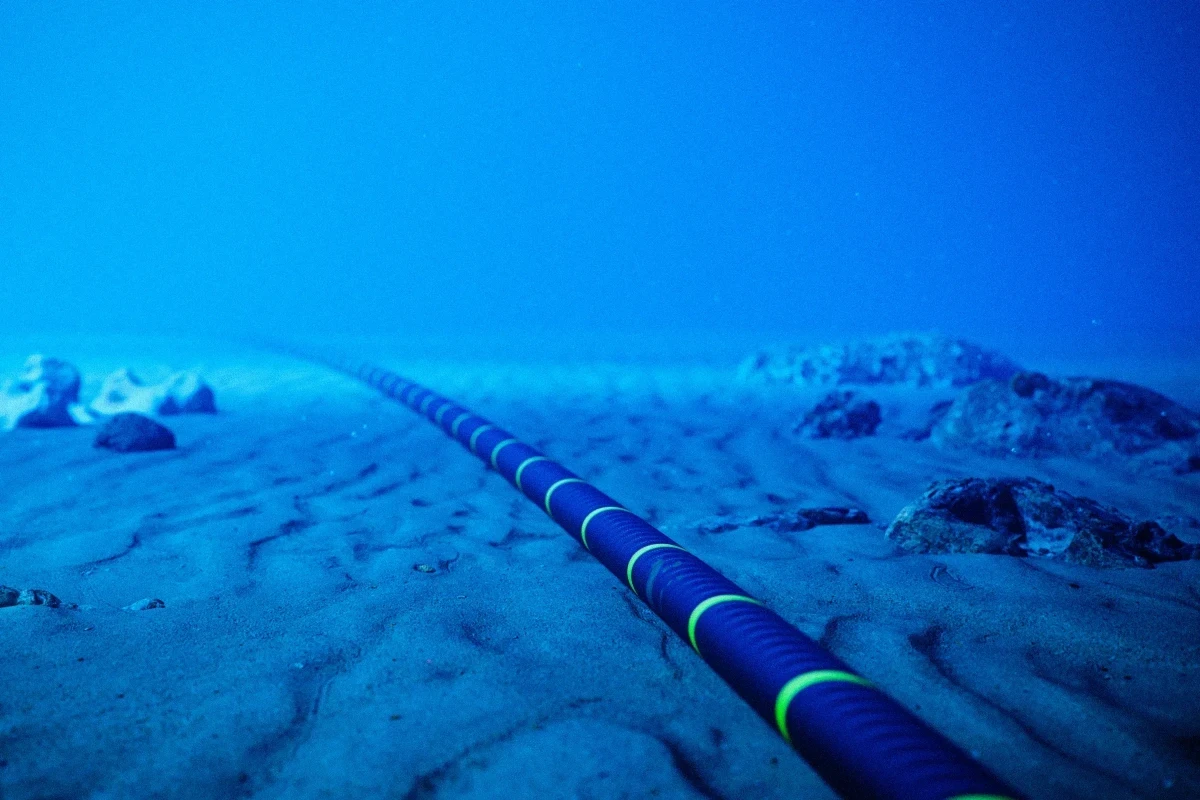


The 10th Ministerial Meeting/Steering Committee held in Budapest highlights an important regional transformation in energy policy. Discussions within the framework of the “Agreement on Strategic Partnership in the field of development and transfer of green energy between Azerbaijan, Georgia, Hungary and Romania” are of great significance for the large-scale implementation of green energy exports from the Caspian Sea to Europe.
Which document was signed at the Budapest meeting?
Note that on March 10, in Budapest, the capital of Hungary, at the 10th Ministerial Meeting/Steering Committee for the implementation of the Agreement on Strategic Partnership in the field of development and transfer of green energy between Azerbaijan, Georgia, Hungary and Romania, Azerbaijan was represented by Minister of Energy Parviz Shahbazov, Hungary by Minister of Foreign Affairs and Trade Péter Szijjártó, Georgia by First Vice Prime Minister, Minister of Economy and Sustainable Development Levan Davitashvili, Romania by Minister of Energy Sebastian-Ioan Burduja, and Bulgaria by Minister of Energy Rumen Radev. The meeting was also attended by representatives of the European Commission, the Joint Venture (GECO Power Company), and “CESI” company.
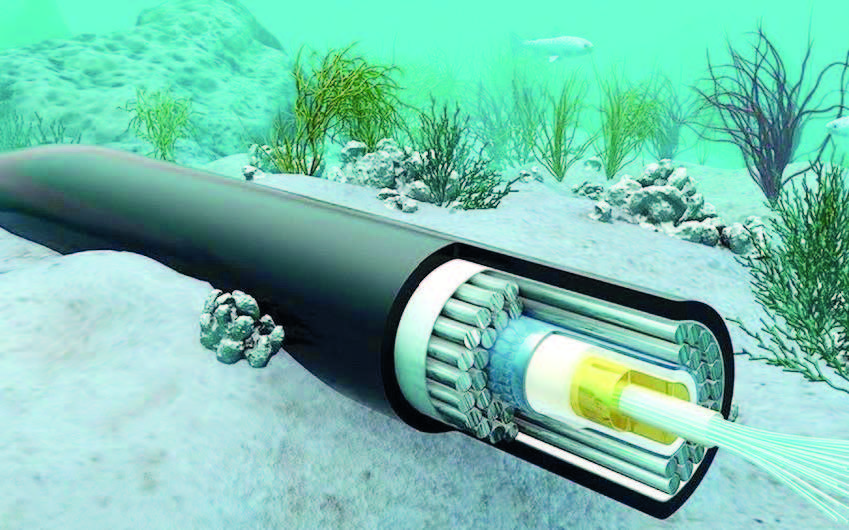
At the meeting, the development of Azerbaijan's renewable energy potential, progress and prospects on the Caspian-Black Sea-European Green Energy Corridor project were rervised. The issues related to the activities of the Green Energy Corridor Power Company (GECO), Bulgaria's involvement in the project, the current state of the feasibility study implemented by the CESI, cooperation with the European Union (EU) on project financing were discussed.
After the discussions, the ministers of the 4 countries signed a Protocol on the results of the meeting and a Joint letter from Azerbaijan, Georgia, Romania and Hungary to the Commissioner of the European Union (EU) for Energy, Dan Jorgensen. The purpose of the letter is to provide appropriate support for granting the Caspian-Black Sea Green Energy Corridor project with Project of Mutual Interest (PMI) status.
During the meeting, a corresponding document was signed with the aim of transferring the main powers and obligations under the contract between the Ministry of Energy and CESI to GECO.
It should be noted that the Agreement on Strategic Partnership between the Governments of the Republic of Azerbaijan, Georgia, Romania and Hungary in the field of Development and Transmission of Green Energy was signed on 17 December 2022 in Bucharest.
Main goals and geopolitical significance of the project
This strategic energy project not only aims to develop Azerbaijan's renewable energy potential but also makes a significant contribution to Europe's energy security and green energy transition. The energy corridor established between Azerbaijan, Georgia, Hungary, and Romania aligns with the European Union's (EU) energy strategy, helping to diversify Europe's energy supply and reduce dependence on Russia.
In addition, this project creates conditions for expanding regional cooperation by including Bulgaria. Bulgaria's participation in the energy project will strengthen its integration into the EU's energy network and further solidify the green energy supply chain.
Azerbaijan's energy strategy and green hydrogen prospects
Azerbaijan's identification of wind energy zones in the Caspian Sea and its cooperation with international companies in this field demonstrate the country's intention to become a strong player in the renewable energy market. As noted by Minister of Energy Parviz Shahbazov, the development of green hydrogen is one of the main directions of this project. This will represent a new stage in Azerbaijan's energy strategy. The production and export of green hydrogen to Europe could gradually help reduce the country's dependence on the oil and gas sector.

Economist-expert Eldaniz Amirov, in his statement to APA, expressed hope that Azerbaijan would successfully implement the Caspian-Black Sea-European Green Energy Corridor project: “This initiative, as a key project at the initial stage of Azerbaijan's alternative energy strategy, lays the foundation for a new era in the country's energy sector. Azerbaijan has previously successfully executed two significant energy strategies. Firstly, the oil strategy brought about fundamental changes in the country's energy sector, becoming one of the main drivers of economic development and strengthening Azerbaijan's position in the global energy market. This was followed by the gas strategy, which further diversified Azerbaijan's energy policy and reinforced its role as a reliable supplier in European markets. Currently, the implementation of the alternative energy strategy has effectively began, which aims to fully unlock Azerbaijan's renewable energy potential and establish the country as one of the leading producers of green energy in the region. The strategy is of great importance not only for ensuring environmental sustainability but also for enhancing energy security.”
The project's strategic importance for Europe's energy security
Hungary, in cooperation with other partner countries, is actively pursuing diplomatic efforts to integrate the project into the European Union's energy infrastructure plans. Hungary views strengthening collaboration with the EU as essential for the project's implementation. At the same time, by promoting regional cooperation in the development and transmission of green energy, the country believes that this initiative will enhance stability in Europe's energy market.

Demko Attila, Head of the Strategic Foresight Programme at John Lukacs Institute of Hungary, stated in a statement to APA that the "Caspian-Black Sea Green Energy Corridor" project holds strategic significance for Europe's energy security and green transition: "Green energy is not only a national priority for Hungary but also a strategic necessity for the entire European continent. As the global energy landscape moves towards sustainability, Azerbaijan is ready to become a key supplier of green energy to Europe. Through the energy corridor passing through the Black Sea, Romania, and Hungary, Azerbaijan's vast renewable energy potential can significantly contribute to the continent's energy security and diversification. Reducing dependence on Russian energy remains a critical goal for Europe, but true energy security requires a balanced and diversified approach — one that does not rely solely on any single supplier, including the United States. In this context, Azerbaijan serves as a vital strategic partner by offering not only renewable energy solutions but also consistent access to traditional energy resources such as natural gas and oil. Strengthening energy relations with Azerbaijan can enhance Europe's resilience, foster economic cooperation, and accelerate the transition to a more sustainable and secure energy future."
Azerbaijan's Role in Hungary's Energy Security

The expert also highlighted Azerbaijan's crucial role in Hungary's energy security:
"Azerbaijani energy already contributes to Hungary's energy diversification. We have an existing partnership in gas imports, and this new initiative will further strengthen our cooperation with Azerbaijan.
Of course, this is not a process that will happen overnight — it takes time. However, it is undoubtedly an important step towards enhancing the country's and, in the future, the European Union's energy diversification," the Hungarian expert noted.
For Georgia, the Caspian-Black Sea Green Energy Corridor project is of great importance in terms of strengthening the country's strategic position as a regional energy transit and logistics hub, strengthening its role as a reliable energy bridge between Europe and Asia, creating opportunities for attracting foreign investments, and accelerating the country's economic development by ensuring its energy security.

In a statement to APA, Georgian expert Levan Mamaladze stated that the Green Energy Corridor project, jointly implemented with Azerbaijan will make significant contributions to Europe's energy diversification, regional stability, and the economic well-being of the participating countries, while enhancing their geopolitical influence
"This green energy corridor project will make a significant contribution to Europe’s, especially Eastern Europe’s, energy diversification. With the implementation of this project, both Azerbaijan and Georgia are taking on great responsibility. The project will serve as an important economic bridge between the South Caucasus and Europe. Azerbaijan and Georgia have immense green energy potential. Although Azerbaijan is a fossil fuel-exporting country, it has made substantial investments in the green energy sector, showing its commitment to finding sustainable, green solutions for global energy supplies. Azerbaijan has a large electricity generation capacity. It is no coincidence that during the winter months, when water levels in Georgia’s hydropower plants decrease and electricity production falls, Azerbaijan becomes one of the main suppliers. In contrast, during the summer, when Georgia’s rivers have abundant water, the country is able to produce more electricity than it consumes. Taking all this into account, both Azerbaijan and Georgia can secure significant revenues from electricity exports. Azerbaijan’s participation in this project plays a crucial role in ensuring a stable supply of green energy to Europe through this corridor. Georgia has more than 26,000 rivers, offering a high potential for establishing new hydropower plants. This project can encourage further investments in this sector. Additionally, Georgia has promising opportunities for solar energy production, with the government supporting companies operating in this field. It is important to remember that such projects are not only economically valuable but also become a guarantee of regional stability. These initiatives provide additional income and prosperity for our countries while also enhancing their geopolitical influence. Overall, the projects led by Azerbaijan and Georgia reflect the close partnership between the two countries and could serve as a model for other neighboring nations,” said Mamaladze.
Results and prospects
The Budapest meeting showed that Azerbaijan and partner countries have made significant progress in the transition to green energy and energy security. The implementation of the project will strengthen Azerbaijan's role in the international energy market, increase its access to alternative energy sources for Europe, and create new opportunities for energy transit in the Caspian-Black Sea region.
Faig Mahmudov
Said Babazadeh



 Follow us on Telegram
 t.me/apanewsaz
 Follow us on Instagram
 Follow us on TikTok
 Follow us on Facebook
 Follow us on X


