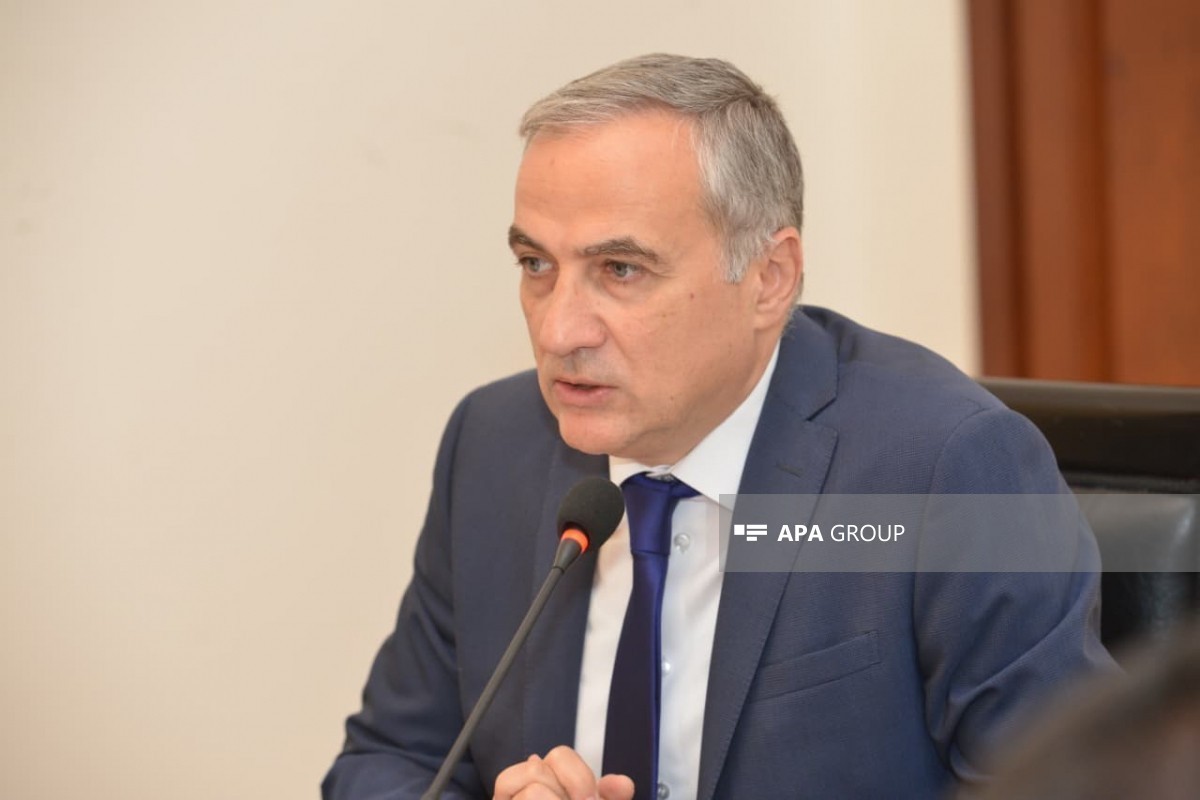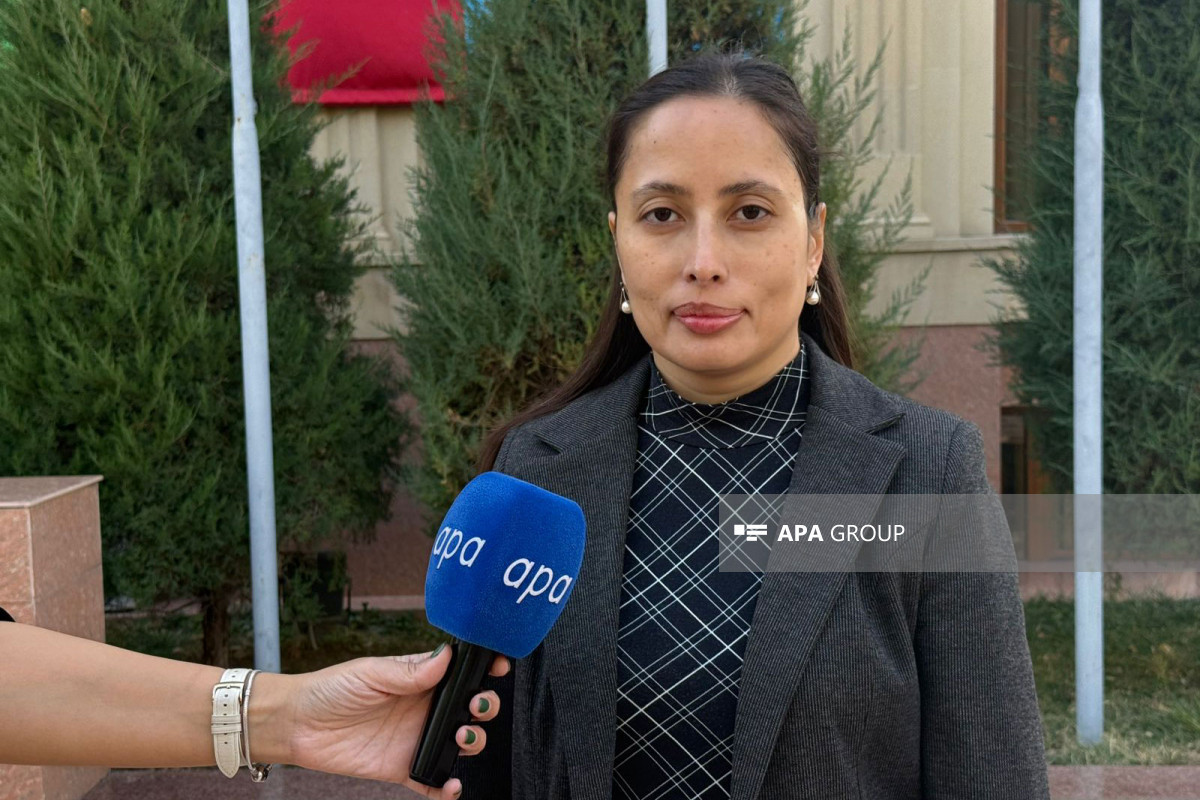

Azerbaijan is clearly playing a leading role in the process related to the Middle Corridor, said Nargiz Umarova, head of the Strategic Communications Center of the Institute for Prospective International Studies at the University of World Economy and Diplomacy of Uzbekistan, APA’s correspondent dispatched to Tashkent reports.
She noted that the official visit of Azerbaijani President Ilham Aliyev to Uzbekistan has begun within the framework of the Consultative Meeting of Central Asian Heads of State held in Tashkent: “In recent years, Azerbaijan–Uzbekistan relations have intensified noticeably and have been dynamically expanding. This development is not limited only to the transport sector; it also includes energy cooperation, economic partnership, and particularly the growth of trade turnover. Nevertheless, given the geographical proximity and the large market potential, there is still significant untapped capacity. At present, a major joint project—the Middle Corridor—is being actively developed between the South Caucasus and Central Asian countries. Azerbaijan is clearly playing a leading role in this process. Uzbekistan is also one of the most active participants of this corridor. In addition, in 2019 Uzbekistan launched a multimodal transport project called ‘Kaska Plus’. This corridor envisages the transportation of cargo from East Asia, including China, to the South Caucasus countries, Türkiye, and then to Europe. The project is expanding steadily, and cooperation with Azerbaijan and Georgia plays a particularly important role.”
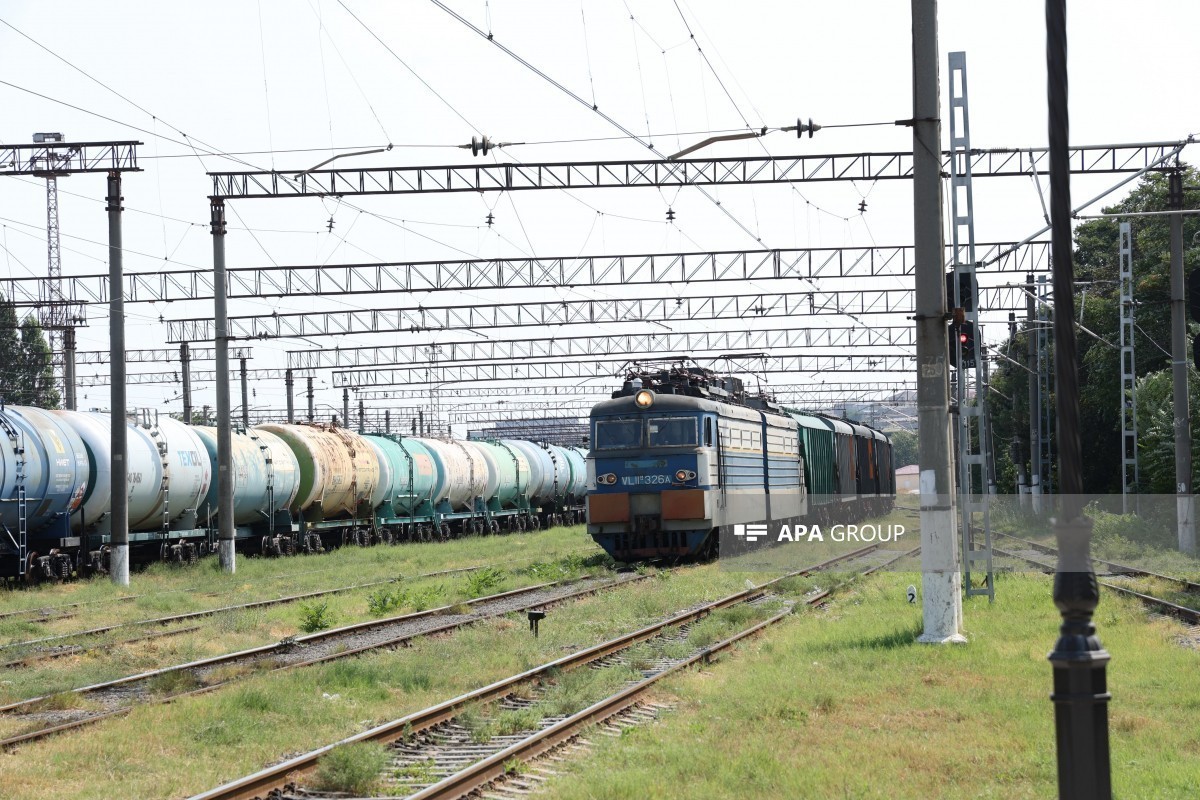
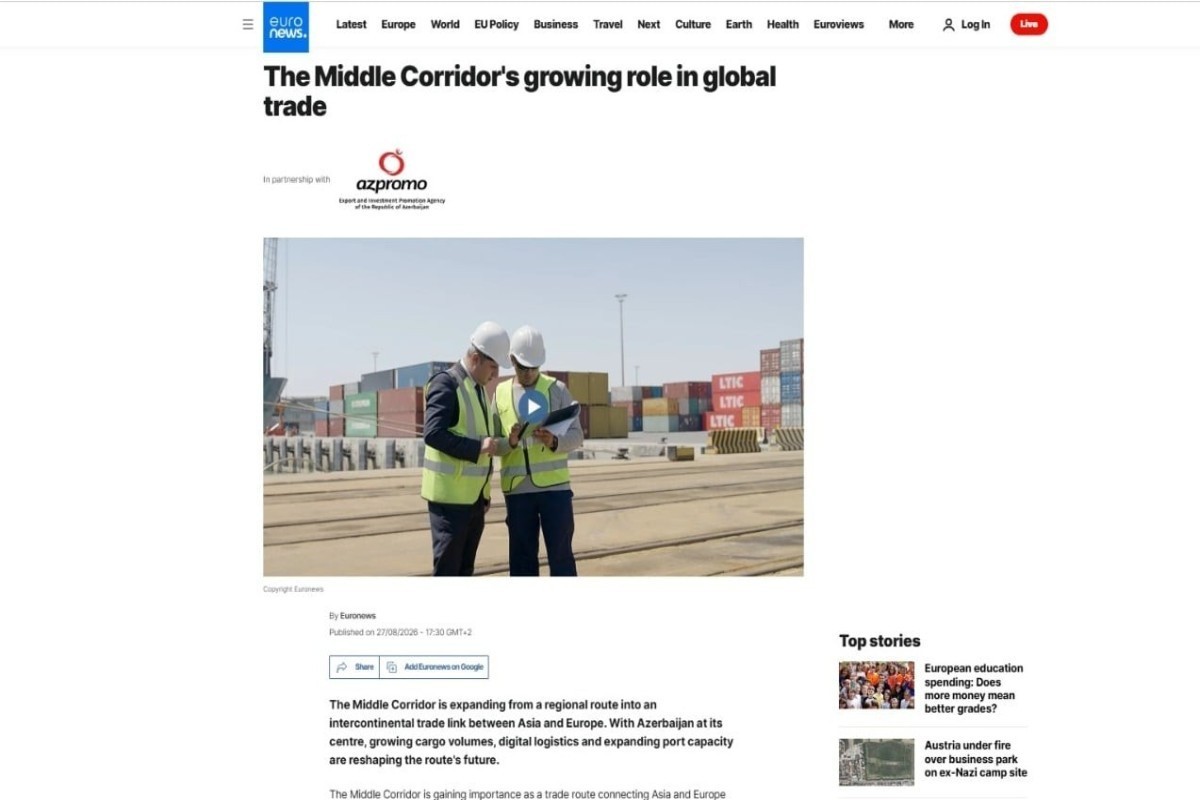
The expert emphasized that the Middle Corridor creates conditions not only for increasing trade between the Central Asian and South Caucasus countries but also for boosting the transit potential of both regions: “Currently, major economic centers such as the European Union and China increasingly prefer land transport routes, and this makes the Middle Corridor strategically decisive. The geopolitical tensions observed in the Eurasian space over the past three years have further increased the importance of the Middle Corridor. Our countries are actively benefiting from this opportunity. For example, last year 4.5 million tons of cargo were transported along the Middle Corridor via Caspian ports, which is 62% more than the previous year. This year, transportation volumes are expected to nearly double. The World Bank forecasts that by 2030, cargo volumes may reach 11 million tons. However, for this to materialize, it is essential to modernize port and transport infrastructure in the participating countries along the corridor.”
Nargiz Umarova stressed that Uzbekistan has a particular interest in cooperation with Azerbaijan in the transport sector, and this interest is not limited to the Middle Corridor: “Uzbekistan is located at the very center of Central Asia and borders all countries in the region, as well as Afghanistan. The Afghanistan factor provides additional transit advantages for the country. Currently, Uzbekistan attaches great importance to the development of southern transport and transit corridors. Since 2018, Uzbekistan has been promoting a new transit route through Afghanistan that provides access to Pakistani ports, and the project has already reached almost its final stage. This route is considered an alternative to the transit passing through Iran and creates special opportunities for aligning interests with Azerbaijan in the field of transport.”


 Follow us on Telegram
 t.me/apanewsaz
 Follow us on Instagram
 Follow us on TikTok
 Follow us on Facebook
 Follow us on X