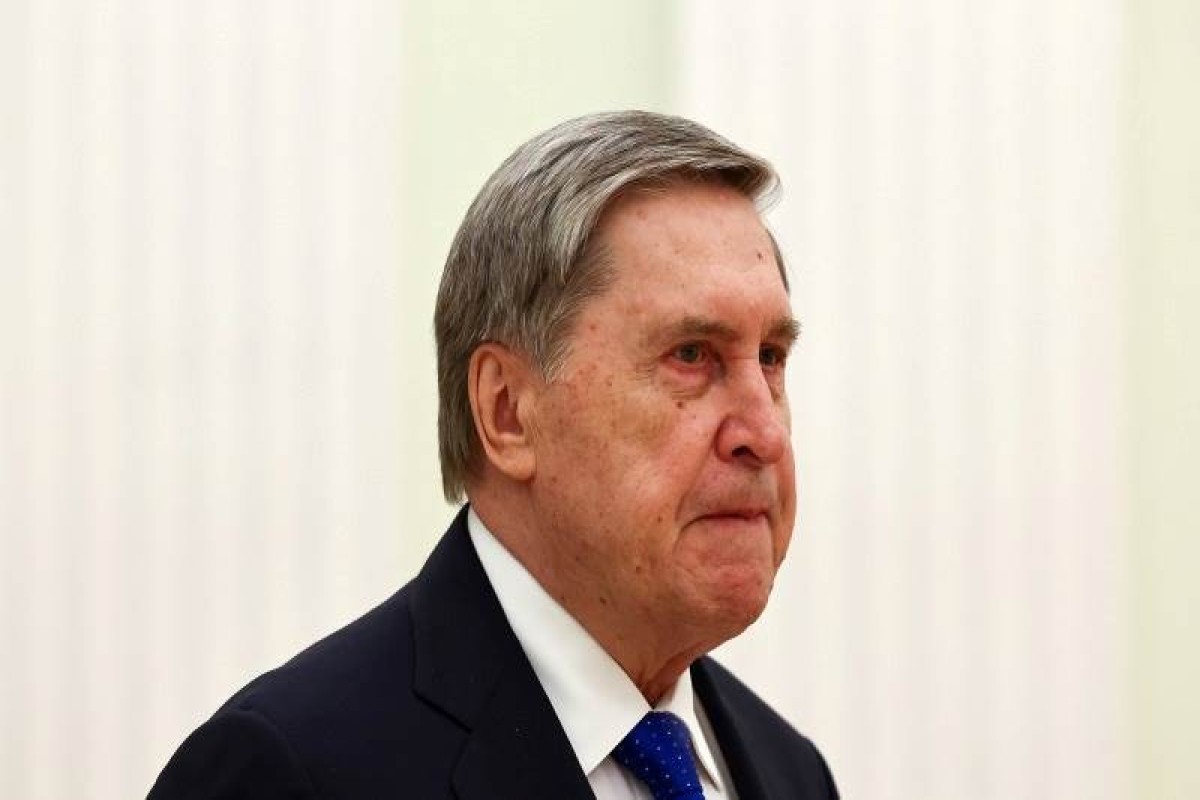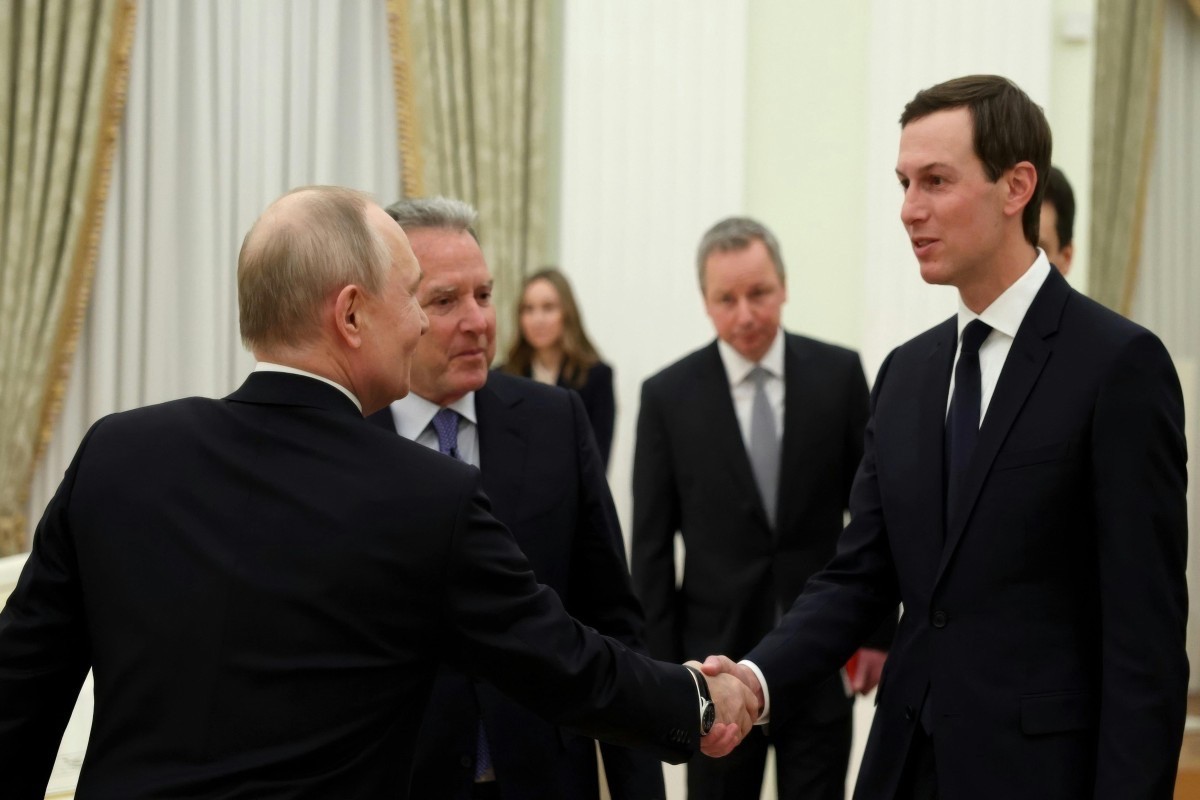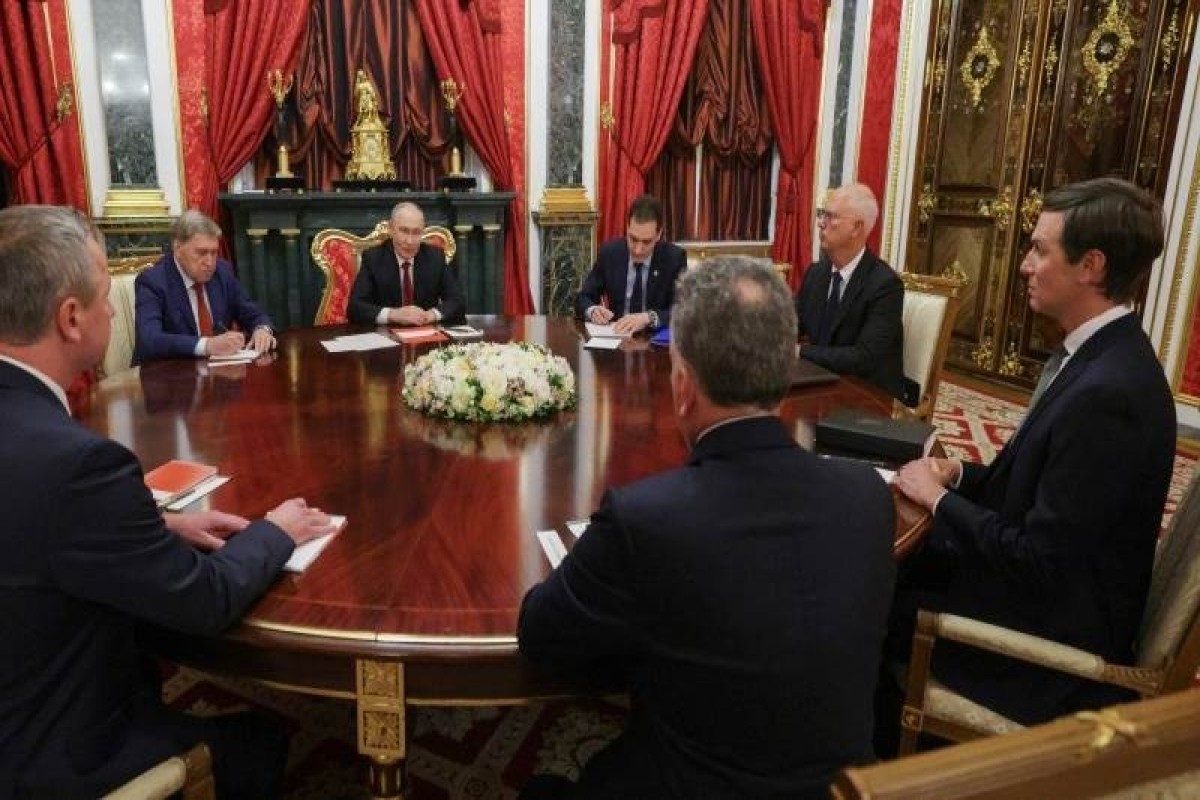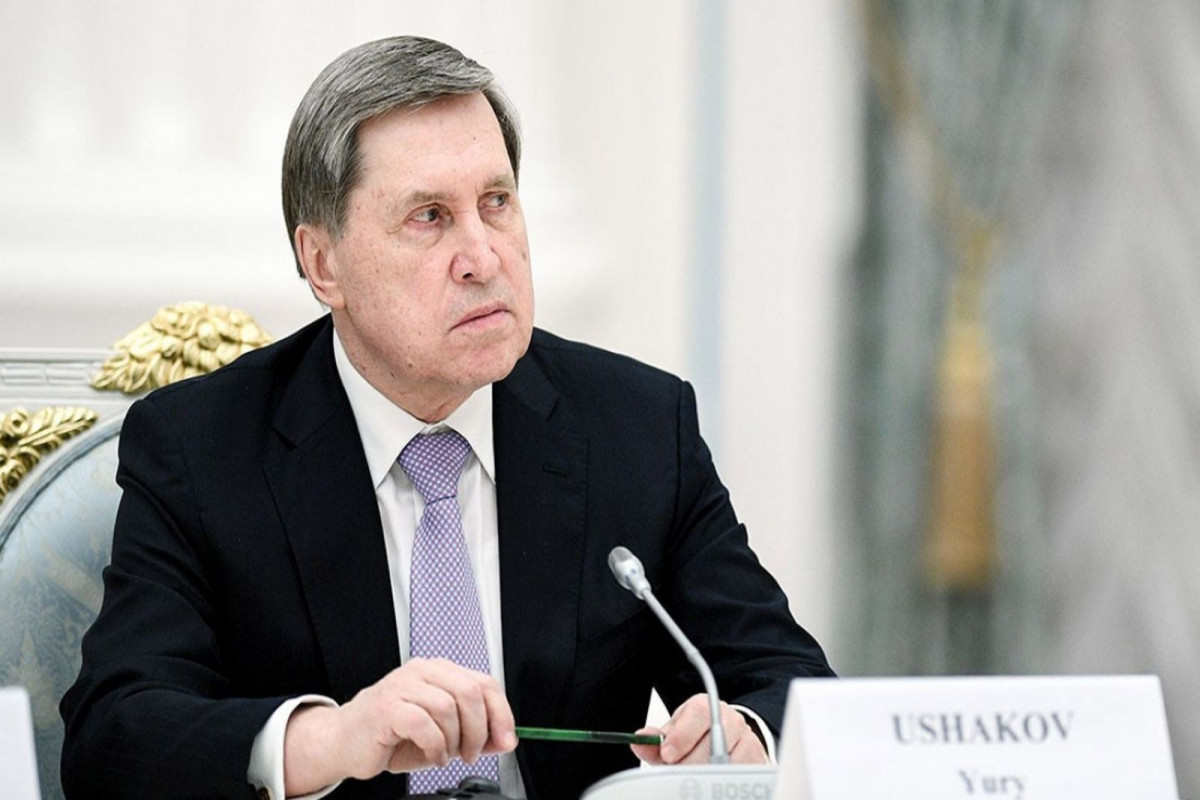

Moscow has received four additional documents in addition to Trump's initial 28-point plan for resolving the Ukrainian crisis, said Yuri Ushakov, the Russian presidential aide for international affairs, speaking at the conclusion of the talks held in the Kremlin, APA's Moscow bureau reports.
He said that he could not disclose the essence of these four additional documents, but that all of them relate to a long-term solution to the crisis in Ukraine and peace.
According to him, the meeting created an opportunity to discuss future solutions to the Ukrainian crisis.
Ushakov emphasized that the meeting discussed the essence of the US crisis resolution plan, not specific proposals.
The Kremlin official said that Putin and Witkoff also discussed the great prospects for future economic cooperation.
"Of course, great prospects for future economic cooperation between the two countries were discussed. By the way, this was discussed in detail at previous meetings. But now it was emphasized that we need to do something about it. If we really want to cooperate and there are great opportunities for this, we need to demonstrate our real desire for it," Ushakov said.
He also added that Russia and the United States will continue contacts at the level of representatives and aides. The possibility of a meeting between Putin and Trump also depends on progress at this level.
"We agreed that we will continue contacts with the Americans, especially with those in the Kremlin, at the level of representatives, aides and other representatives. As for a possible meeting at the level of presidents, it will depend on what progress we can achieve on the path that we will persistently and stubbornly pursue through our aides, representatives and so on," the Kremlin official added.
Putin's aide also answered the question of whether a specific territorial issue was discussed during the talks: "This issue is the most important for us among those discussed. For the Americans as well. No compromise option has been found yet. However, a number of options proposed by the United States seem more or less acceptable. However, they need to be discussed. A number of the proposed options do not suit us. Work on them will continue."


 Follow us on Telegram
 t.me/apanewsaz
 Follow us on Instagram
 Follow us on TikTok
 Follow us on Facebook
 Follow us on X