Baku-APA. Iran told six big powers on Friday it would not accept their "excessive demands" after the latest talks on lifting sanctions against Tehran in exchange for curbs on its nuclear work yielded no breakthrough, with a deadline for a deal just a month away, APA reports quoting Reuters.
U.S. Under Secretary of State for Political Affairs Wendy Sherman said it was Iran that would need to shift its position: "What is still unclear is if Iran is really ready and willing to take all the necessary steps to assure the world that its nuclear programme is and will remain exclusively peaceful."
The stakes are high in the Vienna talks, which will resume on July 2, as the powers seek a negotiated solution to a more-than-decade-long standoff with Iran that has raised fears of a new Middle East war and a regional nuclear arms race.
Sherman noted at the end of five days of negotiations in the Austrian capital that Tehran had always maintained that it wants only civilian nuclear energy. "If that is indeed the case, then a good agreement is obtainable," the U.S. delegation chief said.
Iran and the United States, Russia, China, France, Britain and Germany are striving for a comprehensive settlement by July 20, a deadline set as part of an interim deal struck last year.
A six-month extension of the talks is a possibility but could be politically difficult for the United States, since the administration of President Barack Obama would almost certainly seek the approval of Congress, where hawkish lawmakers are suspicious of Iran and dislike the idea of engagement with it.
Diplomats from the six powers told Reuters earlier in the week that the most formidable dispute in the talks was over the number of centrifuges Tehran will be allowed to keep to enrich uranium under any deal.
Western officials say that the six powers want this number to be in the low thousands, below the capacity that could allow Iran to quickly accumulate enough material for a nuclear bomb.
Iran insists on tens of thousands of centrifuges to churn out fuel for a future network of civilian nuclear power stations, although this would take many years to build.
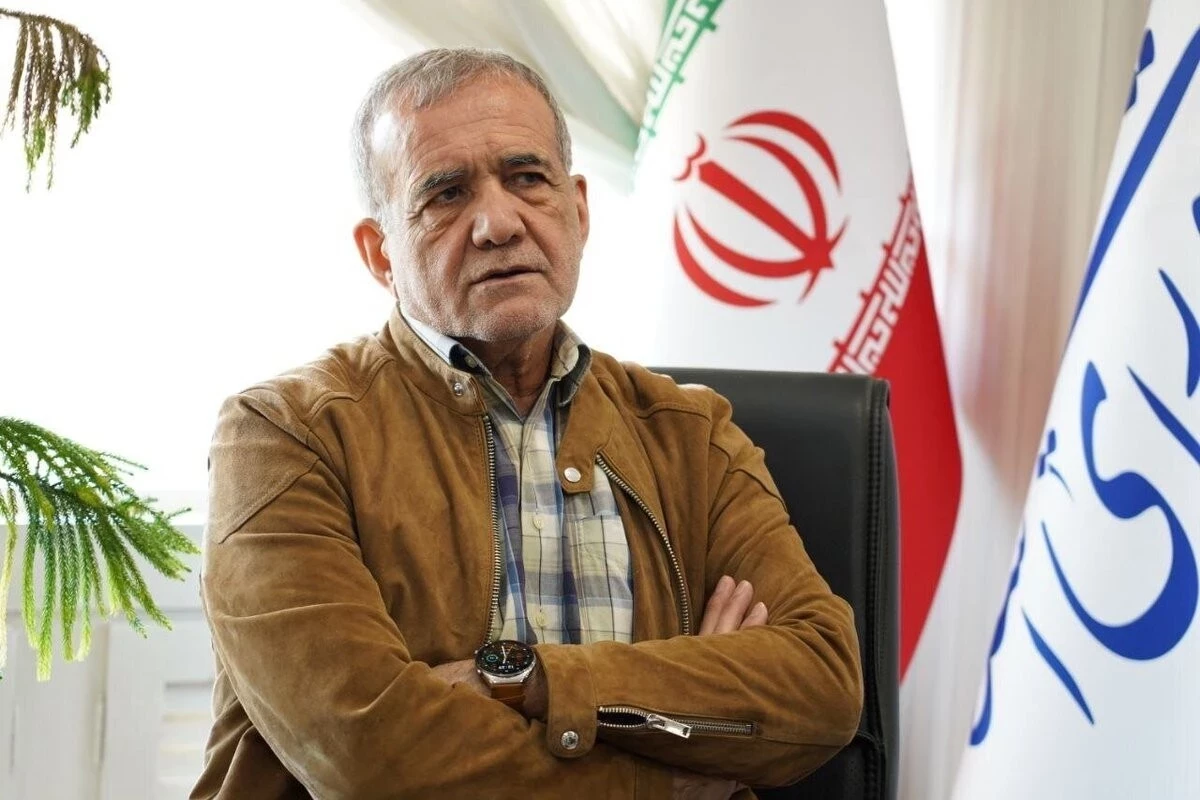
Iranian Foreign Minister Mohammad Javad Zarif highlighted the wide gulf between the sides, urging the six nations to "abandon excessive demands which will not be accepted by Iran".
"Still we have not overcome disputes about major issues," he told reporters as five days of negotiations in Vienna wound up. "There has been progress, but major disputes remain."
He made clear there was no agreement yet between Iran and the six on a draft text of an agreement. A senior Chinese official said the two sides had put together a "textual framework", though gave no details.
"The fact that (we came up) with this text is progress ... in procedural terms," China's Wang Qun told reporters.
Sherman described the text as a "working document" that is "heavily bracketed" due to remaining disagreements, making clear much work remains to reach an accord.


 Follow us on Telegram
 t.me/apanewsaz
 Follow us on Instagram
 Follow us on TikTok
 Follow us on Facebook
 Follow us on X