Baku-APA. Iran and six world powers tried to break an impasse in nuclear negotiations on Sunday, but officials cautioned that attempts to reach a preliminary deal by a deadline in two days could yet fall apart, APA reports quoting Reuters.
The two sides explored compromises in areas including numbers of centrifuges used to enrich uranium that Iran could operate, and its nuclear enrichment work for medical research.
But Israel, which feels especially threatened by the possibility of a nuclear-armed Iran, said the details of a possible framework agreement emerging from the talks in the Swiss city of Lausanne were even worse than it feared.
The six powers - the United States, Britain, France, Germany, Russia and China - want at least a 10-year suspension of Iran's most sensitive nuclear work. Tehran, which denies it trying to develop a nuclear weapons capability, is demanding an end to international sanctions that are crippling its economy.
Officials warned that deep disagreements remained over several sticking points in Lausanne. Nevertheless, they said that in recent days the two sides have been closing in on a preliminary deal that could be summarized in a brief document of several pages that may or may not be released.
Several officials told Reuters that Tehran had indicated a willingness to cut the number of centrifuges it uses to fewer than 6,000, thereby slowing its program, and to send most of its enriched uranium stockpiles for storage in Russia.
Western powers, on the other hand, were considering the idea of allowing Iran to conduct limited, closely-monitored enrichment-related work for medical purposes at an underground facility, the officials added on condition of anonymity.
Iran had originally insisted on keeping in operation the nearly 10,000 centrifuges it currently uses, but said in November that Washington indicated it could accept around 6,000. Iranian officials say they had been pushing for 6,500-7,000.
All parts of an emerging nuclear deal are interrelated. "Everything could still fall apart," a Western official told Reuters, adding that the talks could drag on to Tuesday, the self-imposed deadline for a framework agreement.
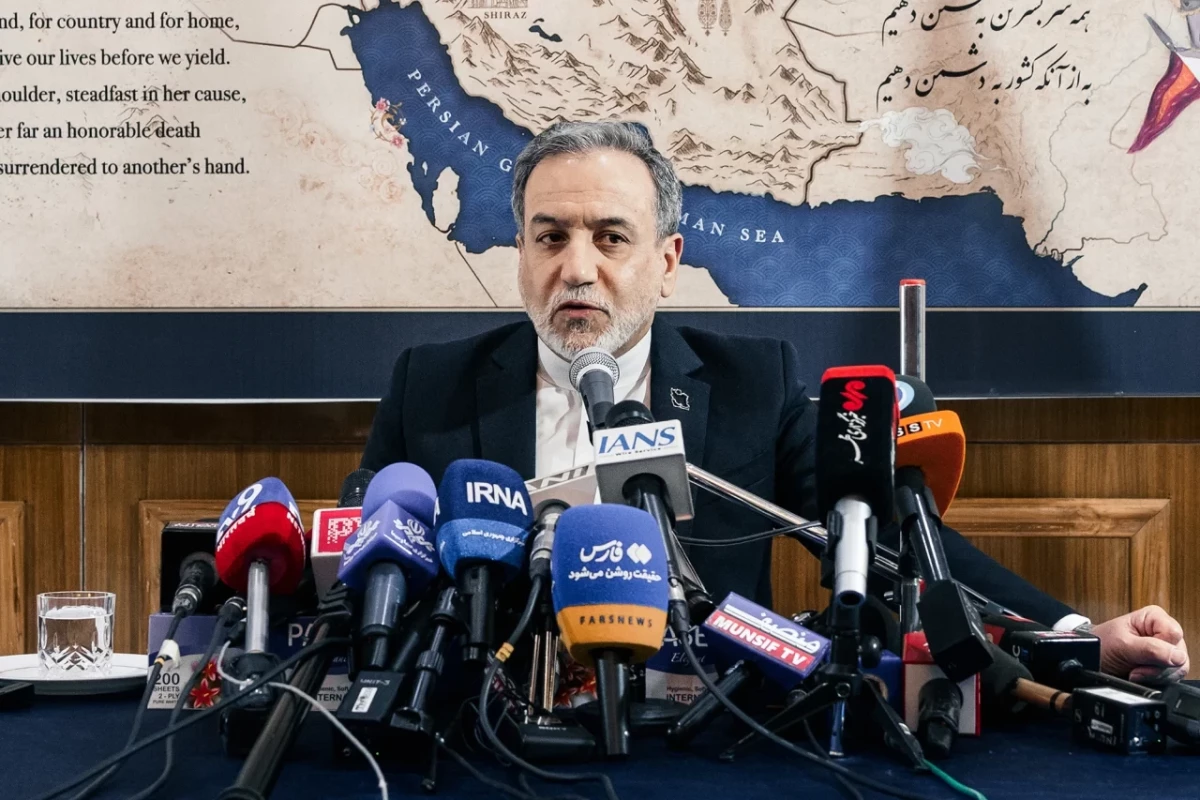
Iranian Deputy Foreign Minister Abbas Araqchi also said the outcome was uncertain. "All sides are working hard to resolve remaining issues but there is still a long way to go," he told reporters.
German Foreign Minister Frank-Walter Steinmeier warned that the stakes were high. "I can't rule out that there will be further crises in these negotiations," he told reporters.
A main sticking point is Iran's demand that it continue with research into a new generation of advanced centrifuges. These machines can purify uranium faster and in greater quantities for use in nuclear power plants or, if very highly enriched, in weapons.
Another question is over the speed of removing United Nations sanctions on Iran. A senior U.S. official said there were unresolved questions on other issues but expected those would fall into place if the big sticking points could be worked out.
The U.S. official added that the negotiators were working towards something that would be called an "understanding", as opposed to a formal agreement.
Such a deal would form the basis of a comprehensive deal, including all technical details, to be tied up by June 30.
The powers' aim is to ensure that Iran is kept at least one year away from the ability to produce enough fissile nuclear material for a single weapon for at least 10 years.


 Follow us on Telegram
 t.me/apanewsaz
 Follow us on Instagram
 Follow us on TikTok
 Follow us on Facebook
 Follow us on X