Baku-APA. With the European Union on Monday lifting a ban on supplying weapons to Syrian rebels comes more problems than solutions to the two-year civil war in Syria that has killed at least 80,000 people since it began in 2011, APA reports quoting Todays Zaman.
The end of the arms embargo has divided the EU, with the United Kingdom and France leading the call for increased aid, including the possibility of heavy armaments such as anti-aircraft and anti-armor weapons, while countries such as Austria and Germany warn that such measures will only increase the bloodshed in Syria’s increasingly costly war.
There is concern that increased military aid to Syria will trigger an arms race between the rebels and the Bashar al-Assad government, which is supplied by its allies Russia and Iran, who will match any Western contributions to the conflict with their own.
“We’re in a situation where each sponsor is willing to give ever more deadly arms, and each is drawing red lines in the sand,” Dr. Mark Levine, a professor of history at UC Irvine and a frequent contributor to Al-Jazeera, told Sunday’s Zaman through e-mail.
“The Iranians, Russians and even the Iraqis will justify all kinds of acts to prop up the regime in Damascus. The Russians and their allies have got lots at stake and will deploy all means within their disposal to ensure Assad’s preponderance,” said Dr. Larbi Sadiki of the University of Exeter, also by e-mail.
Despite these criticisms and concerns, Britain and its allies remain committed to helping the Syrian rebels, and the United States, while offering its moral support, has yet to take a hard stance in the resistance against the Assad regime.
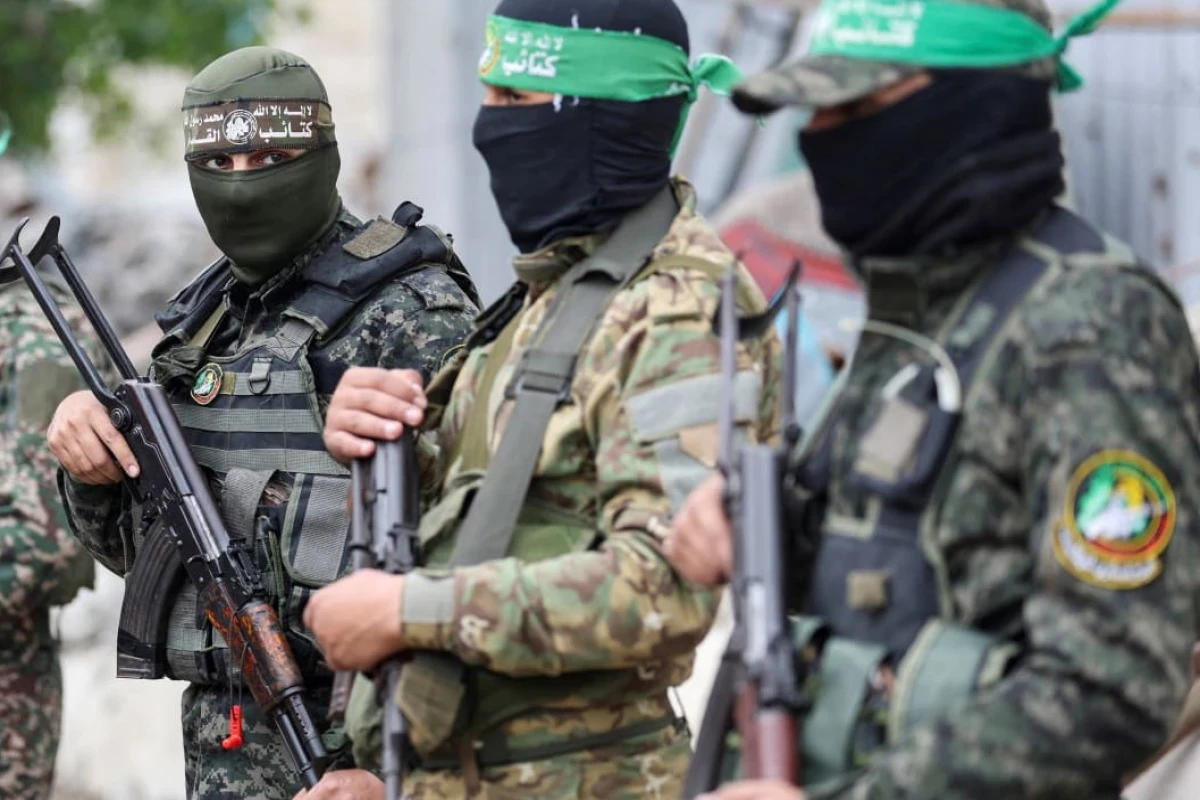
There are also concerns that any weapons being sent to the moderate Free Syrian Army (FSA) might be received by foreign Islamist fighters such as the al-Nusra Front, who have claimed affiliation to terrorist organization al-Qaeda, with the expressed goal of creating an Islamic state in Syria. The FSA has seen a number of fighters defect to al-Nusra and other foreign jihadist groups who are seen as better organized and well armed. These concerns are likely to dampen Western enthusiasm for sending arms en masse, as the US and Britain are more committed to their “war on terror” than they are to the war in Syria.
Turkish national security contingent on its decisions
An influx of weapons supplied by the EU is likely to affect Turkey, which shares a large land border with Syria and is the Western world’s biggest ally in the region barring Israel. With US troops already deployed in the region, Turkey appears to be a likely point of transit of arms into Syria, which will have major ramifications for Turkey’s national security.
Although Ankara is on record as wanting Assad out of power, it has refrained from taking direct action against his regime, and Prime Minister Recep Tayyip ErdoÄŸan recently softened his stance on Syria after a visit to Washington and is now supporting the upcoming Geneva II process. Ankara has understandably been reticent in fully committing to ousting the Iran -- and Russia -- backed Assad regime without more explicit support from its Western allies.
F. Doruk Ergun, a researcher at the Center for Economics and Foreign Policy Studies (EDAM), an independent think tank based in Ä°stanbul, told Sunday’s Zaman via email that “it would be fair to say that this position is unlikely to change both for domestic and international reasons, unless perhaps a wide range of countries including Ankara’s transatlantic partners openly embrace the idea of supplying arms to the rebel forces or Turkey suffers from more attacks by the regime forces and their affiliates.”
Violence has increasingly spilled across the border from Syria into Turkey, including a downed Turkish jet, border crossing attacks and shells landing inside Turkey. Although as yet unverified, many in Turkey suspect that the car bombings in the Hatay province a few weeks ago are also related to the Syrian crisis. If Turkey were to take a major stance in allowing itself to be used as a transit point for munitions supplies to Syrian rebels, it runs the risk of increased violence.
“In the unlikely event that Turkey is openly and officially involved in the future transfer of European arms to the rebels, we might see attacks similar in essence to those in the past, with the only difference being size and damage,” Ergun added. “I think the attacks would be focused more on fueling domestic tensions and domestic opposition to Ankara’s Syria policy, such as provoking tensions with refugees or conducting terror attacks similar to Reyhanlı, rather than attacks that aim [at] disrupting Turkish military assets or target supply lines that are used to transfer future European arms and supplies. Instead of major all-out attacks, it is more likely that Assad will carefully escalate and de-escalate the situation in order to refrain from provoking major Turkish and/or NATO response.”
Although Syrian rebels have welcomed the EU’s decision to drop the ban for supplying weapons, a potential arms race has implications for increased tension and long-term instability in the region as well as an increasingly catastrophic death toll in Syria.
“In the end, probably, if the US [and] Europe commit to a rebel victory, victory it will be, but at a terrible cost and much blood and the impossibility of ever putting Syria back together again,” says Levine.
“The move will only serve to intensify Syrian-Syrian killing and expand the killing field of Syria. No amount of weapons supplied by the EU will tip the ‘balance of terror.’ ... The losers will remain the Syrian people,” said Dr. Sadiki.


 Follow us on Telegram
 t.me/apanewsaz
 Follow us on Instagram
 Follow us on TikTok
 Follow us on Facebook
 Follow us on X

 PHOTO'>