










Baku-APA. Saudi Arabia is preparing to extend this year’s unexpected jump in oil sales to the United States, adding to speculation about the response of the world’s top oil exporter to sanctions against Iran and a rally in prices, APA reports quoting Reuters.
The kingdom’s shipments to the United States have quietly risen 25 percent to the highest level since mid-2008, according to preliminary U.S. government data, a sizeable leap that appears at least partly related to the imminent completion of a major expansion at its joint-venture Motiva refinery in Texas.
But some say the scale of the increase, plus other U.S. data showing Gulf Coast inventories are still subdued, suggest the potential for a political dimension as well, evoking comparisons to 2008 when the OPEC kingpin was driving up production to knock oil prices off record highs near $150 a barrel.
The surge appears set to continue. Vela, Saudi Arabia’s state oil tanker company, has booked at least nine very large crude carriers (VLCCs) capable of carrying 2 million barrels of crude each from the Middle East Gulf to the U.S. Gulf since the start of March, the biggest such wave of fixtures in years, analysts say.
The pivot to the U.S. market, which bore the brunt of Saudi output curbs after 2008, is a surprise for two reasons.
For one, many analysts had believed that the kingdom’s modest output increase in recent months was bound for fast-growing Asian markets, particularly given the pressure on refiners there to reduce their imports from Iran.
Plus, it comes after a year in which U.S. crude oil imports shrank to their lowest since 1999 thanks to a dramatic boom in shale oil production and tepid demand from consumers who are making every effort to cut back as gasoline prices rise.
The White House has been scrambling for options to bring down gasoline prices -- at a seasonal record high -- during an election year, after concerns over an Iranian supply disruption launched benchmark Brent crude to lofty peaks over $120 a barrel not seen since the record price run of 2008.
Washington has urged ally Saudi Arabia to cover potential shortages when new U.S. and European Union sanctions are expected to reduce Iranian oil exports from July. The Obama administration has considered releasing strategic oil inventories, potentially as part of a bilateral deal with Britain.
The kingdom has stepped up efforts this week to assure edgy markets that it will make up for any oil supply disruptions at a time when Iran’s standoff with the West has begun to intensify.
"Beyond the expansion at Motiva, there has been a major public shift by the Saudis since the Iran tensions started to raise the price of oil," said Amy Jaffe, an energy policy expert at Rice University’s Baker Institute in Houston.
"Saudi Arabia and the United States are trying to show the Iranians they (the Iranians) will have little flexibility, and they shouldn’t count on the world needing all the oil that Iran produces."
Saudi output in February was up 450,000 barrels per day (bpd) from October at its highest since August.
RISE IS SURPRISE
The build appears related, at least in part, to a massive expansion project at Saudi Arabia’s 285,000-bpd Motiva Port Arthur, Texas joint-venture refinery with Shell Oil, the U.S. unit of Royal Dutch Shell.
All expansion units are expected to be in production by the end of the second quarter of this year, with the expanded refinery reaching, by the end of the year, a maximum capacity of 660,000 bpd. Motiva Enterprises began circulating feedstocks through some of the expansion units in January
Motiva declined to comment. The expansion project, budgeted at $5 billion, began in 2007, and when complete will make the refinery the largest in the United States.
"I suspect there is some seasonality to it, U.S. refiners build inventories in the first quarter and U.S. refiners start up Gulf Coast plants out of maintenance," said Jan Stuart, head of energy research at Credit Suisse in New York City.
"In addition, this year you have the Motiva expansion, which will buy a lot of crude," he said, adding the building up of 20 days worth of inventory could account for part of the increased Saudi shipments.
That would be equivalent to building up inventories of 7.5 million barrels, by a Reuters calculation, implying a need to build 100,000 bpd of stock over the first 10 weeks of the year.
INVENTORY BUILD
Still, crude inventories in the Gulf Coast region have not grown as much as they traditionally do during the first quarter when refiners build up stocks.
Gulf Coast stocks have risen by only 10.3 million barrels -- or roughly 140,000 bpd -- over the 10 week period, compared with 14.2 million barrels on average for the past five years, according to EIA data. The weekly data is preliminary, and more comprehensive monthly data for January is not yet available.
While the rise in Saudi output has been well charted, the fact that the lion’s share of it appears destined for U.S. refiners will come as a surprise to many. Overall U.S. demand for foreign crude has ebbed this year as a boom in domestic and Canadian production reduces the need for imports.
The reversal of the key Seaway pipeline -- which will begin running from Oklahoma to Texas by July -- was expected further to temper demand for imports by helping bring more cheap crude from the Midwest to the U.S. Gulf Coast refining hub.
"We were all expecting to see U.S. imports fall for Vela, so it’s a jump at a time when we are preparing for a reversal given the Seaway pipeline," one shipping source said. "It raises the question why would they need more imports?"
Omar Nokta, managing director with investment bank Dahlman Rose & Co, said in a note on Friday that it was the first time in "several years" for Vela to book so many tankers in such a short time.
RISE BEGAN IN JANUARY
Provisional weekly data from the U.S. Energy Information Administration shows that the rise in supplies began several months ago, and outpaced gains to other consumers such as China.
U.S. imports of Saudi oil hit 1.5 million bpd in the first 10 weeks of 2012, up 300,000 bpd from the fourth quarter of 2011 and marking the largest rise in shipments since the second quarter of 2003. Saudi shipments to China in January rose only 14 percent from the year before.
Total U.S. crude imports are up only 165,000 bpd in the first 10 weeks of the year versus the fourth quarter. The EIA was not immediately able to respond to requests for an explanation of the data.
The shift also could simply be the result of restoring supplies to U.S. customers whose shipments had been cut much more deeply after prices crashed four years ago.
"Up to 2008, there was definitely a much larger rise in shipments to Asia, that’s where the demand was growing. The cuts that followed that were not proportionate," said a senior executive at a major Saudi oil customer.
"Now there’s a degree of rebalancing."
The rise in bookings to the U.S. Gulf has also tightened tanker availabilities, helping push the average earnings for VLCCs on the benchmark Middle Gulf to Japan route -- the major market barometer -- to their highest level in over a year to $33,205 a day, Baltic Exchange data showed.
Data shows that the Saudi crude has been priced advantageously for U.S. buyers. Official selling prices (OSPs) for U.S. buyers, which are set by the state oil firm Saudi Aramco, have fallen to a deep discount versus Asian and European refiners, according to Reuters data.
The bargain rates may have encouraged a bit more crude to move West, although industry sources say the kingdom’s largest customers with global refining systems have less flexibility to shift supplies between different regions than they have in the past.
Edward Morse, global head of commodities research at Citigroup, said that while the higher U.S. volumes could be due to Motiva, it may come as part of efforts to build up global inventories.
"I think that if you look over a longer term, the Saudis are increasing their exports to the whole world right now and not just the U.S.," Morse said.
"The Saudis are getting oil onto the market to encourage inventory building, and to show their customers they can deliver whatever is needed."
Iran sanctions seen spurring more Saudi oil sales to U.S.

 17 March 2012 03:57 (UTC +04:00)


 İDMAN XƏBƏR
 Follow us on Telegram
 t.me/apanewsaz
 Follow us on Instagram
 Follow us on TikTok
 Follow us on Facebook
 Follow us on X
Asia
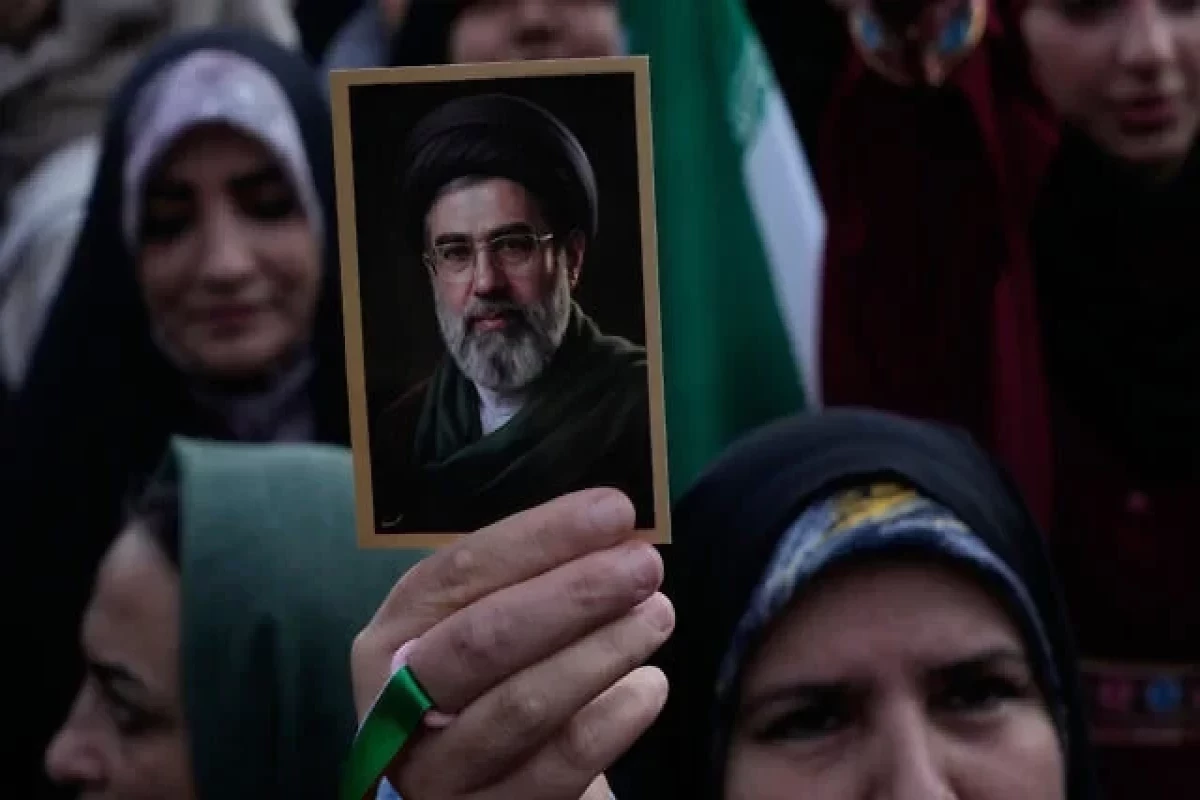
Mojtaba Khamenei won't attend father's funeral: Iran Supreme Leader's aide
18:24
 2 July 2026
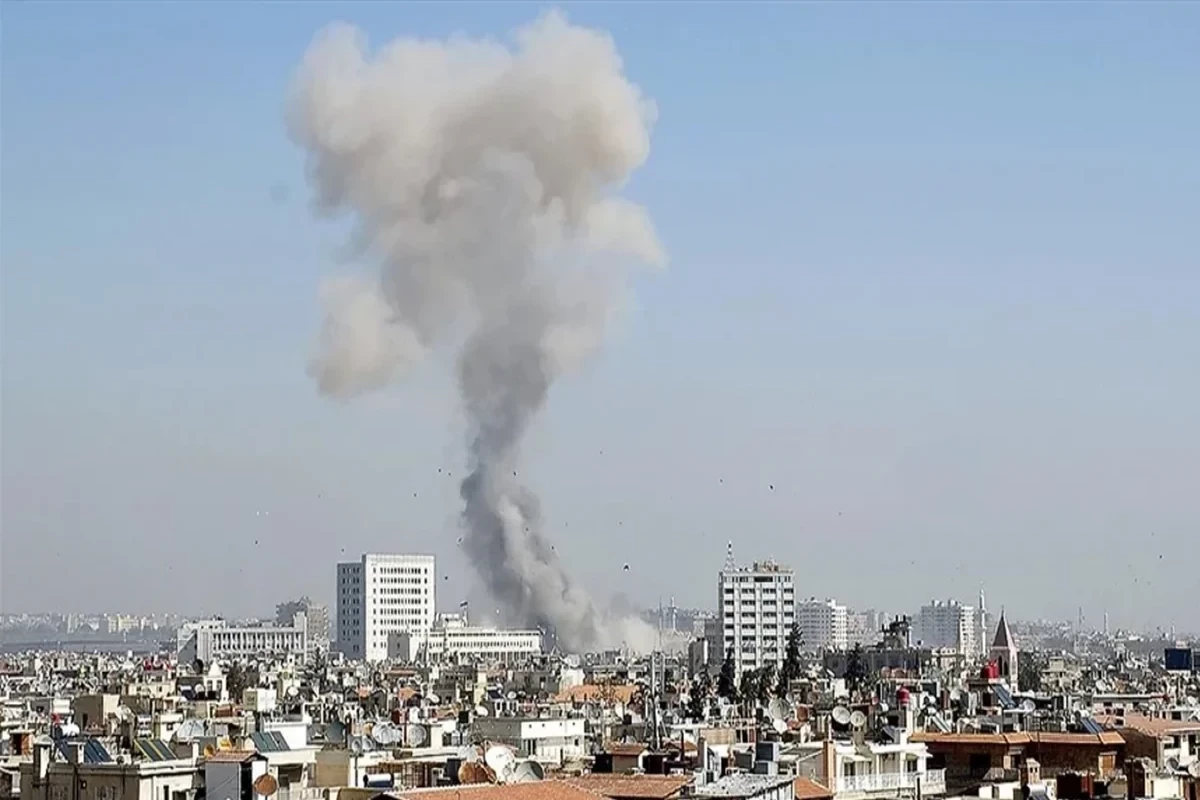
Damascus cafe blast kills five, wounds 16, Syrian state news agency says - UPDATED -1
17:34
2 July 2026

Lebanon, Syria sign agreement to establish joint higher committee
17:08
2 July 2026

Trump: The U.S. spends more on NATO than anyone else but gets nothing in return
16:35
2 July 2026

NEWS FEED
Belarus urges its citizens to avoid traveling to Russia's border regions
19:39
2 July 2026
The SBU reported exposing 11 people who, on the order of the Russian Federation, organized anti-Ukrainian rallies in Poland
19:29
2 July 2026
Sahiba Gafarova, Shahin Mustafayev and other Azerbaijani officials to attend Khamenei's funeral
19:00
2 July 2026
Pashinyan on Kocharyan: They will all be arrested
18:57
2 July 2026
Russia to send 14 wagons of wheat to Armenia via Azerbaijan
18:54
2 July 2026
Zelenskyy: Russia will face a response for its latest attack on Kyiv
18:41
2 July 2026
Armenia to restore railway lines to Nakhchivan and Türkiye
18:35
2 July 2026
Mojtaba Khamenei won't attend father's funeral: Iran Supreme Leader's aide
18:24
2 July 2026
Pashinyan: Armenia does not plan to unilaterally terminate railway management deal with Russia
18:14
2 July 2026
DRC exceeds 1,400 cases of Ebola in the latest outbreak and already nears 440 deaths
18:07
2 July 2026
Pashinyan: Work underway to open highway from Azerbaijan border to Türkiye for international freight transport
18:04
2 July 2026
FM Bayramov meets with the UN Secretary-General's Special Envoy for Road Safety
18:03
2 July 2026
President of Uzbekistan arrives on state visit to Georgia
17:47
2 July 2026
Commander of Azerbaijan Air Force on official visit to Türkiye
17:38
2 July 2026
Türkiye and Azerbaijan discuss electricity transmission opportunities
17:38
2 July 2026
Damascus cafe blast kills five, wounds 16, Syrian state news agency says - UPDATED -1
17:34
2 July 2026
Azerbaijan and Türkiye discuss military cooperation
17:34
2 July 2026
Pashinyan: EU introduces tariff-free regime for a number of products exported from Armenia
17:29
2 July 2026
Lebanon, Syria sign agreement to establish joint higher committee
17:08
2 July 2026
German defense minister says Ukraine conflict enters 'decisive phase'
17:07
2 July 2026
Death toll from Russia's massive strikes on Kyiv rises to 20 - PHOTO - UPDATED 4
17:05
2 July 2026
Trump: The U.S. spends more on NATO than anyone else but gets nothing in return
16:35
2 July 2026
Iran warns US, Israel against attacks ahead of funeral processions for Khamenei
16:20
2 July 2026
Hamas says it executed a man who collaborated with Israel
16:18
2 July 2026
Al Arabiya: Next round of indirect US-Iran talks to be held on July 18
16:09
2 July 2026
BTC operatorship transferred to SOCAR
16:04
2 July 2026
Turkish National Defense University delegation discusses advancement of cooperation in military education
15:51
2 July 2026
Baku Olympic Stadium lit up in U.S. flag colors ahead of Independence Day
15:28
2 July 2026
Drone threat declared in Moscow region
15:24
2 July 2026
Magnitude 5.3 earthquake strikes the Mediterranean Sea
15:23
2 July 2026
Eight Thai monks killed after 11-year-old drives truck into procession
14:57
2 July 2026
Iran warns oil tankers to use approved routes in Strait of Hormuz or face a ‘forceful response’
14:47
2 July 2026
Pashinyan: Expanding energy cooperation with Türkiye and Azerbaijan is important
14:36
2 July 2026
Greek ruling party calls for protests after firebomb kills candidate's mother
14:30
2 July 2026
Armenia parliament speaker Alen Simonyan to not take mandate, not be in new legislature
13:51
2 July 2026
Pashinyan: Yerevan will continue dialogue with Moscow and its course toward EU integration
13:47
2 July 2026
Türkiye presents Turkic World Civil Society Support System project - PHOTO
13:46
2 July 2026
Poland detains two men suspected of spying for Belarus
13:43
2 July 2026
Leyla Aliyeva attends opening of regional branch of Stray Animal Care Center in Yevlakh - PHOTO
13:28
2 July 2026
Kremlin: Gerasimov reports results of massive strikes on military targets in Kyiv to Putin
13:18
2 July 2026
Tajik man accused of spying on Israel for Iran
13:13
2 July 2026
ADB: Expanding electric transport could bring Azerbaijan $18 mln annually
13:01
2 July 2026
Russian forces strike plant producing Flamingo missile systems in Kyiv
12:57
2 July 2026
Modernized neighborhood in Yevlakh inaugurated with participation of Leyla Aliyeva - PHOTO
12:48
2 July 2026
Leyla Aliyeva meets “Young Beekeeper” project participant in Yevlakh - PHOTO
12:46
2 July 2026
EU chief on Armenia's normalization with Azerbaijan and Türkiye: The reward will be very great
12:43
2 July 2026
Leyla Aliyeva visits Juma Mosque in Yevlakh
12:42
2 July 2026
Leyla Aliyeva attends opening of new school building in Yevlakh
12:37
2 July 2026
Azerbaijan presents report on Armed Forces' peacekeeping operations - PHOTO
12:36
2 July 2026
BSTDB financing for SOCAR Trading reaches $70 million
12:34
2 July 2026


