










Baku-APA. With moments of silence and prayers, Japan on Sunday was remembering the massive earthquake and tsunami that struck the nation one year ago, killing just over 19,000 people and unleashing the world’s worst nuclear crisis in a quarter century, APA reports quoting news.yahoo.com website.
At dawn in the devastated northeastern coastal town of Rikuzentakata, dozens of people from across Japan gathered to offer prayers in front of a solitary pine tree that stands amid the barrenness, a symbol of survival. Some returned to where their houses and those of friends once stood, and placed flowers and small gifts for loved ones lost in the disaster.
Naomi Fujino, a 42-year-old Rikuzentakata resident who lost her father in the tsunami, was in tears recalling March 11, 2011.
With her mother, she escaped to a nearby hill where they watched the enormous wave wash away their home. They waited all night, but her father never came to meet them as he had promised. Two months later, his body was found.
"I wanted to save people, but I couldn’t. I couldn’t even help my father. I cannot keep on crying," Fujino said. "What can I do but keep on going?"
Later on Sunday, memorial ceremonies to mark 2:46 p.m. — the precise moment the magnitude-9.0 earthquake hit — were planned along the northeastern coast and in Tokyo, where the emperor and prime minister were scheduled to speak at the National Theater.
The quake was the strongest recorded in Japan’s history, and set off a tsunami that towered more than 65 feet (20 meters) in some spots along the northeastern coast, destroying thousands of homes and wreaking widespread destruction.
Today, some 325,000 people rendered homeless remain in temporary housing. While much of the debris has been gathered into massive piles, very little rebuilding has begun.
Beyond the massive cleanup, many towns are still finalizing reconstruction plans, some of which involve moving residential areas to higher ground. Bureaucratic delays in coordination between the central government, prefectural (state) authorities and local officials have also slowed rebuilding efforts.
"Differences of opinion between central and local governments and even among the populations affected" has contributed to delays, Tadateru Konoe, president of the Japan Red Cross Society, said earlier this week. "They couldn’t reach any consensus. They still keep fighting with each other, looking for the best solution."
Also, "it’s not simply building back as it used to be. It’s to build back better, and that requires a lot of consultations," he added.
An anti-nuclear protest was also planned in downtown Tokyo on Sunday amid growing public opposition to atomic power in the wake of the disaster, the worst since Chernobyl in 1986.
The government says the damaged Fukushima Dai-ichi nuclear plant, where three reactor cores melted down after the tsunami knocked out their vital cooling systems, is stable and that radiation coming from the plant has subsided significantly. But the plant’s chief acknowledged to journalists visiting the complex recently that it remains in a fragile state, and makeshift equipment — some mended with tape — could be seen keeping crucial systems running.
Only two of Japan’s 54 reactors are now running while those shut down for regular inspections undergo special tests to check their ability to withstand similar disasters. They could all go offline by the end of April if none are restarted before then.
The Japanese government has pledged to reduce reliance on nuclear power, which supplied about 30 percent of the nation’s energy needs before the disaster, but says it needs to restart some nuclear plants to meet Japan’s energy needs during the transition period.
Prime Minister Yoshihiko Noda has acknowledged failures in the government’s response to the disaster, being too slow in relaying key information and believing too much in "a myth of safety" about nuclear power.
"We can no longer make the excuse that what was unpredictable and outside our imagination has happened," Noda told a group of reporters last weekend. "Crisis management requires us to imagine what may be outside our imagination."
The phrase "soteigai," or "outside our imagination," was used repeatedly by Tokyo Electric Power Co., the utility that runs the Fukushima plant, as the reason it was not prepared for the giant tsunami. Although some scholars had warned about such tsunami risks, both the utility and regulators did little to prepare for such an event, and kept backup generators in basements, where they could be flooded.
"We can say in hindsight that the government, business and scholars had all been seeped in a myth of safety," Noda said of the oversights in the accident. "The responsibility must be shared."
Enormous risks and challenges lie ahead at the Fukushima plant, including removal of the melted nuclear fuel from the core and the disposal of spent fuel rods. Completely decommissioning the plant could take 40 years.
Meanwhile, some 100,000 residents who lived around the plant are in temporary shelters or with relatives, unsure of when they will be able to return to their homes.
A 12-mile (20-kilometer) zone around the complex and an adjacent area remains off limits.
Pilot efforts to make radiation-contaminated land around the plant inhabitable again have begun, using everything from shovels and high-powered water guns to chemicals that absorb radiation.
But it is a monumental, costly project fraught with uncertainty, and experts cannot guarantee it will be successful. The Environment Ministry expects it will generate at least 130 million cubic yards (100 million cubic meters) of soil, enough to fill 80 domed baseball stadiums.
In Rikuzentakata, 37-year-old Mika Hashikai, who lost both her parents in the tsunami, was going around leaving flowers at the former homes of her friends and neighbors. Her brother also lost his wife and daughter in the tsunami.
"I only wish for my brother’s happiness now that he’s lost everything and is alone," she said. "Maybe one day he can remarry and have children again."


 Follow us on Telegram
 t.me/apanewsaz
 Follow us on Instagram
 Follow us on TikTok
 Follow us on Facebook
 Follow us on X
Asia
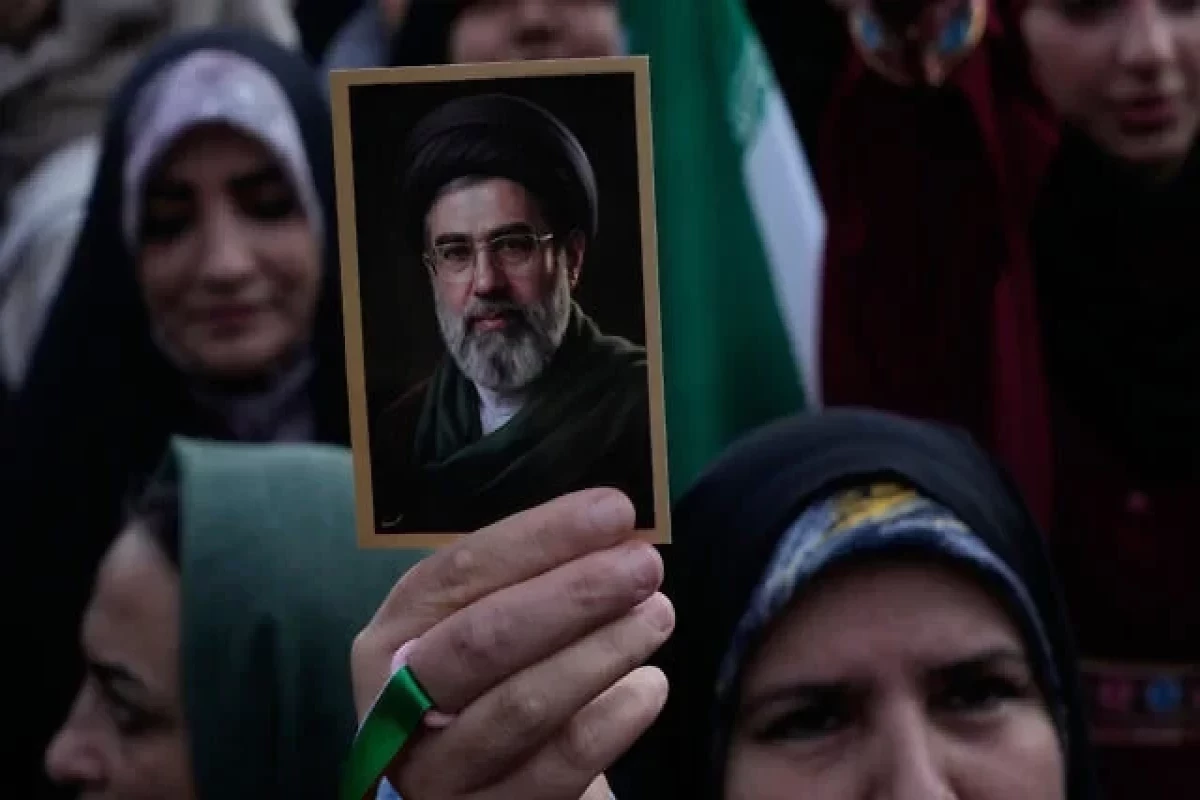
Mojtaba Khamenei won't attend father's funeral: Iran Supreme Leader's aide
 18:24
18:24
 2 July 2026
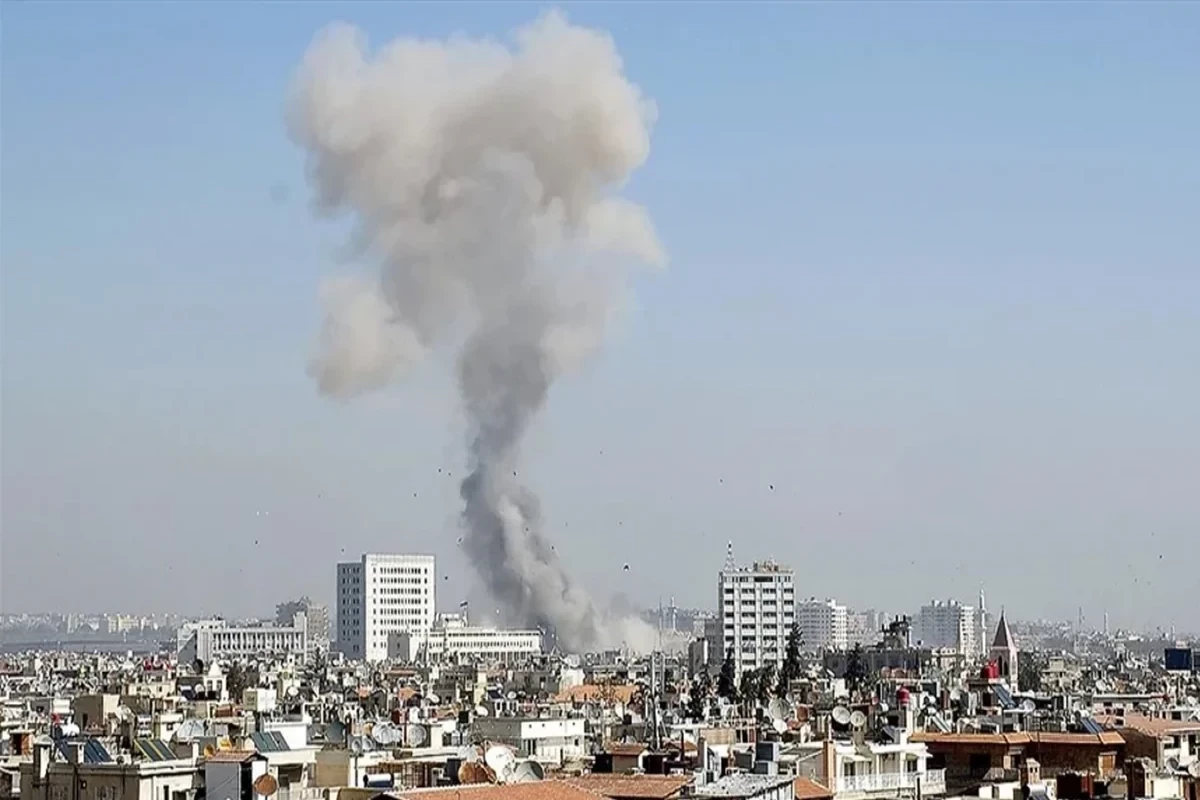
Damascus cafe blast kills five, wounds 16, Syrian state news agency says - UPDATED -1
17:34
2 July 2026
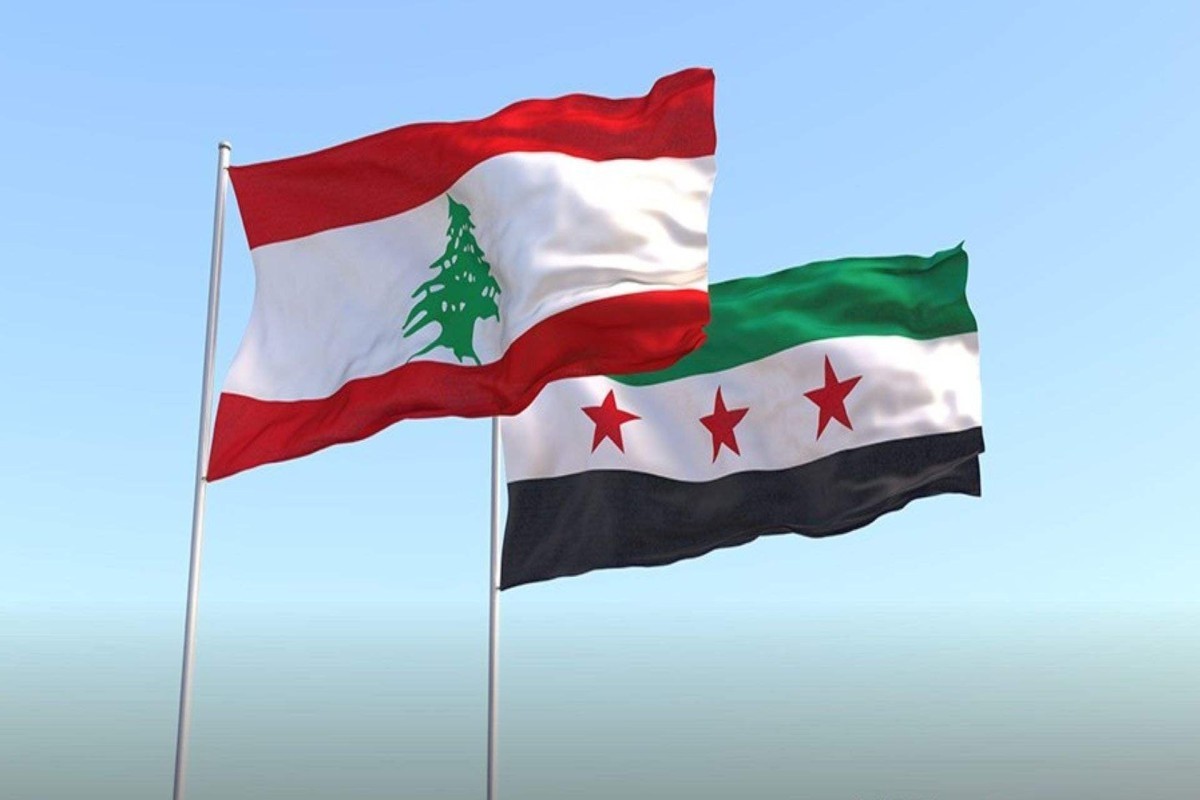
Lebanon, Syria sign agreement to establish joint higher committee
17:08
2 July 2026

Trump: The U.S. spends more on NATO than anyone else but gets nothing in return
16:35
2 July 2026

NEWS FEED
Belarus urges its citizens to avoid traveling to Russia's border regions
19:39
2 July 2026
The SBU reported exposing 11 people who, on the order of the Russian Federation, organized anti-Ukrainian rallies in Poland
19:29
2 July 2026
Sahiba Gafarova, Shahin Mustafayev and other Azerbaijani officials to attend Khamenei's funeral
19:00
2 July 2026
Pashinyan on Kocharyan: They will all be arrested
18:57
2 July 2026
Russia to send 14 wagons of wheat to Armenia via Azerbaijan
18:54
2 July 2026
Zelenskyy: Russia will face a response for its latest attack on Kyiv
18:41
2 July 2026
Armenia to restore railway lines to Nakhchivan and Türkiye
18:35
2 July 2026
Mojtaba Khamenei won't attend father's funeral: Iran Supreme Leader's aide
18:24
2 July 2026
Pashinyan: Armenia does not plan to unilaterally terminate railway management deal with Russia
18:14
2 July 2026
DRC exceeds 1,400 cases of Ebola in the latest outbreak and already nears 440 deaths
18:07
2 July 2026
Pashinyan: Work underway to open highway from Azerbaijan border to Türkiye for international freight transport
18:04
2 July 2026
FM Bayramov meets with the UN Secretary-General's Special Envoy for Road Safety
18:03
2 July 2026
President of Uzbekistan arrives on state visit to Georgia
17:47
2 July 2026
Türkiye and Azerbaijan discuss electricity transmission opportunities
17:38
2 July 2026
Commander of Azerbaijan Air Force on official visit to Türkiye
17:38
2 July 2026
Azerbaijan and Türkiye discuss military cooperation
17:34
2 July 2026
Damascus cafe blast kills five, wounds 16, Syrian state news agency says - UPDATED -1
17:34
2 July 2026
Pashinyan: EU introduces tariff-free regime for a number of products exported from Armenia
17:29
2 July 2026
Lebanon, Syria sign agreement to establish joint higher committee
17:08
2 July 2026
German defense minister says Ukraine conflict enters 'decisive phase'
17:07
2 July 2026
Death toll from Russia's massive strikes on Kyiv rises to 20 - PHOTO - UPDATED 4
17:05
2 July 2026
Trump: The U.S. spends more on NATO than anyone else but gets nothing in return
16:35
2 July 2026
Iran warns US, Israel against attacks ahead of funeral processions for Khamenei
16:20
2 July 2026
Hamas says it executed a man who collaborated with Israel
16:18
2 July 2026
Al Arabiya: Next round of indirect US-Iran talks to be held on July 18
16:09
2 July 2026
BTC operatorship transferred to SOCAR
16:04
2 July 2026
Turkish National Defense University delegation discusses advancement of cooperation in military education
15:51
2 July 2026
Baku Olympic Stadium lit up in U.S. flag colors ahead of Independence Day
15:28
2 July 2026
Drone threat declared in Moscow region
15:24
2 July 2026
Magnitude 5.3 earthquake strikes the Mediterranean Sea
15:23
2 July 2026
Eight Thai monks killed after 11-year-old drives truck into procession
14:57
2 July 2026
Iran warns oil tankers to use approved routes in Strait of Hormuz or face a ‘forceful response’
14:47
2 July 2026
Pashinyan: Expanding energy cooperation with Türkiye and Azerbaijan is important
14:36
2 July 2026
Greek ruling party calls for protests after firebomb kills candidate's mother
14:30
2 July 2026
Armenia parliament speaker Alen Simonyan to not take mandate, not be in new legislature
13:51
2 July 2026
Pashinyan: Yerevan will continue dialogue with Moscow and its course toward EU integration
13:47
2 July 2026
Türkiye presents Turkic World Civil Society Support System project - PHOTO
13:46
2 July 2026
Poland detains two men suspected of spying for Belarus
13:43
2 July 2026
Leyla Aliyeva attends opening of regional branch of Stray Animal Care Center in Yevlakh - PHOTO
13:28
2 July 2026
Kremlin: Gerasimov reports results of massive strikes on military targets in Kyiv to Putin
13:18
2 July 2026
Tajik man accused of spying on Israel for Iran
13:13
2 July 2026
ADB: Expanding electric transport could bring Azerbaijan $18 mln annually
13:01
2 July 2026
Russian forces strike plant producing Flamingo missile systems in Kyiv
12:57
2 July 2026
Modernized neighborhood in Yevlakh inaugurated with participation of Leyla Aliyeva - PHOTO
12:48
2 July 2026
Leyla Aliyeva meets “Young Beekeeper” project participant in Yevlakh - PHOTO
12:46
2 July 2026
EU chief on Armenia's normalization with Azerbaijan and Türkiye: The reward will be very great
12:43
2 July 2026
Leyla Aliyeva visits Juma Mosque in Yevlakh
12:42
2 July 2026
Leyla Aliyeva attends opening of new school building in Yevlakh
12:37
2 July 2026
Azerbaijan presents report on Armed Forces' peacekeeping operations - PHOTO
12:36
2 July 2026
BSTDB financing for SOCAR Trading reaches $70 million
12:34
2 July 2026


