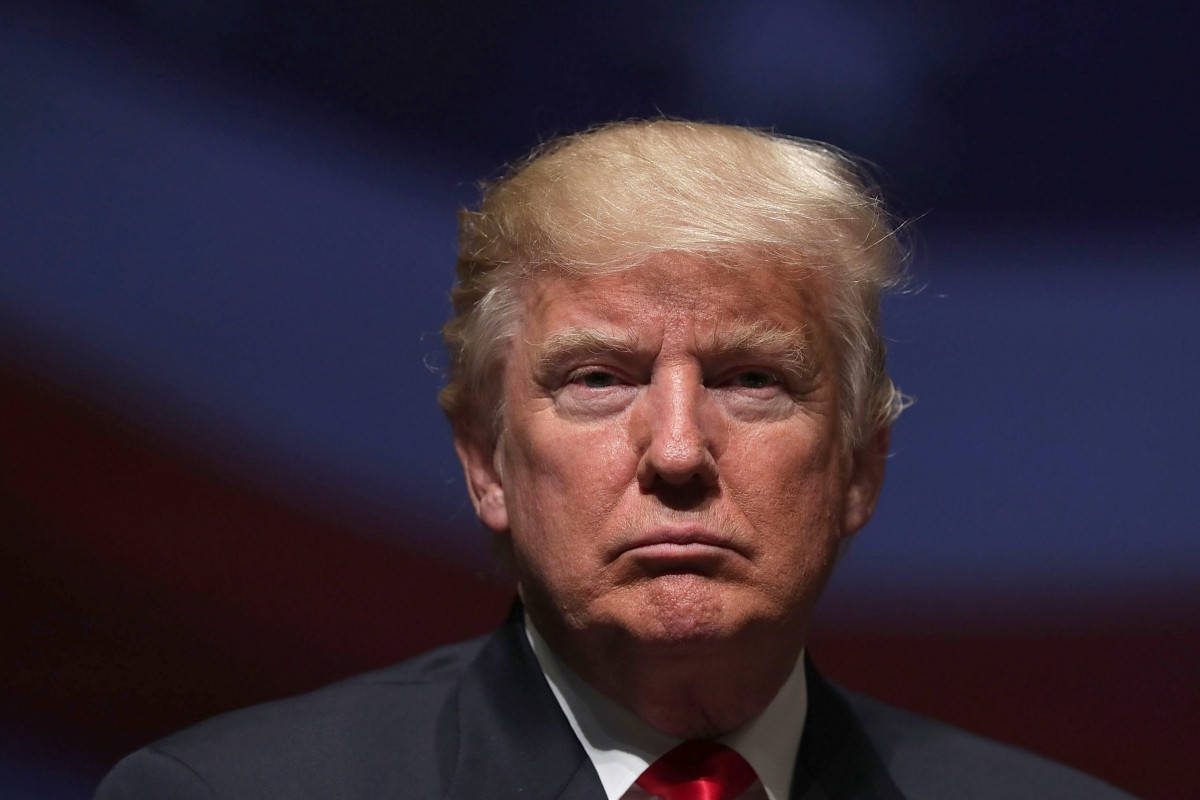

A framework deal has been reached between China and the U.S. for the ownership of popular social video platform TikTok, U.S. Treasury Secretary Scott Bessent said after weekend trade talks in Spain, APA reports, citing AP.
Bessent said in a press conference after the latest round of trade talks between the world’s two largest economies concluded in Madrid that U.S. President Donald Trump and Chinese President Xi Jinping would speak Friday to possibly finalize the deal. He said the objective was to switch to U.S. ownership from China’s ByteDance.
“We are not going to talk about the commercial terms of the deal,” Bessent said. “It’s between two private parties. But the commercial terms have been agreed upon.”
Li Chenggang, China’s international trade representative, told reporters the sides have reached “basic framework consensus” to resolve TikTok-related issues in a cooperative way, reduce investment barriers and promote related economic and trade cooperation.
The meeting in Madrid is the fourth round of trade talks between U.S. and Chinese officials since Trump launched a tariff war on Chinese goods in April. A fifth round of negotiations is likely to happen “in the coming weeks,” Bessent said, with both governments planning for a possible summit between Trump and Xi later this year or early next year to solidify a trade agreement.
However, nothing has been confirmed, and analysts say possible trade bumps could delay the visit.
Why a TikTok deal is needed
In Madrid, U.S. Trade Representative Jamieson Greer said the team was “very focused on TikTok and making sure that it was a deal that is fair for the Chinese” but also “completely respects U.S. national security concerns.”
Wang Jingtao, deputy director of China’s Central Cyberspace Affairs Commission, told reporters in Madrid there was consensus on authorization of “the use of intellectual property rights such as (TikTok’s) algorithm” — a main sticking point in the deal.
The sides also agreed on entrusting a partner with handling U.S. user data and content security, he said.
During Joe Biden’s Democratic presidency, Congress and the White House used national security grounds to approve a U.S. ban on TikTok unless its Chinese parent company sold its controlling stake.
U.S. officials were concerned about ByteDance’s roots and ownership, pointing to laws in China that require Chinese companies to hand over data requested by the government. Another concern became the proprietary algorithm that populates what users see on the app.
Trump, a Republican, has repeatedly extended the deadline for shutting down TikTok. The current extension expires Wednesday, two days before Trump and Xi are scheduled to discuss the final details of the framework deal.
Although Trump hasn’t addressed the forthcoming deadline directly, he has claimed that he can delay the ban indefinitely.
Wendy Cutler, senior vice president at the Asia Society Policy Institute, said it appears that “both sides have found a way forward to transfer ownership to a U.S. company.”
“If accurate, this would represent an important step forward in resolving a lingering bilateral dispute,” she said.


 Follow us on Telegram
 t.me/apanewsaz
 Follow us on Instagram
 Follow us on TikTok
 Follow us on Facebook
 Follow us on X