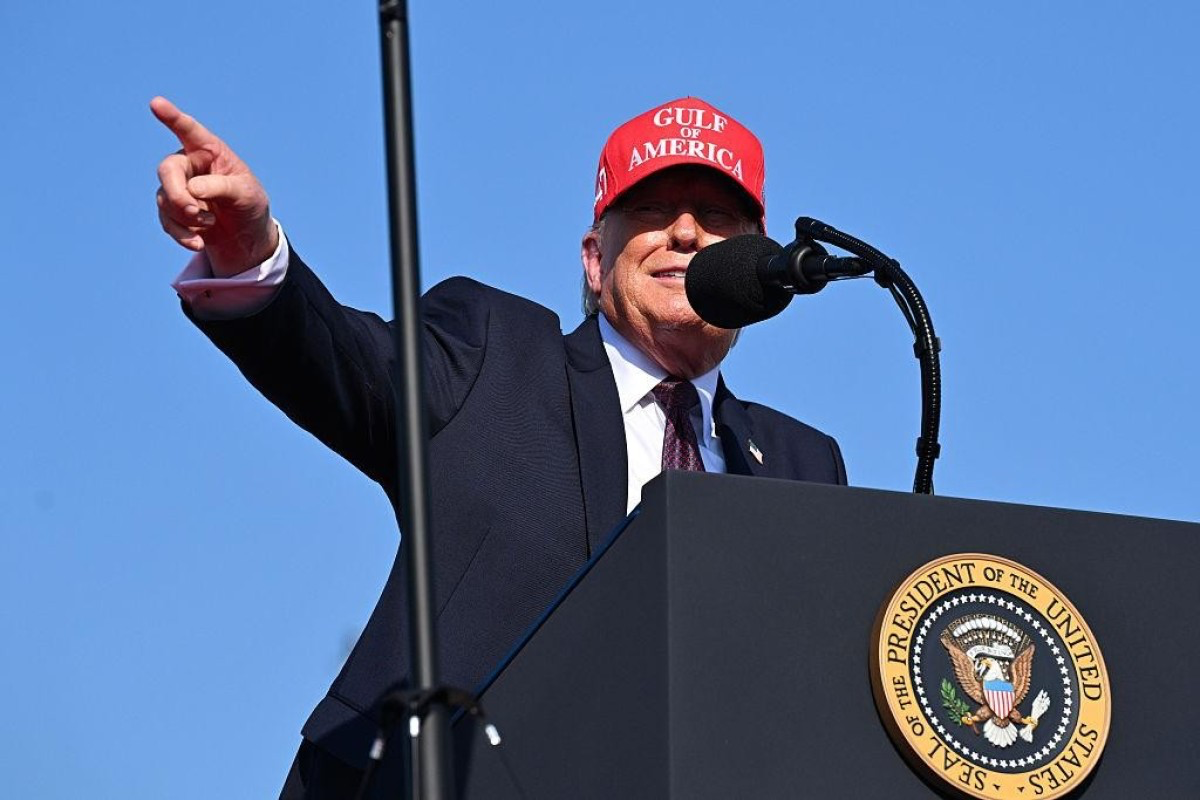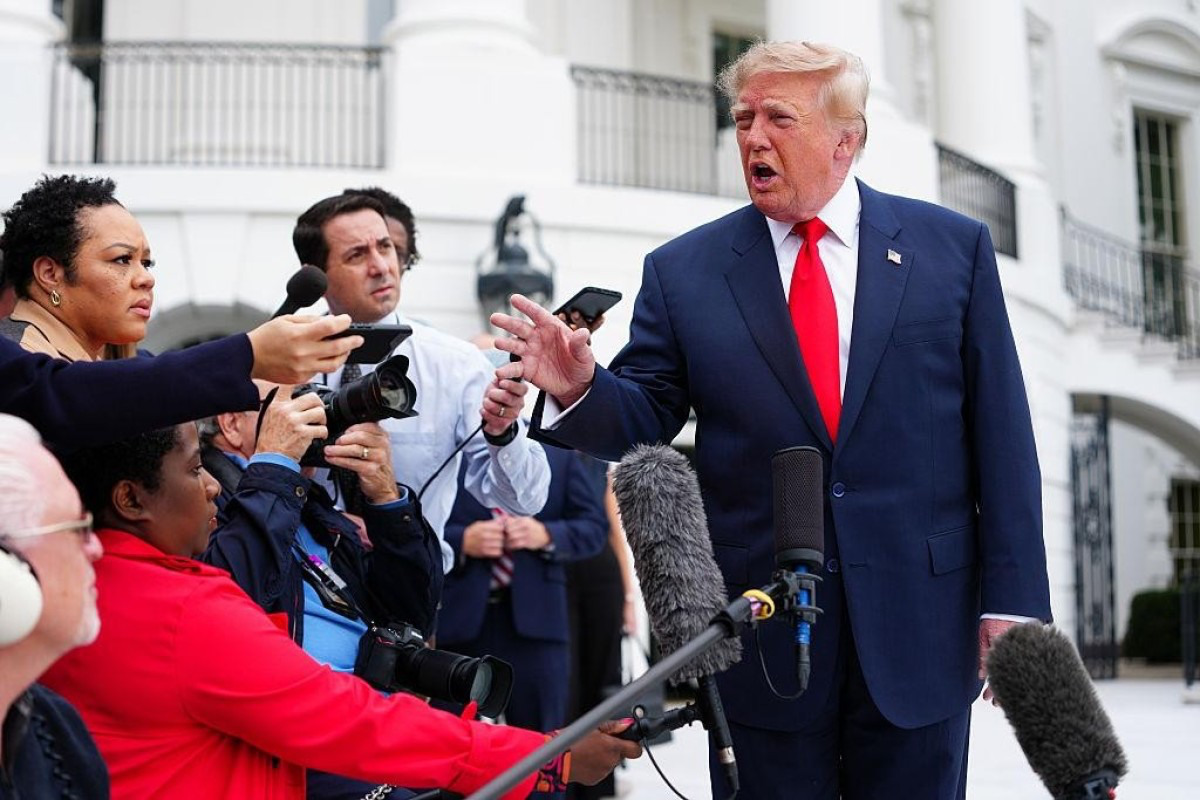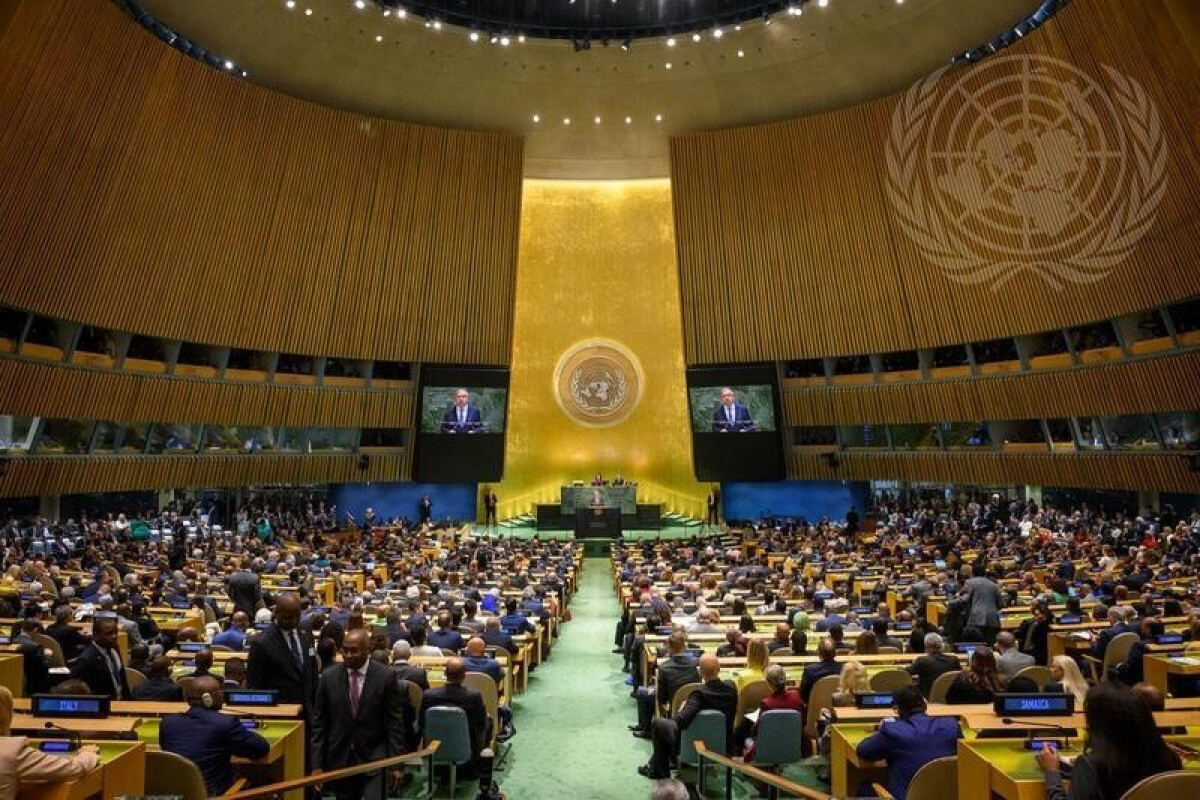


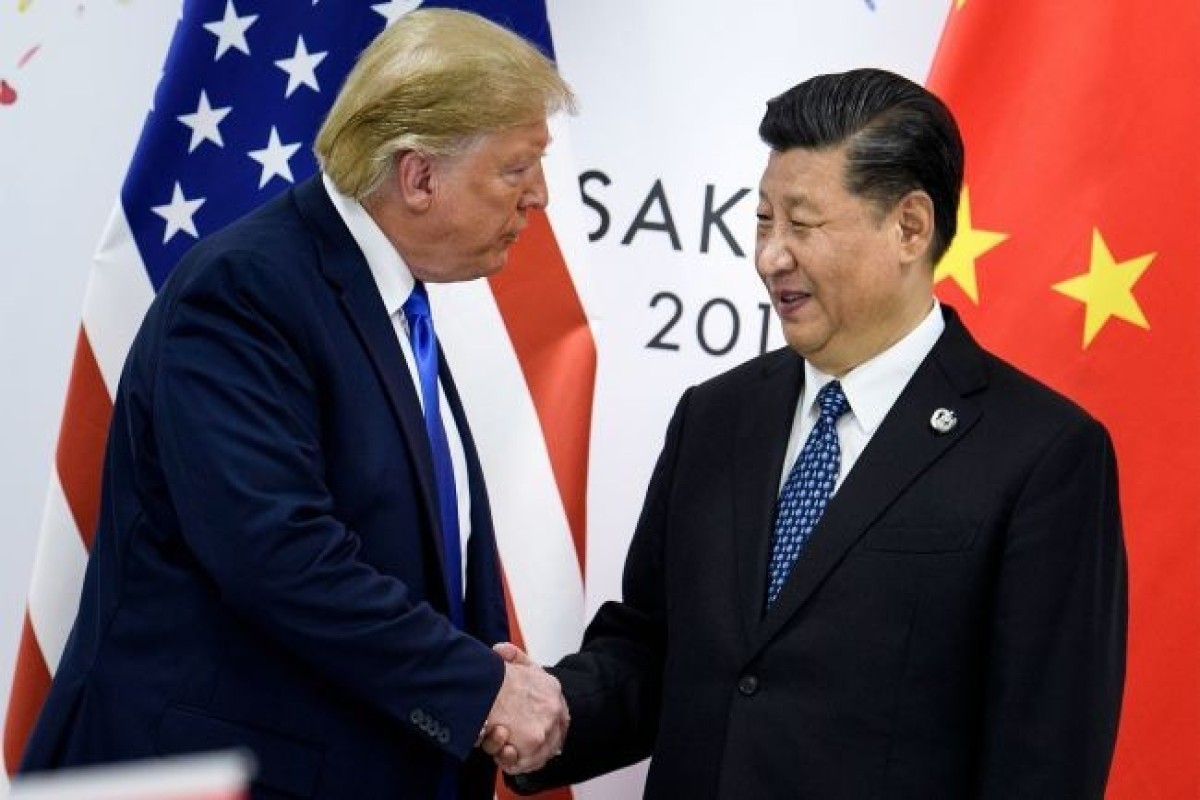

U.S. President Donald Trump said his patience with Iran was running out and that he had agreed in talks with Chinese President Xi Jinping that Tehran could not be allowed to have a nuclear weapon and must reopen the Strait of Hormuz, Reuters reports.
With official agreements from the U.S.-China summit yet to be released, Trump's comments gave little indication of whether Beijing, the main buyer of Iranian oil, might use its influence with Tehran to end a conflict it said should never have started.
"We've settled a lot of different problems that other people wouldn't have been able to settle," Trump said on Friday after he met Xi in Beijing on the second day of talks which included the Iran war, Taiwan, trade and other issues.
Xi did not comment on his discussions with Trump about Iran, although China's foreign ministry issued a blunt statement outlining Beijing's frustration with the Iran war.
"This conflict, which should never have happened, has no reason to continue," the ministry said.
Iran effectively shut the strait to most shipping traffic in response to U.S.-Israeli attacks which began on February 28, causing an unprecedented disruption to global energy supplies.
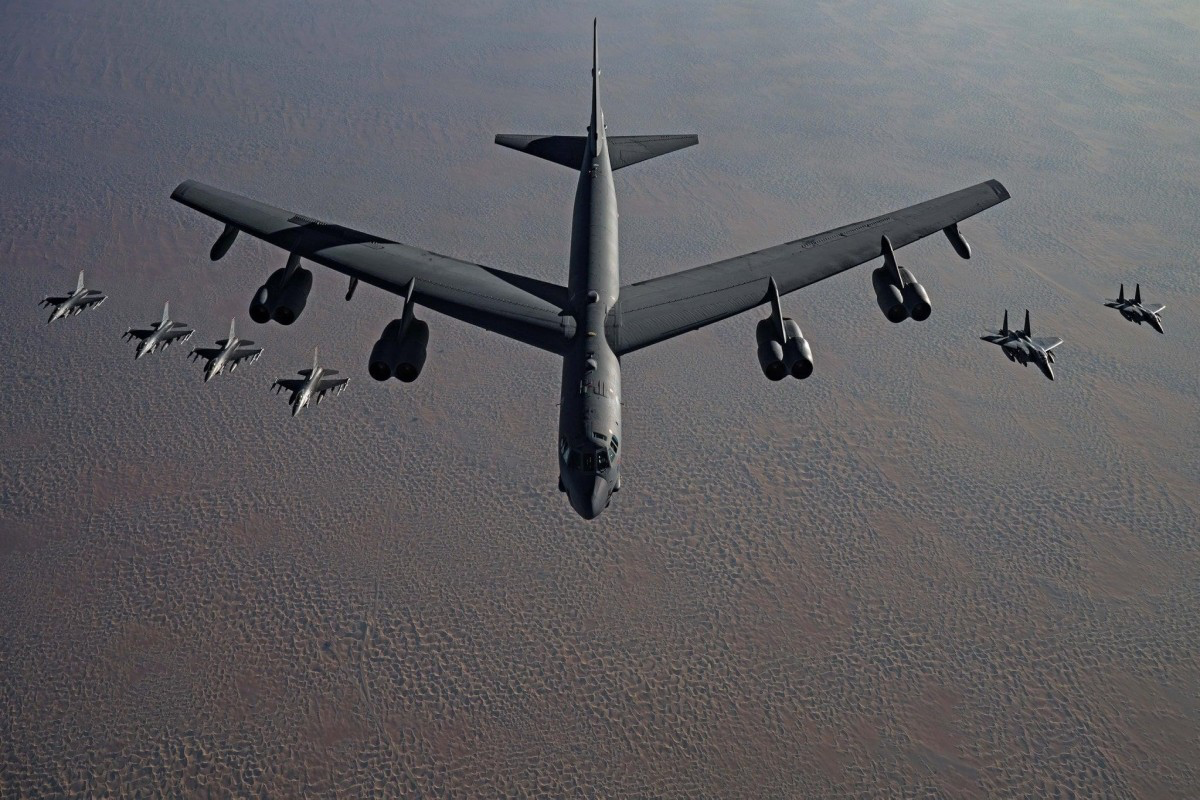
The U.S. paused its attacks on Iran last month but began a blockade of the country's ports. Tehran said it would not unblock the strait until the U.S. ended its blockade. Trump has threatened to attack Iran again if it does not agree a deal.
"We don't want them to have a nuclear weapon, we want the straits open," Trump said in Beijing.
Iranian Foreign Minister Abbas Araqchi said on Friday that Tehran had received messages from the U.S. indicating Washington was willing to continue talks and engagement. He did not immediately elaborate on the issue.
Iran, which denies it intends to build a nuclear weapon, has refused to end its nuclear program or relinquish its hidden stockpile of enriched uranium, to Trump's frustration.
"I am not going to be much more patient. They should make a deal," Trump said in an interview aired on Thursday night on Fox News' "Hannity" program, suggesting the enriched uranium only needed to be secured by the U.S. for public relations purposes.


 Follow us on Telegram
 t.me/apanewsaz
 Follow us on Instagram
 Follow us on TikTok
 Follow us on Facebook
 Follow us on X